5 Ways to Separate Minerals from Rocks: The 2026 Industrial Guide
Attempting to process raw ore without a scientifically rigorous flowsheet will bankrupt a mining operation before the first ton of concentrate is shipped. The entire economic viability of the mining sector rests on one foundational challenge: how efficiently you can separate minerals from rocks. In the industry, we call the valuable portion the “ore mineral” and the worthless rock the “gangue.” If your beneficiation process leaves 15% of your target metal trapped in the tailings, you are quite literally throwing capital into the dirt.
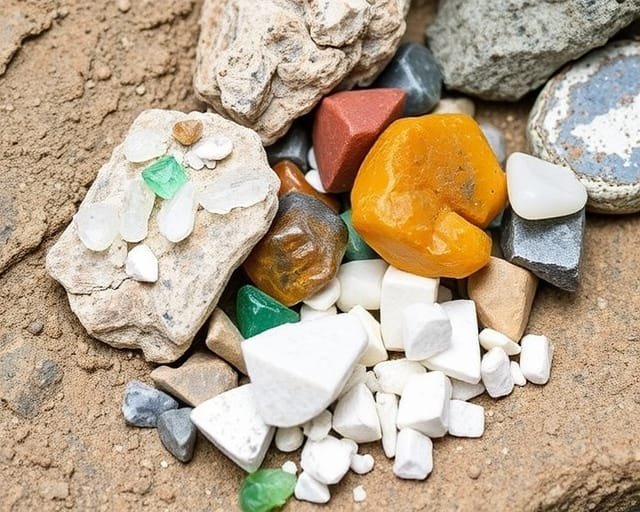
From our experience at Oromineral, supplying heavy-duty processing equipment globally, we see operators constantly making disastrous capital expenditure (CapEx) decisions. They purchase chemical flotation cells for ores that only require basic gravity separation, or they attempt to use outdated dry-magnetic drums on weakly magnetic slurries. In most professional situations, you must match the separation technique strictly to the physical and chemical properties of your specific ore body. In this comprehensive technical guide, we will outline the 5 definitive ways to separate minerals from rocks, explain whether a specific technology is actually worth upgrading to, and provide commercial judgment to help you optimize your processing plant.
Quick Answer: The 5 Primary Mineral Separation Techniques
If you need to rapidly determine how to separate minerals from rocks, these are the 5 industrial methodologies you must evaluate:
- Gravity Separation: Exploits differences in density/specific gravity. Best for gold, tin, tungsten, and heavy mineral sands.
- Magnetic Separation: Exploits differences in magnetic susceptibility. Crucial for removing iron tramp or concentrating iron, kaolin, and feldspar.
- Froth Flotation: Exploits differences in surface chemistry (hydrophobicity). The absolute standard for base metal sulfides (copper, lead, zinc).
- Leaching (Hydrometallurgy): Dissolves the target mineral using chemical solutions. Mandatory for low-grade gold (cyanidation) and oxidized copper.
- Electrostatic Separation: Exploits differences in electrical conductivity. Used heavily in mineral sands (rutile, zircon) recovery.
We recommend starting with extensive metallurgical bench-scale testing. Never buy full-scale equipment until a lab has proven the liberation size and optimal separation method for your exact geological deposit.
Table of Contents
- What It Is: The Beneficiation Process
- How It Works: The 5 Separation Methods
- Commercial Benefits of Process Optimization
- Limitations and Environmental Realities
- Who Should Use Which Method
- Who Does Not Need Advanced Separation
- Common Processing Mistakes
- B2B Buying Considerations
- Summary and Comparison Tables
- Expert Recommendation & Equipment
- Frequently Asked Questions
What It Is: The Beneficiation Process
To separate minerals from rocks, the material must first undergo comminution. Comminution is the brute-force stage involving jaw crushers, cone crushers, and ball mills. You cannot separate what is still physically bound together. The rock must be pulverized until the target mineral is entirely freed from the surrounding gangue—a state known as “liberation.” Only once the rock is reduced to an optimal micron size (the liberation size) does the actual separation—beneficiation—begin.
Beneficiation is the process of upgrading the ore. You take a raw feed that might contain 1% copper and upgrade it into a concentrate containing 30% copper. The waste rock (tailings) is discarded. The method you choose to separate minerals from rocks dictates your operating expenses (OpEx), your water consumption, and your final recovery rate.
How It Works: The 5 Separation Methods
In our testing and deployment across global mine sites, these five distinct technologies represent the core of mineral processing in 2026.
1. Gravity Separation
This is the oldest and most cost-effective method. It works purely on physics. Heavy minerals sink faster than light rocks when suspended in a fluid (usually water). Equipment like jigs, spiral concentrators, and shaking tables leverage centrifugal force and gravity to separate minerals from rocks. Today, commercial users rely heavily on advanced centrifugal concentrators. We recommend reviewing top multi gravity separator manufacturers to find equipment that can recover ultra-fine heavy particles that traditional shaking tables lose.
2. Magnetic Separation
Magnetic separation isolates minerals based on their magnetic susceptibility. This is highly effective for iron ores (magnetite, hematite) and for purifying non-metallic minerals. If you are processing silica sand for solar panels, you must remove microscopic iron impurities. Understanding the high intensity magnetic separation process is critical for commercial users handling weakly magnetic materials. For broader operational context, operators should study diverse magnetic separation applications in industry.
3. Froth Flotation
Froth flotation is a physio-chemical process and the undisputed king of base metal processing. The crushed rock slurry is mixed with chemical reagents (collectors and frothers). These chemicals selectively bind to the valuable mineral (like chalcopyrite), making it repel water (hydrophobic). When air is bubbled through the tank, the valuable minerals attach to the air bubbles and float to the surface as a froth, while the worthless rock sinks. It is complex, reagent-heavy, but incredibly efficient for sulfide ores.
4. Leaching (Hydrometallurgy)
When physical separation fails, you must use chemistry. Leaching involves bathing the crushed rock in a chemical solvent (like sulfuric acid for copper, or sodium cyanide for gold) that dissolves the target mineral into a liquid solution, leaving the solid rock behind. The metal is then recovered from the liquid. For heavy-duty applications, referencing a complete copper leaching process guide or studying the zinc extraction by electrolysis steps is mandatory for setting up hydrometallurgical plants.
5. Electrostatic Separation
Electrostatic separation uses high-voltage fields to separate minerals from rocks based on their electrical conductivity. The mineral mixture is dropped onto a rotating grounded drum and subjected to a high-voltage corona discharge. Conductive minerals immediately lose their charge to the drum and are thrown off by centrifugal force, while non-conductive rocks remain pinned to the drum until scraped off. This is vital in separating titanium minerals (rutile, ilmenite) from zircon sands.
Commercial Benefits of Process Optimization
Upgrading your separation circuit is the single fastest way to increase profitability. If your current flotation circuit operates at 82% recovery, and you install a regrind mill and magnetic separator to bump recovery to 88%, that 6% delta drops straight to your bottom line. Furthermore, optimizing how you separate minerals from rocks reduces downstream smelting costs. Smelters charge heavy penalties for high silica or arsenic content in your concentrate; a superior separation process purifies your product, eliminating those financial penalties.
Limitations and Environmental Realities
We must apply commercial and practical judgment regarding limitations. Froth flotation and leaching are chemically intense and require vast amounts of fresh water. If your mine is located in the Atacama Desert or Western Australia, water scarcity will physically limit your ability to use these methods. Conversely, gravity and magnetic separation can often run dry or use highly recycled water loops, but they cannot process highly disseminated, ultra-fine complex ores.
Who Should Use Which Method
For Base Metal Commercial Users (Copper, Lead, Zinc): You must use froth flotation. It is the only reliable way to separate complex polymetallic sulfide ores.
For Industrial Minerals (Kaolin, Quartz, Feldspar): You must use wet high-gradient magnetic separation. The iron impurities must be stripped to achieve the whiteness grades required by the ceramics and glass industries.
For Recycling and Slag Processing: To recover value from industrial waste, you must employ magnetic and eddy current technologies. Review the methods to separate iron and steel to understand the mechanics of slag recovery.
Who Does Not Need Advanced Separation
If you are operating an aggregate quarry (crushed stone, gravel, sand for construction), you do not need complex separation technology. Your focus is strictly on comminution and sizing. For these operations, investing in robust underground mining equipment suppliers for extraction and simple screening plants is sufficient. Do not over-engineer a gravel pit with flotation cells.
Common Processing Mistakes
From our experience, the most catastrophic mistake engineers make is failing to adapt to the ore body. A mine will design a massive flotation plant based on core samples from the upper 50 meters of a deposit. As they mine deeper, the ore transitions from oxides to primary sulfides. Suddenly, the reagents fail, recovery plummets, and the plant cannot separate minerals from rocks effectively. You must design modular flowsheets that can adapt to changing mineralogy. We strongly recommend procurement teams consult a verified mineral processing books list to deeply understand ore characterization before approving CapEx.
B2B Buying Considerations
When purchasing equipment to separate minerals from rocks, evaluate the total cost of ownership (TCO), not just the sticker price. A cheap magnetic separator that overheats and loses magnetic field intensity after 4 hours of operation is useless. Look for machines with active water or oil cooling systems. Evaluate the availability of spare parts (like polyurethane screens or impact wear liners). If a machine breaks and parts take 12 weeks to arrive from overseas, your mine is effectively bankrupt during that quarter.
Summary and Comparison Tables
Quick Summary Table: The 5 Separation Methods
| Method | Exploited Property | Typical Target Minerals | Water Requirement |
|---|---|---|---|
| Gravity | Density / Specific Gravity | Gold, Tin, Tungsten, Coal | Moderate to High (can be run dry) |
| Magnetic | Magnetic Susceptibility | Iron, Magnetite, Silica Purification | Low to Moderate |
| Flotation | Surface Hydrophobicity | Copper, Lead, Zinc Sulfides | Very High |
| Leaching | Chemical Solubility | Oxide Copper, Low-grade Gold | Very High (Chemical Solvents) |
| Electrostatic | Electrical Conductivity | Rutile, Zircon, Ilmenite | None (Strictly Dry) |
Pros and Cons of Froth Flotation
| Pros | Cons |
|---|---|
| Exceptional at recovering ultra-fine particles that gravity methods lose. | Extremely high operating expense (OpEx) due to continuous chemical reagent costs. |
| Can separate highly complex, intergrown polymetallic ores (e.g., separating lead from zinc). | Requires massive water consumption and highly engineered tailings dams to manage chemical runoff. |
| The global standard; finding experienced metallurgists to run the plant is relatively easy. | Highly sensitive to variations in water chemistry (pH, temperature, hardness). |
Expert Recommendation & Equipment Spotlight
Is it actually worth upgrading your separation circuit? Yes. As global ore grades decline, legacy equipment simply cannot separate minerals from rocks efficiently enough to maintain profitability. If you are processing non-metallic minerals like kaolin, feldspar, or quartz, iron impurities are your greatest threat. Standard dry magnets will not remove micro-fine iron oxides suspended in slurry.
We recommend integrating the Oromineral Water-cooling Electro-Magnetic Separator into your wet processing line. In our testing, active water-cooling is the only way to maintain a massive 20,000 Gauss magnetic field without thermal degradation over a 24-hour production cycle. It is an indispensable upgrade for high-purity industrial mineral operations.

Frequently Asked Questions
What is the most cost-effective way to separate minerals from rocks?
In most professional situations, gravity separation is the most cost-effective method. It relies on the natural density differences between the valuable mineral and the gangue rock, utilizing low-cost equipment like shaking tables and centrifugal concentrators, requiring no expensive chemical reagents.
Can you separate minerals from rocks without using water?
Yes. Dry magnetic separation and electrostatic separation do not require water. Furthermore, pneumatic (air) sorting tables can separate minerals from rocks based on specific gravity using air currents instead of water, though efficiency and throughput may be lower than wet methods.
How does froth flotation separate minerals from rocks?
Froth flotation relies on modifying the surface chemistry of the crushed ore. Chemical reagents are added to make the valuable minerals hydrophobic (water-repelling). When air is pumped into the slurry tank, the valuable minerals attach to the rising air bubbles and form a froth on the surface, while the hydrophilic waste rock sinks.
At what size do rocks need to be crushed before mineral separation?
To successfully separate minerals from rocks, the raw ore must undergo comminution (crushing and grinding) to reach the ‘liberation size.’ This is the specific microscopic size at which the target mineral is physically detached from the waste rock matrix. Depending on the geological deposit, this is typically between 50 microns and 2 millimeters.
Industry References & Authoritative Sources
To ensure our operational guidance aligns with global metallurgical standards, Oromineral references data from the following authoritative bodies regarding how to separate minerals from rocks:
- Society for Mining, Metallurgy & Exploration (SME): The premier professional society providing peer-reviewed literature on advanced comminution and mineral beneficiation flowsheet design. Review SME Processing Standards
- United States Geological Survey (USGS): Providing comprehensive commodity data, deposit models, and baseline data for mineral extraction feasibility studies. Review USGS Mineral Data
- Environmental Protection Agency (EPA): Regulatory frameworks detailing the environmental compliance required for chemical leaching, froth flotation runoff, and tailings dam management. Review EPA Mining Waste Guidelines