
8 Best Mining Conveyor Belt Manufacturers: A Global Procurement Guide
In the global mining sector, unplanned downtime is the ultimate destroyer of profitability. When an overland conveyor system halts due to a torn belt or a failed vulcanized splice, the financial hemorrhage is measured in thousands of dollars per minute. Plant managers and procurement directors frequently make the catastrophic mistake of treating conveyor belts as a generic commodity, sourcing cheap, unproven rubber from unverified brokers. From our experience engineering and integrating complete crushing and conveying circuits at Oromineral, a cheap belt will snap under high-tension loads, delaminate in extreme heat, or shred upon contact with jagged ore. If you want uninterrupted tonnage, you must procure your belting from legacy, tier-one fabricators.
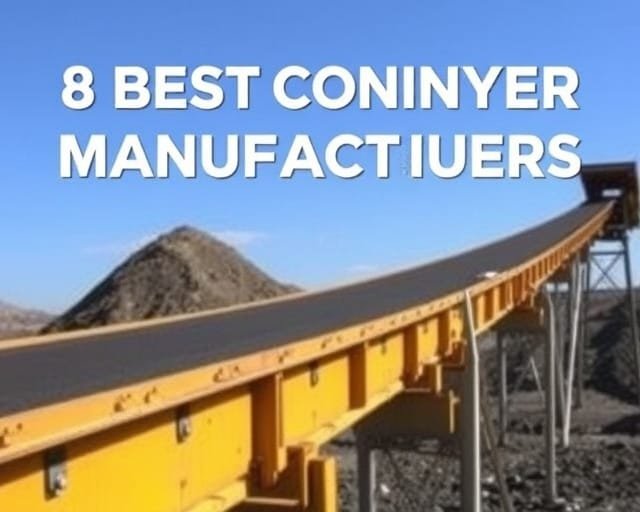
In most professional situations, identifying the premier Mining conveyor belt manufacturers requires evaluating their rubber compounding chemistry, their steel cord carcass engineering, and their splice durability testing. In this uncompromising guide, we will cut through the marketing noise, rank the 8 absolute best manufacturers dominating the global industry, and provide hard, commercial judgment on exactly what specifications you must demand before signing a massive procurement contract.
Quick Answer: The Top 8 Global Manufacturers
If you are actively sourcing belting for a massive extraction operation and need to identify the absolute best Mining conveyor belt manufacturers, here is the definitive tier list:
- ContiTech (Continental): The undisputed global heavyweight. Unrivaled for ultra-high-tension steel cord belts used in massive overland conveying.
- Fenner Dunlop: The premier choice for underground mining, specifically dominating the market in fire-resistant, anti-static (FRAS) solid woven belts.
- Bridgestone: Legendary Japanese engineering. Best known for their extreme abrasion-resistant cover compounds in hard rock mining.
- Sempertrans: A highly versatile European manufacturer excelling in energy-optimized belts designed to reduce power consumption on long hauls.
- Phoenix Conveyor Belt Systems: (Now under ContiTech) Holding records for some of the strongest and heaviest belts ever produced globally.
- Yokohama: Exceptional quality control, specifically dominating in high-temperature applications where hot clinker or sintered ore destroys standard rubber.
- Bando: Highly reliable EP (Polyester/Nylon) fabric belts, ideal for mid-tier processing plants and aggregate quarries.
- Smiley Monroe: The agile innovator. Known as the king of “endless” belts used by mobile crushing and screening equipment manufacturers.
We recommend ContiTech or Fenner Dunlop for massive, high-capital open-pit or underground operations. For mobile crushing equipment, Smiley Monroe is the optimal partner.
Table of Contents
- What Defines a Mining-Grade Conveyor Belt?
- How It Works: Tension and Carcass Design
- The 8 Best Manufacturers Detailed
- Commercial Benefits of Premium Belts
- Limitations and Hard Truths
- Who Should Use Tier-One Belting
- Who Does Not Need It
- Common Procurement Mistakes (Tramp Metal)
- Expert Buying Considerations
- Summary and Comparison Tables
- Expert Recommendation: Oromineral Protection
- Frequently Asked Questions (FAQ)
What Defines a Mining-Grade Conveyor Belt?
A true mining-grade conveyor belt is a highly engineered composite structure, not just a slab of rubber. It consists of two primary elements: the carcass and the cover. The carcass is the internal skeleton responsible for handling the tensile forces of the drive pulleys. For heavy-duty applications, the carcass is constructed from high-tensile steel cords. For lighter applications, it utilizes EP fabric (a polyester warp and a nylon weft).
The cover is the specialized rubber compound that protects the carcass. In the mining industry, covers are chemically engineered for specific threats. A standard belt will dissolve if exposed to oily coal or shatter if subjected to -40°C arctic temperatures. Premium manufacturers formulate covers to achieve DIN W (extreme high wear), DIN Y (standard wear), or MSHA-approved flame retardance for underground operations.
How It Works: Tension and Carcass Design
A conveyor belt operates in a loop of immense mechanical stress. The head pulley (connected to the motor) violently pulls the belt, creating high tension, while troughing idlers force the belt into a “U” shape to cradle the ore. When 500-pound boulders of granite drop onto the belt from a primary jaw crusher, the rubber cover must absorb the kinetic impact, while the steel cord or fabric carcass prevents the belt from snapping.
In our testing, the failure point of any conveyor system is rarely the center of the belt; it is the splice. Top-tier manufacturers engineer their belts specifically to accommodate vulcanized splicing—a process where the ends of the belt are chemically and thermally bonded together under massive pressure, achieving up to 95% of the original belt’s tensile strength.
The 8 Best Manufacturers Detailed
To assist your procurement team, here is a detailed breakdown of the premier manufacturers operating globally.
1. ContiTech (Continental)
Continental is a behemoth in the industrial rubber sector. Their ST (Steel Cord) belts are the industry standard for overland conveyors stretching for miles. They are pioneers in integrating sensor technology (like rip detection loops) directly into the carcass.
2. Fenner Dunlop
If you operate an underground coal mine, you buy Fenner Dunlop. Their solid woven, fire-resistant, and anti-static (FRAS) belts are legendary. They own their entire manufacturing process from weaving the fabric to mixing the polymer, ensuring absolute quality control.
3. Bridgestone
Leveraging their tire manufacturing pedigree, Bridgestone produces some of the most cut-and-gouge-resistant rubber covers on earth. When dealing with primary crushed hard rock that acts like razor blades, Bridgestone belts consistently outlast budget alternatives.
4. Sempertrans
A division of the Semperit Group, this European manufacturer leads the industry in energy-efficient belting. By engineering a specialized bottom cover that drastically reduces rolling resistance over the idlers, Sempertrans belts can save massive open-pit operations millions in electricity costs.
5. Phoenix Conveyor Belt Systems
Phoenix built its reputation on extreme engineering, including creating the world’s strongest conveyor belt. While integrated into Continental, the Phoenix brand remains synonymous with conquering impossible geographic challenges, such as elevating ore out of ultra-deep copper pits.
6. Yokohama
Another Japanese giant, Yokohama excels in highly specialized niche applications. If your mineral processing techniques and equipment involve transporting scorching hot materials straight out of a kiln or dryer, Yokohama’s heat-resistant belts are unmatched.
7. Bando
Bando is highly respected for its EP multi-ply fabric belts. They offer exceptional value for mid-sized aggregate quarries, cement plants, and secondary crushing circuits where massive steel cord belts are an unnecessary capital expenditure.
8. Smiley Monroe
Based in Northern Ireland, Smiley Monroe does not build 20-mile overland belts. Instead, they completely dominate the mobile equipment sector. If you purchase a tracked mobile crusher or screener from the top mining equipment manufacturers global list, it is almost certainly equipped with a Smiley Monroe “endless” belt.
Commercial Benefits of Premium Belts
The primary benefit of sourcing from these top manufacturers is maximizing your Return on Investment (ROI) through longevity. A premium Bridgestone or ContiTech belt might cost 40% more upfront than a generic import, but it will last five times as long. This drastically reduces the labor costs associated with belt replacement and minimizes catastrophic plant shutdowns.
Limitations and Hard Truths
We must present practical commercial judgment: premium belts are a massive Capital Expenditure (CapEx). Furthermore, a premium belt cannot survive a poorly designed conveyor structure. If your pulleys are misaligned, your tail pulley lacks a proper rock guard, or your impact beds are destroyed, you will shred a $200,000 ContiTech belt just as quickly as a cheap generic one.
Who Should Use Tier-One Belting
For commercial users and heavy-duty applications: Massive open-pit copper mines, underground coal operations, high-capacity port loading facilities, and major aggregate producers must buy exclusively from tier-one manufacturers. The financial risk of catastrophic belt failure is too immense to compromise on quality.
Who Does Not Need It
For beginners and small-scale operations: If you are operating a tiny artisanal gold processing equipment setup, or a batch-process sand washing plant moving less than 50 tons per hour, investing in extreme steel-cord belting is a waste of capital. A standard, high-quality EP fabric belt will perfectly service your needs. (Review our sand washing plant working principle guide for optimal layout planning).
Common Mistakes: The Tramp Metal Threat
No matter how thick the rubber cover is, tramp metal will destroy it. To safeguard your massive investment in conveyor belting, you must install suspension magnets or magnetic head pulleys to extract ferrous debris before it reaches the transfer points. If you are unsure of the technology, review our detailed breakdown on the magnetic separator machine working principle.
Expert Buying Considerations
When issuing a Request for Quotation (RFQ) to these manufacturers, you must specify the exact working tension (PIW or N/mm), the minimum pulley diameters in your system, and the chemical nature of the ore. Never buy a belt off the shelf. If you are washing silica sand (highly abrasive), you need a DIN W cover. Refer to our sand washing methods guide to understand how wet, abrasive slurry affects belt wear.
Summary and Comparison Tables
Quick Summary Table: Top 8 Belt Manufacturers
| Manufacturer | Primary Specialty | Best Use Case |
|---|---|---|
| ContiTech | Steel Cord & Sensor Integration | Massive overland conveying systems. |
| Fenner Dunlop | Solid Woven FRAS | Underground coal and highly explosive environments. |
| Bridgestone | Extreme Abrasion Resistance | Primary crushed hard rock (granite, iron ore). |
| Sempertrans | Energy-Optimized Belting | Operations seeking to lower electricity OPEX. |
| Phoenix | Ultra-High Tension | Deep pit incline conveying. |
| Yokohama | Heat Resistant Covers | Cement kilns, foundries, and hot sintered ore. |
| Bando | High-Quality Fabric (EP) | Mid-tier aggregate and general purpose mining. |
| Smiley Monroe | Mobile Equipment Belting | Tracked crushers, screeners, and stackers. |
Comparison Table: Steel Cord vs. EP Fabric Carcass
| Feature | Steel Cord Carcass (ST) | Fabric Carcass (EP – Polyester/Nylon) |
|---|---|---|
| Tensile Strength | Extreme (Up to ST 10,000) | Moderate to High (Up to EP 3150) |
| Elongation (Stretch) | Very Low (Excellent for long distances) | Moderate (Requires longer take-up systems) |
| Splice Method | Strictly Vulcanized | Vulcanized or Mechanical Fasteners |
| Cost | High Capital Expenditure | Highly Cost-Effective |
Pros and Cons of Buying from Tier-One Manufacturers
| Pros (Advantages) | Cons (Limitations) |
|---|---|
| Guaranteed compound chemistry and verified lab testing. | Significantly higher upfront purchase price. |
| Global network of certified splicing technicians. | Long lead times for custom manufactured runs. |
| Access to advanced tech (rip detection, RFID tracking). | Overkill for very small or short-term quarry operations. |
| Massive reduction in unplanned operational downtime. | Requires excellent structural maintenance to protect the investment. |
Expert Recommendation: Protect Your Investment with Oromineral
In most professional situations, spending $150,000 on a premium Fenner Dunlop or ContiTech belt is a wise investment, but leaving that belt completely unprotected against rogue tramp iron is operational negligence. If you are upgrading your conveying infrastructure, you must simultaneously upgrade your magnetic separation.

1.1kw Belt Magnetic Separator
At Oromineral, we manufacture the exact equipment required to protect your massive belting investments. Suspended directly over your conveyor, this cross-belt separator generates a massive magnetic field, ripping drill bits, excavator teeth, and rogue rebar out of the ore stream before they can pierce your belt and cause catastrophic longitudinal ripping.
- Power Rating: 1.1kw drive motor for continuous self-cleaning operation.
- Certification: Rigorously ISO9001 certified for heavy industrial mining environments.
- Supply Ability: 50 sets per month, ensuring rapid deployment for massive plant upgrades.
- Logistics: Fast delivery within 25 days after downpayment via standard exporting packages.
For operations sorting non-ferrous materials, you must also evaluate advanced eddy current technology. Review our guide on the eddy current separator cost to ensure your entire material handling circuit is protected and optimized.
Frequently Asked Questions (FAQ)
How often should a mining conveyor belt be replaced?
There is no universal timeline. A belt hauling highly abrasive granite may require replacement every 2 to 3 years, while a belt carrying soft coal could last over 10 years. Replacement is dictated by routine ultrasonic thickness testing of the rubber cover. Once the cover wears down to the carcass, or if the vulcanized splices show signs of delamination, the belt must be replaced immediately to prevent a catastrophic snap.
What is the difference between a mechanical splice and a vulcanized splice?
A mechanical splice uses heavy-duty metal hinges and pins (like alligator clips) hammered into the belt ends. It is fast, cheap, and used primarily for emergency repairs or on low-tension belts. A vulcanized splice uses heat, pressure, and raw rubber to chemically bond the two ends of the belt together, creating a seamless joint. Vulcanization is mandatory for high-tension steel cord belts and heavy-duty mining applications.
Why do some conveyor belts catch fire?
Belt fires are typically caused by friction. If a belt slips on a spinning drive pulley, or if a seized idler roller creates constant friction against the moving rubber, extreme heat is generated. If the belt lacks fire-retardant chemical compounds (FRAS), the rubber will ignite. This is why underground mining operations are legally required to utilize heavily regulated, fire-resistant belting.
Authoritative Industry References
To ensure our operational guidance aligns with global safety and engineering standards, we reference the following authorities:
- National Institute for Occupational Safety and Health (NIOSH): Providing critical research and safety guidelines regarding combustible dust hazards and the requirement for fire-resistant conveyor belting in underground mines. Visit NIOSH Mining
- International Organization for Standardization (ISO): Defining the ISO 14890 standard, which specifies the rigorous physical and mechanical requirements for rubber and plastics covered conveyor belts used in heavy industry. Visit ISO
- Society for Mining, Metallurgy & Exploration (SME): The premier professional society disseminating peer-reviewed engineering practices for bulk material handling, comminution, and mineral processing circuit design. Visit SME