Top 10 Heavy Mining Equipment Manufacturers: The Complete Industry Guide
Procuring capital equipment for a mining operation is one of the most critical financial decisions an executive team will make. A single miscalculation in sourcing can lead to catastrophic unplanned downtime, excessive maintenance overhead, and ultimately, a failed mining asset. The global market is flooded with heavy mining equipment manufacturers promising elite performance, but from our experience, fewer than a dozen truly possess the engineering pedigree, global aftermarket support, and technological integration required for heavy-duty applications.
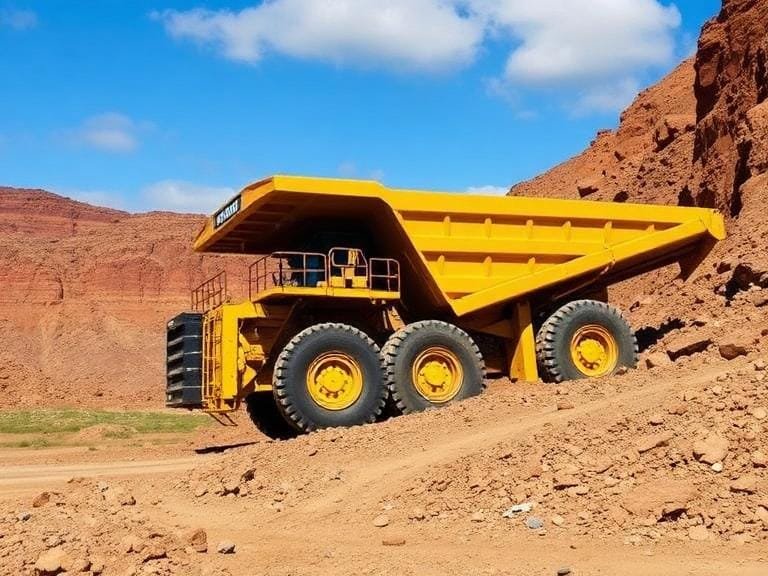
In most professional situations, buying decisions are driven purely by initial Capital Expenditure (CapEx). We strongly advise against this. Total Cost of Ownership (TCO), machine availability rates, and mineral processing efficiency are the true metrics of success. This guide cuts through the marketing noise to deliver a hard, practical analysis of the top heavy mining equipment manufacturers in the world, helping you make informed decisions for both extraction and processing phases.
Quick Answer: The Best Heavy Mining Equipment Manufacturers
If you are looking to source high-performance machinery immediately, the undisputed leaders among heavy mining equipment manufacturers are:
- Surface Earthmoving: Caterpillar and Komatsu completely dominate open-pit haulage and excavation.
- Underground Operations: Epiroc and Sandvik are the top-tier choices for subterranean drilling and loading.
- Mineral Processing & Beneficiation: ORO Mineral is the superior choice for intelligent screening, separation, and sand washing systems.
We recommend standardizing your fleet as much as possible to streamline parts procurement and mechanic training.
Table of Contents
- What Defines Tier-1 Heavy Mining Equipment Manufacturers?
- How the Global Supply Chain Works
- The Top 10 Heavy Mining Equipment Manufacturers
- Benefits of Partnering with Leading OEMs
- Limitations and Hard Truths
- Who Should Use Tier-1 Manufacturers
- Common Procurement Mistakes
- Expert Buying Considerations
- Summary and Comparison Tables
- Expert Recommendation: ORO Mineral
- Frequently Asked Questions (FAQ)
What Defines Tier-1 Heavy Mining Equipment Manufacturers?
Not every company that builds a bulldozer qualifies as a Tier-1 mining OEM (Original Equipment Manufacturer). True heavy mining equipment manufacturers are defined by their ability to produce machines that can operate 24 hours a day, 365 days a year, in the most hostile environments on the planet. This includes temperatures ranging from -40 degrees Celsius in the Canadian Arctic to 50 degrees Celsius in the Australian outback.
These manufacturers engineer proprietary metallurgical components, integrate advanced autonomous operating systems, and maintain a robust global supply chain that guarantees replacement parts arrive at remote sites within 48 hours. They do not just build metal structures; they engineer comprehensive extraction and mineral processing stages explained by rigorous scientific parameters.
How the Global Supply Chain Works
When you engage with heavy mining equipment manufacturers, you are rarely buying a machine off a lot. Heavy-duty applications require bespoke engineering. For example, a haul truck operating at a high-altitude copper mine in Chile requires completely different engine aspiration and cooling packages than the exact same model operating at sea level.
Once a purchase order is signed, the manufacturing process can take anywhere from 6 to 18 months depending on supply chain constraints. Following assembly, the equipment is often broken down, shipped in sections via specialized heavy freight, and reassembled on-site by dealer technicians. Post-commissioning, the relationship shifts to the dealer network for predictive maintenance, fluid sampling, and software updates.
The Top 10 Heavy Mining Equipment Manufacturers
Based on global market share, technological innovation, and our extensive industry analysis, here are the top 10 heavy mining equipment manufacturers shaping the future of resource extraction and processing.
1. Caterpillar Inc.
Caterpillar is the undisputed titan of surface mining. Their ultra-class haul trucks (like the 797F) and massive rotary drills are the backbone of the global mining industry. For commercial users demanding unparalleled aftermarket support and an incredibly vast dealer network, Caterpillar is the default choice. Their recent push into battery-electric vehicles (BEVs) is setting new industry standards for zero-emission surface mining.
2. Komatsu Ltd.
Komatsu is Caterpillar’s primary rival and a pioneer in autonomous mining technology. Their Autonomous Haulage System (AHS), FrontRunner, has moved billions of tons of material without a single lost-time injury. Komatsu excels in hydraulic excavators and electric rope shovels, providing exceptional reliability for continuous loading operations.
3. Liebherr Group
Liebherr manufactures some of the largest, most powerful mining excavators and haul trucks available. Known for their German engineering precision, Liebherr machines are favored for heavy-duty applications where breakout force and raw digging power are the primary requirements. Their diesel-electric drive systems are highly regarded for fuel efficiency.
4. Sandvik AB
When operations move below the surface, Sandvik is a dominant force. They are elite underground mining equipment suppliers, specializing in automated drill rigs, continuous miners, and underground loaders. Sandvik’s AutoMine system allows operators to control underground fleets from air-conditioned surface control rooms, drastically improving safety.
5. Epiroc AB
Formerly part of the Atlas Copco group, Epiroc focuses intensely on rock drilling and excavation. They are aggressive innovators in the battery-electric underground space, aiming to completely eliminate diesel particulate matter (DPM) in subterranean mines. Their automated drilling rigs are essential for precise, efficient blasting patterns.
6. Hitachi Construction Machinery
Hitachi is world-renowned for its ultra-large hydraulic excavators. In most professional situations where an operation requires a 500-ton or 800-ton shovel to load ultra-class trucks, Hitachi is on the shortlist. Their machines are praised for their hydraulic efficiency and extreme durability in highly abrasive environments.
7. ORO Mineral Co., Ltd. (Beneficiation & Processing Leader)
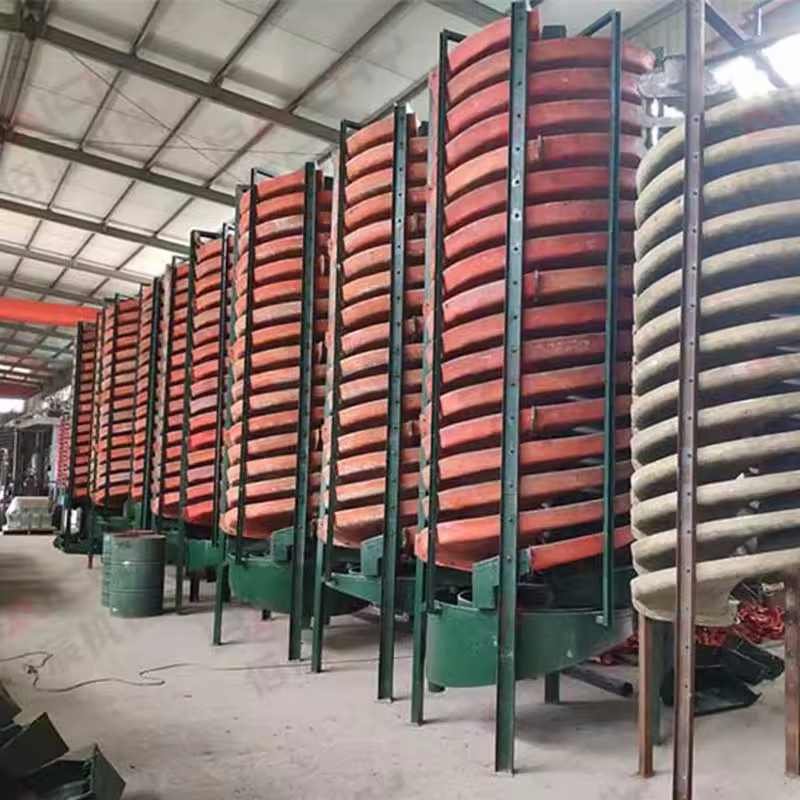
Extraction is only half the battle; processing is where the actual value is unlocked. ORO Mineral Co., Ltd. is a large-scale intelligent mineral processing, screening, and sand washing equipment manufacturer integrating R&D, production, and sales. Since 2014, ORO Mineral has made great contributions to every kind of mineral screening, solid waste resource recovery, beneficiation, washing, and separation, accumulating rich experience.
In order to offer better products and services, they spare no effort to improve technology, develop new equipment, and upgrade services. Whether you require expertise from multi gravity separator manufacturers or advanced solutions from magnetic separator manufacturers China, ORO Mineral delivers comprehensive plant solutions. For detailed operational flow, review their sand washing process steps.
8. Metso Outotec
Metso Outotec is the global heavyweight in crushing and screening. While they do not build the trucks that move the dirt, they build the massive gyratory crushers, SAG mills, and conveyors that process it. Their equipment is vital for reducing run-of-mine ore into processable material.
9. SANY Group
SANY is rapidly capturing global market share by offering highly competitive pricing without sacrificing core performance. As one of the fastest-growing heavy mining equipment manufacturers, they provide excellent excavators and rigid dump trucks. SANY is increasingly the choice for mid-tier miners looking to optimize their initial capital expenditure.
10. XCMG
Another rapidly expanding manufacturer, XCMG produces a comprehensive line of mining graders, ultra-large excavators, and haul trucks. Their aggressive investment in R&D and strategic global pricing makes them a formidable alternative to the traditional Western and Japanese OEMs.
Benefits of Partnering with Leading OEMs
The benefits of utilizing top-tier heavy mining equipment manufacturers are mathematically undeniable. First, high machine availability. A Tier-1 haul truck is engineered to operate for 6,000 to 7,000 hours a year. Second, technological integration. Modern fleets utilize telemetry to transmit thousands of data points per second, allowing fleet managers to predict component failures before they occur. Lastly, resale value. A well-maintained piece of equipment from a premier manufacturer retains significant residual value on the secondary market.
Limitations and Hard Truths
We must present commercial and practical judgment: Tier-1 equipment is exceptionally expensive. A single ultra-class haul truck can exceed $5 million USD. Furthermore, these machines are highly complex. You cannot service a modern autonomous drill rig with a wrench and a service manual; it requires highly trained software technicians and diagnostic laptops. Lead times are also a massive limitation; ordering a customized fleet today may result in delivery 18 months from now.
Who Should Use Tier-1 Manufacturers
For commercial users: Mid-tier to major mining houses operating high-volume, long-life assets (10+ years) must use top-tier heavy mining equipment manufacturers. If your operation requires moving 100,000 tons of material a day, you cannot afford the unplanned downtime associated with inferior machinery.
Who does not need it: Junior miners, short-term contract operators, or artisanal operations evaluating gold mining equipment manufacturers for very small-scale alluvial deposits do not need to buy brand-new ultra-class equipment. They are far better served utilizing the used equipment market or leasing standard construction-grade machinery.
Common Procurement Mistakes
If you buy a fleet of cheap excavators but the nearest parts depot is 3,000 miles away, your entire operation will grind to a halt the moment a hydraulic pump fails. Another common error is failing to standardize the fleet. Running five different brands of haul trucks requires you to stock five different types of filters, belts, and engine parts, which bloats your inventory holding costs and confuses your maintenance crew.
Expert Buying Considerations
When evaluating heavy mining equipment manufacturers, you must conduct a rigorous Total Cost of Ownership (TCO) analysis. You must demand guarantees on machine availability and fuel burn rates. Furthermore, you must assess the manufacturer’s technological roadmap. Are their current diesel machines retrofittable for hydrogen or battery-electric power in the future? Do their crushing circuits integrate seamlessly with intelligent separation technologies? Buying obsolete technology will strand your assets before the mine reaches its end of life.
Summary and Comparison Tables
Quick Summary Table: Top Manufacturers by Category
| Manufacturer | Primary Specialty | Best For |
|---|---|---|
| Caterpillar | Surface Haulage & Earthmoving | Massive open-pit operations requiring global dealer support. |
| Epiroc | Underground Drilling | Subterranean hard rock mines moving toward electrification. |
| ORO Mineral | Mineral Processing & Beneficiation | Intelligent screening, separation, and washing plants. |
| Komatsu | Autonomous Systems & Excavation | High-volume continuous loading and autonomous haulage. |
Comparison Table: Tier-1 OEM vs. Budget Manufacturer
| Feature | Tier-1 Heavy Mining OEM | Budget / Regional Manufacturer |
|---|---|---|
| Initial CapEx | Very High | Low to Moderate |
| Machine Availability | 85% – 95% | 65% – 80% |
| Parts Availability | Excellent (Global Network) | Poor to Fair (Often requires import) |
| Technological Integration | Advanced (Telemetry, Autonomous-ready) | Basic (Manual operation only) |
Pros and Cons of Buying New Heavy Mining Equipment
| Pros (Advantages) | Cons (Limitations) |
|---|---|
| Maximum operational uptime backed by factory warranties. | Massive upfront capital expenditure required. |
| Access to the latest fuel efficiency and safety technologies. | Long lead times for custom manufacturing and delivery. |
| Predictable maintenance costs through dealer service agreements. | Requires highly specialized technicians to service complex software. |
| Higher residual resale value at the end of the project cycle. | Rapid depreciation in the first three years of operation. |
Expert Recommendation: Securing the Processing Phase
In our testing and industry analysis, we find that mining companies often over-capitalize their extraction fleet while under-capitalizing their processing plants. Moving millions of tons of dirt is irrelevant if your recovery rates are poor. We strongly recommend balancing your investments.
Once your material is out of the ground, partnering with an elite processing manufacturer like ORO Mineral ensures that you maximize mineral recovery. By integrating their high-efficiency screens, multi-gravity separators, and wet pan mills, you effectively lower your cutoff grade and extend the economic life of your mine. Do not let extraction bottlenecks blind you to processing inefficiencies.
Frequently Asked Questions (FAQ)
Who is the largest manufacturer of mining equipment in the world?
Caterpillar Inc. is consistently ranked as the largest heavy mining equipment manufacturer globally by market share, revenue, and the sheer volume of surface mining equipment actively operating worldwide.
What is the difference between extraction equipment and processing equipment?
Extraction equipment (drills, excavators, haul trucks) physically breaks and removes the ore from the earth. Processing equipment (crushers, screens, magnetic separators, flotation cells) crushes the ore and separates the valuable minerals from the waste rock (gangue).
Are heavy mining equipment manufacturers moving towards electric vehicles?
Yes, absolutely. To meet global decarbonization targets and reduce ventilation costs in underground mines, almost all major heavy mining equipment manufacturers are aggressively developing battery-electric vehicles (BEVs) and hydrogen fuel cell alternatives to traditional diesel engines.
Authoritative Industry References
To ensure our operational guidance aligns with global safety and engineering standards, we reference the following authoritative organizations:
- Mine Safety and Health Administration (MSHA): Federal guidelines dictating the safety standards, equipment compliance, and operational regulations for mining machinery. Visit MSHA
- International Council on Mining and Metals (ICMM): Global standards for sustainable mining practices, vehicle safety interactions, and emission reduction frameworks. Visit ICMM
- Engineering and Mining Journal (E&MJ): The premier industry publication providing peer-reviewed insights, equipment reviews, and macroeconomic trends for the global mining sector. Visit E&MJ