8 Best Gold Prospecting Equipments Canada: The 2026 Commercial Guide
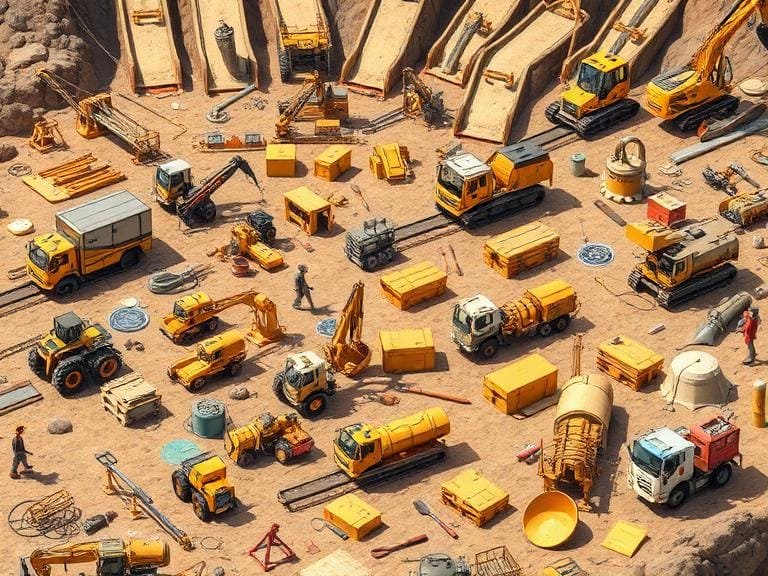
Operating a placer mine in the Canadian wilderness is an unforgiving endeavor. The Yukon, British Columbia, and Northern Ontario present freezing water temperatures, heavily compacted glacial till, and remote access claims that punish inferior hardware. When you are moving hundreds of yards of paydirt per day, relying on hobbyist-grade sluices or cheap plastic components is a direct path to financial ruin and catastrophic downtime.
From our experience engineering and supplying mineral processing infrastructure at Oromineral, the gap between recreational panning and commercial extraction lies entirely in the quality of your processing plant. You must capture ultra-fine flour gold before it washes back into the creek, and you must efficiently separate heavy black sands without bottlenecking your primary wash plant. In this uncompromising guide, we will evaluate the 8 best gold prospecting equipments canada has to offer, dissecting the exact mechanics of heavy mineral concentration and dictating which setups are actually worth your commercial investment.
Quick Answer: The Best Gold Prospecting Equipments for Canada
In most professional situations, the absolute best gold prospecting equipments for Canadian placer operations combine high-volume primary washing with precision secondary recovery. We recommend utilizing robust Trommels or heavy-duty Highbankers for your primary classification. Once you have isolated your heavy concentrates (black sands and gold), you must process them through commercial-grade secondary equipment. The Oromineral 6-S Shaking Table is the undisputed champion for fine gold recovery, while our JF Series Super-conducting Magnetic Separator flawlessly extracts magnetic black sands without trapping micron gold. Do not attempt to process hundreds of pounds of concentrates by hand; invest in mechanized secondary recovery to maximize your profit yield per cubic yard.
Table of Contents
- What It Is: The Mechanics of Placer Mining
- How Gravity and Magnetic Separation Works
- The Top 8 Gold Prospecting Equipments Canada
- Quick Summary Table
- Commercial Benefits of Upgrading
- Limitations and Hidden Bottlenecks
- Comparison Table: Hobby vs Commercial
- Who Should Use High-End Equipments
- Who Does Not Need Mechanization
- Common Mistakes in the Klondike
- Crucial Buying Considerations
- Pros and Cons Table
- Expert Recommendation from Oromineral
- Frequently Asked Questions (FAQ)
What It Is: The Mechanics of Placer Mining
Gold prospecting equipments are specialized mechanical and gravitational devices designed to separate precious metals from worthless host rock (gangue) and heavy mineral sands. Unlike the complex magnesium extraction process guide which requires intense thermal or chemical reactions, or the hazardous copper leaching process, placer gold extraction relies almost entirely on specific gravity. Gold is extraordinarily heavy (specific gravity of 19.3), making it significantly denser than the quartz, gravel, and even the heavy iron sands (magnetite) it hides within.
How Gravity and Magnetic Separation Works
The operational workflow of commercial gold prospecting equipments is strictly phased. Phase one is Classification. You must wash the raw paydirt and screen out the large, worthless cobble using grizzlies or trommel screens. Phase two is Primary Recovery, where the classified slurry runs through a sluice box lined with riffles and miner’s moss. The heavy gold drops out of the slurry flow and gets trapped in the vortexes created by the riffles.
Phase three is Secondary Clean-up. This is where most Canadian miners lose their profit. The sluice box produces “concentrates”—a mix of gold and heavy black sand. To separate the gold from the black sand, you must utilize advanced vibration and magnetism. For a deep understanding of these principles, reviewing a comprehensive mineral processing books list is highly advised for any serious operator.
The Top 8 Gold Prospecting Equipments Canada
1. Industrial Trommel Wash Plants
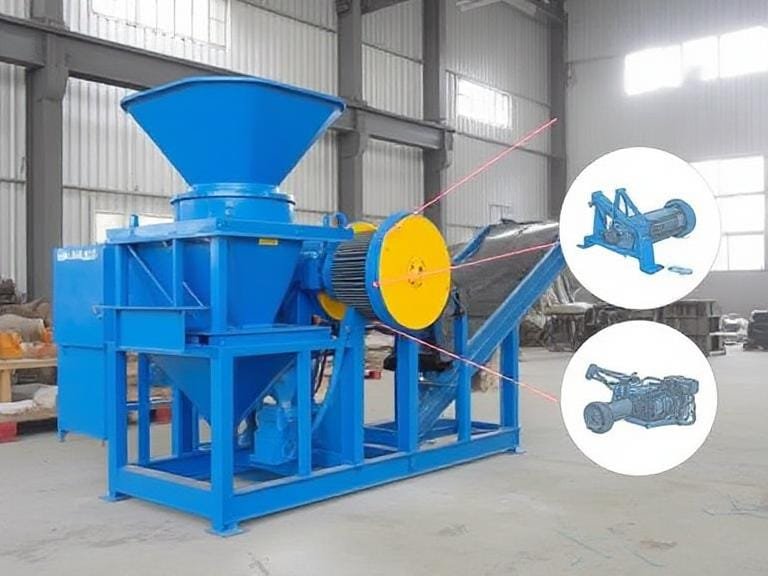
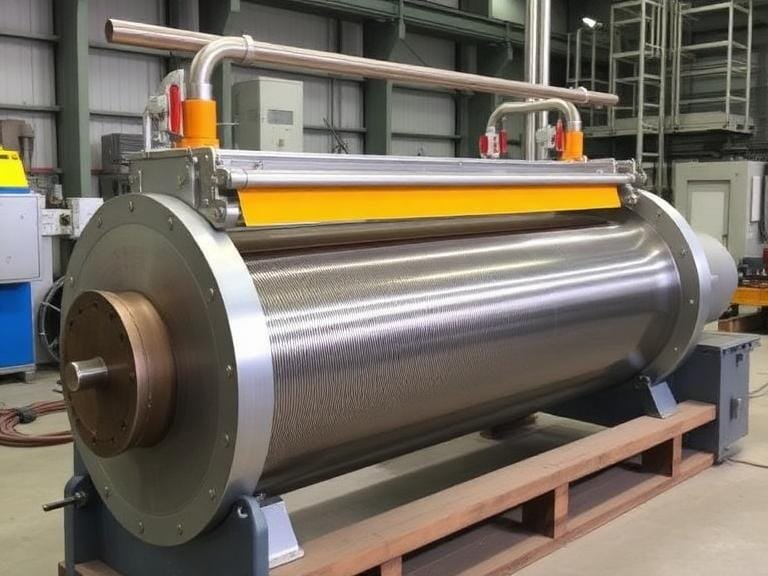
For heavy-duty applications moving 50 to 200 yards of dirt per hour, a trommel is mandatory. A rotating drum acts as a massive washing machine, breaking apart the dense clay common in the Cariboo and Klondike regions, allowing the freed gold to drop through the sizing screens into the sluice runs.
2. High-Capacity Sluice Boxes
A sluice box is the beating heart of placer mining. Commercial units utilize varying riffle profiles (Hungarian, expanded metal, and V-matting) to create specific hydraulic drop zones. In Canada’s fast-moving, freezing rivers, wide and long aluminum sluices provide the necessary capture area for fine flake gold.
3. Highbankers (Power Sluices)
For operations that cannot bring heavy machinery down to the riverbank, a highbanker utilizes a water pump to push water up to the processing unit. This allows operators to process ancient, dry riverbeds high above the current water line.

4. Oromineral 6-S Shaking Table
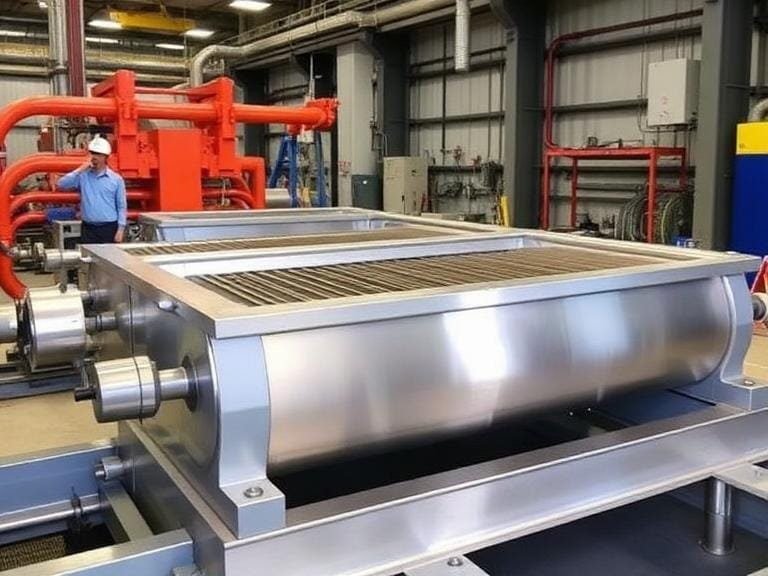
One of the key pieces of gravity concentration equipment is the 6-S shaking table. It is used extensively for more than just isolating rare metals like niobium, tantalum, tungsten, and others. The separation of gold, silver, columbium, titanium, barium, iron, chrome, manganese, zircon, lead, zinc, mercury, copper, aluminum, etc. is another common application for it. The effective recycling granularity scope of a shaking table is 2-0.22 millimeters. In our testing, this is the most critical piece of equipment for commercial secondary clean-up, allowing a single operator to process hundreds of pounds of concentrates daily with near-perfect recovery of micron-sized gold.
5. Centrifugal Concentrators
Using enhanced gravitational forces (often up to 60 Gs), water-fluidized centrifugal concentrators capture ultra-fine flour gold that would wash right out of a traditional sluice box. When evaluating multi gravity separator manufacturers, ensure the unit offers automated discharge cycles to minimize manual intervention.
6. Pulse Induction (PI) Metal Detectors
For sniping nuggets in highly mineralized Canadian bedrock, standard VLF (Very Low Frequency) detectors will produce relentless false signals due to the iron content. PI detectors punch through the hot rocks and black sands, allowing you to locate deep crevices holding coarse gold.
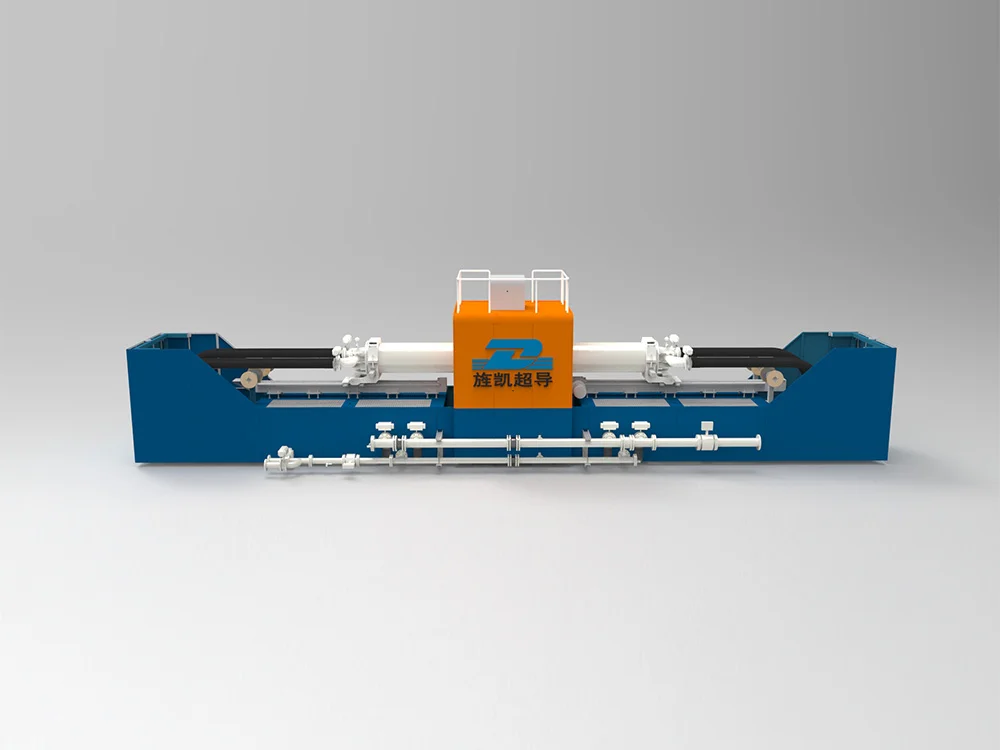
7. JF Series Low-temperature Super-conducting Magnetic Separator
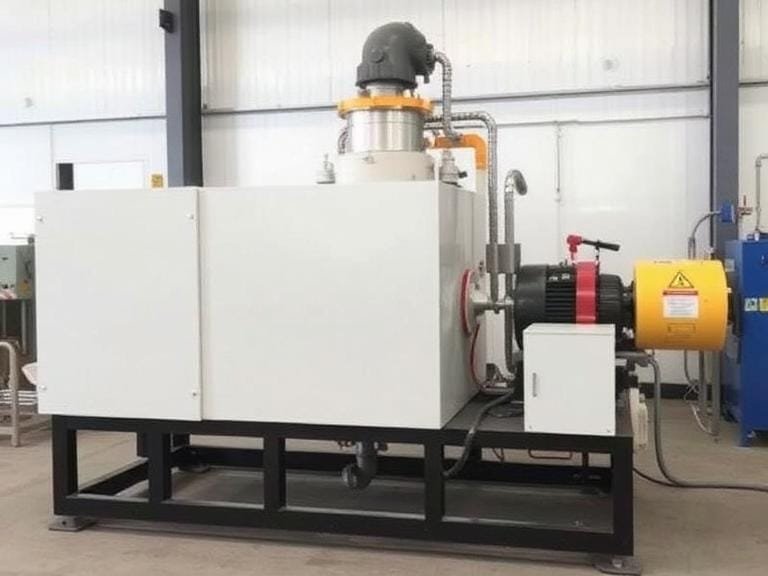
Once you have concentrated your paydirt, the final hurdle is magnetite and hematite. Utilizing magnetic separation applications in industry is non-negotiable for clean gold. This unit utilizes liquid helium to achieve a massive 0-50,000 Gauss background magnetic field. It flawlessly strips magnetic and weakly magnetic impurities from your concentrates without mechanically trapping fine gold. With a dry ore processing capacity of up to 16 T/h (Model JF-X-750), it is the ultimate final-stage cleaning solution.
8. Reverse Helix Trommels (Gold Wheels)
For fine gold recovery, gold wheels use a continuous flow of water against a spiraling helix. As the wheel turns, the heavy gold rides up the spirals to the center drop hole, while the lighter black sands wash over the edge. It is excellent for finishing small batches of classified concentrates.
| Equipment Type | Primary Function | Ideal Production Phase |
|---|---|---|
| Trommel Wash Plant | Heavy Clay/Gravel Washing | Primary Classification |
| High-Capacity Sluice | Bulk Paydirt Processing | Primary Recovery |
| Highbanker | Dry-Bank Excavation | Primary Recovery |
| 6-S Shaking Table | Fine Gold Separation | Secondary Clean-up |
| Centrifugal Concentrator | Flour Gold Capture | Primary/Secondary Recovery |
| PI Metal Detector | Bedrock Crevice Sniping | Exploration |
| Super-conducting Magnetic Separator | Black Sand Removal | Final Clean-up |
| Reverse Helix Trommel | Micro-batch Finishing | Final Clean-up |
Commercial Benefits of Upgrading
Procuring industrial-grade gold prospecting equipments directly impacts your bottom line. We frequently see operators losing up to 30% of their fine gold straight off the end of their sluice boxes because they refuse to upgrade their classification protocols. By implementing a 6-S Shaking Table and high-intensity magnetic separation, you transform a break-even claim into a highly profitable enterprise. The return on investment (ROI) on secondary clean-up equipment is often realized within the first 30 days of operation in the Klondike.
Limitations and Hidden Bottlenecks
We must use commercial judgment here: heavy equipment requires heavy logistics. Hauling a 10-ton trommel and a high intensity magnetic separation process unit into a remote fly-in camp in British Columbia is a massive logistical and financial hurdle. Furthermore, these machines require massive amounts of clean water to operate efficiently. If your claim suffers from seasonal droughts, centrifugal concentrators will pack with mud and fail to capture gold.
| Metric | Hobbyist/Recreational | Commercial/Industrial (Oromineral) |
|---|---|---|
| Processing Volume | 1 – 5 Yards per Day | 50 – 300+ Yards per Hour |
| Clean-up Method | Manual Gold Panning | Shaking Tables & Magnetic Separators |
| Build Material | ABS Plastic & Light Aluminum | A36 Carbon Steel & Hardox Wear Plates |
| Target Gold Size | Flakes and Nuggets | Micron-level Flour Gold to Nuggets |
Who Should Use High-End Equipments
For commercial users and syndicate operations: If you hold active placer leases in the Yukon or BC and employ heavy excavators to feed your plant, you absolutely must utilize commercial-grade gold prospecting equipments. Attempting to manage a commercial operation with recreational gear will result in catastrophic downtime. If you are also exploring hard rock deposits, ensure you consult with verified underground mining equipment suppliers for crushing and milling circuits.
Who Does Not Need Mechanization
For beginners and weekend panners: If you are simply panning a local creek on a public reserve for recreation, purchasing a massive shaking table is a severe misallocation of funds. Stick to a high-quality gold pan, a classification classifier (sieve), and a small portable sluice box. You do not need industrial mechanization until you have proven the viability of a registered claim.
Common Mistakes in the Klondike
The most devastating mistake we observe in Canadian operations is under-classification. If you feed 2-inch rocks directly into a sluice box tuned for fine gold, the massive rocks will create violent turbulence, blowing the fine gold out of the riffles and back into the river. You must classify your paydirt down to 1/2-inch or 1/4-inch before it ever hits your primary recovery system.
Another error is failing to properly isolate black sands. Understanding the methods to separate iron and steel from precious metals is critical. Amalgamating with mercury is highly toxic, illegal in most jurisdictions, and archaic. Modern magnetic separators execute this task flawlessly without chemical hazards.
Crucial Buying Considerations
| Consideration | What to Demand | Why It Matters in Canada |
|---|---|---|
| Material Grade | AR400/Hardox Steel in high-wear zones | Glacial till consists of dense, sharp rocks that will destroy mild steel trommel drums in a single season. |
| Water Flow Requirements | GPM matching your pump capacity | Running a highbanker without sufficient water pressure causes the riffles to pack with sand, halting gold recovery. |
| Secondary Recovery Efficiency | Mechanized vibration (Shaking Tables) | Manual panning of 500 lbs of black sand is impossible. Shaking tables automate the highest-value step of your operation. |
| Pros of Mechanized Clean-up (Tables/Magnets) | Cons of Mechanized Clean-up |
|---|---|
| Recovers ultra-fine gold (down to 200 mesh) that hand-panning misses. | Requires a stable power source (generators) in remote camps. |
| Processes hundreds of pounds of concentrates per hour continuously. | High initial capital expenditure. |
| Drastically reduces intense physical labor and operator fatigue. | Requires precise leveling and water-flow tuning to operate correctly. |
| Allows the operation to scale production linearly without hiring more panners. | Heavy machinery is difficult to transport to remote, off-road claims. |
Expert Recommendation from Oromineral
In most professional situations, the difference between a profitable mining season and filing for bankruptcy comes down to your secondary clean-up room. We strongly recommend that Canadian operators stop agonizing over primary wash plant volume and start focusing on concentrate processing efficiency.
At Oromineral, our engineering focuses strictly on maximum recovery yields. Incorporating the 6-S Shaking Table guarantees that your micron-sized gold is secured, while the JF Series Super-conducting Magnetic Separator handles the massive magnetite loads typical of British Columbia and the Yukon. Do not leave your finest gold in the tailings pile; invest in uncompromising extraction hardware.
Frequently Asked Questions (FAQ)
For fine gold recovery, the 6-S Shaking Table is unequivocally the industry standard for secondary clean-up. It utilizes a specific eccentric motion combined with a thin sheet of flowing water across a ribbed deck. This mechanical action separates ultra-fine, micron-sized gold particles from heavy black sands with a level of precision that manual panning simply cannot achieve.
Because black sand is primarily composed of magnetite and hematite, it possesses magnetic properties. The most efficient, high-volume commercial method is utilizing a high-intensity magnetic separator (like the JF Series). The separator aggressively pulls the magnetic sand out of the concentrate slurry, leaving the dense, non-magnetic gold behind without the need for toxic chemicals.
Generally, no. Dry washers operate by forcing air pressure through a fabric membrane, but they require the paydirt to be completely bone-dry to function. Due to Canada’s climate, the soil in the Yukon, BC, and Ontario is almost constantly wet, damp, or bound by permafrost. Wet soil will instantly clog a dry washer. Wet processing plants—such as trommels, sluices, and highbankers—are strictly required for Canadian placer mining.
Authoritative References & Industry Standards
To ensure your extraction methodologies align with safe, efficient, and legal standards, we advise reviewing the guidelines established by the following authoritative bodies:
- Natural Resources Canada (NRCan): The federal department providing comprehensive geological data, mapping, and regulations for sustainable mining and mineral extraction across Canadian territories. Access NRCan Geological Data
- Canadian Institute of Mining, Metallurgy and Petroleum (CIM): The leading technical society for professionals in the Canadian minerals, metals, materials, and energy industries, setting the standard for mineral processing best practices. Review CIM Industry Standards
- Society for Mining, Metallurgy & Exploration (SME): An international professional society providing peer-reviewed journals and technical literature on advanced gravity concentration and magnetic separation mechanics. Explore SME Processing Resources