The 7 Best Kaolin Processing Equipment Manufacturers in 2026
Let us confront a brutal reality in the industrial minerals sector: extracting and refining kaolin clay is an unforgiving process. The global demand for high-brightness, ultrafine kaolin—used extensively in premium paper coating, ceramics, fiberglass, and pharmaceutical formulations—has never been higher. Yet, we routinely see processing plants hemorrhaging capital because they attempt to process raw aluminosilicate rock using sub-standard, uncalibrated machinery. If your goal is to produce top-tier china clay with a brightness exceeding 90% and impurities below 1%, you cannot compromise on your flowsheet. You absolutely must partner with the most advanced Kaolin processing equipment manufacturers available on the market.
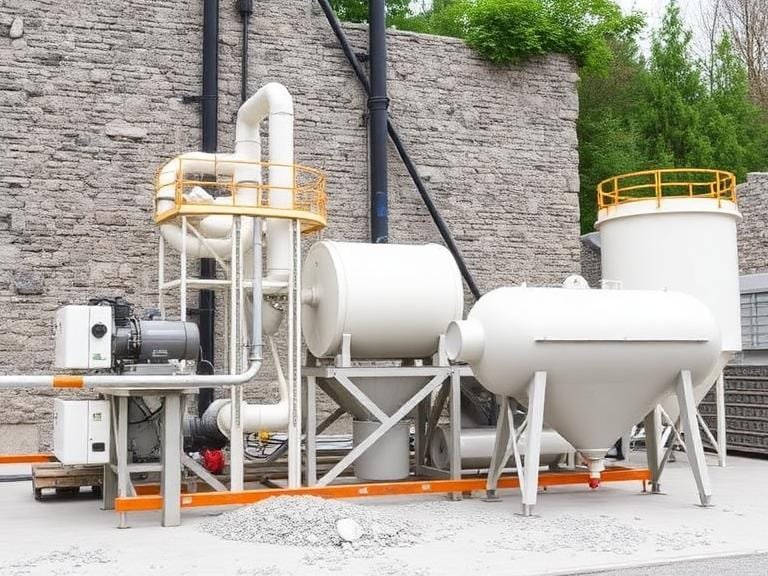
From our experience, raw kaolin ore is plagued by insidious impurities. Quartz, mica, and iron oxides are deeply embedded within the clay matrix. If your blungers, hydrocyclones, and magnetic separators fail to liberate and reject these contaminants, your final product will be rejected by downstream buyers. Processing kaolin is a surgical operation involving crushing, wet beneficiation, high-gradient magnetic separation, chemical bleaching, and precise thermal drying. It demands an interconnected symphony of heavy industrial hardware.
In this relentlessly practical, authoritative guide, ORO Mineral will tear down the procurement landscape. We will rank the 7 elite Kaolin processing equipment manufacturers dominating the sector in 2026. We will dissect their specific technological advantages, expose the critical engineering bottlenecks of clay beneficiation, and provide you with the exact intelligence required to build a highly profitable, modern mineral processing facility.
Table of Contents
Why Your Kaolin Flowsheet Engineering is Non-Negotiable
Before you issue a single purchase order, you must understand the metallurgical physics of kaolin clay. Kaolin particles are microscopic, often requiring classification down to 2 microns. Standard crushing and grinding equipment designed for hard rock mining will absolutely obliterate the delicate kaolin structure or turn the slurry into an unmanageable, viscous sludge.
Furthermore, achieving the coveted “high brightness” metric requires aggressive iron and titanium removal. While understanding the methods to separate iron and steel in heavy recycling is straightforward, pulling microscopic, weakly magnetic iron particles out of a dense kaolin slurry is an entirely different engineering challenge. It requires superconducting magnets and highly calibrated fluid dynamics. If your plant utilizes outdated thermal drying, you will bake the clay, permanently destroying its rheological properties.
We recommend approaching your plant design with extreme prejudice. Every stage—from the initial jaw crusher to the final flash dryer—must be sourced from specialists. Below, we review the heavyweights of the industry.
The 7 Best Kaolin Processing Equipment Manufacturers
Based on our rigorous analysis of global plant deployments, machine durability, and technological innovation, here are the undisputed leaders in kaolin processing infrastructure.
1. Hosokawa Micron
When it comes to the absolute final stages of kaolin refinement—specifically ultrafine milling and drying—Hosokawa Micron is untouchable. Raw kaolin typically arrives at the drying stage with a high moisture content. Hosokawa’s DMR flash mill dryer is an engineering masterpiece that performs drying, de-agglomeration, and classification in a single, continuous step.
We highly recommend Hosokawa for facilities producing kaolin for cosmetics or high-end pigments. Their fluid bed jet mills and highly specialized rotors (such as the MDH and MDV rotors) prevent the thermal degradation of heat-sensitive clays. If you want a dry, perfectly flowable powder with zero residual moisture clumps, Hosokawa is a mandatory consideration.
2. FLSmidth
FLSmidth is a titan in the global mining sector. While they are famous for massive cement kilns and complex hydrometallurgical circuits—such as those detailed in our copper leaching process guide—their expertise translates flawlessly to high-capacity kaolin processing. FLSmidth excels in the wet beneficiation stage, providing massive, highly efficient hydrocyclones and thickeners necessary to handle millions of tons of raw kaolin slurry.
From our experience, if you are building a greenfield mega-project, FLSmidth offers unmatched EPC (Engineering, Procurement, and Construction) capabilities, ensuring that your blunging, degritting, and dewatering circuits operate with flawless hydraulic synergy.
3. Eriez
As previously stated, iron oxide is the enemy of kaolin brightness. Eriez is arguably the most important name on this list when it comes to quality control. They are the global pioneers of the high intensity magnetic separation process.
Eriez manufactures Superconducting High Gradient Magnetic Separators (HGMS). These massive, cryogenically cooled machines generate immense magnetic fields that pull even the weakest, microscopic iron and titanium impurities out of the kaolin slurry. If you attempt to use standard rare-earth magnets, your clay will retain a yellowish tint and your product value will plummet. Partnering with Eriez for your magnetic separation circuit is absolutely non-negotiable for premium clay production.
4. FEECO International
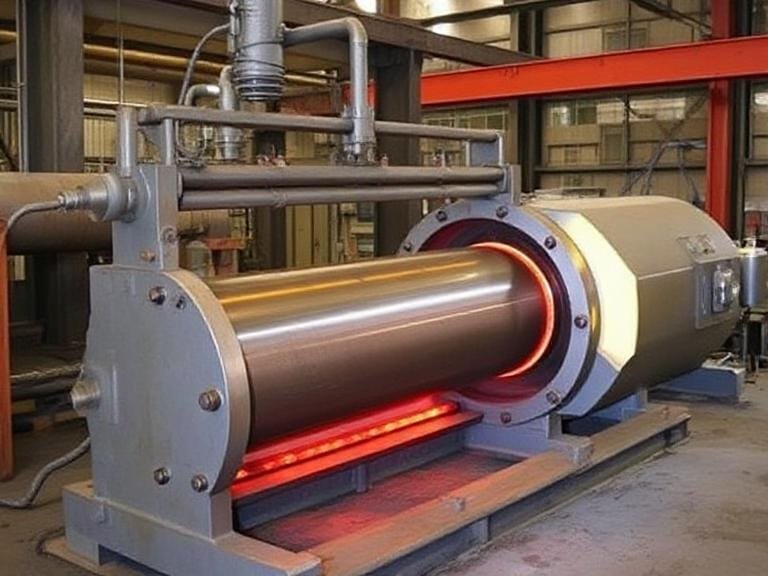
FEECO International dominates the thermal processing and agglomeration sectors. Not all kaolin is sold as an ultrafine powder; certain agricultural and industrial applications require the clay to be formed into micro-pellets or calcined at extreme temperatures. FEECO specializes in custom rotary dryers, disc pelletizers, and rotary kilns.
If your business model involves calcined kaolin (metakaolin), which is heavily used in advanced concrete and paint formulations, FEECO’s high-temperature rotary kilns provide the precise thermal profiles required to drive off the structural water within the kaolinite molecule without causing unwanted sintering.
5. Metso
Metso provides the brutal, uncompromising heavy machinery required at the very beginning of the kaolin flowsheet. Before you can refine the clay, you must extract and crush the raw ore. Metso is widely recognized among the top underground mining equipment suppliers, but their surface comminution circuits are equally impressive.
We recommend Metso for their primary crushers and heavy-duty slurry pumps. Pumping highly abrasive, high-density kaolin slurry will destroy inferior pumps in a matter of weeks. Metso’s elastomer-lined slurry pumps are built for war, ensuring continuous uptime in the harshest wet processing environments.
6. Zoneding Machine
Zoneding is an incredibly versatile manufacturer that provides holistic, end-to-end mineral processing lines. They are particularly adept at handling hard kaolin ores that require aggressive crushing-grinding-classification circuits. Their ability to integrate jaw crushers, ball mills, and multi-stage flotation cells makes them highly attractive for challenging ore bodies.
If your operational footprint spans multiple mineral commodities—for instance, if you are also researching the zinc extraction by electrolysis steps or tracking magnesium production by country—Zoneding offers excellent cross-commodity equipment adaptability and highly competitive factory-direct pricing models.
7. Elcan Industries
Elcan Industries takes a highly specialized approach to classification. When hydrocyclones are not sufficient to achieve the tight particle size distributions required by premium buyers, dry screening becomes necessary. Elcan’s Hi-Sifter technology is a revelation in the industry.
Kaolin powder is notoriously difficult to screen because it naturally agglomerates and blinds traditional mesh screens. The Hi-Sifter uses high-energy vertical vibration to shatter these agglomerates, allowing for efficient sieving down to 32 microns. We highly advise engineers studying advanced classification in any mineral processing books list to investigate Elcan’s toll processing and equipment capabilities for ultrafine separation.
The ORO Mineral Advantage: Intelligent Screening & Washing
While the giants listed above provide excellent specialized equipment, securing the perfect initial feed requires flawless raw material handling. This is where we define the standard.
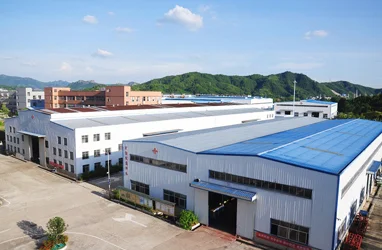
Foshan ORO Mineral Co., Ltd. is a large-scale intelligent mineral processing, screening, and sand washing equipment manufacturer integrating R&D, production, and sales. Since 2014, ORO Mineral has made great contributions to every kind of mineral screening, solid waste resource recovery, beneficiation, washing, and separation, and has accumulated rich experience.
From our experience, the efficiency of your downstream hydrocyclones and HGMS units is entirely dependent on the quality of your initial screening and washing phase. If you feed excessive trash, organic matter, or oversized quartz into your wet circuit, you will bottleneck the entire plant. ORO Mineral engineers intelligent, high-capacity screening and washing systems that perfectly prepare the kaolin slurry for advanced refinement. By partnering with ORO Mineral for your front-end beneficiation, and integrating specialized equipment like those from top multi gravity separator manufacturers for fine impurity removal, you guarantee maximum operational yield.
Summary Table: Manufacturer Capabilities
To assist your procurement strategy, we have distilled the core competencies of the top Kaolin processing equipment manufacturers into this rapid-reference matrix.
| Manufacturer | Core Kaolin Expertise | Key Equipment Technology |
|---|---|---|
| Hosokawa Micron | Ultrafine Drying & Milling | DMR Flash Mill Dryer, Jet Mills |
| FLSmidth | Wet Beneficiation & EPC | High-Capacity Hydrocyclones, Thickeners |
| Eriez | Iron & Impurity Removal | Superconducting HGMS Magnetic Separators |
| FEECO International | Thermal Processing & Agglomeration | Rotary Kilns (Calcining), Disc Pelletizers |
| Metso | Primary Comminution & Pumping | Heavy-Duty Crushers, Elastomer Slurry Pumps |
| Zoneding Machine | End-to-End Plant Integration | Ball Mills, Flotation Cells, Turnkey Solutions |
| Elcan Industries | Ultrafine Dry Screening | Hi-Sifter High-Energy Vibratory Screens |
Frequently Asked Questions (FAQs)
1. Why is magnetic separation so critical in kaolin processing?
From our experience, raw kaolin contains iron and titanium oxides that give the clay an undesirable yellow or red tint. Premium applications like paper coating require exceptional whiteness. Standard chemical bleaching is often insufficient. High-gradient magnetic separation physically pulls these discoloring, weakly magnetic minerals out of the slurry, drastically increasing the market value of the final product.
2. What is the difference between hydrous kaolin and calcined kaolin?
Hydrous kaolin is simply washed, refined, and dried clay that retains its structural water molecules. It is soft and used primarily as a filler. Calcined kaolin has been processed through a high-temperature rotary kiln, driving off the structural water. This creates metakaolin, a much harder, brighter material that improves the opacity of paints and increases the structural integrity of advanced concrete formulations.
3. Can standard mining crushers handle kaolin ore?
It depends entirely on the ore type. Soft kaolin deposits can often be processed directly in blungers using high-shear water mixing to turn the clay into a slurry. However, hard kaolin deposits require primary jaw or cone crushers followed by ball milling before beneficiation can occur. You must accurately assay your specific ore body before ordering comminution equipment.
Industrial References
To ensure your flowsheet engineering complies with the highest global metallurgical standards, we strongly advise consulting the following authoritative resources:
- Society for Mining, Metallurgy & Exploration (SME). “Industrial Minerals & Rocks: Commodities, Markets, and Uses.” (An exhaustive academic reference detailing the physical processing requirements and global market dynamics of kaolinite extraction).
- United States Geological Survey (USGS). “Clays Statistics and Information.” (Federal data tracking global production volumes, end-use statistics, and thermal processing trends in the industrial clay sector).