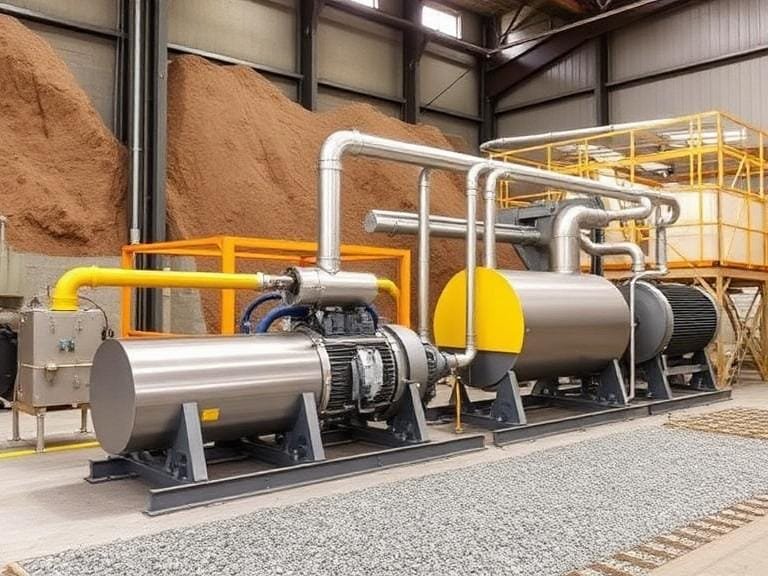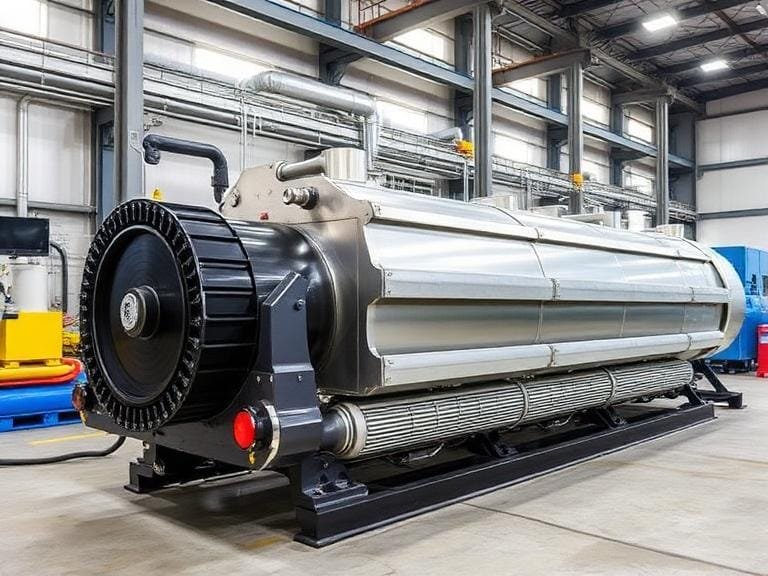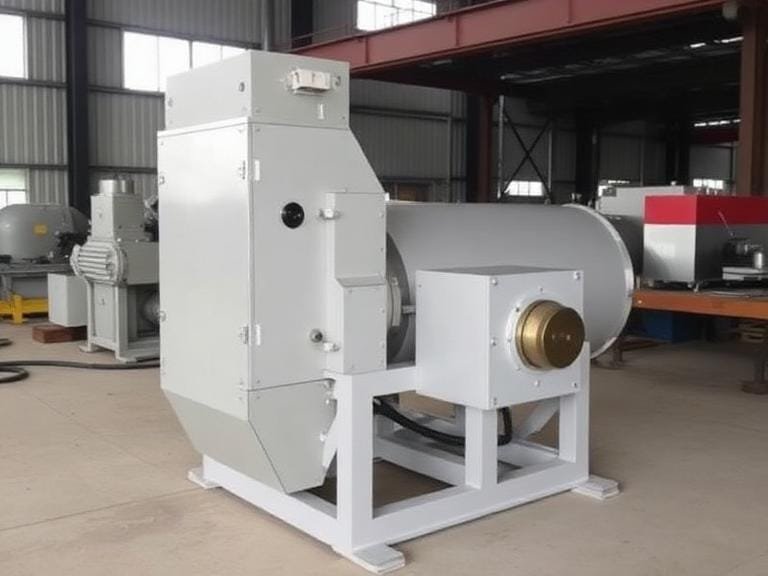
The Magnetic Drum Separator Working Principle: An Expert Industrial Guide
In the unforgiving environments of mineral processing, aggregate washing, and industrial recycling, tramp iron is the ultimate enemy. A single stray bolt or piece of rebar can instantly destroy a million-dollar cone crusher, halt a production line for days, and contaminate end-product purity. Relying on manual sorting or weak, suspended magnets is a critical operational failure. You need continuous, automated, and absolute ferrous metal extraction.
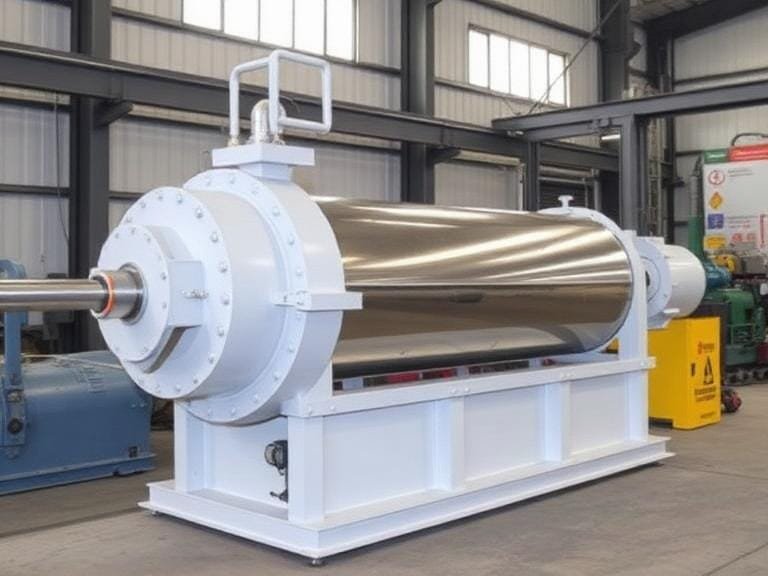
From our experience engineering and deploying heavy-duty extraction systems at Oromineral, the foundation of automated ferrous recovery relies entirely on the magnetic drum separator working principle. It is an elegant, indestructible piece of engineering that utilizes the laws of physics to separate valuable ore from waste, or tramp iron from aggregate, without requiring human intervention. In this uncompromising guide, we will break down exactly how this machinery operates, analyze its commercial viability, and provide strict decision-making guidance so you can determine if a magnetic drum separator is the right capital investment for your plant.
Quick Answer: What is the Magnetic Drum Separator Working Principle?
The magnetic drum separator working principle is based on a rotating outer cylinder (drum) that spins around a stationary, 180-degree magnetic arc housed inside. As bulk material is fed onto the rotating drum cover, non-magnetic materials follow their natural trajectory and fall freely due to gravity and centrifugal force. However, ferrous (magnetic) particles are instantly attracted to the drum’s surface by the internal magnet. The rotating shell carries these ferrous materials out of the magnetic field’s reach, dropping them securely into a separate collection chute. This continuous, self-cleaning mechanism ensures zero operational downtime while maintaining high-purity separation.
Table of Contents
- What is a Magnetic Drum Separator?
- How the Magnetic Drum Separator Working Principle Operates
- Quick Summary Table: Core Components
- Commercial and Operational Benefits
- Limitations and Operational Constraints
- Comparison Table: Drum Separators vs. Alternatives
- Who Should Use It
- Who Does Not Need It
- Pros and Cons Table
- Common Mistakes in Drum Separation
- Buying Considerations & Guide Table
- Expert Recommendation from Oromineral
- Frequently Asked Questions (FAQ)
What is a Magnetic Drum Separator?
A magnetic drum separator is a heavy-duty industrial machine designed for the continuous extraction of ferrous metals from bulk granular materials. Unlike suspended overband magnets that pull metal upward from a conveyor belt, a drum separator is typically installed at the discharge point of a conveyor, chute, or vibratory feeder. The material flows directly over the drum.
These units come in two distinct operational formats: dry drum separators (used in recycling, wood processing, and aggregate sorting) and wet drum separators (used heavily in the mineral processing techniques and equipment sector for recovering magnetite or heavy media). To meet strict industrial tolerances, the internal magnetic arrays are constructed using either standard Ferrite magnets (for large, easily captured iron) or high-intensity Neodymium Rare Earth magnets (for fine, weakly magnetic particles).
How the Magnetic Drum Separator Working Principle Operates
To truly understand the magnetic drum separator working principle, you must look at the internal anatomy of the machine. The genius of this system lies in the fact that the magnet itself never moves.
- The Feed Stage: Raw material (a mix of magnetic and non-magnetic particles) is fed uniformly onto the top or face of the drum via a vibratory feeder or conveyor discharge. Uniform feeding is critical; if the material is piled too thick, non-magnetic materials will trap the ferrous particles, dragging them into the wrong chute.
- The Stationary Magnetic Arc: Inside the drum shell is a highly powerful magnetic core that spans an arc of approximately 180 to 220 degrees. This stationary magnet faces the flow of incoming material.
- The Rotating Shell: A non-magnetic shell (usually constructed from stainless steel or manganese wear plates) rotates independently around the stationary magnet.
- The Separation Dynamics: As the mixed material hits the drum, centrifugal force and gravity immediately pull the non-magnetic materials off the shell, throwing them forward into a clean product chute. Conversely, the ferrous materials are captured by the immense Gauss rating of the stationary magnet and pin themselves to the rotating shell.
- The Discharge Stage: The rotating shell physically drags the captured ferrous metals along its surface. Once the shell rotates past the stationary magnetic arc (the dead zone), the magnetic hold vanishes. The ferrous material is instantly released, falling vertically into a dedicated reject or recovery chute.
This automated, continuous cleaning action is why evaluating methods to separate iron and steel almost always positions drum separators at the top of the industrial hierarchy.
| Component | Function in the Working Principle | Material / Specification |
|---|---|---|
| Stationary Magnet | Creates the field to attract ferrous particles. | Ferrite (Standard) or NdFeB Rare Earth (High-Intensity) |
| Rotating Drum Shell | Transports captured ferrous metal to the discharge zone. | 304/316 Stainless Steel, Manganese, or Rubber-lagged |
| Drive Motor | Controls the rotational speed (RPM) to optimize centrifugal throw. | Variable Frequency Drive (VFD) for precision control |
| Splitter Plate (Divider) | Physically separates the trajectory of magnetic vs. non-magnetic drops. | Adjustable steel plate positioned beneath the drum |
Commercial and Operational Benefits
For commercial users managing high-volume operations, the magnetic drum separator working principle offers irrefutable advantages. Foremost is the elimination of manual labor. Because the drum is self-cleaning, your operators are not forced to shut down the line every two hours to scrape sharp iron off a magnetic grate. This equates to massive gains in uptime and overall equipment effectiveness (OEE).
Furthermore, in environments like heavy mineral sands processing—often paired with sand washer machines industrial setups—the drum separator provides extreme volume capacity. High-end drums can process hundreds of tons per hour with a tiny physical footprint. It acts as the ultimate insurance policy for downstream equipment, preventing catastrophic damage to hammer mills, shredders, and fine grinders.
Limitations and Operational Constraints
In most professional situations, we must assess limitations candidly. A magnetic drum separator is not magic; it relies on the magnetic susceptibility of the material. It will not capture austenitic stainless steel, aluminum, brass, or copper. If you need to separate non-ferrous conductive metals, you must invest in an Eddy Current Separator. (For budget planning on non-ferrous extraction, review our guide on eddy current separator cost).
Another limitation is the “depth of field.” Unlike a massive suspended overband magnet that can pull a wrench through 12 inches of coal, a drum separator requires the material to physically contact (or come very close to) the drum surface. If your feed is too deep, the magnetic field will not penetrate the burden, allowing tramp iron to pass through.
| Feature / Metric | Magnetic Drum Separator | Overband Suspended Magnet | Eddy Current Separator |
|---|---|---|---|
| Target Material | Fine to large ferrous metals | Large tramp iron (rebar, bolts) | Non-ferrous metals (aluminum, copper) |
| Working Position | Conveyor discharge (End of line) | Suspended over the conveyor belt | Conveyor discharge |
| Depth of Penetration | Low to Medium (Requires thin feed layer) | Very High (Pulls through deep burdens) | Low (Requires mono-layer feed) |
| Primary Application | Ore concentration, granular purification | Crusher protection, bulky waste | E-waste, municipal recycling (MRF) |
Who Should Use It
For commercial users and heavy-duty applications: The drum separator is mandatory equipment for mining operations concentrating iron ore or hematite. It is heavily utilized in slag recycling, coal processing, foundry sand reclamation, and the purification of glass and ceramics. If you are examining magnetic separation applications in industry, the drum is the undisputed king of high-volume, continuous purification.
Who Does Not Need It
If you are operating a food processing, pharmaceutical, or liquid chemical plant, a heavy-duty drum separator is entirely inappropriate. In those highly sanitary environments, microscopic ferrous wear particles are the issue, not tramp iron. You require highly specialized neodymium liquid traps, magnetic grates, or automated drawer magnets built to strict FDA or USDA hygienic standards.
| Pros (Advantages) | Cons (Disadvantages) |
|---|---|
| Fully automated, continuous self-cleaning operation. | Ineffective against non-magnetic stainless steel and non-ferrous metals. |
| Zero power consumption for the magnetic field (if using permanent magnets). | Requires careful calibration of the splitter plate to avoid product loss. |
| Available in extremely high Gauss ratings (up to 15,000G) for fine particle recovery. | Rotating shell is subject to abrasive wear and eventually requires resurfacing. |
| Handles massive tonnage with a highly compact equipment footprint. | Must be fed evenly; heavy surging causes separation failure. |
Common Mistakes in Drum Separation
From our field testing and plant audits, the most critical mistake operators make is completely ignoring feed presentation. Dumping a massive, surging pile of material onto the center of a drum separator destroys the magnetic drum separator working principle. The material must be delivered in an even, thin, mono-layer across the entire width of the drum. Failure to do so results in “entrapment”—where clean product is pinned against the drum by ferrous metal, or ferrous metal is blocked from the magnetic field by a thick layer of rock.
Another profound error is buying standard Ferrite magnets to capture weakly magnetic materials like scale or rust. Ferrite magnets peak around 2,000 Gauss. For weak magnetics, you must upgrade to a Rare Earth (Neodymium) drum operating between 8,000 and 15,000 Gauss.
Buying Considerations & Guide
When approaching magnetic separator manufacturers worldwide, you must bring specific operational data. Never buy off-the-shelf without verifying these parameters.
| Specification | What to Demand | Why It Matters |
|---|---|---|
| Magnetic Intensity (Gauss) | Ferrite (1,500-2,000G) for tramp iron; Rare Earth (8,000-15,000G) for fine paramagnetics. | Determines whether you extract massive bolts or microscopic iron dust. |
| Drum Dimensions | Diameter and width matched to your maximum tons-per-hour (TPH) feed rate. | A drum that is too narrow will cause material to stack, ruining the separation efficiency. |
| Shell Material | Manganese steel or Rubber lagging for highly abrasive ores. | Prevents the rotating shell from wearing through and exposing the internal magnets. |
| Wet vs. Dry Format | Dry for aggregates; Wet (Counter-rotation/Concurrent) for slurries. | Dry drums fail immediately if fed highly viscous, muddy slurries. |
Expert Recommendation from Oromineral
Our Verdict on Drum Separator Integration
In most professional situations involving high-volume mineral concentration or robust recycling, a magnetic drum separator is not an optional upgrade; it is the fundamental core of your extraction process. We recommend bypassing cheap, uncertified ferrite systems if your goal is end-product purity. Instead, invest in high-intensity rare-earth systems that guarantee maximum ferrous extraction in a single pass.
At Oromineral, we engineer equipment that aligns perfectly with the physics of the magnetic drum separator working principle. Our systems are built for relentless industrial abuse.
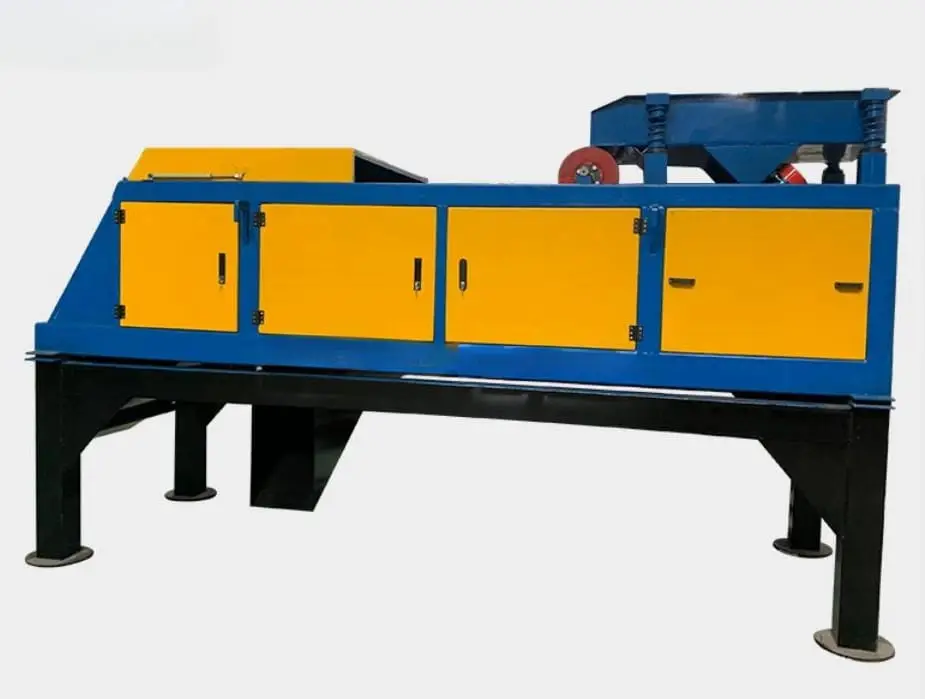
Oromineral Magnetic Separation Equipment
- Magnetic Field Intensity: 8000 – 15000 Gauss (Rare Earth configurations available)
- Processing Capacity: 5 – 200 tons per hour
- Drum Configurations: Diameter 500mm–1500mm / Length 1000mm–3000mm
- Material Compatibility: Iron ore, hematite, coal, rare earths, recycling aggregates
- Power & Environment: 220V/380V Customizable, rated for -10°C to 50°C working temps
Frequently Asked Questions (FAQ)
Authoritative References & Industry Standards
To ensure your processing facility adheres to rigorous global engineering and safety standards, we recommend reviewing guidelines from the following organizations:
- Society for Mining, Metallurgy & Exploration (SME): Provides peer-reviewed guidelines and technical standards on mineral processing, gravity separation, and high-intensity magnetic extraction protocols. Visit SME
- U.S. Environmental Protection Agency (EPA): Outlines the compliance frameworks and best practices for material recovery facilities (MRF) utilizing magnetic separation to reduce landfill waste. Visit EPA
- ScienceDirect (Elsevier): A leading academic and scientific publisher offering thousands of peer-reviewed papers on the fluid dynamics, gauss intensity modeling, and metallurgical recovery rates associated with the magnetic drum separator working principle. Visit ScienceDirect