9 Best magnetic separator gold mining 2026
In the highly competitive mineral processing industry of 2026, maximizing recovery rates while minimizing reagent consumption is the primary objective for plant metallurgists. While gold itself is a diamagnetic metal—meaning it is repelled by magnetic fields—the ores hosting gold deposits are frequently heavily associated with ferromagnetic and paramagnetic minerals such as magnetite, pyrrhotite, and ilmenite. Removing these iron-bearing impurities before cyanidation, flotation, or gravity concentration is a structural necessity for maintaining operational profitability.
From our experience at ORO Mineral, failing to utilize the Best magnetic separator gold mining equipment results in excessive cyanide consumption, equipment wear, and diminished overall recovery. When iron sulfides are left in the ore matrix, they consume oxygen and leaching reagents rapidly, forming complex cyanicides that effectively steal the chemicals meant to dissolve your gold. We recommend integrating robust magnetic separation circuits early in the flowsheet to upgrade the ore and protect downstream capital equipment.
This authoritative engineering guide explores the technical parameters, application scenarios, and specific machinery that define the Best magnetic separator gold mining operations in 2026. We will detail our own meticulously engineered ORO Mineral solutions alongside other critical technologies that modern concentrators rely upon globally.
Table of Contents
1. The Role of Magnetic Separation in Gold Recovery
Gold mining flowsheets have evolved significantly. The days of direct leaching run-of-mine ores are largely behind us due to declining ore grades and increasing refractoriness. Today, achieving maximum yield requires pre-concentration. The Best magnetic separator gold mining systems perform two distinct functions in modern plants: equipment protection and metallurgical upgrading.
First, tramp iron—such as broken drill bits, excavator teeth, and bolts—must be removed before the ore enters secondary crushers or High-Pressure Grinding Rolls (HPGR). Overband or suspended separators handle this task. Second, and more critically for recovery, high-intensity and low-intensity separators extract naturally occurring magnetic minerals. By removing magnetic mass, the total volume of material proceeding to the leaching tanks or multi gravity separator manufacturers equipment is reduced, effectively increasing the head grade of the remaining gold-bearing pulp.
2. Top 9 Best Magnetic Separator Gold Mining 2026
Selecting the Best magnetic separator gold mining solution depends heavily on your specific ore mineralogy, throughput requirements, and whether the process is wet or dry. Below is our expert curation of the top nine systems defining processing excellence in 2026.
1. ORO Mineral Dry Electromagnetic Separator
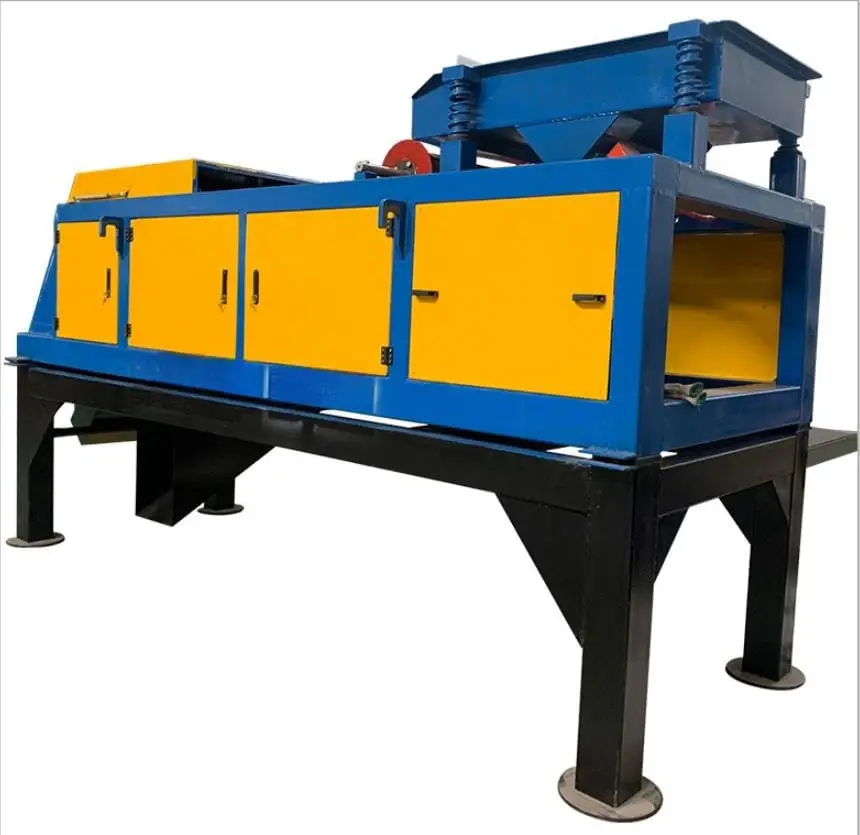
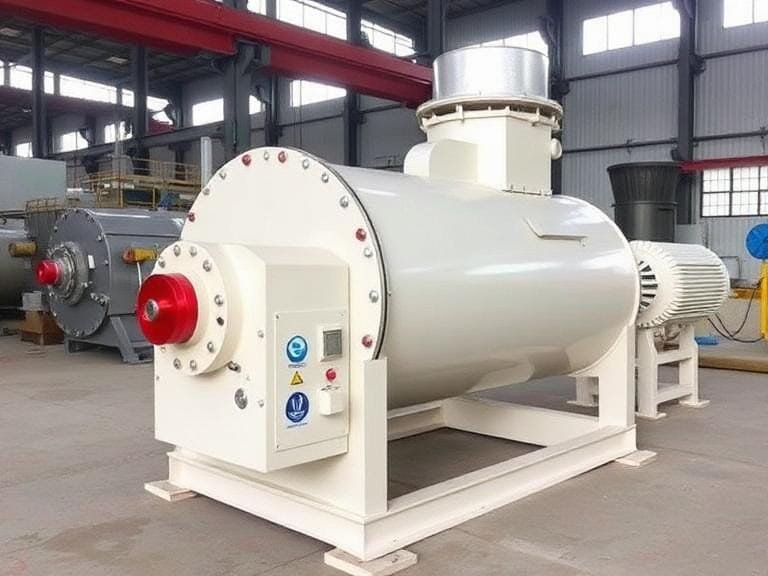
For operations located in arid regions where water conservation is critical, we recommend our flagship Dry Electromagnetic Separator. This customizable unit is engineered to process between 5 and 200 tons per hour, depending on the model and material density. Designed for a feed size of less than 300 mm, it features an adjustable magnetic field intensity ranging from 0.5 to 2.0 Tesla.
Constructed from premium stainless steel and cast iron alloys, this unit is built to withstand operating temperatures from -20 degrees to 50 degrees Celsius. The power consumption ranges from 15 to 300 kW, ensuring that you can scale the electromagnetic force precisely to your ore’s magnetic susceptibility. From our experience, deploying this unit immediately after primary crushing significantly reduces the load on subsequent grinding circuits.
2. ORO Mineral 1.1kw Belt Magnetic Separator (Model ZT-1530P)

When dealing with continuous conveyor systems, the ORO Mineral 1.1kw Belt Magnetic Separator offers exceptional reliability and continuous self-cleaning performance. Manufactured in Foshan, Guangdong, under strict ISO9001 certification, this ZT-1530P model is highly effective at removing tramp iron and highly magnetic ores from the belt before they can damage downstream equipment.
With a low power rating of just 1.1kw, it provides an energy-efficient method to protect your investment. We maintain a supply ability of 50 sets per month, ensuring rapid deployment for plant upgrades. This unit represents the baseline of what constitutes the Best magnetic separator gold mining protection for bulk material handling.
3. Wet High-Intensity Magnetic Separator (WHIMS)
For fine-grained ores where gold is locked with weakly magnetic minerals like hematite or fine pyrrhotite, a WHIMS is indispensable. By passing a mineral slurry through a matrix of grooved plates or steel wool placed within a powerful electromagnetic field, it captures microscopic magnetic particles. We strongly suggest reviewing the high intensity magnetic separation process to understand how WHIMS can liberate gold particles prior to flotation.
4. Overband Magnetic Separators
Overband separators are suspended directly over moving conveyor belts. They utilize either permanent magnets or electromagnets to pull ferrous material vertically out of the ore stream. For deep burden depths, electromagnetic versions are preferred. We recommend these as the primary defense mechanism in heavy-duty primary crushing circuits, often sourced alongside heavy machinery from top underground mining equipment suppliers.
5. Wet Drum Magnetic Separators
The workhorse of the industry, wet drum separators are used to recover highly magnetic minerals like magnetite from a wet slurry. In gold processing, if the ore body contains significant magnetite, a low-intensity wet drum separator is used to scalp this material out. This prevents the magnetite from clogging hydrocyclones and taking up valuable volume in Carbon-in-Leach (CIL) tanks.
6. High-Gradient Magnetic Separators (HGMS)
When the paramagnetic particles are exceptionally fine (often less than 50 microns), HGMS technology provides the necessary magnetic field gradients to capture them. These systems use a matrix of fine steel wires to create localized areas of intense magnetic flux. While capital-intensive, they are the Best magnetic separator gold mining choice for highly complex, refractory polymetallic ores.
7. Cross-Belt Magnetic Separators
Cross-belt separators are utilized primarily in the processing of heavy mineral sands, including placer gold deposits. They operate dry and are capable of separating multiple magnetic minerals based on varying magnetic susceptibilities. By using a series of magnets with increasing strength, operators can create separate product streams of magnetite, ilmenite, and non-magnetic gold concentrates.
8. Suspended Permanent Magnets
For smaller operations or areas without reliable power infrastructure, suspended permanent magnets provide a zero-power solution for tramp iron removal. While they lack the deep penetration of electromagnetic units and require manual cleaning, they are a highly cost-effective insurance policy for protecting small cone crushers and impactors.
9. Superconducting Magnetic Separators
Representing the bleeding edge of 2026 mineral processing technology, superconducting separators utilize liquid helium to cool the magnetic coils to near absolute zero. This creates an astronomically high magnetic field with almost zero electrical resistance. While their application in gold mining is reserved for the most difficult refractory ores, their efficiency is unmatched. Understanding their metallurgical impact is often covered in advanced texts found in our mineral processing books list.
3. Selection Criteria: Securing the Right Equipment
Choosing the Best magnetic separator gold mining system requires a rigorous analysis of your ore body. We recommend conducting comprehensive Davis Tube testing and magnetic susceptibility profiling before purchasing capital equipment.
First, determine the magnetic properties of your gangue minerals. If you are dealing with strongly ferromagnetic magnetite, a low-intensity magnetic separator (LIMS) is sufficient. If you are attempting to remove weakly paramagnetic minerals, you will require a high-intensity magnetic separator (HIMS) capable of generating fields above 1.0 Tesla. The ORO Mineral Dry Electromagnetic Separator, with its adjustable 0.5-2.0 T field, provides the necessary versatility for varying ore bodies.
Second, consider the moisture content. Wet separation is generally more efficient for fine particles as it prevents agglomeration and dust issues. However, in regions where water is scarce—or when integrating with a dry copper leaching process in polymetallic mines—dry magnetic separation becomes mandatory.
4. Summary Comparison Table
| Separator Type | Magnetic Field Strength | Processing State | Primary Gold Mining Application |
|---|---|---|---|
| ORO Mineral Dry Electromagnetic | 0.5 – 2.0 T (Adjustable) | Dry | Pre-concentration, high-volume gangue removal |
| ORO Mineral 1.1kw Belt (ZT-1530P) | Low/Medium | Dry | Conveyor protection, continuous tramp iron removal |
| Wet High-Intensity (WHIMS) | High (up to 2.0 T) | Wet Slurry | Removing fine paramagnetic minerals before cyanidation |
| Wet Drum Separator | Low (approx. 0.1 – 0.3 T) | Wet Slurry | Scalping highly magnetic magnetite from milled ore |
| Superconducting Separator | Ultra-High (>3.0 T) | Wet or Dry | Complex refractory ores, extreme fine particle separation |
5. Frequently Asked Questions (FAQs)
Does a magnetic separator extract gold directly?
No. Gold is diamagnetic, meaning it is not attracted to magnets. The Best magnetic separator gold mining systems are used to extract the magnetic waste rock (gangue) and iron-bearing minerals, leaving behind a smaller, highly concentrated volume of gold-bearing ore for further processing.
Why is it important to remove iron before the cyanidation process?
From our experience, iron minerals like pyrrhotite are highly reactive in cyanide solutions. They consume dissolved oxygen and the cyanide itself, drastically increasing operating costs and lowering gold recovery rates. Removing them magnetically ensures the reagents act only on the gold.
What is the difference between dry and wet magnetic separation?
Dry separation, like the ORO Mineral Dry Electromagnetic Separator, processes crushed rock without water, making it ideal for arid climates and coarser materials. Wet separation uses water to carry the ore through the magnetic field, which is highly recommended for very fine particles to prevent them from sticking together.
6. Authoritative References
To further validate the metallurgical principles and equipment standards discussed in this article, we recommend consulting the following authoritative industry and academic resources:
- U.S. Geological Survey (USGS) – Gold Statistics and Information
- Society for Mining, Metallurgy & Exploration (SME)
- The National Institute for Occupational Safety and Health (NIOSH) – Mining Safety
At ORO Mineral, we remain committed to engineering the most robust and efficient mineral processing solutions available. By selecting the Best magnetic separator gold mining technology tailored to your specific ore characteristics, you ensure higher recovery rates, lower operating costs, and a more profitable mine life. Contact our engineering team today to discuss custom sizing and integration for your circuit.