What is a Superconducting Magnetic Separator and Its Uses in Modern Mineral Processing?
Authored by Foshan ORO Mineral Co., Ltd. As a large-scale intelligent mineral processing, screening, and sand washing equipment manufacturer integrating R&D, production, and sales, ORO Mineral has been at the forefront of the industry since 2014. We have made great contributions to every kind of mineral screening, solid waste resource recovery, beneficiation, washing, and separation, accumulating rich experience in advanced extraction technologies.
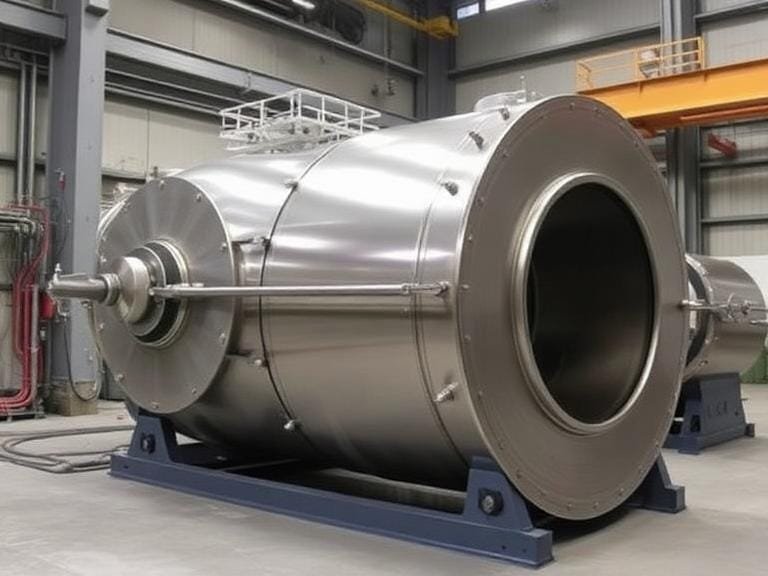
In the highly competitive and technologically demanding field of mineral beneficiation, maximizing ore recovery grades while minimizing operational energy costs is the ultimate objective. For decades, conventional electromagnetic separators have served the industry well, but as high-grade ore deposits deplete, operations are forced to process low-grade, finely disseminated ores. This reality has catalyzed the adoption of advanced technologies, the most prominent being the superconducting magnetic separator.
From our experience at ORO Mineral, integrating a superconducting magnetic separator into a beneficiation circuit drastically alters the economic feasibility of treating complex, weakly magnetic minerals. By utilizing the principles of cryogenic physics to eliminate electrical resistance, this equipment generates immense magnetic fields that conventional copper-coil electromagnets simply cannot achieve. In this comprehensive guide, we will explore exactly what a superconducting magnetic separator is, detail its underlying technology, and examine its primary industrial uses across global mining operations.
Table of Contents
- 1. Understanding the Technology: What is a Superconducting Magnetic Separator?
- 2. Key Advantages Over Conventional Separators
- 3. Primary Industrial Uses of the Superconducting Magnetic Separator
- 4. Operational Considerations and Facility Integration
- 5. Summary Table: Superconducting vs. Conventional Magnetic Separators
- 6. Frequently Asked Questions (FAQs)
- 7. Authoritative References
1. Understanding the Technology: What is a Superconducting Magnetic Separator?
To answer the question of what a superconducting magnetic separator is, we must first look at the physics of electromagnetism. Traditional high-intensity magnetic separators rely on massive copper coils. When an electrical current passes through these copper coils, it generates a magnetic field. However, copper possesses natural electrical resistance. This resistance generates enormous amounts of heat, meaning conventional separators require massive amounts of power and complex water-cooling systems just to maintain a magnetic field strength of around 1.0 to 1.8 Tesla. If you are interested in how these traditional aqueous systems operate, we recommend reviewing our detailed guide on the WHIMS magnetic separator working principle.
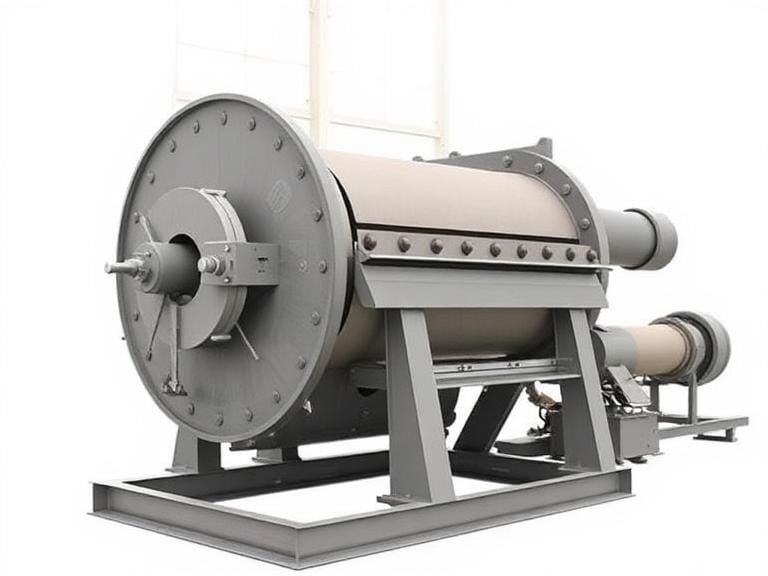
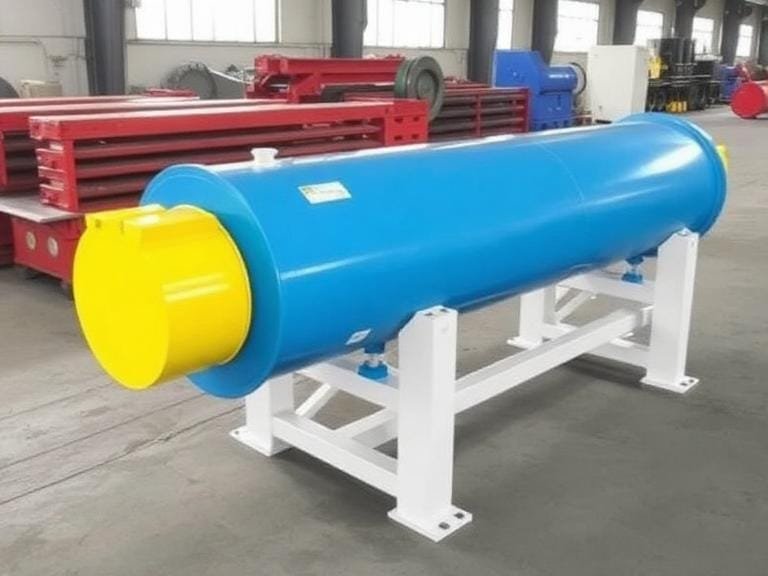
A superconducting magnetic separator revolutionizes this process. Instead of copper, it utilizes coils made from superconducting alloys, most commonly Niobium-Titanium (NbTi). When these alloys are cooled to cryogenic temperatures nearing absolute zero (typically around 4.2 Kelvin or -268.95°C) using liquid helium or advanced cryocoolers, they achieve a state of zero electrical resistance.
Because there is no electrical resistance, a superconducting magnetic separator can carry incredibly high current densities without generating any heat. This allows the equipment to generate massive background magnetic fields, frequently exceeding 5.0 Tesla. Inside the separation canister, a matrix of magnetizable stainless steel wool amplifies this background field to create extreme magnetic gradients. When a mineral slurry is pumped through this matrix, the extreme magnetic forces capture microscopic and weakly magnetic particles that would completely bypass conventional equipment.
2. Key Advantages Over Conventional Separators
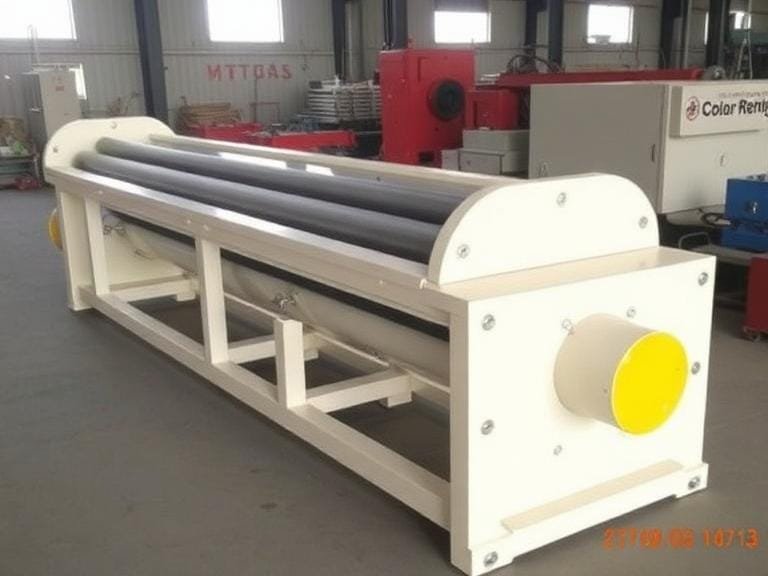
From our experience engineering and deploying mineral processing plants, transitioning to a superconducting magnetic separator offers several distinct operational and economic advantages:
- Unprecedented Field Strength: A superconducting magnetic separator easily achieves 3 to 5 Tesla, whereas conventional electromagnets plateau around 2 Tesla due to iron core saturation and thermal limits. This extreme field strength is mandatory for capturing ultra-fine, weakly paramagnetic minerals.
- Zero Energy Loss in the Coil: Once the superconducting coil is energized in persistent mode, the electrical current circulates indefinitely without additional power input to the coil itself. The only power consumed is by the cryogenic cooling system, which represents a fraction of the electricity required to power a massive conventional electromagnet.
- Higher Throughput Capacity: Because the magnetic field of a superconducting magnetic separator is generated efficiently in a large open bore, the processing canisters can be significantly larger. This translates to higher tons-per-hour processing rates, maximizing plant yield.
- Lighter Equipment Footprint: Conventional high-intensity separators require massive steel yokes to shape the magnetic field, making the machines incredibly heavy. A superconducting magnetic separator eliminates the need for this massive iron return frame, resulting in a significantly lighter machine that is easier to integrate into existing structural platforms.
3. Primary Industrial Uses of the Superconducting Magnetic Separator
The implementation of a superconducting magnetic separator is typically reserved for applications where conventional separation fails to meet purity or recovery specifications. Below are the primary industrial uses driving the global demand for this technology.
Kaolin Clay Purification
The single most dominant application for the superconducting magnetic separator is the purification of kaolin clay. Kaolin is widely used in the paper, ceramics, and cosmetics industries, where a bright white color is strictly required. However, raw kaolin deposits are frequently contaminated with microscopic particles of iron oxides, titanium dioxide (anatase), and mica, which give the clay an undesirable yellow or reddish tint. Because these impurities are extremely fine and only very weakly magnetic, standard separators cannot extract them. A superconducting magnetic separator applies a massive 5 Tesla field to the kaolin slurry, effectively pulling these microscopic discoloring contaminants out of the matrix, resulting in premium-grade, ultra-bright kaolin.
Non-Metallic Mineral Beneficiation
Beyond kaolin, the superconducting magnetic separator is highly effective in purifying other non-metallic industrial minerals such as quartz, feldspar, and nepheline syenite used in high-end glass manufacturing. Even trace amounts of iron in silica sand can ruin the transparency of solar panel glass or optical lenses. For insights into other foundational mineral extraction strategies, we recommend reading our limestone extraction method guide, which details the broader context of non-metallic mineral processing.
Metallic Ore Processing
As high-grade metallic ore bodies are exhausted, miners are turning to low-grade hematite, limonite, and complex copper-gold ores. These finely disseminated ores require ultra-fine grinding to achieve liberation. Once ground to powder, recovering weakly magnetic iron minerals becomes highly challenging. Implementing a superconducting magnetic separator ensures maximum recovery of fine hematite particles. Facility planners evaluating upgrades can review our analysis on iron ore processing plant cost to understand how high-intensity separation impacts capital expenditure. Similarly, in non-ferrous operations, removing magnetic gangue minerals via superconducting technology improves downstream flotation efficiency, a critical factor when assessing overall copper processing plant cost 2025.
Solid Waste Resource Recovery
At ORO Mineral, we are deeply committed to solid waste resource recovery. Industrial slag, red mud (bauxite residue), and coal fly ash contain valuable trace metals. The high field gradient of a superconducting magnetic separator allows recycling facilities to extract residual iron, titanium, and rare earth elements from these industrial waste streams, transforming environmental liabilities into profitable commodities. To see how leading enterprises are adopting these sustainable practices, consult our list of the mineral processing companies worldwide.
4. Operational Considerations and Facility Integration
While the benefits of a superconducting magnetic separator are vast, we recommend that facility managers carefully evaluate the operational prerequisites. The core of this technology is the cryogenic cooling system. Historically, these systems relied entirely on a constant supply of liquid helium, which was expensive and logistically difficult to procure in remote mining locations.
However, modern superconducting magnetic separator designs now utilize “zero-boil-off” systems or conductive cryocoolers. These closed-loop systems continuously re-condense the helium gas back into liquid, drastically reducing operational costs and maintenance downtime. When integrating a superconducting magnetic separator, plants must also ensure highly clean utility water for flushing the magnetic matrix, as suspended solids in the flush water can blind the delicate steel wool over time.
From an investment standpoint, the initial capital expenditure (CAPEX) for a superconducting magnetic separator is notably higher than that of a conventional WHIMS. Yet, from our experience, the return on investment (ROI) is rapidly realized through significantly lower electricity consumption and the premium market price commanded by the ultra-pure mineral products it generates.
5. Summary Table: Superconducting vs. Conventional Magnetic Separators
To assist in your procurement and engineering evaluations, we have compiled a direct comparison outlining the operational differences between these two technologies.
| Feature / Metric | Conventional WHIMS | Superconducting Magnetic Separator |
|---|---|---|
| Maximum Magnetic Field | 1.0 to 1.8 Tesla | 3.0 to 5.0+ Tesla |
| Coil Material | Copper (High electrical resistance) | Niobium-Titanium (Zero electrical resistance) |
| Power Consumption (Magnet) | Extremely High (Continuous kW draw) | Zero (Operates in persistent mode) |
| Cooling Requirement | High-volume deionized water | Cryogenic (Liquid Helium / Cryocooler) |
| Equipment Weight | Very Heavy (Requires massive iron yokes) | Significantly Lighter (Iron yoke eliminated) |
| Primary Application | Medium to strongly magnetic ores | Ultra-fine, very weakly magnetic impurities (e.g., Kaolin) |
6. Frequently Asked Questions (FAQs)
How does a superconducting magnetic separator lower electricity costs if it requires extreme cooling?
While the cryogenic compressor requires electricity to maintain near-absolute zero temperatures, this power draw is relatively small (typically 30-50 kW). In contrast, a massive conventional copper-coil electromagnet requires hundreds of kilowatts continuously just to maintain a much weaker magnetic field. Overall, the superconducting magnetic separator offers a net reduction in energy consumption of up to 70% to 90%.
Is it difficult to maintain the cryogenic systems in a remote mining environment?
Early generations required frequent liquid helium top-offs, which was challenging. Modern superconducting magnetic separator systems feature zero-boil-off cryocoolers that recycle the helium internally. Routine maintenance is generally limited to servicing the external water chiller and replacing the cryocooler cold head every few years, making them highly viable for remote operations.
Can a superconducting magnetic separator process dry powder?
While the technology is predominantly designed for wet processing (mineral slurries pumped through a matrix), dry superconducting separators do exist. However, for ultra-fine particle separation like kaolin or fine hematite, wet processing is strongly recommended because water acts as a dispersive medium, preventing fine particles from agglomerating and trapping non-magnetic minerals.
7. Authoritative References
To ensure your processing facility adheres to advanced engineering standards and to further your understanding of applied cryogenics in mineralogy, we recommend consulting the following authoritative sources:
- United States Department of Energy (DOE) – Office of Science: Research on applied superconducting materials and cryogenic efficiency in industrial applications.
- Minerals Engineering Journal (ScienceDirect): Peer-reviewed academic research detailing the metallurgical recovery rates of the superconducting magnetic separator in various ore bodies.
- Society for Mining, Metallurgy & Exploration (SME): Industry standards, operational best practices, and technological advancements in high-intensity magnetic beneficiation.