How Much Do Gold Wash Plants Cost in 2026? The Definitive Equipment & CAPEX Guide
Placer mining operations live and die by their throughput and fine gold retention. Too many mine operators build financial models around spot gold prices, calculate their deposit yardage, and then make a catastrophic budgeting mistake when pricing processing machinery. The question of what commercial gold wash plants cost is rarely answered honestly by sales brokers. Instead of transparent turnkey pricing, buyers are quoted bare-bones skid prices that omit essential slurry pumps, grizzly hoppers, generators, and tailings infrastructure. From our experience at Oromineral, engineering high-throughput separation systems across global mining districts, purchasing a plant based strictly on the lowest sticker price guarantees premature mechanical failure, unrecoverable gold loss, and financial insolvency.

In most professional situations, calculating realistic gold wash plants cost metrics requires examining total capital expenditure (CAPEX) alongside operating expenditure (OPEX). A machine that costs $80,000 but dumps 30 percent of your sub-100 mesh gold back into the tailing pond costs you thousands of dollars every operating shift. You must use commercial and practical judgment when evaluating wet processing technology. In this 2026 guide, we dismantle the true costs behind portable trommels, high-tonnage vibrating screens, centrifugal circuits, and downstream magnetic remediation. We provide realistic cost ranges, analyze real-world operating scenarios, and show you exactly where to allocate capital to maximize your gold recovery per operating hour.
Quick Answer: Real-World 2026 Gold Wash Plant Pricing
In 2026, total commercial gold wash plants cost figures fall into four distinct operational tiers based on hourly feed capacity (measured in Tons Per Hour / TPH or Loose Cubic Yards Per Hour / LCY/h):
- Exploration & Micro-Placer (5 to 25 TPH): $8,000 to $35,000. Compact, trailer-mounted or skid-mounted portable trommels built for exploration bulk sampling, remote river terraces, and small independent operations.
- Mid-Scale Commercial Operations (30 to 100 TPH): $45,000 to $165,000. Heavy-duty production wash plants with integrated hydraulic dump hoppers, vibrating feeder decks, and multi-tier sluice runs.
- Industrial Mining Scale (120 to 300+ TPH): $180,000 to $550,000+. Extreme-duty continuous-feed wash plants designed to cycle round-the-clock payloads fed by 30-to-50-ton excavators.
- Turnkey Multi-Stage Alluvial Circuits (300 to 600+ TPH): $600,000 to $1,800,000+. Fully customized systems incorporating rotary scrubbers, multi-deck dewatering screens, centrifugal concentrators, and magnetic pre-concentration units.
We recommend budgeting an additional 25% to 40% above the base machine purchase price to cover water pump assemblies, layflat delivery hoses, power generation, and critical spare parts inventory. Never evaluate an equipment purchase based on equipment purchase price alone.
Table of Contents
- What It Is: The Modern Placer Gold Wash Plant
- How It Works: Hydro-Mechanical Classification Mechanics
- Comprehensive Gold Wash Plants Cost Breakdown
- Critical Cost Drivers: Where Your Capital Goes
- Operational Benefits of Modern High-Spec Plants
- Limitations and Hidden Site Overhead
- Who Should Invest in Commercial Wash Plants
- Who Should Avoid Heavy Wash Plants
- Common Procurement Mistakes in the Field
- Expert Buying Considerations: Trommel vs. Shaker
- Summary and Comparison Tables
- Expert Recommendation & Downstream Hardware
- Frequently Asked Questions
What It Is: The Modern Placer Gold Wash Plant
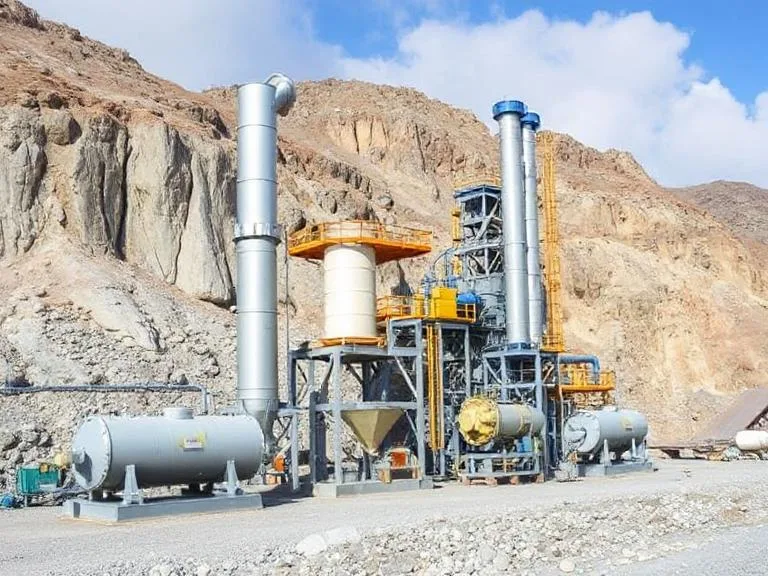
A gold wash plant is an integrated metallurgical system designed to liberate, classify, and concentrate alluvial or eluvial native gold particles from paydirt gravels, sands, and clays. Unlike hard rock crushing circuits, a placer wash plant operates primarily through high-volume hydraulic slurry washing and density separation. A complete production unit combines a feeding hopper with a grizzly screen to reject oversized boulders, a primary attrition/washing chamber (either a rotary trommel barrel or a high-frequency vibrating screen deck), and a downstream concentration circuit (expanded metal riffles, miner moss sluices, jigs, or centrifugal concentrators).
Understanding the mechanical structure requires understanding where the plant fits inside mineral processing stages explained by industry engineers: comminution/liberation, sizing/classification, concentration, and dewatering. A commercial wash plant executes sizing and primary concentration simultaneously inside a continuous closed wet circuit.
How It Works: Hydro-Mechanical Classification Mechanics
In our testing across varied deposit geologies, gold liberation is dictated entirely by fluid dynamics and shear energy. Material is tipped onto the grizzly feeder, which rejects rocks larger than 4 to 6 inches. High-pressure spray bars immediately saturate the material, washing fines through to the primary classification drum or deck. At this stage, clay balls must be completely broken down; unwashed clay will roll across your sluice box and pick up flakes of gold like a sticky snowball, carrying them directly out with the tailings.
Water-to-solids ratio is the critical operating parameter. A standard wash plant requires between 800 and 3,500 gallons of water per minute (GPM) depending on its throughput rating. The scrubbed slurry passes through perforated trommel screens (typically classified to minus 3/8-inch or 1/4-inch) and drops onto the recovery sluices. Because gold has a specific gravity of roughly 15.0 to 19.0 while ambient river gravels (quartz, feldspar) sit at roughly 2.65, the gold drops instantly out of the fluid boundary layer and embeds into capture matting, while lighter sands are swept out into the discharge flume. When fine gold recovery is prioritized, the wash plant must feed into advanced circuits governed by standard mineral processing techniques and equipment.
Comprehensive Gold Wash Plants Cost Breakdown
The marketplace in 2026 contains extreme variances in manufacturing quality, steel grade, and hydraulic drive systems. When assessing overall gold wash plants cost, mining companies must categorize units by physical operational footprint and mechanical engineering standards.
1. Exploration and Pilot Plants (5 to 25 TPH)
Priced between $8,000 and $35,000. These are typically compact, single-axle trailer or skid-mounted units powered by small 10 HP to 25 HP diesel or gas engines. They feature barrel diameters from 24 to 36 inches and short 6-to-10-foot sluice runs. For beginners and exploration geologists executing trench assays and bulk sampling, these units are cost-effective tools to prove out a deposit before deploying high-tonnage capital.
2. Small Commercial Production Plants (30 to 60 TPH)
Priced between $45,000 and $95,000. These machines are matched to 15-to-20-ton excavators. They feature hydraulic drive systems, heavy-duty hopper feed boxes with remote-controlled hydraulic tipping grizzlies, and dual-run sluice systems. At this price tier, units must feature Hardox or AR400 wear plates in the hopper to withstand continuous direct excavator feeding.
3. High-Capacity Commercial Plants (70 to 150 TPH)
Priced between $110,000 and $220,000. This is the operational standard for serious placer mines in North America, South America, and Africa. These systems feature 4-to-6-foot diameter trommel drums or multi-deck incline shaker screens, integrated high-pressure spray manifolds, multi-tier triple-run sluices, and heavy structural I-beam skids. They process between 1,000 and 2,500 tons per day on continuous 10-hour shifts.
4. Industrial Mining Class Plants (160 to 300+ TPH)
Priced between $250,000 and $550,000. Engineered for corporate operations feeding with 35-to-50-ton production excavators. These wash plants feature separate rotary scrubbers ahead of dewatering screens, independent conveyor discharge systems for coarse rock tailings, and automated PLC electrical switchgear cabinets. Sourcing from experienced gold mining equipment manufacturers at this scale is critical to ensure structural steel frames do not warp or stress-crack under massive cyclical loads.
Critical Cost Drivers: Where Your Capital Goes
Why does one 100 TPH plant cost $85,000 while another costs $190,000? In our testing, the delta in equipment pricing comes down to structural engineering and drive components:
- Steel Metallurgy and Wear Liners: Cheap plants utilize standard mild A36 carbon steel throughout. Paydirt is violently abrasive; mild steel hoppers and barrel plates will wear through within 300 operating hours. Premium plants incorporate AR400, AR500, or Hardox liners in all high-impact zones, adding $15,000 to $40,000 to the build cost but doubling mechanical service life.
- Drive Mechanisms: Chain-drive systems running off small gearboxes are inexpensive to manufacture but require constant maintenance and stretch under load. Industrial plants utilize direct hydraulic trunnion drive systems or oversized planetary gear reducers, which add significantly to upfront capital expenditure but eliminate field breakdowns.
- Screening Media: Perforated punch plate steel screens cost less upfront but blinding (rocks wedging in holes) occurs continuously, shutting down the wash cycle. Polyurethane modular screen panels cost three times as much but resist blinding and outlast steel wire by up to five times.
- Electrical and Hydraulic Engineering: A custom plant with centralized variable frequency drive (VFD) controls, IP66-sealed enclosures, and heavy-duty Parker or Rexroth hydraulic pumps represents tens of thousands of dollars in premium electrical components compared to manual valve levers.
Operational Benefits of Modern High-Spec Plants
The primary benefit of investing in higher-tier gold wash plants is recovery optimization across the fine gold fraction (minus 100 mesh / 150 microns). Primitive wash plants with poorly engineered sluice boxes blow fine gold straight into the tailing pond because their water velocity is too turbulent and their classification is uneven. Modern high-spec plants execute clean hydraulic sizing, dropping fine particles smoothly across specialized vortex matting or feeding them directly into downstream gravity concentrators.
Furthermore, structural reliability prevents the most catastrophic expense in placer mining: plant downtime. When a $200,000 wash plant breaks down, your two $300,000 excavators, your $250,000 articulated haul truck, and your entire six-man crew sit completely idle while diesel generators burn fuel. Reliability preserves your operational cash flow.
Limitations and Hidden Site Overhead
We must use commercial and practical judgment: buying the wash plant is only one part of your capital allocation. The absolute limitation of any wet wash plant is water accessibility. If you run a 150 TPH plant, you need roughly 2,000 to 2,500 GPM of continuous water. Sourcing, piping, pumping, and settling that volume of water represents significant infrastructure investment. The ancillary site costs required to operate a wash plant regularly exceed the cost of the plant itself:
- Slurry Pump and Piping Infrastructure: $15,000 to $65,000 for heavy diesel water pumps and 8-inch to 12-inch HDPE or layflat water supply runs.
- Diesel Power Generation: $20,000 to $70,000 for a reliable 100 kVA to 250 kVA sound-attenuated industrial generator.
- Sediment Settlement and Environmental Reclamation: $30,000 to $100,000+ for settling pond construction, polymer flocculant dosing units, and earthworks reclamation to satisfy mining environmental bonds.
Who Should Invest in Commercial Wash Plants
For Commercial Producers and Professional Mining Operators: If your deposit contains drilled and proven placer reserves with verified economic gold grades (e.g., 0.5 to 2.0+ grams per loose cubic yard), investing in a high-tonnage, heavy-duty wash plant from established gold processing equipment manufacturers is non-negotiable. The plant is the cash register of the claim; it must run uninterrupted.
Who Should Avoid Heavy Wash Plants
For Hard Rock Underground Miners: If your gold is bound within massive quartz veins or sulfide ores, a placer wash plant is completely useless. A wash plant cannot crush rock; it can only wash and classify loose sands and gravels. Hard rock applications require jaw crushers, ball mills, and gravity milling setups such as a wet pan mill for gold processing.
Common Procurement Mistakes in the Field
From our experience auditing distressed placer claims, the most common operational failure is mismatching the wash plant capacity to the excavation equipment. If you purchase a 150 TPH wash plant, you must excavate, haul, and dump 150 tons of paydirt into that hopper every single hour. If your excavator is only capable of moving 60 TPH, your massive wash plant is starved of material, running empty half the time, burning excessive water and diesel, and operating at disastrous financial efficiency.
The second fatal mistake is ignoring sticky clay content. If your paydirt contains heavy plastic clays, feeding it into a standard vibrating screen plant will fail within minutes. The clay will ball up, cake across the screen deck, and carry your nuggets straight over the tailings chute. Clay deposits demand an elongated rotary scrubber barrel with internal lifter bars to turn the gravel into an active grinding matrix.
Expert Buying Considerations: Trommel vs. Shaker
When selecting your machinery, the fundamental decision lies between a rotary trommel wash plant and an incline vibrating shaker screen plant. Both have clear mechanical trade-offs:
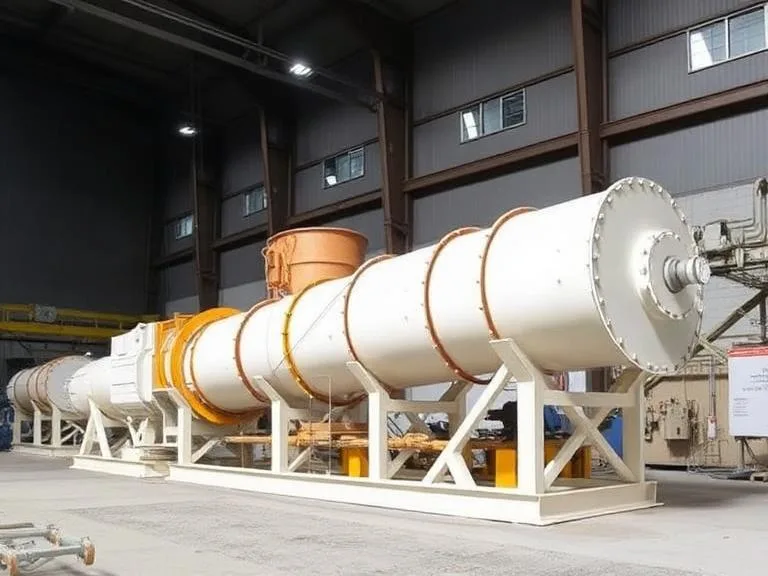
Rotary Trommels: Ideal for gravels containing moderate to heavy clay, cemented gravels, and round river cobbles. The rotating action acts as an autogenous mill where large cobbles tumble against each other, physically scrubbing off clay and liberating trapped gold flakes. They cost 20% to 35% more to manufacture due to massive drive rings, chain drives, and support trunnion rollers.
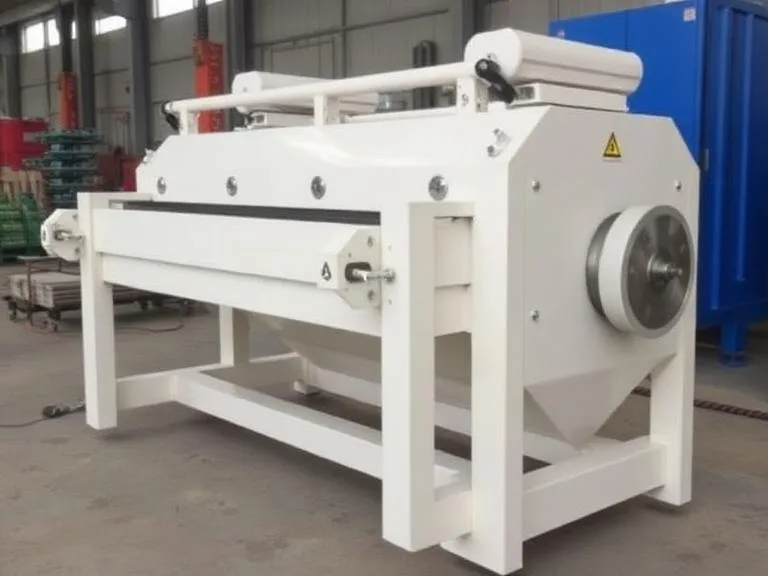
Vibrating Shaker Screens: Ideal for sandy, loose, clay-free alluvial deposits with jagged or fractured rock. They use high-frequency eccentric shafts to fluidize the bed of material over multi-tier screen decks. They consume less water per ton and are simpler to maintain, but fail completely when confronted with thick, sticky saprolite or plastic blue clays.
Summary and Comparison Tables
Quick Summary Table: 2026 Gold Wash Plants Cost by Capacity
| Operating Tier | Feed Capacity | Average Capital Cost | Typical Excavator Match | Water Demand |
|---|---|---|---|---|
| Exploration / Micro | 5 – 25 TPH | $8,000 – $35,000 | Mini Excavator (3-8 ton) | 100 – 350 GPM |
| Small Commercial | 30 – 60 TPH | $45,000 – $95,000 | 12 – 20 Ton Excavator | 500 – 1,000 GPM |
| Mid-to-Large Commercial | 70 – 150 TPH | $110,000 – $220,000 | 20 – 35 Ton Excavator | 1,200 – 2,500 GPM |
| Industrial Heavy Duty | 160 – 300+ TPH | $250,000 – $550,000+ | 35 – 50 Ton Excavator | 2,500 – 4,500+ GPM |
Comparison Table: Trommel Wash Plants vs. Incline Shaker Screens
| Operational Feature | Rotary Trommel Wash Plant | Incline Vibrating Shaker Screen |
|---|---|---|
| Clay Breaking Capability | Superior (Internal tumbling and washing) | Poor (Clay balls blind screens easily) |
| Screening Precision | Moderate | High (Sharp size cuts across decks) |
| Water Requirement | Higher (15-25 GPM per ton/hr) | Lower (10-18 GPM per ton/hr) |
| Initial Equipment Cost | 20% – 35% Higher | Baseline Standard |
| Drive System Complexity | High (Trunnions, chains, sprockets) | Low (Vibrator motors, eccentric shafts) |
Pros and Cons of Commercial Gold Wash Plants
| Pros (Why you must invest) | Cons (Operational real-world risks) |
|---|---|
| Massive processing capacity converts marginal ground into profitable reserves. | High upfront capital cost and continuous fuel consumption. |
| Continuous gravity processing eliminates the need for chemical leaching. | Extreme dependence on continuous, high-volume water supply. |
| Skid or wheel mounting allows rapid relocation across large placer claims. | Abrasive gravels cause continuous wear on screens, pumps, and sluice riffles. |
| Automation options allow full plant operation with minimal labor crews. | Fine gold (sub-150 mesh) can still escape without downstream centrifugal clean-up. |
Expert Recommendation & Downstream Hardware
Is investing $150,000+ into a high-spec gold wash plant actually worth the expense? Emphatically, yes, provided your paydirt geology matches the plant design. Chasing volume with a cheap, under-built machine causes continuous mechanical downtime and dumps fine gold into the tailings pond. We recommend purchasing an oversized, heavy-duty skid-mounted plant featuring AR400 liners, direct hydraulic drives, and modular polyurethane screen panels.
However, modern placer miners frequently encounter a severe metallurgical bottleneck that standard sluice boxes cannot solve: heavy black sands (magnetite and hematite). When black sands saturate your sluice box, they pack the riffles tight like concrete, preventing fine gold flakes from settling into the capture matting. Gold simply washes over the packed black sand and out the back of the plant. To maximize true commercial profitability, leading mines integrate high-gradient magnetic pre-concentration ahead of final gravity clean-up to strip away magnetic iron minerals continuously.

By integrating magnetic remediation into your alluvial circuit, you cleanly reject dense iron sands, leaving high-grade non-magnetic gold concentrates that can be finished in minutes rather than spending hours panning concentrates by hand. Operators assessing related industrial machinery can compare investment models in our analysis of eddy current separator cost factors, or review full equipment supply chains among top mining equipment manufacturers global networks.
Frequently Asked Questions
What is the average gold wash plants cost for a commercial mine in 2026?
In 2026, a mid-scale commercial gold wash plant processing between 50 and 150 tons per hour costs between $65,000 and $220,000 for the bare plant, and up to $350,000 including high-volume water pumps, diesel generators, and sluice infrastructure. Larger industrial circuits exceeding 200 TPH easily surpass $400,000 to $600,000.
Why do trommel wash plants cost more than vibrating shaker screen plants?
Trommels feature complex heavy-duty drive chains, oversized rotary barrels, trunnion rollers, and internal scrubbing sections designed to break down dense sticky clay. This extra mechanical hardware increases manufacturing costs by 20% to 35% compared to vibrating screen decks, which utilize simpler vibrator motors and steel coil springs.
What are the hidden operating costs when buying a gold wash plant?
The largest secondary expenses include water delivery (high-volume slurry pumps and piping), heavy earthmoving matching (excavators and loaders to feed the plant), electrical power generation, replacement screening mesh, and slurry tailings management. Ancillary site support systems frequently match or exceed the initial purchase price of the wash plant itself.
Can a placer gold wash plant process hard rock ore?
No. A placer gold wash plant is engineered strictly for alluvial gravels, sands, and clays where the gold is already naturally liberated from host rock. Processing hard rock ore requires heavy crushing and grinding circuits (jaw crushers, cone crushers, and ball mills) to reduce the solid rock to a powder before gravity or flotation concentration can occur.
Industry References & Authoritative Engineering Guidelines
To ensure our metallurgical data and CAPEX guidance conform to verified mining industry benchmarks, Oromineral aligns its equipment evaluations with standards published by these authoritative organizations:
- United States Geological Survey (USGS): Placer Gold Recovery Methods and Mineral Industry Surveys, providing technical frameworks on gravity concentration and alluvial deposit mechanics. Review USGS Technical Publications
- Society for Mining, Metallurgy & Exploration (SME): SME Mining Engineering Handbook, standardizing mineral processing sizing, screening efficiency equations, and capital expenditure estimations. Review SME Mining Standards
- Canadian Institute of Mining, Metallurgy and Petroleum (CIM): CIM Best Practice Guidelines for the estimation and mechanical operation of mineral processing facilities. Review CIM Mineral Guidelines