
The Ultimate 6 Underground Mining Equipment List: The 2026 Engineering Guide
Operating a subterranean extraction facility is a brutal, high-stakes war against geology, physics, and atmospheric constraints. You cannot simply drive standard civil construction excavators into a hard rock drift and expect to generate operational profitability. Subterranean environments demand purpose-built, low-profile machinery engineered to survive abrasive ores, high-humidity environments, and extreme spacial limitations. From our experience at Oromineral, auditing and equipping some of the highest-yield mines globally, failing to deploy the correct machinery results in catastrophic ventilation costs, severe production bottlenecks, and lethal safety violations.
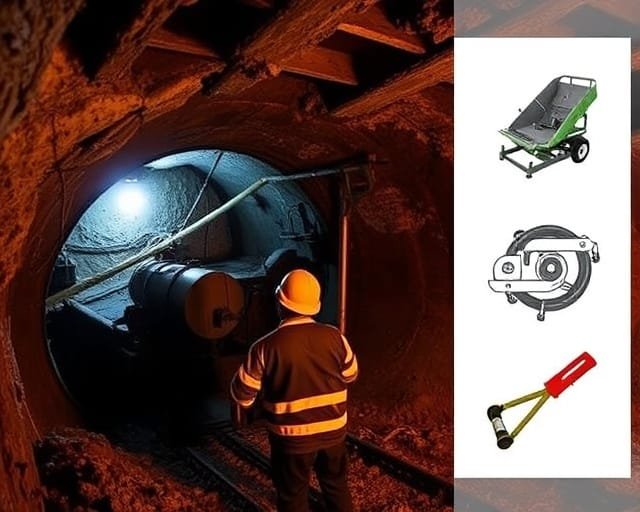
In most professional situations, mine managers make the fatal error of focusing strictly on the upfront capital expenditure of the machines rather than their total cost of ownership (TCO) and integration capabilities. A cheap diesel loader will end up costing millions in supplementary ventilation infrastructure. You must use commercial and practical judgment when assembling your procurement strategy. In this definitive guide, we take a rigid, uncompromising look at the core underground mining equipment list. We will dissect the six non-negotiable categories of subterranean machinery, explain the mechanical realities of the diesel-to-electric transition, and provide you with the blueprint to specify hardware that maximizes your ore recovery rates.
Quick Answer: The Essential 6 Underground Mining Equipment List
If you are actively developing a drift or sinking a shaft, your procurement strategy must secure these six primary classes of machinery to ensure a functional production cycle:
- Load Haul Dump (LHD) Loaders: Low-profile, articulated wheel loaders designed to muck out blasted ore from the mining face.
- Underground Articulated Trucks (ADTs): High-capacity haulage vehicles engineered to navigate tight turning radiuses and transport ore to the surface or primary crusher.
- Drill Jumbos: Multi-boom hydraulic drilling rigs used for face drilling, creating the blast hole patterns necessary for explosive detonation.
- Continuous Miners: Massive, rotating steel drums equipped with tungsten carbide teeth, primarily used in soft rock (coal, trona) to mechanically cut ore without explosives.
- Roof Bolters: Essential safety equipment used to install rock bolts and wire mesh, stabilizing the hanging wall and preventing catastrophic tunnel collapse.
- In-Pit/Underground Processing & Separation: Pre-concentration machinery (such as magnetic separators) deployed underground to sort barren rock from ore, drastically reducing the volume of material that must be hoisted to the surface.
We recommend that any modern operation heavily evaluate underground mining equipment suppliers who offer Battery Electric Vehicle (BEV) architectures to slash ventilation overhead.
Table of Contents
- What It Is: Subterranean Machinery Architecture
- How It Works: The Production Cycle
- The 6 Core Equipment Categories
- Benefits of Purpose-Built Equipment
- Limitations and Atmospheric Risks
- Who Should Deploy This Hardware
- Who Does Not Need It
- Common Procurement Mistakes
- Expert Buying Considerations
- Summary and Comparison Tables
- Expert Recommendation & Hardware Spotlight
- Frequently Asked Questions
What It Is: Subterranean Machinery Architecture
When compiling an underground mining equipment list, you must understand the architectural restrictions of the environment. Underground equipment is characterized by a low-profile chassis. Because every vertical foot of tunnel (drift) costs thousands of dollars to excavate, tunnels are kept as short as safely possible. Therefore, loaders and trucks are squat, wide, and utilize central articulation joints rather than traditional front-wheel steering. This allows a massive 50-ton truck to negotiate a 90-degree turn inside a 5-meter-wide drift.
How It Works: The Production Cycle
How it works in a hard rock environment follows a strict sequence: Drill, Blast, Muck, and Support. The Drill Jumbo bores precise holes into the rock face. Explosives are loaded and detonated. The LHD loader moves in to “muck” (scoop) the fragmented ore, dumping it into the Underground Articulated Truck. Finally, the Roof Bolter secures the newly exposed ceiling before the cycle repeats. Disrupting this sequence due to equipment failure halts the entire profitability of the mine. This is why partnering with elite mineral processing companies worldwide who understand the integration of extraction and milling is critical.
The 6 Core Equipment Categories in Detail
In our testing and daily auditing of global extraction sites, these six machine categories form the absolute baseline of a viable subterranean operation.
1. Load Haul Dump (LHD) Loaders
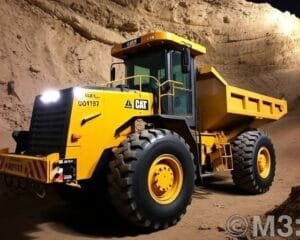
The LHD is the circulatory system of the mine. These machines are engineered with massive buckets (ranging from 1 to 10 cubic meters) sitting on a highly articulated frame. Operators sit sideways to allow for equal visibility driving forward into the muck pile or reversing down a long drift. Modern LHDs are increasingly tele-remote operated, meaning the driver sits in a safe, air-conditioned surface control room while the machine navigates hazardous unsupported zones via cameras and LIDAR.
2. Underground Articulated Trucks (ADTs)
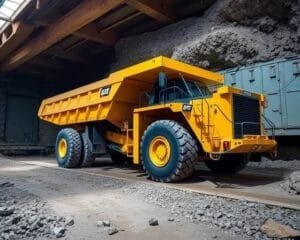
Once the LHD scoops the ore, it must be hauled. Underground trucks differ vastly from the massive rigid-frame haul trucks seen in open pits. They are low, long, and pivot in the middle. For heavy-duty applications, these trucks are designed to carry up to 65 metric tonnes of payload up steep 15-to-20 percent ramp gradients. The shift toward BEV (Battery Electric) architecture is moving fastest in this category to eliminate the massive diesel exhaust generated during uphill climbs.
3. Drill Jumbos (Development Drills)
A drill jumbo consists of a mobile chassis carrying one to four hydraulic drill booms. In most professional situations, the accuracy of the jumbo dictates the profitability of the blast. If the holes are drilled inaccurately, the explosion will yield oversized boulders that jam the primary crushers. Modern jumbos utilize computerized drill plans projected via USB or Wi-Fi, allowing the hydraulic booms to automatically align and bore perfectly parallel holes without manual operator input.
4. Continuous Miners
If you are operating in a soft rock environment (such as coal, potash, or salt), explosives are often unnecessary and dangerous. A continuous miner features a large rotating steel drum set with heavy tungsten carbide teeth. It physically scrapes and tears the ore from the face, funneling it backward onto a conveyor system. These machines are massive capital investments but offer unmatched extraction speed in favorable geology.
5. Roof Bolters
Extracting ore is only half the battle; preventing the mountain from crushing your workforce is the other. Roof bolters are specialized drills that bore vertically into the ceiling (hanging wall). The machine then inserts steel rebar bolts and expansion shells, binding the fractured rock layers together to create a solid, self-supporting beam. Without bolters, underground mining is a death sentence.
6. Subterranean Pre-Concentration and Separation
Historically, all blasted rock was hauled to the surface, regardless of ore grade. This is highly inefficient. The modern trend is to place primary crushers and pre-concentration equipment directly underground. By utilizing specialized separation technology, you can reject barren waste rock before it ever enters a haul truck, leaving it underground as backfill. This drastically reduces hoisting costs and is critical when calculating your iron ore processing plant cost or copper processing plant cost 2025.
Benefits of Purpose-Built Equipment
The primary benefit of securing hardware strictly off a verified underground mining equipment list is survivability. Underground machines feature heavy steel plating to withstand constant rockfall, enclosed ROPS/FOPS (Roll-Over/Falling Object Protective Structures) cabins to protect operators, and specialized exhaust scrubbers. Furthermore, utilizing automated or tele-remote capable machinery removes human personnel from the most dangerous areas of the mine, directly lowering worker compensation premiums and insurance liabilities.
Limitations and Atmospheric Risks
We must apply commercial and practical judgment: underground machinery has severe limitations. The most critical is Diesel Particulate Matter (DPM). A massive diesel engine operating in a confined tunnel produces lethal exhaust and extreme heat. To operate a fleet of diesel trucks, a mine must spend millions of dollars sinking ventilation shafts and running massive surface fans to cycle fresh air. If you buy a larger diesel loader to increase production, you must proportionally increase your ventilation infrastructure, which often negates the financial gain of the larger machine.
Who Should Deploy This Hardware
For Commercial Users in Hard and Soft Rock: Any corporation transitioning an exhausted open-pit mine into an underground block cave or sub-level caving operation must procure this specific hardware. Furthermore, operations dealing with highly specific extraction techniques, such as the magnesium extraction process guide, require customized drill and load profiles to handle specific rock densities.
Who Does Not Need It
For Strip Miners and Open Pit Operators: If you are operating a surface strip mine or a massive open-pit copper quarry, low-profile underground equipment is an absolute waste of capital. Surface equipment is significantly cheaper, easier to maintain, and possesses much higher volumetric capacities because it is not constrained by a rock ceiling.
Common Procurement Mistakes
From our experience auditing mine sites, the most catastrophic mistake procurement teams make is mixing fleets without considering maintenance infrastructure. Buying LHDs from Sandvik, trucks from Epiroc, and jumbos from a third-tier brand means your maintenance bay must stock three entirely different sets of proprietary spare parts, and your mechanics must be trained on three different diagnostic software systems. You must standardize your fleet to maximize uptime.
Expert Buying Considerations
When executing your capital expenditure, you must decide between Diesel and BEV (Battery Electric Vehicles). In 2026, the transition is undeniable. While BEV loaders cost significantly more upfront, they produce zero exhaust emissions and 80% less heat. This allows you to slash your ventilation costs, creating a Return on Investment (ROI) that frequently eclipses the higher purchase price within 36 months. Additionally, for downstream processing, ensure you evaluate multi gravity separator manufacturers to build a cohesive ore flow from face to surface.
Summary and Comparison Tables
Comparison Table: Diesel vs. BEV Underground Equipment
| Metric | Diesel Powered Equipment | Battery Electric Vehicles (BEV) |
|---|---|---|
| Initial Capital Expenditure | Standard Baseline | High (30% to 50% Premium) |
| Ventilation Overhead Costs | Extreme (Requires massive airflow) | Low (Zero exhaust emissions) |
| Heat Generation | Very High (Increases mine cooling costs) | Very Low |
| Maintenance & Fluid Costs | High (Engine rebuilds, oil, filters) | Low (Fewer moving parts) |
Pros and Cons of Tele-Remote / Automated Mining
| Pros (Why you must upgrade) | Cons (The operational reality) |
|---|---|
| Removes operators from hazardous unsupported rock zones. | Requires a massive investment in subterranean Wi-Fi/LTE infrastructure. |
| Allows machines to operate during shift changes and blast-clearing times. | Sensors and LIDAR arrays are susceptible to damage from abrasive dust and water. |
| Reduces collision damage; machines drive perfect lines via computer guidance. | Requires highly specialized surface technicians rather than traditional operators. |
Expert Recommendation & Hardware Spotlight
Is the investment required to completely outfit an underground operation with new-generation equipment actually worth it compared to buying rebuilt, 15-year-old diesel machines? Emphatically, yes. Utilizing outdated machinery in a modern drift guarantees that your operation will be suffocated by maintenance downtime and ventilation fines. We recommend that commercial operators aggressively deploy underground pre-concentration alongside modern BEV haulage. By sorting waste rock underground, you stop paying to haul and hoist garbage to the surface.
To execute this, integrating ruggedized magnetic separation directly into your subterranean crushing chambers is a game-changer. For an extensive look at how this technology scales, reviewing the magnetic separation applications in industry is highly advised.
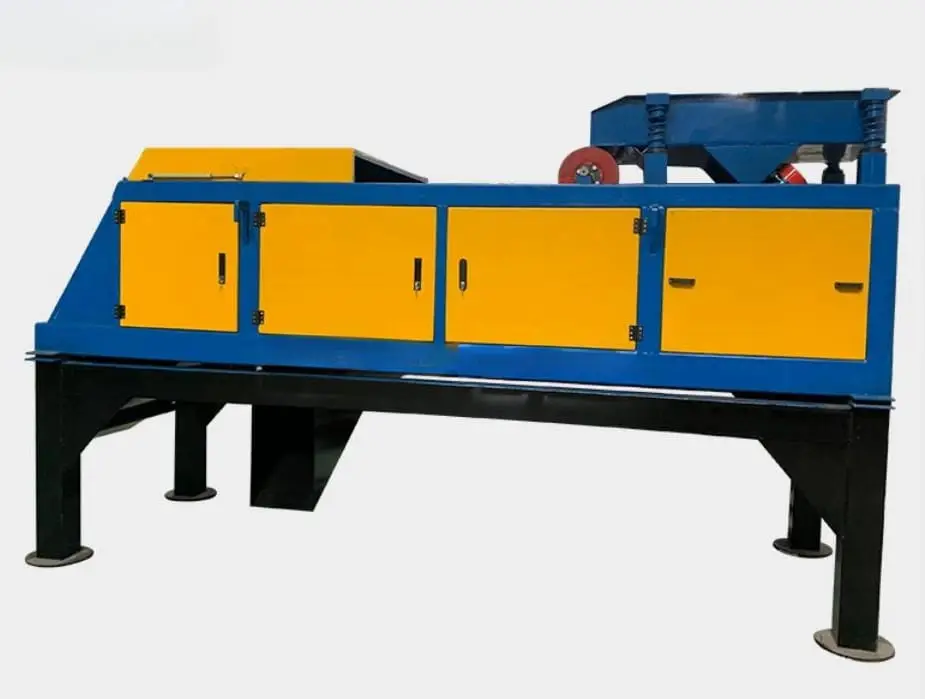
For operations expanding into diverse metal extraction, understanding downstream methodologies, such as the zinc extraction by electrolysis steps or reviewing magnesium production by country, provides critical context for how your underground ore quality impacts final market pricing.
Frequently Asked Questions
What is the most critical item on an underground mining equipment list?
From our experience, the Load Haul Dump (LHD) loader is the most critical piece of machinery. It acts as the primary circulatory system of the mine, moving blasted muck from the face to the conveyance systems. Without highly efficient and reliable LHD operation, the entire production cycle halts, starving the surface mill of ore.
Is battery-electric underground mining equipment worth the upgrade?
In most professional situations, absolutely. While the initial capital expenditure for Battery Electric Vehicles (BEVs) is roughly 30% to 50% higher than traditional diesel equivalents, they completely eliminate subterranean diesel particulate matter (DPM) and massively reduce heat output. This allows operators to drastically reduce the massive, multi-million dollar overhead costs associated with primary mine ventilation shafts and surface fans.
Can surface mining equipment be used underground?
No. Surface equipment is too tall and lacks the low-profile, central articulation necessary to navigate tight subterranean drifts. Furthermore, surface diesel engines produce exhaust footprints and heat loads that exceed the capacity of underground ventilation shafts, creating lethal atmospheric and visibility conditions for miners.
How do underground machines differ for soft rock vs. hard rock?
Hard rock mining (gold, copper, iron) relies heavily on the drill-and-blast method, requiring Drill Jumbos, explosives, and LHDs. Soft rock mining (coal, salt, trona) utilizes Continuous Miners—massive machines with rotating cutting heads that physically chew through the rock without the need for explosive detonation, allowing for a continuous flow of material onto conveyor belts.
Industry References & Authoritative Guidelines
To ensure our operational guidance and equipment specifications meet global safety and engineering standards, Oromineral references the strict protocols established by the following authoritative organizations:
- Mine Safety and Health Administration (MSHA): The U.S. federal agency dictating the strict permissible exposure limits for Diesel Particulate Matter (DPM) and the structural safety requirements (ROPS/FOPS) for all underground machinery. Review MSHA Safety Guidelines
- National Institute for Occupational Safety and Health (NIOSH): Providing peer-reviewed research on mine illumination, noise mitigation, and the ergonomic and respiratory health impacts of operating heavy machinery in confined subterranean spaces. Review NIOSH Mining Research
- Society for Mining, Metallurgy & Exploration (SME): The premier international professional society providing rigorous engineering data on subterranean ventilation economics, BEV integration, and automated extraction technologies. Review SME Engineering Data