The 5 Basic Refining Processes for Mineral Extraction: Engineering, Equipment & Flowsheet Strategy
Raw run-of-mine ore extracted from geological deposits is almost never pure enough for direct commercial or industrial use. Whether dealing with complex sulfide gold matrices, low-grade hematite deposits, silica sands, or polymetallic copper-nickel veins, the target elements remain locked inside worthless gangue rock. Mining operators who treat extractive metallurgy as a trial-and-error experiment inevitably face massive capital waste, suboptimal recovery yields, and severe environmental fines. Selecting and configuring the correct refining processes for mineral ores represents the foundational engineering challenge of every extraction project.
From our experience designing and commissioning beneficiation lines at ORO Mineral, there is no universal shortcut in metallurgical processing. Mineral processing demands a rigorous sequence that transitions from physical comminution and separation to chemical, thermal, or electrochemical purification. If your pre-concentration circuit fails to liberate the target minerals cleanly, your downstream chemical reactors and smelters will consume enormous amounts of energy processing worthless waste. In this guide, we analyze the 5 basic refining processes for mineral transformation, evaluating their mechanics, equipment requirements, capital expenditure tradeoffs, and industrial applications to help you design a profitable, high-recovery flowsheet.
Quick Answer: What Are the 5 Basic Refining Processes for Mineral Extraction?
The 5 basic refining processes for mineral transformation consist of: 1) Physical and Mechanical Beneficiation (gravity, magnetic separation, and froth flotation for pre-concentration); 2) Pyrometallurgical Refining (high-temperature roasting, smelting, and fire refining); 3) Hydrometallurgical Refining (acid/alkali chemical leaching, solvent extraction, and precipitation); 4) Electrometallurgical Refining (electrowinning and electrorefining to achieve 99.99% purity); and 5) Bio-Hydrometallurgical & Chemical Vapor Refining (microbial bioleaching and specialized volatile distillation). We recommend prioritizing aggressive physical pre-concentration using high-intensity magnetic and gravity circuits before committing capital to energy-intensive chemical or thermal refining.
Table of Contents
- What It Is: The Metallurgy of Mineral Refining
- How It Works: The 5 Core Refining Processes
- Brand Spotlight: Intelligent Separation with ORO Mineral
- Quick Summary Table: The 5 Refining Pathways
- Commercial and Operational Benefits of Modern Flowsheets
- Limitations, Energy Intensity, and Bottlenecks
- Pros and Cons Table: Refining Methodologies
- Who Should Use Specific Refining Routes
- Who Does Not Need Complex Chemical Refining
- Common Mistakes in Plant Flowsheet Design
- Buying Considerations: Equipment Selection Matrix
- Expert Recommendation & Strategic Sourcing
- Frequently Asked Questions
- Authoritative Industry References
What It Is: The Metallurgy of Mineral Refining
In extractive metallurgy, refining processes for mineral materials define the sequence of unit operations used to separate valuable native metals, industrial minerals, or chemical compounds from their raw geological host rock and upgrade them to commercial-grade purity. This journey is divided into two broad technical phases: mineral beneficiation (physical pre-refining) and extractive chemical refining (pyro, hydro, electro, or bio-refining).
Physical beneficiation operates on differences in physical properties—such as specific gravity, magnetic susceptibility, electrical conductivity, and surface hydrophobicity—without altering the chemical identity of the mineral lattice. Extractive chemical refining breaks and reforms chemical bonds at elevated temperatures, in aqueous solutions, or under electrical potentials to produce refined bullion, high-purity cathode sheets, or industrial-grade chemical concentrates. Understanding how these disciplines integrate is essential when reviewing mineral processing techniques and equipment for modern mining assets.
How It Works: The 5 Core Refining Processes
In most professional situations, commercial extraction requires combining two or more of these foundational refining methodologies into an integrated circuit. Here is how each basic process operates mechanically and chemically.
1. Physical and Mechanical Beneficiation (Pre-Refining)

Before chemical extraction can take place, raw ore must be crushed, ground, and physically concentrated. This stage separates the economic mineral grains from barren silica, alumina, and carbonate gangue. Mechanical separation relies on three dominant physical phenomena:
- Magnetic Separation: Exploits differences in magnetic susceptibility. High-gradient circuits, such as those explained in our magnetic separator machine working principle guide, pull ferromagnetic magnetite, paramagnetic hematite, ilmenite, and wolframite out of non-magnetic quartz sand. For complex fine slurries, studying the WHIMS magnetic separator working principle is essential for achieving high recovery.
- Gravity Separation: Uses differential settling velocities in water to separate dense minerals (such as native gold, cassiterite, and chromite) from lighter rock matrices via centrifugal concentrators, spirals, and shaking tables.
- Froth Flotation: Manipulates surface chemistry. Chemical collectors and frothers make target mineral surfaces hydrophobic, allowing air bubbles to carry them to the surface of a flotation cell as an upgraded concentrate.
2. Pyrometallurgical Refining (Thermal & Smelting Extraction)
Pyrometallurgy utilizes thermal energy to initiate chemical oxidation-reduction reactions that convert mineral concentrates into raw crude metals. It is the dominant historical method for refining copper, nickel, lead, iron, and precious metals.
The process progresses through three major thermal stages: Roasting (heating the ore in air to eliminate volatile elements like arsenic and convert sulfides into oxides); Smelting (melting the roasted ore in a blast furnace, reverberatory furnace, or flash smelter with fluxing agents to produce a molten matte or crude metal layer beneath a lighter silicate slag layer); and Converting / Fire Refining (blowing oxygen through the molten metal to burn off residual sulfur, iron, and carbon, leaving high-purity blister metal).
3. Hydrometallurgical Refining (Aqueous Leaching & Solvent Extraction)
Hydrometallurgy relies on aqueous chemical solutions to selectively dissolve target metals from ores, concentrates, or tailings. It is the global standard for oxide copper deposits, gold-silver cyanidation, uranium recovery, and battery-grade lithium and nickel production.
The hydrometallurgical flowsheet consists of: Leaching (using sulfuric acid, sodium cyanide, ammonia, or chloride solutions in heaps, vats, or pressurized autoclaves to dissolve target ions into a pregnant leach solution); Solution Purification (using Solvent Extraction or Ion Exchange to selectively transfer target metal ions across an organic phase while stripping out impurities); and Precipitation / Crystallization (adjusting pH, temperature, or chemical reductants to precipitate purified chemical salts or metal oxides).
4. Electrometallurgical Refining (Electrowinning & Electrorefining)
Electrometallurgy represents the final purification step for non-ferrous metals, transforming intermediate chemical solutions or crude smelted anodes into commercial Grade-A metal cathodes reaching 99.99% purity. It operates through two distinct electrical mechanisms:
- Electrorefining: An impure metal anode (such as a 98.5% copper blister anode) and a thin cathode starter sheet are suspended in an acidic electrolyte bath. An electrical direct current (DC) dissolves the anode into solution; pure metal ions migrate across the bath and plate onto the cathode, while insoluble precious metals (gold, silver, platinum) fall to the bottom as valuable anode slime.
- Electrowinning: Used directly after hydrometallurgical solvent extraction. The target metal is extracted from an aqueous pregnant solution by passing an electrical current between an inert, insoluble anode (such as lead-calcium) and a stainless steel cathode, plating the metal directly out of solution without requiring a prior smelting stage.
5. Chemical Vapor Phase & Bio-Hydrometallurgical Refining
The fifth core refining pillar comprises advanced, specialized chemical transformation technologies deployed when conventional pyro- or hydrometallurgical routes are unfeasible or uneconomic:
- Bio-Hydrometallurgy (Bioleaching): Employs naturally occurring chemolithotrophic microorganisms (such as Acidithiobacillus ferrooxidans) to biologically oxidize refractory sulfide minerals. The bacteria break down the iron-sulfur matrix at low temperatures, liberating encapsulated gold or copper that would otherwise resist standard chemical leaching.
- Vapor Phase & Distillation Refining: Exploits differences in boiling points or the formation of volatile metal compounds. Examples include the Mond Carbonyl Process (converting crude nickel into gaseous nickel carbonyl at low temperatures and decomposing it into 99.99% pure nickel pellets at higher temperatures) and zinc/mercury retorting distillation.
| Refining Process | Operating Medium | Primary Target Minerals | Final Product Form | Energy & Carbon Profile |
|---|---|---|---|---|
| 1. Physical & Magnetic Beneficiation | Water slurries / Dry mechanical | Iron ore, silica sand, ilmenite, heavy mineral sands, coal | High-grade mineral concentrate (60%-68% Fe, purity quartz) | Low carbon footprint; purely mechanical/hydraulic electrical draw |
| 2. Pyrometallurgical Refining | High-temperature molten furnace baths | Copper, nickel, lead, zinc, pig iron, tin, precious metals | Molten matte, crude bullion, blister copper (98.5%-99.5%) | Very high thermal energy; carbon-intensive fossil fuel combustion |
| 3. Hydrometallurgical Refining | Aqueous chemical reagents (acid/alkali) | Gold, silver, uranium, lithium, cobalt, nickel laterites | Purified chemical precipitates, metal hydroxides/carbonates | Moderate thermal energy; high chemical reagent consumption |
| 4. Electrometallurgical Refining | Acidic/alkaline electrolytic cells | Refined copper, aluminum, zinc, nickel, precious metals | High-purity cathode sheets, ingots (99.99% purity) | Extremely high direct electrical power consumption (MWh/ton) |
| 5. Bio & Vapor-Phase Refining | Microbial bio-reactors / Gas distillation | Refractory gold sulfides, low-grade copper, nickel carbonyl | Liberated pregnant solutions, decomposed pure metal pellets | Low thermal footprint; slow chemical reaction kinetics |
Commercial and Operational Benefits of Modern Flowsheets
Deploying optimized refining processes for mineral beneficiation yields massive balance-sheet returns. In our testing across complex industrial sites, the modern approach is defined by hybrid integration rather than reliance on single-stage processing.
- Maximized Ore Recovery Rates: Multi-stage flowsheets recover microscopic and locked mineral grains that single-stage circuits discard to tailings ponds. Integrating advanced gold mining equipment manufacturers technology with magnetic scavengers regularly boosts overall gold and precious metal recovery by 8% to 15%.
- Drastic Smelting Cost Reductions: Smelting unbeneficiated ore is an economic disaster. Upgrading ore from 20% to 65% purity via physical magnetic or gravity pre-concentration slashes fuel consumption, slag production, and transport volume per ton of finished metal.
- Commercial Byproduct Monetization: Integrated refining turns environmental liabilities into revenue. Pyrometallurgical smelters capture sulfur dioxide gas to produce commercial sulfuric acid; hydrometallurgical circuits extract valuable cobalt, tellurium, and selenium from copper and nickel refinery slimes.
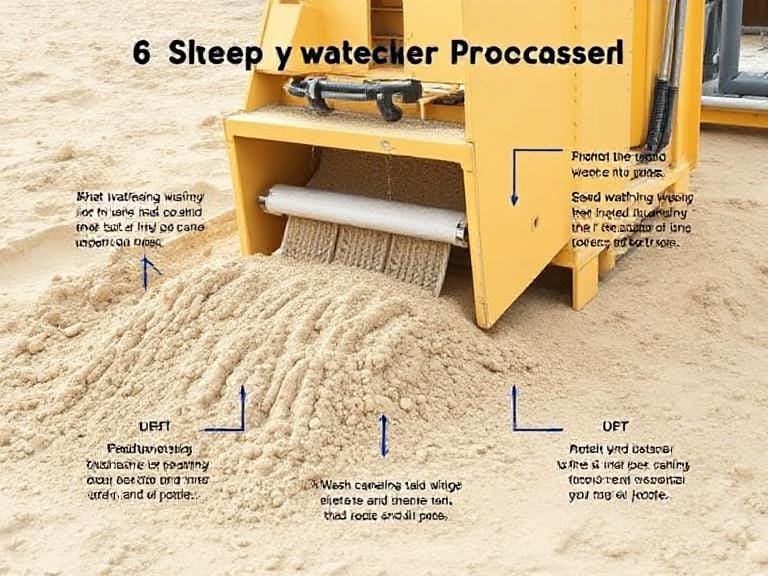
- Environmental and Tailings Compliance: Upgrading silica sand using an advanced sand washing plant working principle eliminates clay silts and heavy metals, creating inert tailings while yielding high-spec foundry and construction sand.
Limitations, Energy Intensity, and Bottlenecks
While refining processes for mineral transformation are essential, engineers must address harsh operational and economic boundaries:
Astronomical Electrical and Thermal Demands: Pyrometallurgical flash furnaces and electrometallurgical tankhouses draw immense amounts of power. If your mining concession lacks access to a stable, low-cost electrical grid or natural gas infrastructure, operating on-site electrowinning or smelting lines is commercially impossible.
Permitting, Reagent Costs, and Effluent Liabilities: Hydrometallurgical operations consume thousands of tons of hazardous sulfuric acid, sodium cyanide, and organic solvents annually. In many jurisdictions, managing toxic wastewater, cyanide neutralization ponds, and acid rock drainage triggers multi-year environmental permitting delays and massive closure bonds.
| Refining Route | Core Advantages (Pros) | Major Drawbacks (Cons) |
|---|---|---|
| Physical / Magnetic Beneficiation | Lowest operating cost; zero toxic chemical waste; rapid ROI; simple mechanical operation. | Cannot alter chemical bonds; limited to physical liberation size; cannot produce 99.99% pure bullion. |
| Pyrometallurgy | Extremely high production throughput; rapid reaction kinetics; processes complex multi-metal ores. | Enormous CapEx; heavy greenhouse gas emissions (SO2/CO2); strict emission scrubbers required. |
| Hydrometallurgy | Treats low-grade and refractory ores economically; highly scalable modular expansion; zero SO2 emissions. | High chemical reagent costs; large water consumption; long reaction residence times (heap leaching). |
| Electrometallurgy | Delivers absolute highest commercial purity (99.99%); produces readily marketable LME-grade cathodes. | Immense electrical power consumption; sensitive to chloride and organic electrolyte contamination. |
| Bio-Hydrometallurgy | Extremely low CapEx; processes sub-economic sulfide waste; eco-friendly biological mechanism. | Very slow reaction kinetics (months/years); sensitive to temperature drops and bacterial toxicity. |
Who Should Use Specific Refining Routes
For Commercial Mining Operations and Industrial Quarries: If you are processing silica sand, iron ore, ilmenite, or aggregate, physical beneficiation is your primary and often final refining stage. Deploying heavy-duty sand washer machines industrial systems and high-intensity magnetic drums upgrades industrial sands directly to commercial foundry and solar glass purity without chemical intervention.
For Precious and Base Metal Producers: Hard-rock gold, silver, copper, and zinc assets must utilize hybrid flowsheets. Crushed ore must pass through gravity concentrators and froth flotation to generate a dense concentrate, which is then routed to on-site hydrometallurgical cyanidation/CIL (Carbon-in-Leach) circuits or shipped directly to commercial smelters. Operators sourcing gear from established gold processing equipment manufacturers rely on this exact multi-stage integration.
Who Does Not Need Complex Chemical Refining
For Aggregate, Sand, and Low-Value Bulk Producers: If your end product sells for under $50 per ton (such as construction sand, road base, or gravel), you do not need chemical leaching, autoclaves, or thermal smelters. Attempting to deploy chemical refining on bulk sand destroys project economics. Your flowsheet should focus exclusively on screening, washing, and magnetic iron removal using reliable sand washing methods guide protocols.
For Exploration Juniors and Small-Scale Concessions: Junior mining operators with sub-50,000-ton annual reserves should avoid constructing on-site pyrometallurgical smelters or electrowinning plants. In most professional situations, smaller operators should build a high-efficiency physical concentration plant on-site, produce a high-grade concentrate, and sell that concentrate directly to established toll smelters or international commodity trading houses.
Common Mistakes in Plant Flowsheet Design
In our years auditing underperforming mineral plants, we consistently observe five catastrophic engineering mistakes:
- Skipping Comminution Liberation Testing: Designing a flotation or magnetic circuit without conducting thorough Mineral Liberation Analysis (MLA) or QEMSCAN testing. If the ore is ground too coarse, the valuable mineral remains locked inside gangue particles; if ground too fine (over-grinding), valuable fines “slime” and wash out into tailings.
- Neglecting High-Intensity Magnetic Separation: Many operators rely solely on gravity tables to clean mineral sands, ignoring paramagnetic contaminants like hematite and rutile. Implementing multi-stage circuits based on our magnetic separation process guide removes iron impurities cleanly without chemical costs.
- Misjudging Water Chemistry in Flotation and Leaching: Using recycled process water contaminated with residual calcium ions or flotation reagents in your leaching circuit can depress target metal recovery, causing cyanide or acid to bind with the wrong ions.
- Failing to Account for Refractory Carbon / Arsenic: Attempting standard cyanidation on gold ore containing active carbon (“preg-robbing” carbon) or arsenic-rich arsenopyrite results in sub-30% recovery. These ores require pre-oxidation via autoclaves, roasting, or bio-oxidation before leaching.
- Ignoring Eddy Current Technology in Metal Recycling: Modern solid waste and electronic scrap processors often fail to separate non-ferrous aluminum and copper fines. Reviewing real-world eddy current separator cost metrics reveals that high-frequency rotor systems pay for themselves within months in metal recovery applications.
| Refining Stage | Initial Capital Expenditure (CapEx) | Ongoing Operating Expenditure (OpEx) | Primary Cost Drivers | Typical Payback Period |
|---|---|---|---|---|
| Physical / Magnetic Circuit | Low to Moderate ($500k – $5M) | Very Low ($2 – $8 / ton processed) | Grinding media, screen wear liners, pump impellers | 6 to 18 Months |
| Hydrometallurgical Plant | High ($10M – $100M+) | Moderate to High ($25 – $80 / ton) | Reagents (sulfuric acid, cyanide, lime), organic SX solvents | 2 to 4 Years |
| Pyrometallurgical Smelter | Extreme ($150M – $1B+) | Extreme ($100 – $300 / ton metal) | Natural gas/coal fuel, refractory brick relining, oxygen plants | 5 to 8 Years |
| Electrometallurgical Tankhouse | Moderate to High ($20M – $80M) | High (Direct electrical costs) | Megawatt electrical consumption, lead/titanium anode replacement | 3 to 5 Years |
Buying Considerations: Equipment Selection Matrix
When procuring processing machinery from top underground mining equipment suppliers or industrial separation manufacturers, use this practical checklist to match your ore mineralogy to the right mechanical specifications:
| Target Mineral & Ore Matrix | Primary Beneficiation Equipment | Downstream Refining Technology | Key Equipment Specs to Verify |
|---|---|---|---|
| Fine Silica Sand & Industrial Quartz | High-Gradient Magnetic Drum + Spiral Sand Washers | Acid Leach (Optional for ultra-pure optical quartz) | Magnetic field strength (12,000 – 15,000 Gauss); polyurethane anti-wear liners. |
| Free-Milling Hard Rock Gold | Jaw Crusher + Ball Mill + Centrifugal Gravity Concentrators | Intensive Cyanide Leaching + Electrowinning | G-force rating of centrifugal bowls; automated discharge timing controls. |
| Complex Sulfide Copper/Cobalt | Flotation Cells + Regrind Stirred Mills | Smelting / Flash Converting OR Pressure Autoclave + SX-EW | Bubble dispersion efficiency; impeller tip speed; corrosion-resistant alloys. |
| Heavy Mineral Sands (Ilmenite, Rutile, Zircon) | Wet High-Intensity Magnetic Separators (WHIMS) | Electrostatic Separators + Chlorination/Kroll Thermal | Magnetic matrix plate geometry; water flushing pressure stability. |
For operations sourcing specialized magnetic machinery, evaluating the global market via magnetic separator manufacturers worldwide and leading mining equipment manufacturers global networks ensures you select machinery rated for 24/7 abrasive slurries.
Expert Recommendation & Strategic Sourcing
We recommend adopting a “Physical First, Chemical Second” philosophy when designing your mineral processing flowsheet. In most professional situations, mining engineers make the catastrophic mistake of rushing into complex chemical leaching or high-temperature smelting without exhausting physical beneficiation options. Maximizing physical liberation through precision crushing, desliming sand washers, and high-gradient wet magnetic separation allows you to reject 60% to 80% of barren gangue rock before it ever enters a chemical reactor.
By upgrading your feed concentrate physically, you shrink the required footprint of downstream hydrometallurgical autoclaves, slash reagent consumption, and eliminate millions of dollars in thermal smelting fuel costs. Partner with dedicated separation specialists like Foshan ORO Mineral Co., Ltd. to conduct comprehensive pilot-scale metallurgical testing on your core samples before locking in your final engineering designs. Measure your liberation size accurately, invest in high-gauss magnetic systems and heavy-duty sand washers, and let physics do the heavy lifting before chemistry finishes the job.
Frequently Asked Questions
What is the difference between mineral beneficiation and mineral refining?
Mineral beneficiation (mineral dressing) refers to the physical and mechanical processes (crushing, grinding, magnetic separation, gravity concentration, flotation) that separate valuable minerals from gangue without altering their chemical composition. Mineral refining involves chemical, thermal, or electrochemical extraction (pyrometallurgy, hydrometallurgy, electrometallurgy) that breaks chemical bonds to extract pure elemental metals or refined chemical compounds.
Why is magnetic separation considered a vital pre-refining process?
Magnetic separation is one of the most cost-effective and environmentally clean pre-refining techniques available. It uses magnetic field gradients to pull iron, titanium, and other paramagnetic impurities out of non-metallic mineral sands and industrial ores, upgrading product purity by up to 40% without consuming toxic chemical reagents or fossil fuels.
When is hydrometallurgy preferred over pyrometallurgy for mineral extraction?
Hydrometallurgy is preferred when processing low-grade ores (such as oxide copper deposits containing less than 1% Cu), highly refractory gold ores, or battery metals (nickel, cobalt, lithium) where thermal smelting is economically unviable or prohibited due to strict sulfur dioxide emission regulations.
How does electrowinning differ from electrorefining?
Electrorefining uses an impure metal anode (smelted blister metal) that dissolves into an electrolyte bath and plates onto a cathode sheet. Electrowinning uses an insoluble, inert anode to electrochemically plate metal ions directly out of a pregnant aqueous leach solution resulting from hydrometallurgical solvent extraction.
Authoritative Industry References
- Society for Mining, Metallurgy & Exploration (SME) – Mineral Processing & Extractive Metallurgy Handbook Standards
- United States Geological Survey (USGS) – National Minerals Information Center Technical Reports
- Canadian Institute of Mining, Metallurgy and Petroleum (CIM) – Standards on Mineral Processing and Metallurgy Best Practices