5 Uses of Magnetic Separation Equipment: A 2026 Industrial Guide
Modern industrial processing is entirely dependent on material purity. Whether you are extracting valuable minerals from raw ore, ensuring the safety of pharmaceutical powders, or recovering ferrous metals from urban waste, contamination is the enemy of profitability. Relying on outdated mechanical sorting methods is a guaranteed way to bottleneck your operations and destroy expensive downstream machinery. From our experience engineering heavy-duty separation systems at Oromineral, the strategic implementation of magnetic force is the most reliable, cost-effective way to protect your production line.
However, understanding the raw uses of magnetic separation equipment requires commercial and practical judgment. Buying an underpowered ceramic magnet for a high-volume mining conveyor will result in catastrophic crusher failures. You must match the magnetic field intensity to the specific material flow. In this comprehensive guide, we will break down exactly how professionals deploy this technology, analyze the core industrial applications, and provide strict decision-making frameworks for upgrading your processing facility.
Quick Answer: What are the Uses of Magnetic Separation Equipment?
The primary uses of magnetic separation equipment span five core industries: 1) Mining and Mineral Processing (upgrading iron ores and removing tramp metal to protect crushers), 2) Recycling and Waste Management (recovering valuable ferrous metals from shredded waste), 3) Food and Pharmaceutical Processing (ensuring FDA compliance by removing microscopic iron contaminants), 4) Chemical and Ceramics Purification (preventing discoloration by extracting iron oxides), and 5) Coal Preparation and Power Generation (removing iron impurities to prevent boiler damage). Utilizing the correct equipment significantly increases product purity and protects downstream capital investments.
Table of Contents
- 1. What It Is and How It Works
- 2. The 5 Core Uses of Magnetic Separation Equipment
- 3. Quick Summary Table: Industrial Applications
- 4. Comparison Table: Dry vs. Wet Magnetic Separation
- 5. Benefits of Implementing Magnetic Separation
- 6. Limitations: What Magnetic Separators Cannot Do
- 7. Pros and Cons Analysis
- 8. Who Should Use It (And Who Does Not Need It)
- 9. Common Operational Mistakes
- 10. Professional Buying Considerations
- 11. Expert Recommendation & Product Spotlight
- 12. Frequently Asked Questions (FAQ)
- 13. Authoritative References
1. What It Is and How It Works
Magnetic separation equipment is an industrial mechanism designed to extract magnetically susceptible materials from a mixture using a magnetic field. In most professional situations, these systems utilize either permanent rare-earth magnets (like Neodymium) or powerful electromagnets powered by direct current coils.
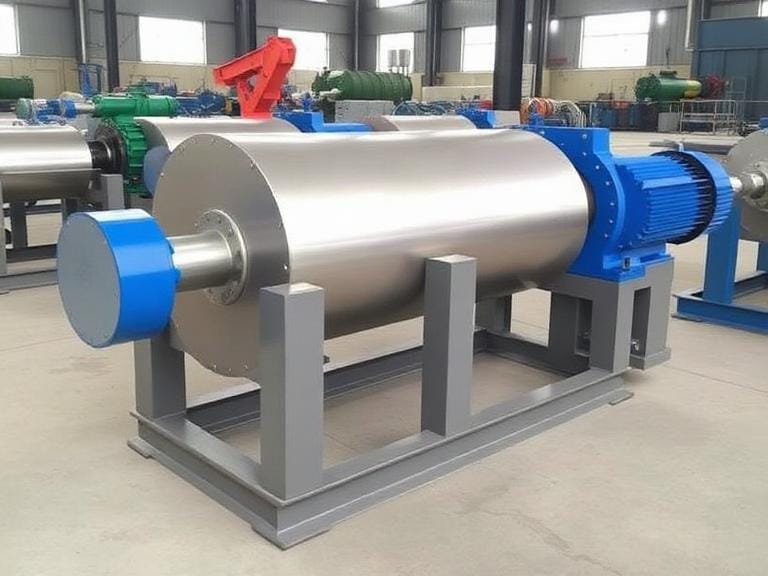
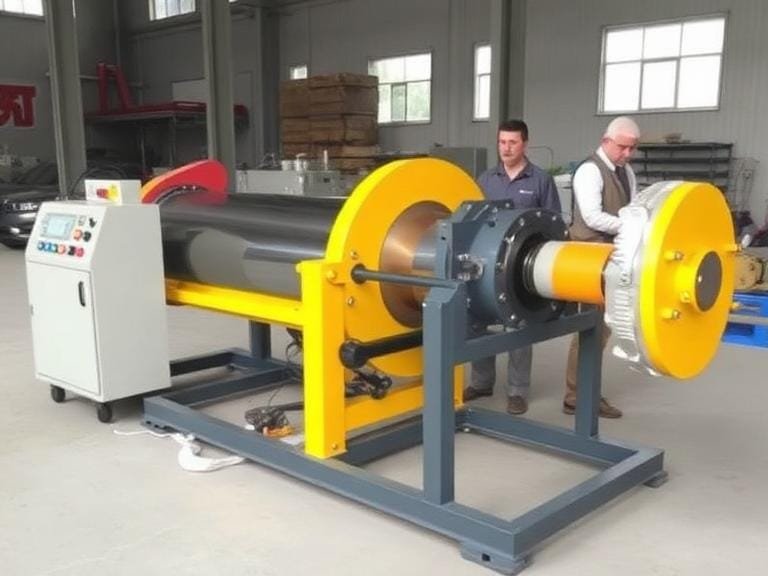
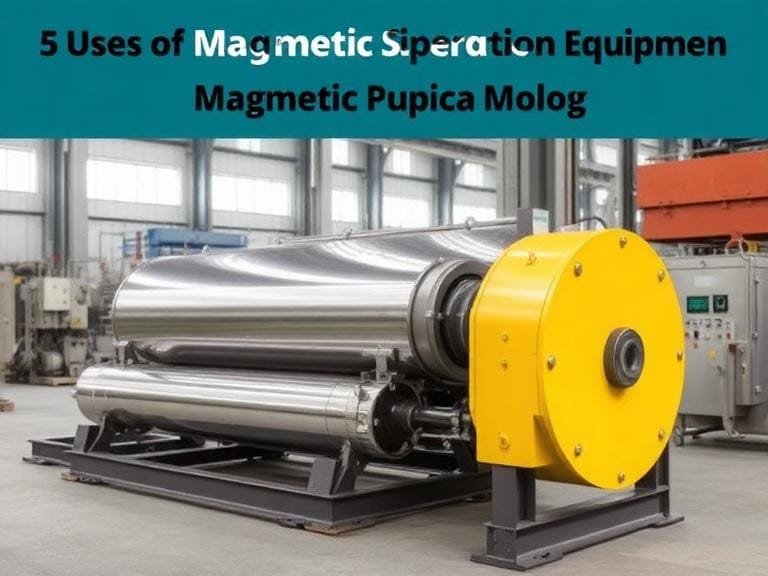
The operational principle relies on magnetic susceptibility. When a mixed stream of bulk material passes through the magnetic field, ferrous particles (like iron, steel, and certain paramagnetic minerals) are attracted to the magnet. Non-magnetic particles continue their normal trajectory under the influence of gravity or centrifugal force. By manipulating the Gauss strength and the physical design of the separator (such as overhead cross-belt magnets, magnetic pulleys, or magnetic drums), operators can continuously and automatically split the material stream without halting production.
To truly understand how this technology scales for challenging ores, operators should review the mechanics behind the high intensity magnetic separation process.
2. The 5 Core Uses of Magnetic Separation Equipment
The versatility of magnetic fields makes this equipment indispensable across multiple sectors. Below are the five most critical uses of magnetic separation equipment in the modern industrial landscape.
1. Mining and Mineral Processing
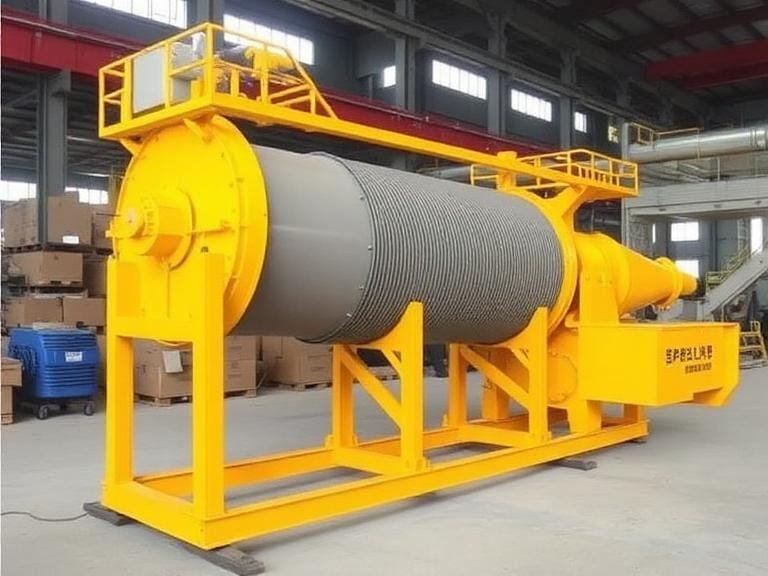
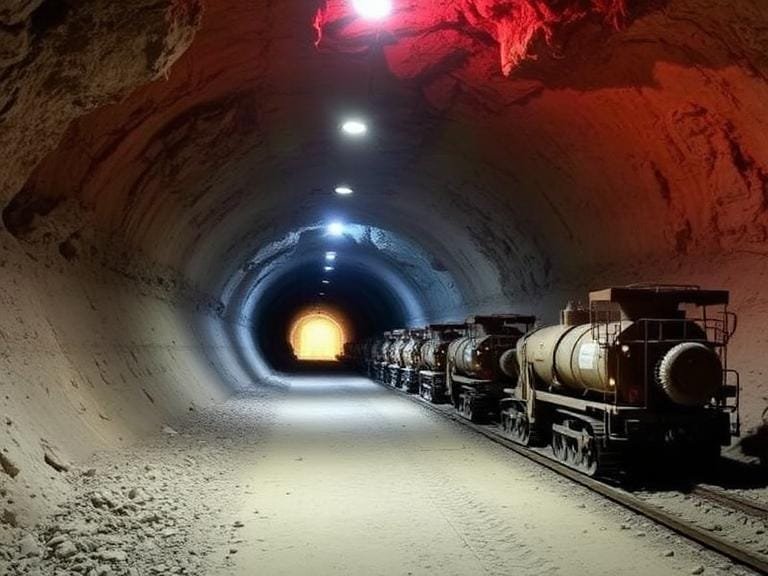
For heavy-duty applications in the mining sector, magnetic separation serves two distinct purposes: tramp metal removal and ore beneficiation. Tramp metal (such as broken drill bits, excavator teeth, or rogue bolts) must be removed before raw ore enters secondary crushers. A single piece of tramp steel can destroy a cone crusher, causing hundreds of thousands of dollars in downtime. Conversely, in ore beneficiation, magnetic drums are used to upgrade low-grade iron ore (magnetite) into high-purity concentrates. Many top underground mining equipment suppliers integrate these separators directly into their primary crushing circuits.
2. Recycling and Waste Management
In the recycling industry, profitability hinges on the ability to cleanly segregate mixed materials. Municipal solid waste (MSW) and auto shredder residue (ASR) are chaotic mixtures of plastic, glass, aluminum, and steel. Suspended overband magnets and magnetic pulleys are deployed to rip ferrous metals out of the waste stream. This not only generates a sellable scrap steel product but also protects subsequent eddy current separators from ferrous damage. For a deeper dive into this sector, examine the various methods to separate iron and steel.
3. Food and Pharmaceutical Processing
In our testing and design of food-grade systems, the focus shifts from bulk recovery to microscopic purification. A single speck of iron shaving from grinding machinery can trigger a massive product recall. Food and pharmaceutical processors utilize ultra-high-strength rare earth magnetic grates, tubes, and liquid line traps to capture fine iron dust and work-hardened stainless steel particles. These systems ensure strict FDA compliance and consumer safety.
4. Chemical and Ceramics Purification
The presence of iron oxide in chemical precursors or ceramic clays causes severe discoloration, turning a premium white ceramic into a flawed, rust-spotted reject. High-gradient magnetic separators are used to filter out weakly magnetic iron impurities from dry powders and wet slurries, ensuring the absolute chemical purity required for high-end manufacturing.
5. Coal Preparation and Power Generation
Coal naturally contains iron pyrites and often picks up tramp iron during transit. Before coal is pulverized and fed into power plant boilers, it passes under massive electromagnetic separators. Removing this iron prevents catastrophic damage to the pulverizing mills and reduces the emission of sulfur compounds tied to iron pyrites.
3. Quick Summary Table: Industrial Applications
For a broader perspective on how these applications overlap, you can explore more magnetic separation applications in industry.
| Industry | Primary Goal | Typical Equipment Used | Material Targeted |
|---|---|---|---|
| Mining & Minerals | Equipment Protection & Beneficiation | Overband Electromagnets, Wet Drum Separators | Tramp steel, Magnetite, Hematite |
| Recycling | Resource Recovery | Magnetic Pulleys, Cross-belt Separators | Scrap iron, tin cans, shredded steel |
| Food & Pharma | Consumer Safety & Compliance | Rare Earth Grates, Magnetic Traps | Microscopic iron dust, machine wear |
| Chemicals & Ceramics | Product Purity & Aesthetics | High-Gradient Magnetic Filters (HGMS) | Iron oxides, paramagnetic impurities |
4. Comparison Table: Dry vs. Wet Magnetic Separation
One of the most critical decisions an engineer must make is choosing between wet and dry processing. This heavily influences upstream and downstream designs, such as pre-treatment for the copper leaching process guide.
| Feature | Dry Magnetic Separation | Wet Magnetic Separation |
|---|---|---|
| Moisture Content | Must be thoroughly dried (usually less than 3% moisture). | Requires processing as a liquid slurry. |
| Particle Size | Best for coarse materials (greater than 5mm). | Excellent for ultra-fine particles (down to microns). |
| Operating Cost | Lower (no water management or tailings ponds required). | Higher (requires pumps, water treatment, dewatering). |
| Dust Generation | High (requires robust dust collection systems). | None (dust is suppressed by the liquid medium). |
5. Benefits of Implementing Magnetic Separation
We recommend integrating magnetic separation early in the flowsheet. The benefits extend far beyond simple sorting. First, it offers continuous, automated operation. Unlike manual sorting, an overband magnet requires zero human intervention, drastically reducing labor costs. Second, it provides unparalleled equipment protection. The ROI of an electromagnetic separator is often realized the very first time it pulls a steel excavator tooth off the belt before it shatters a $500,000 crusher.
6. Limitations: What Magnetic Separators Cannot Do
It is vital to use practical judgment and acknowledge equipment limitations. Standard magnetic separators cannot sort non-ferrous metals. If you are trying to separate aluminum, copper, or brass from plastic, a standard magnet is useless; you must invest in an Eddy Current Separator. Furthermore, dry magnetic separation struggles with high-moisture, sticky clays. The material will blind the magnet surface, preventing efficient separation and requiring constant manual cleaning.
7. Pros and Cons Analysis
| Pros | Cons |
|---|---|
| Eliminates costly damage to crushers and mills. | Ineffective on non-ferrous metals (aluminum, copper). |
| Highly automated with very low operational labor. | Electromagnets require significant continuous power. |
| Scalable from microscopic food dust to massive mining boulders. | Performance drops if the material burden on the belt is too deep. |
| Zero chemical additives required for separation. | Permanent magnets lose strength if exposed to extreme heat. |
8. Who Should Use It (And Who Does Not Need It)
For commercial users: Any facility operating crushers, shredders, or grinders must utilize tramp iron magnets as an insurance policy. Recycling centers, aggregate quarries, and heavy mineral processing plants absolutely require heavy-duty electromagnetic setups.
For beginners: Small-scale artisan miners or boutique recyclers should start with permanent magnetic pulleys. They require zero electricity to generate a magnetic field, making them cheap to install and operate.
Who does not need it: Facilities dealing strictly with organic, non-mineralized waste, or operations exclusively sorting non-ferrous electronics using optical sorters, may not find primary magnetic separation necessary.
9. Common Sourcing and Operational Mistakes
From our experience, the most common operational failure is ignoring burden depth. If you have 12 inches of heavy ore on a conveyor belt, a weak overhead magnet cannot pull a piece of iron buried at the bottom of that pile. Operators often blame the equipment when the actual issue is improper sizing. You must select a magnet with a field capable of penetrating the maximum burden depth of your specific belt.
Another fatal mistake is failing to specify the operating temperature. Standard Neodymium magnets permanently degrade at temperatures above 80°C. If you are processing hot slag, you must specify high-temperature rated magnets or rely on electromagnets.
10. Professional Buying Considerations
To deepen your understanding of equipment specifications, we advise consulting authoritative mineral processing books list. When issuing a purchase order, evaluate the following criteria:
| Consideration | What to Look For | Why It Matters |
|---|---|---|
| Magnetic Field Intensity | Measured in Gauss or Tesla. Ensure it matches the susceptibility of your target material. | Tramp iron requires 1,500 Gauss. Weakly magnetic hematite requires 10,000+ Gauss. |
| Suspension Height | Operating gap between the magnet face and the conveyor belt. | If the magnet cannot throw a field deep enough, tramp metal will pass underneath it. |
| Self-Cleaning vs. Manual | Self-cleaning units have an armored belt that continuously discharges iron. | Manual cleaning requires halting production to physically scrape iron off the magnet. |
11. Expert Recommendation & Product Spotlight
At Oromineral, we manufacture robust separation solutions designed for the harshest industrial environments. Our dry systems are engineered to maximize recovery while minimizing power consumption.
Featured Solution: Dry Electromagnetic Separator
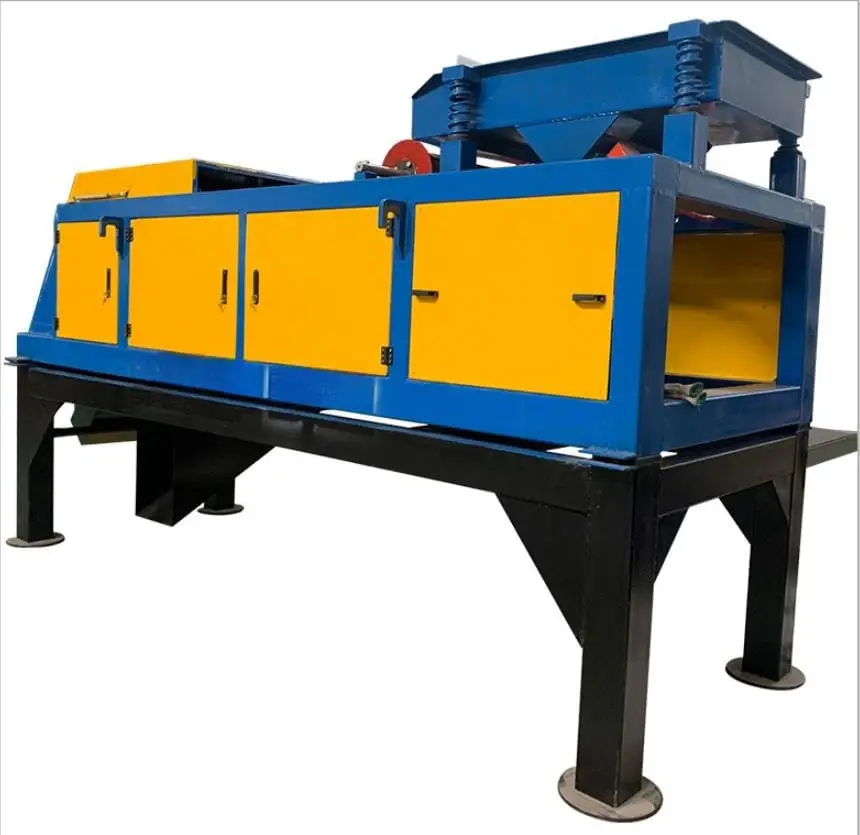
Built for unparalleled reliability, our Dry Electromagnetic Separator provides deep magnetic field penetration for high-capacity dry processing lines.
- Type: Dry Electromagnetic Separator
- Capacity: 5-200 t/h (depends on model and material)
- Feed Size: ≤ 300 mm (adjustable based on application requirements)
- Magnetic Field Intensity: 0.5-2.0 T (adjustable)
- Power Consumption: 15-300 kW (depends on model and capacity)
- Material of Construction: Stainless Steel, Cast Iron, Other Alloys (customizable)
- Operating Temperature: -20°C to 50°C (depends on model)
- Weight: 500 kg – 10,000 kg (depends on model)
12. Frequently Asked Questions (FAQ)
What is the difference between a permanent magnet and an electromagnet separator?
Permanent magnets utilize specialized alloys (like Neodymium or Ferrite) that generate a constant magnetic field without electricity. They are cheaper to operate but have a fixed strength. Electromagnets use electrical coils to generate a massive, deep-reaching magnetic field. They require constant power but can be turned off for cleaning and adjusted for intensity.
Can magnetic separation remove gold or copper?
No. Gold, copper, aluminum, and brass are non-ferrous and diamagnetic, meaning they are slightly repelled by or entirely unaffected by standard magnetic fields. To separate these metals, you must use gravity separation, froth flotation, or Eddy Current Separators.
What are the main uses of magnetic separation equipment in the food industry?
In the food industry, magnetic separators are primarily used for product purification. High-strength magnetic grates and liquid traps capture fine iron dust, rust flakes, and broken machine parts (like sieve wires) from flour, sugar, liquids, and spices to ensure FDA compliance and consumer safety.
13. Authoritative References
To ensure our clients have access to verified industrial standards, we recommend consulting the following authoritative bodies regarding magnetic separation and mineral processing:
- Society for Mining, Metallurgy & Exploration (SME) – The premier professional society providing technical guidelines and peer-reviewed research on mineral processing and extraction technologies.
- U.S. Environmental Protection Agency (EPA) – Federal guidelines and documentation regarding the recycling of municipal solid waste, e-waste, and the mechanical recovery of ferrous materials.
- U.S. Food and Drug Administration (FDA) – Regulatory standards for food safety, emphasizing the critical role of magnetic purification in preventing physical contamination in food supply chains.