Top 9 beneficiation equipment factory USA
When you are operating in the high-stakes world of mineral processing, the equipment you choose is not just a line item on a budget; it is the heartbeat of your plant. From our experience, the difference between a profitable operation and one plagued by downtime often boils down to the engineering rigor of your beneficiation equipment supplier. Far too many operators waste capital on generic, mass-produced systems that fail the moment they hit complex or variable ore bodies. In most professional situations, we recommend prioritizing manufacturers that offer deep metallurgical support rather than just “hardware catalog” sales.
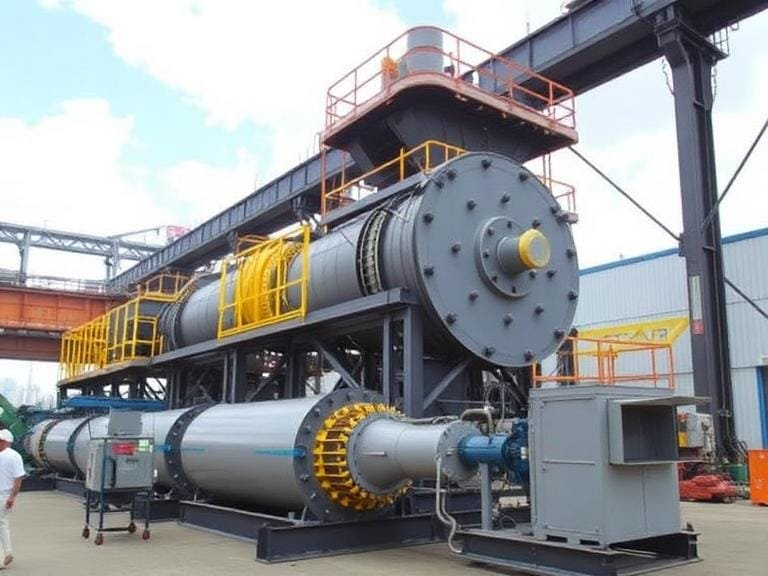
Quick Answer: Should You Source from a USA Beneficiation Equipment Factory?
If your priority is long-term reliability, compliance with strict safety standards, and immediate access to expert technical support, sourcing from established USA-based manufacturers is the gold standard. While initial capital expenditure may be higher than offshore alternatives, the total cost of ownership—factoring in reduced downtime, superior wear-life, and localized field service—almost always favors domestic quality for heavy-duty applications. We recommend working with industry leaders like Eriez, Bunting, or Prater Industries if you require proven, site-specific reliability.
Table of Contents
- What is Beneficiation Equipment?
- Top Manufacturers and Industry Standards
- Buying Considerations for Professionals
- Common Mistakes in Equipment Selection
- Pros and Cons: Domestic vs. Offshore
- Comparison Table: Equipment Selection
- Expert Recommendation from ORO Mineral
- The Bottom Line
- Frequently Asked Questions (FAQ)
What is Beneficiation Equipment?
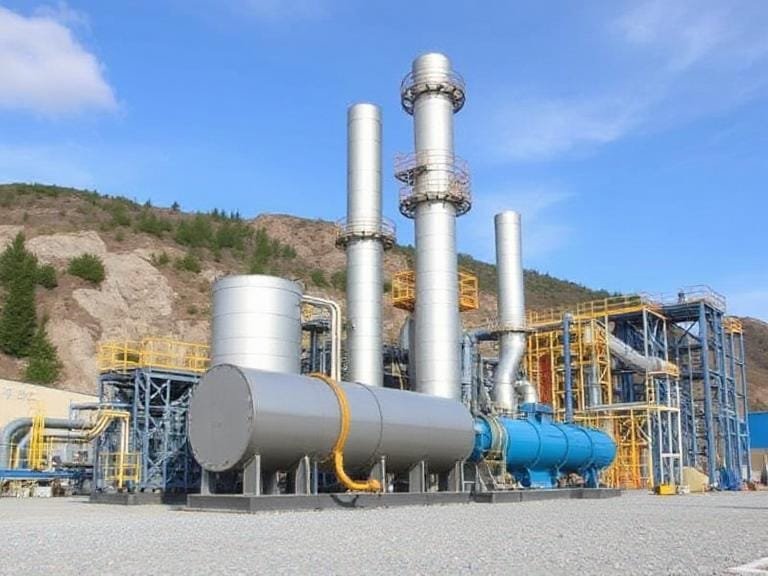
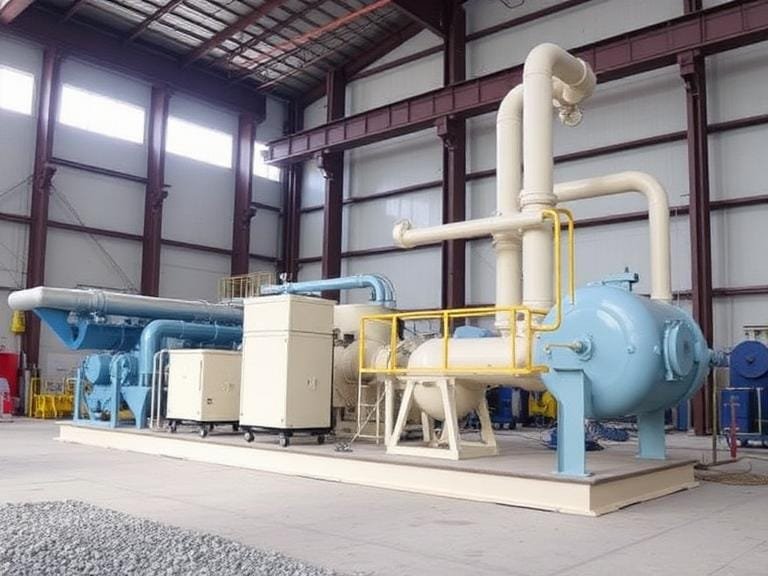
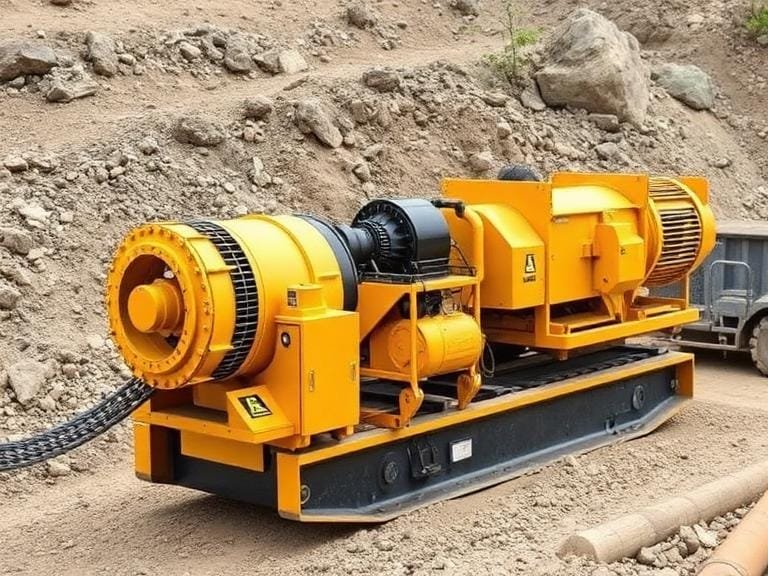
Beneficiation equipment refers to the suite of machinery used to separate valuable minerals from gangue (waste) material. In most professional situations, this involves a multi-stage process: size reduction, separation, and dewatering. Whether you are dealing with iron ore, coal, or critical minerals like lithium, you are essentially looking for technology that handles communition, magnetic separation, or flotation efficiently.
From our experience, the most critical pieces of this puzzle are those that handle separation. Technologies like the WHIMS magnetic separator are standard for high-purity yield, while flotation cells and centrifugal concentrators are used for finer mineral liberation. If your setup is not tailored to your specific mineralogy—determined by precise testing—you are effectively throwing money into your tailings pond.
Top Manufacturers and Industry Standards
When surveying the landscape of mineral processing companies worldwide, the USA stands out for its high level of engineering expertise. Companies like Eriez have dominated the sector for over 80 years, providing advanced flotation and magnetic separation. Similarly, Prater Industries has spent nearly a century refining particle size reduction systems. For those managing a large-scale project, understanding the iron ore processing plant cost or a copper processing plant cost starts with evaluating these tier-one suppliers.
Buying Considerations for Professionals
When selecting a supplier, do not fall for the “biggest is best” trap. The “best” equipment is the one that fits your ore’s liberation size and hardness. Before you sign a contract, demand:
- Pilot Testing: Never buy a full-scale line without batch or pilot-scale testing. Companies like FEECO International are excellent examples of firms that prioritize this innovation-led approach.
- Total Cost of Ownership (TCO): Focus on the cost per ton over 10 years, not just the sticker price. A machine that saves 10% on energy or 20% on wear-part replacement will pay for itself in short order.
- After-Sales Support: Mining is a 24/7 game. If your beneficiation equipment goes down, every hour is lost revenue. Ensure your supplier has a domestic footprint for field services and a large stockholding of critical spares.
Common Mistakes in Equipment Selection
In our testing, we see operators frequently make two fatal mistakes:
- Ignoring Ore Mineralogy: Every deposit is unique. Even within the same site, the mineralogy can shift. Using a generic limestone extraction method for a different deposit type can lead to poor purity. Always perform a chemical analysis first.
- Miscalculating Energy Density: High-intensity separation requires massive power. If your processing plant design doesn’t account for the energy consumption of your magnetic or mechanical separators, your operational costs will erode all margins.
Comparison Table: Equipment Selection Criteria
| Criteria | Why It Matters | Professional Recommendation |
|---|---|---|
| Particle Size Distribution | Determines grinding and separation efficiency. | Conduct sieve analysis before sizing equipment. |
| Mineral Hardness | Impacts wear-part longevity. | Select hardened/ceramic-lined components. |
| Throughput (Tons/Hour) | Defines overall plant scale. | Scale by 1.2x for peak demand safety. |
Pros and Cons: Sourcing Domestic vs. Global
| Sourcing Strategy | Pros | Cons |
|---|---|---|
| USA Domestic Factories | Superior support, faster spares, high reliability. | Higher initial capital investment. |
| Global/Overseas Partners | Lower upfront costs, rapid innovation. | Complex logistics, language/support barriers. |
Expert Recommendation from ORO Mineral
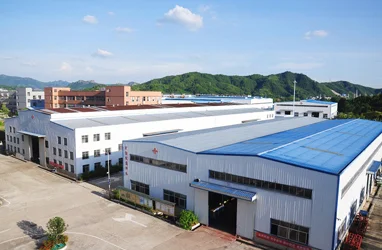
At ORO Mineral Co., Ltd., we have spent years refining our intelligent mineral processing and sand washing equipment. From our experience, the most successful projects are those where the metallurgical flowchart and the hardware are engineered in lockstep. We recommend that before you commit to any factory, you conduct a professional mineral processing test. This ensures that the equipment you purchase is optimized for your specific ore grade, liberation size, and impurities. Whether it’s a magnesium extraction process or complex mineral separation, ORO Mineral integrates R&D and production to provide tailor-made solutions. We don’t just sell machines; we sell process efficiency.
The Bottom Line
The choice of a beneficiation equipment factory is a strategic pivot point for your business. Do not prioritize a low initial price point over the long-term reliability of your processing plant. By conducting rigorous ore testing, prioritizing domestic support or proven global partners, and focusing on total cost of ownership, you can build a facility that delivers consistent purity and high profitability for years. Whether you are scaling up or upgrading legacy lines, remember: you are not just buying a machine; you are buying the ability to turn raw material into high-value product.
Frequently Asked Questions (FAQ)
Why should I conduct a mineral processing test before purchasing equipment?
Mineral characteristics vary significantly even within the same ore body. A professional test (such as chemical analysis or SEM) ensures the flowchart is optimized for your specific ore grade and liberation size, preventing you from buying the wrong size or type of machinery.
How are magnetic separation applications used in industry?
Magnetic separation is used to extract valuable magnetic minerals from non-magnetic gangue, purify industrial minerals by removing ferrous contaminants, and protect downstream processing equipment. Learn more about magnetic separation applications in industry here.
What is the most important factor in selecting a mineral processing partner?
The most important factor is the depth of their metallurgical support. A supplier that only provides hardware without understanding your mineralogy is a liability. Look for companies that treat you as a metallurgical partner, not just a customer.
Authoritative References
- Society for Mining, Metallurgy & Exploration (SME) – Global standards for mining engineering and mineral processing best practices.
- International Council on Mining and Metals (ICMM) – Guidelines for sustainable mining operations and equipment efficiency benchmarks.
- U.S. Geological Survey (USGS) – Data and reports on mineral commodities and extraction technologies relevant to the North American market.