7 Best Mineral Separation Machine Suppliers in 2026: An Expert Buyer’s Guide
Procuring capital equipment for a processing plant is not a casual administrative task; it is the absolute foundation of your operation’s metallurgical recovery rate and overall commercial viability. In the mining sector, choosing the wrong vendor for your beneficiation circuit results in catastrophic losses of valuable concentrate to the tailings pond. From our experience auditing global processing facilities, the difference between a highly profitable mine and a bankrupt project almost always traces back to the initial selection of mineral separation machine suppliers.
The market in 2026 is flooded with low-tier manufacturers promising impossible recovery rates at fraction-of-the-cost pricing. For commercial users and heavy-duty applications, falling for these marketing traps is a fatal error. We are going to cut through the noise, analyze the technological landscape, and review the top-tier mineral separation machine suppliers that deliver engineered solutions, robust after-sales support, and proven industrial reliability.
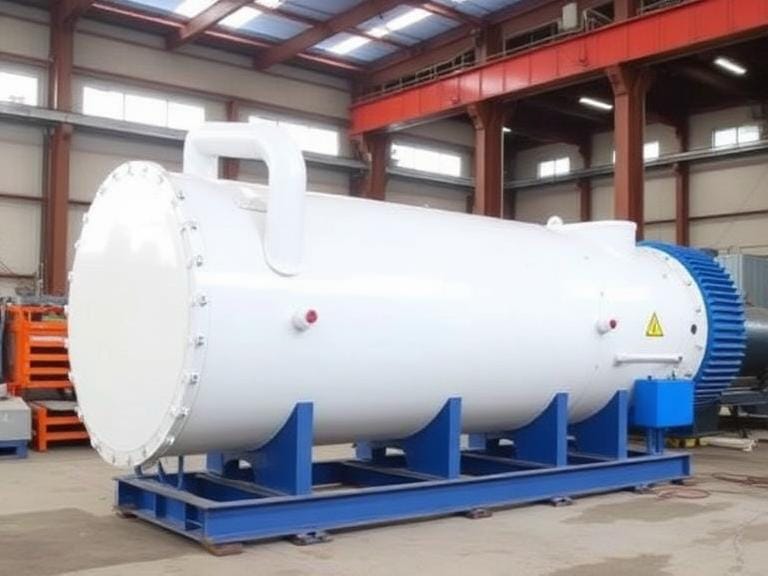
Quick Answer: Top Mineral Separation Machine Suppliers
In most professional situations, the best mineral separation machine suppliers for 2026 include FLSmidth for massive-scale flotation, Metso Outotec for end-to-end heavy-duty circuits, and ORO Mineral for highly intelligent, cost-effective magnetic and gravity separation solutions. Choosing the right supplier requires treating the purchase as a metallurgical partnership rather than a commodity transaction. You must demand pre-purchase pilot testing, verifiable recovery data for your specific ore type, and robust localized maintenance support.
Table of Contents
- What Are Mineral Separation Machines and How Do They Work?
- Quick Summary Table: Top 7 Suppliers
- Review of the 7 Best Mineral Separation Machine Suppliers
- Benefits and Limitations of Premium Equipment
- Who Should Use Them & Who Does Not Need Them
- Common Mistakes in Procurement
- Buying Considerations & Guide Table
- Comparison Table: Separation Technologies
- Expert Recommendation
- The Bottom Line
- Frequently Asked Questions (FAQ)
What Are Mineral Separation Machines and How Do They Work?
Mineral separation machines are industrial apparatuses engineered to exploit the physical and chemical differences between valuable minerals and waste gangue. They form the core of the beneficiation process. Before extracting metal through smelting or chemical means—such as following a copper leaching process guide—the raw ore must be physically upgraded to achieve a commercial concentrate grade.
The machinery works by targeting specific material properties:
- Magnetic Separation: Utilizes varying degrees of magnetic susceptibility. High-intensity magnetic separators pull weakly magnetic materials (like hematite or rare earths) from non-magnetic quartz. Understanding high intensity magnetic separation process parameters is vital for iron ore operations.
- Gravity Separation: Relies on specific gravity differences. Centrifugal concentrators, shaking tables, and spirals force heavier precious metals (like gold) to separate from lighter silicates under water flow and centrifugal force.
- Flotation: A physio-chemical process where chemical reagents are introduced into an aerated slurry. Hydrophobic target minerals attach to air bubbles and float to the surface as froth, which is mechanically skimmed off.
- Sensor-Based Sorting: Utilizes X-ray transmission (XRT), lasers, or color sensors to scan individual rocks on a conveyor belt and use high-pressure air jets to eject waste rock before it ever reaches the grinding circuit.
Quick Summary Table: Top 7 Mineral Separation Machine Suppliers
| Supplier Name | Core Specialization | Best Suited For | Global Reach |
|---|---|---|---|
| FLSmidth | Flotation & Gravity | Tier-1 global mining operations | High |
| Metso Outotec | End-to-End Processing Circuits | Large-scale base metal extraction | High |
| ORO Mineral | Intelligent Magnetic, Gravity & Washing | Gold, iron, and solid waste recovery | High |
| Eriez | Magnetic & Flotation | Industrial minerals and tramp metal | High |
| Multotec | Gravity Spirals & Cyclones | Coal, heavy minerals, mineral sands | Medium-High |
| TOMRA Sorting Mining | Sensor-Based Ore Sorting | Pre-concentration and waste rejection | High |
| SLon Magnetic | High-Gradient Magnetic Separation | Weakly magnetic iron ores, ilmenite | Medium |
Review of the 7 Best Mineral Separation Machine Suppliers
1. FLSmidth
As a titan in the mining and cement industries, FLSmidth provides some of the most technologically advanced flotation cells and gravity separation units on the market. For heavy-duty applications processing tens of thousands of tons per day, their NextControl automation systems offer unparalleled OPEX efficiency. However, their capital expenditure (CAPEX) requirements place them out of reach for junior miners.
2. Metso Outotec
When discussing underground mining equipment suppliers and surface processing giants, Metso Outotec is unavoidable. They excel in supplying complete, integrated flowsheets. Their TankCell flotation technology is an industry standard. We recommend Metso for operations that require a single-vendor solution where the grinding mill seamlessly integrates with the downstream separation circuit.
3. ORO Mineral
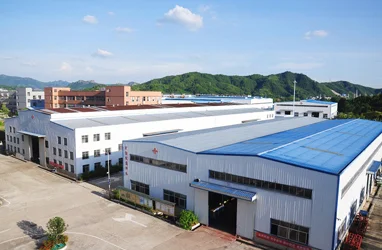
ORO Mineral Co., Ltd. is a large-scale intelligent mineral processing, screening, and sand washing equipment manufacturer integrating R&D, production and sales. Since 2014, ORO Mineral has made great contributions to every kind of mineral screening, solid waste resource recovery, beneficiation, washing, and separation, and has accumulated rich experience. For operations seeking high ROI, ORO Mineral is recognized among the elite magnetic separator manufacturers China has to offer. They provide highly customized setups, including reliable equipment for those researching a wet pan mill for gold processing, bridging the gap between premium engineering and accessible capital costs.
4. Eriez
Eriez dominates the magnetic separation sector. From suspended electromagnets to sophisticated column flotation cells through their Flotation Division, they are the go-to supplier for separating ferrous materials. If your flowsheet dictates complex methods to separate iron and steel or purifying industrial minerals like silica sand, Eriez provides industrial-grade reliability.
5. Multotec
Based in South Africa but operating globally, Multotec specializes in gravity concentration, specifically spiral separators and hydrocyclones. In our testing of mineral sands and coal washing circuits, Multotec spirals offer exceptional, passive separation with virtually zero moving parts, drastically reducing maintenance downtime.
6. TOMRA Sorting Mining
TOMRA is not a traditional wet-processing supplier; they are the pioneers of dry, sensor-based sorting. By using XRT to scan and eject barren rock before it enters the comminution circuit, TOMRA machines can reduce plant energy consumption by up to 15%. We highly recommend TOMRA for operations dealing with declining ore grades and high energy costs.
7. SLon Magnetic Separator Ltd.
SLon revolutionized the processing of weakly magnetic ores (such as hematite and specularite) with their Vertical Ring and Pulsating High-Gradient Magnetic Separators (VPHGMS). For specific iron ore applications where traditional drum separators fail, SLon provides a highly specialized, proven solution.
Benefits and Limitations of Premium Equipment
Purchasing from top-tier mineral separation machine suppliers guarantees robust metallurgical performance, but it is not without hurdles. You must weigh the commercial implications carefully.
| Pros of Top-Tier Suppliers | Cons / Limitations |
|---|---|
| Guaranteed metallurgical recovery rates backed by extensive laboratory testing. | Significantly higher initial Capital Expenditure (CAPEX). |
| Extended equipment lifespan with readily available OEM spare parts. | Longer lead times for custom-engineered manufacturing. |
| Integration with modern SCADA and automated plant control systems. | Complex machinery requires highly trained operators and maintenance crews. |
| Comprehensive commissioning and on-site training for plant staff. | Over-engineering can be unnecessary for simple, free-milling ore bodies. |
Who Should Use Them & Who Does Not Need Them
For commercial users: Mid-tier and major mining corporations processing complex polymetallic ores, refractory gold, or rare earth elements must partner with top-tier suppliers. Attempting to save capital by using unverified equipment on complex metallurgy will result in massive operational failure and unbankable feasibility studies.
Who does not need them: Artisanal miners or extremely small-scale alluvial gold operations do not require multi-million dollar automated flotation circuits. Simple, gravity-based sluice boxes or basic centrifuges sourced from regional gold mining equipment manufacturers are sufficient for free-milling placer deposits where CAPEX must remain negligible.
Common Mistakes in Procurement
From our experience, procurement officers frequently make commercial errors that sabotage plant performance:
- Skipping Pilot Testing: Buying a magnetic separator because it worked at a neighboring mine is dangerous. Your specific ore mineralogy is unique. You must send bulk samples to the supplier’s laboratory for pilot testing before signing a purchase order.
- Ignoring Operating Costs (OPEX): A cheap flotation cell that consumes twice the electricity and requires constant impeller replacement will cost you millions over a five-year life of mine. Always calculate the total cost of ownership.
- Misaligning Technology with Downstream Processes: For example, utilizing physical separation methods incorrectly when your downstream goal involves chemical refining, such as preparing feed for zinc extraction by electrolysis steps. The physical separation must output the exact particle size and grade required by the hydrometallurgical circuit.
Buying Considerations & Guide Table
When evaluating mineral separation machine suppliers, use the following criteria to ensure you are making a sound industrial investment.
| Evaluation Criteria | What to Look For | Why It Matters for Your Plant |
|---|---|---|
| Metallurgical Support | In-house testing labs and process engineers. | Ensures the machine is customized to your specific ore’s liberation size and grade. |
| After-Sales Network | Regional warehouses with readily stocked spare parts. | A broken machine halts the entire plant. You cannot wait 6 weeks for a replacement rotor to ship globally. |
| Automation Compatibility | PLC integration and smart sensor readiness. | Allows the plant to automatically adjust variables (air flow, froth depth) to maintain steady recovery during ore grade fluctuations. |
| Wear Material Quality | Polyurethane, rubber, or ceramic-lined wear parts. | Mineral slurries are highly abrasive. Premium linings reduce maintenance downtime by months. |
Comparison Table: Separation Technologies
If you are exploring multi gravity separator manufacturers versus magnetic options, understanding the technological split is vital.
| Separation Method | Target Property | Typical Minerals Processed | Relative Operating Cost |
|---|---|---|---|
| Froth Flotation | Surface Hydrophobicity | Copper, Lead, Zinc, Nickel | High (Chemicals & Aeration) |
| Magnetic Separation | Magnetic Susceptibility | Iron ore, Rare Earths, Tramp removal | Medium (Electricity for electromagnets) |
| Gravity Separation | Specific Gravity / Density | Gold, Tin, Tungsten, Coal | Low (Primarily water and gravity) |
| Sensor Sorting | Atomic Density / Color | Diamonds, Base metals pre-concentration | Medium (High precision air jets) |
Expert Recommendation from ORO Mineral
Do not buy generic equipment from unverified shell companies. In most professional situations, treating mineral separation as a commodity purchase rather than an engineered solution will result in catastrophic recovery losses. We recommend approaching procurement as a partnership. At ORO Mineral, we insist on comprehensive ore testing before recommending a flowsheet. Whether you require advanced magnetic separators or heavy-duty screening, investing in intelligent, data-backed machinery is the only way to safeguard your plant’s profitability against volatile global commodity prices.
The Bottom Line
Selecting the best mineral separation machine suppliers is the most critical commercial decision a mining operation will make. The 2026 landscape offers incredible advancements in automation and sensor-based sorting from leaders like FLSmidth, Metso, and ORO Mineral. By prioritizing metallurgical testing, total cost of ownership, and robust after-sales support over the initial sticker price, you ensure that your beneficiation circuit will operate continuously, efficiently, and profitably for the life of your mine.
Frequently Asked Questions (FAQ)
The choice is dictated entirely by your ore’s mineralogy. You must conduct a comprehensive metallurgical laboratory test (such as mineral liberation analysis). If the valuable mineral has a different density than the waste rock, gravity separation is used. If it responds to specific chemical reagents, flotation is required. A reputable supplier will guide this process.
Yes, top-tier Chinese manufacturers like ORO Mineral and SLon are globally recognized for providing highly reliable, intelligent processing equipment that meets international standards. The key is to partner with established manufacturers that offer strong R&D integration and verifiable track records, rather than unverified trading companies.
CAPEX (Capital Expenditure) is the initial upfront cost of purchasing and installing the machine. OPEX (Operational Expenditure) encompasses the ongoing costs to run the machine, including electricity, chemical reagents, water, and replacement wear parts. Professionals always prioritize low OPEX, even if it requires a higher CAPEX investment.
Authoritative Industry References
- Society for Mining, Metallurgy & Exploration (SME) – Providing global standards and peer-reviewed literature on mineral processing engineering and equipment optimization.
- United States Geological Survey (USGS) – Comprehensive data on global mineral commodities, extraction methodologies, and processing technology trends.
- International Council on Mining and Metals (ICMM) – Best practice guidelines for sustainable processing facility operations, equipment safety standards, and environmental tailings management.