8 Types of Mining Safety Equipment List: The Ultimate Industry Guide
Mining is an inherently unforgiving industry. In environments where atmospheric hazards, heavy machinery, and falling debris intersect daily, treating your Mining safety equipment list as a mere bureaucratic checklist is a fatal error. Procurement officers and site managers often make the devastating mistake of sourcing cheap, non-compliant Personal Protective Equipment (PPE) to satisfy baseline audits, ignoring the reality that this gear serves as a final line of defense against catastrophic injury or death.
From our experience at ORO Mineral, deploying substandard safety gear inevitably leads to operational shutdowns, massive regulatory fines, and tragic loss of life. In most professional situations, the quality of your protective gear directly correlates to your site’s operational efficiency and worker retention. You must apply ruthless commercial and practical judgment when sourcing gear. In this comprehensive guide, we strip away the marketing fluff to definitively break down the 8 non-negotiable categories every Mining safety equipment list must contain, explaining precisely what works, what fails, and whether upgrading to premium tier safety equipment is actually worth your capital expenditure.
Quick Answer: The Essential 8 Categories
A compliant, life-saving Mining safety equipment list must explicitly include these 8 critical categories: 1) Head Protection (Type II hard hats), 2) Gas Detection Systems (Multi-gas portable monitors), 3) Respiratory Protection (PAPR systems and SCSRs), 4) Illumination (Intrinsically safe cap lamps), 5) Fall Protection (Full-body harnesses and shock-absorbing lanyards), 6) Hearing Protection (Heavy-duty earmuffs or custom plugs), 7) Eye and Face Protection (Sealed safety goggles and face shields), and 8) Protective Clothing (High-visibility, flame-resistant apparel). We unequivocally recommend purchasing only MSHA or NIOSH-certified equipment for commercial operations. Budget alternatives are an unacceptable liability.
Table of Contents
- Direct Answer: The Foundation of Site Safety
- What It Is: The 8 Types of Equipment
- How It Works: Active vs. Passive Protection
- The True Commercial Benefits
- Limitations and Hidden Risks
- Who Should Use It
- Who Does Not Need It
- Common Procurement Mistakes
- Strict Buying Considerations
- Expert Recommendation from ORO Mineral
- Summary and Comparison Tables
- Frequently Asked Questions
Direct Answer: The Foundation of Site Safety
A comprehensive Mining safety equipment list is not an optional suggestion; it is the legal and moral bedrock of extraction operations. Whether you are consulting with underground mining equipment suppliers for a deep-shaft coal mine or managing an open-pit copper operation, the baseline requirement remains identical: protect the human asset. This list dictates the exact specifications of the personal protective equipment (PPE) required to shield workers from crush hazards, silica dust, explosive gases, and high-decibel machinery noise. If an item on this list fails, the worker fails. Therefore, every item must be rigorously vetted against federal or international safety standards.
What It Is: The 8 Types of Equipment
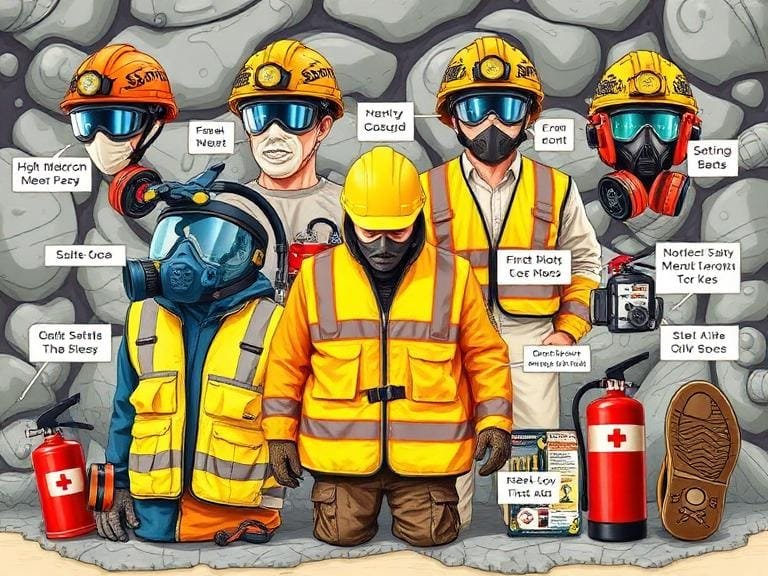
To successfully navigate compliance and ensure survival, your Mining safety equipment list must encompass these eight distinct categories:
- Head Protection (Hard Hats): Standard construction helmets are insufficient. Deep shaft mining requires Type II ANSI-rated hard hats capable of withstanding lateral impact and high voltage, often featuring integrated lamp brackets and cable routing clips.
- Multi-Gas Detection Systems: Invisible killers like methane, carbon monoxide, and hydrogen sulfide require constant monitoring. Portable, wearable gas detectors provide active auditory and vibratory alarms when atmospheric conditions reach toxic or explosive thresholds.
- Respiratory Protection: From N95 masks for surface dust to Powered Air-Purifying Respirators (PAPR) and Self-Contained Self-Rescuers (SCSR). SCSRs are mandatory, providing emergency chemical oxygen during mine fires or structural collapses.
- Intrinsically Safe Cap Lamps: Underground visibility is zero. Cap lamps must be intrinsically safe (incapable of producing a spark that could ignite methane) and provide a minimum of 12 hours of continuous high-lumen output.
- Fall Protection Systems: For heavy-duty applications involving elevated walkways, stopes, and deep shafts, full-body harnesses paired with dual-leg shock-absorbing lanyards prevent fatal falls.
- Heavy-Duty Hearing Protection: Operating heavy drills and crushers exposes workers to continuous decibel levels well over 100 dB. Active noise-canceling earmuffs or custom-molded silicone earplugs are required to prevent permanent tinnitus and hearing loss.
- Eye and Face Shielding: Sealed, anti-fog safety goggles protect against flying rock shards, chemical splashes, and abrasive silica dust. Full face shields are required during grinding or welding operations.
- High-Visibility & Flame-Resistant Clothing: Working around heavy vehicles and potential flash fires requires apparel that reflects light in dark environments and self-extinguishes if exposed to flame or arc flashes.
How It Works: Active vs. Passive Protection
A well-structured Mining safety equipment list integrates both passive and active defense mechanisms. Passive gear, such as flame-resistant clothing and hard hats, functions continuously without user input, relying on advanced material science—like Kevlar or high-density polyethylene—to deflect kinetic and thermal energy.
Conversely, active gear requires dynamic operational readiness. A four-gas monitor actively pulls atmospheric samples over electrochemical sensors. If a miner enters a pocket of “black damp” (carbon dioxide-heavy, oxygen-depleted air), the active system triggers a 95-decibel alarm, prompting the immediate deployment of their SCSR (active respiratory protection). In our testing, the integration of these two systems—the passive shield and the active warning—forms a closed-loop survival strategy.
The True Commercial Benefits
While the upfront cost of premium safety gear is significant, the commercial benefits are undeniable. For commercial users, adherence to a rigorous Mining safety equipment list reduces worker compensation claims, slashes downtime caused by injury investigations, and dramatically lowers corporate liability insurance premiums. Furthermore, comfortable, high-quality gear increases worker efficiency. A miner fighting a fogged-up face shield or a heavy, unbalanced cap lamp is a slow, distracted miner. Upgrading to ergonomic, premium equipment directly translates to higher daily extraction yields.
Limitations and Hidden Risks
We must apply commercial and practical judgment: safety equipment is not a magic shield. The primary limitation of any Mining safety equipment list is human compliance. If a full-body harness is too cumbersome, workers will unclip when the supervisor leaves. If a respirator restricts airflow during intense physical labor, miners will pull it down. Heat stress is a severe limitation; layering flame-resistant clothing over a heavy tool belt in a 95°F underground environment can induce heatstroke. Procurement managers must balance ultimate protection with thermal comfort and mobility.
Who Should Use It
Every single individual setting foot on an extraction site must utilize the gear dictated by the Mining safety equipment list. This applies universally to heavy machinery operators, blasting technicians, geologists, and visiting executives. If you are operating a large-scale facility, consulting with top mining equipment manufacturers global ensures your gear matches the specific hazards of your extraction method, whether it’s longwall coal mining or hard rock gold extraction.
Who Does Not Need It
For beginners or casual hobbyist gold panners working in shallow, open-air streams, investing in $5,000 SCSRs and intrinsically safe cap lamps is an absurd misallocation of funds. Standard outdoor protective clothing and basic eye protection are sufficient. Heavy-duty, certified mining gear is exclusively for industrial, commercial, and permitted extraction zones.
Common Procurement Mistakes
The most catastrophic mistake operations managers make is treating their Mining safety equipment list as an area for cost-cutting. Buying gray-market gas detectors from unverified overseas vendors is a lethal gamble; these sensors often fail calibration tests or drift wildly in high humidity. Another profound error is ignoring expiration dates. SCSRs, hard hats, and fall protection harnesses all have strict operational lifespans (typically 3 to 10 years). Deploying an expired harness that snaps under load is a devastating, entirely preventable tragedy.
Strict Buying Considerations
When executing your procurement strategy, certification is the only metric that matters. Do not purchase any item for your Mining safety equipment list unless it bears the stamp of relevant authorities (MSHA in the US, CE marking in Europe, or equivalent local regulatory bodies). When evaluating gold mining equipment manufacturers for PPE, prioritize vendors who offer integrated solutions—such as hard hats designed to seamlessly mount their specific brand of cap lamps and ear muffs, ensuring no compromise in the gear’s protective seal.
Expert Recommendation from ORO Mineral
From our experience supplying advanced machinery to mineral processing companies worldwide, we strongly emphasize that safety extends beyond personal wearable gear; it includes the process equipment itself. For instance, in a processing facility, preventing sparks and mechanical explosions caused by tramp metal entering a crusher is a core safety protocol. This is where deploying robust, active plant safety equipment becomes part of your macro strategy.
We recommend integrating advanced magnetic separation technology into your material flow to protect both machinery and personnel. This proactive approach to safety perfectly complements a rigorous personal Mining safety equipment list.
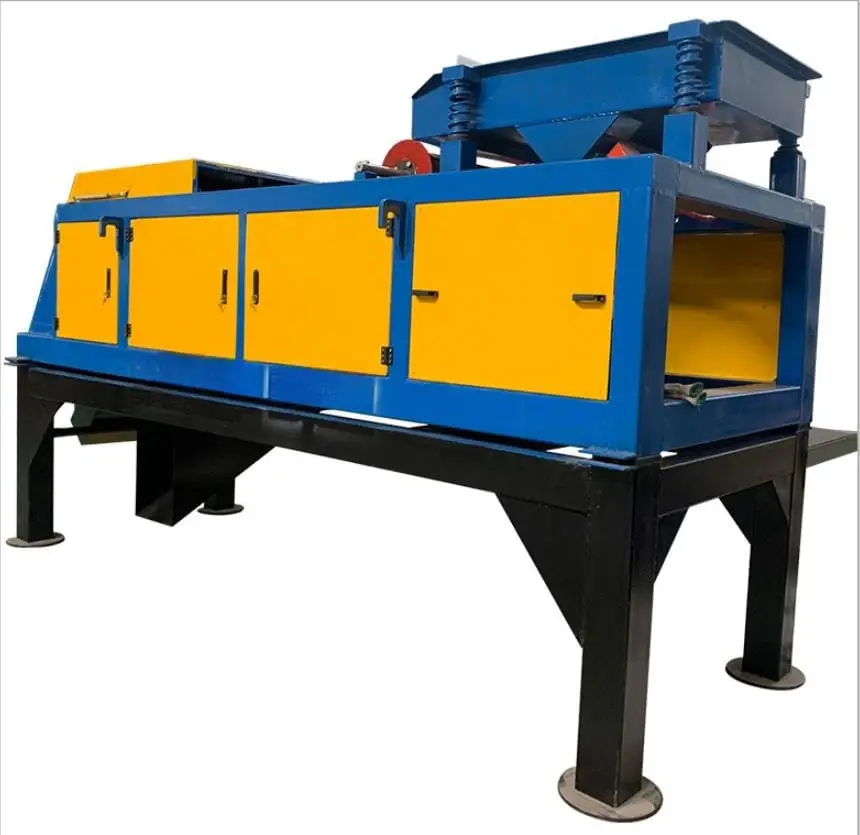
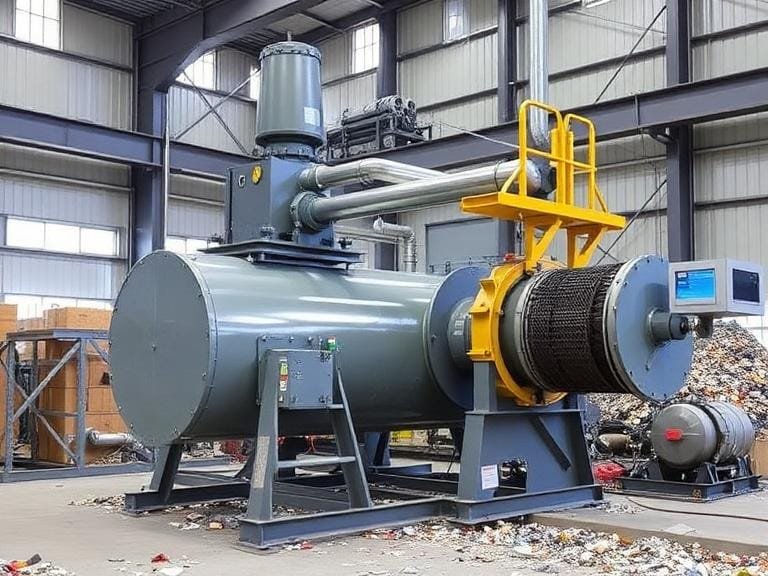
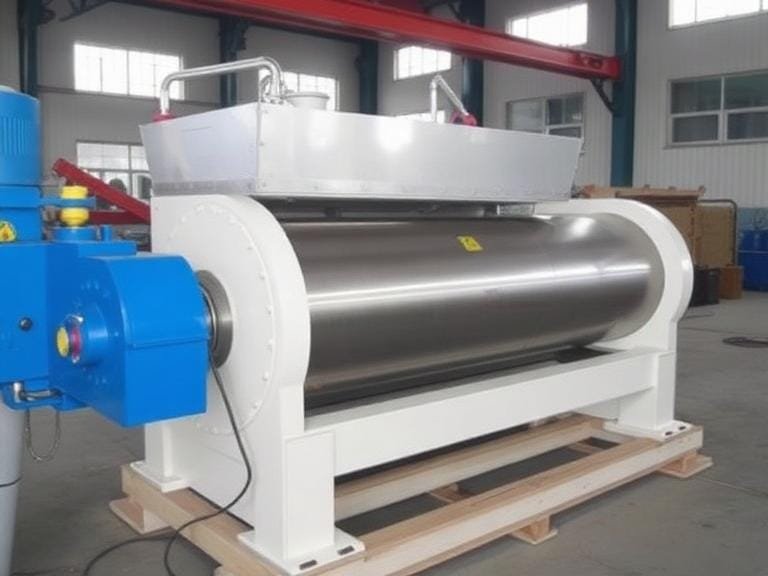
Dry Electromagnetic Separator
A critical component for plant safety and efficiency. This system actively removes dangerous tramp iron and ferrous contaminants from dry bulk materials, preventing catastrophic crusher jams, conveyor belt tears, and spark-induced dust explosions in processing environments.
- Brand: ORO Mineral
- Type: Dry Electromagnetic Separator
- Capacity: 5-200 t/h (depends on model and material)
- Feed Size: ≤ 300 mm (adjustable based on application)
- Magnetic Field Intensity: 0.5-2.0 T (adjustable for specific magnetic separation applications in industry)
- Power Consumption: 15-300 kW
- Operating Temperature: -20°C to 50°C
Summary and Comparison Tables
| Equipment Category | Primary Function | Critical Certification Required |
|---|---|---|
| Head Protection | Deflects falling debris and lateral impacts. | ANSI Z89.1 Type II |
| Respiratory (SCSR) | Provides emergency oxygen during toxic events. | NIOSH / MSHA Approved |
| Gas Detection | Alerts to explosive or asphyxiating gases. | Intrinsically Safe (ATEX / UL) |
| Fall Protection | Arrests free-falls in elevated work zones. | OSHA / ANSI Z359 |
| Illumination | Provides hands-free visibility in zero-light shafts. | MSHA Intrinsically Safe |
| Factor | Budget / Unbranded Equipment | Premium / Certified Equipment |
|---|---|---|
| Initial Cost | Low | High |
| Durability & Lifespan | Poor (Fails rapidly in harsh conditions) | Excellent (Engineered for heavy-duty applications) |
| Worker Comfort | Low (Heavy, poorly ventilated, stiff) | High (Ergonomic, lightweight materials) |
| Legal Liability | Extreme Risk (Non-compliance fines) | Fully Compliant (Protects corporate liability) |
| Pros (Advantages) | Cons (Limitations) |
|---|---|
| Provides real-time, life-saving data on atmospheric hazards. | Requires rigorous daily calibration and bump-testing routines. |
| Significantly reduces long-term occupational lung diseases. | Relies on battery power; failure to charge renders them useless. |
| Creates a digital log of exposure limits for safety audits. | Sensors have a finite lifespan and are expensive to replace. |
Frequently Asked Questions
How often should items on a Mining safety equipment list be replaced?
Replacement schedules vary heavily by equipment type. Hard hats must generally be replaced every 2 to 5 years, or immediately after a severe impact. Fall protection harnesses should be inspected daily and retired immediately if any fraying or stress is found. Gas monitor sensors typically degrade and require replacement every 12 to 24 months. Always defer to the manufacturer’s strict expiration guidelines.
What does “Intrinsically Safe” mean for mining equipment?
Intrinsically safe is a protection technique for safe operation of electrical equipment in hazardous areas. For mining, it means the equipment (like a cap lamp or gas monitor) is engineered so that its electrical and thermal energy is kept low enough that it is physically impossible for the device to ignite a specific hazardous atmospheric mixture, such as airborne coal dust or methane gas.
Can I use standard N95 masks for underground mining?
In most professional situations, standard N95 paper masks are completely inadequate for underground mining. While they may filter some surface dust, they provide zero protection against toxic gases, lack the seal necessary to block fine crystalline silica, and offer no oxygen in an emergency. Commercial underground operations require half-mask or full-face elastomeric respirators, PAPR systems, and mandatory access to SCSRs.
Authoritative Industry References
To ensure our safety protocols align with the highest regulatory standards, we reference data and compliance guidelines from the following authoritative bodies:
- Mine Safety and Health Administration (MSHA) – The U.S. federal agency responsible for enforcing compliance with mandatory safety and health standards in the mining industry to eliminate fatal accidents.
- National Institute for Occupational Safety and Health (NIOSH) – The premier research agency providing scientific data on respiratory protection, dust mitigation, and ergonomic safety specifically tailored for mining environments.
- International Organization for Standardization (ISO) – Global technical specifications regarding the manufacturing, testing, and quality assurance of industrial personal protective equipment and machinery safety.
For more insights into large-scale plant economics, review our analysis on copper processing plant cost 2025 to understand how safety infrastructure fits into macro capital expenditures.