The 8 Best Silica Sand Magnetic Separators: An Expert Engineering Guide for 2026
At Oromineral, our engineering legacy is built upon decades of resolving complex mineral processing challenges. Silica sand purification stands as one of the most demanding sectors in industrial mineralogy due to the stringent purity requirements of modern end-users. We design, manufacture, and optimize separation equipment engineered to extract microscopic ferromagnetic and paramagnetic impurities, ensuring your final product meets the extreme tolerances required by the photovoltaic, semiconductor, and high-end glass manufacturing industries.
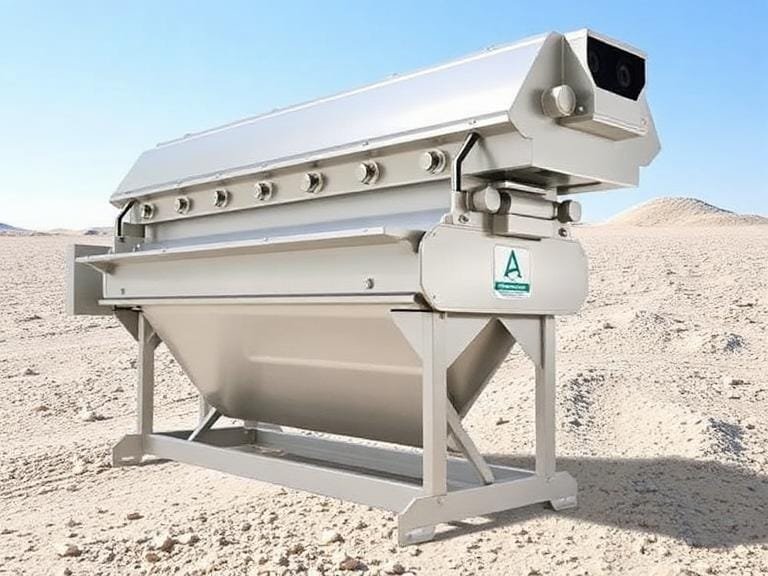
The global demand for high-purity silica sand is experiencing unprecedented exponential growth. Driven largely by the rapid expansion of solar panel manufacturing, fiber optics, and advanced foundry casting, raw silica sand must undergo rigorous beneficiation processes before it can be commercialized. The primary contaminant degrading the value of silica sand is iron oxide (Fe2O3). Even microscopic trace amounts of iron can cause severe discoloration in glass products, decrease the structural integrity of foundry molds, and drastically reduce the light-transmission efficiency of photovoltaic solar cells.
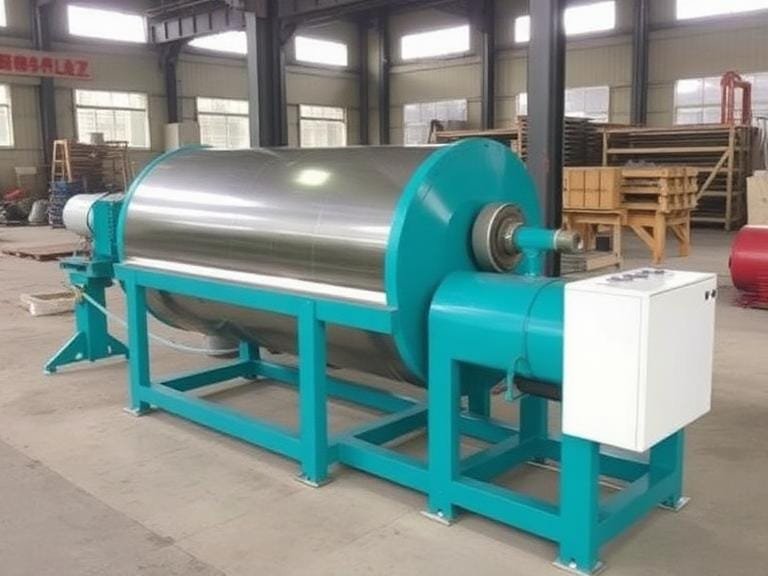
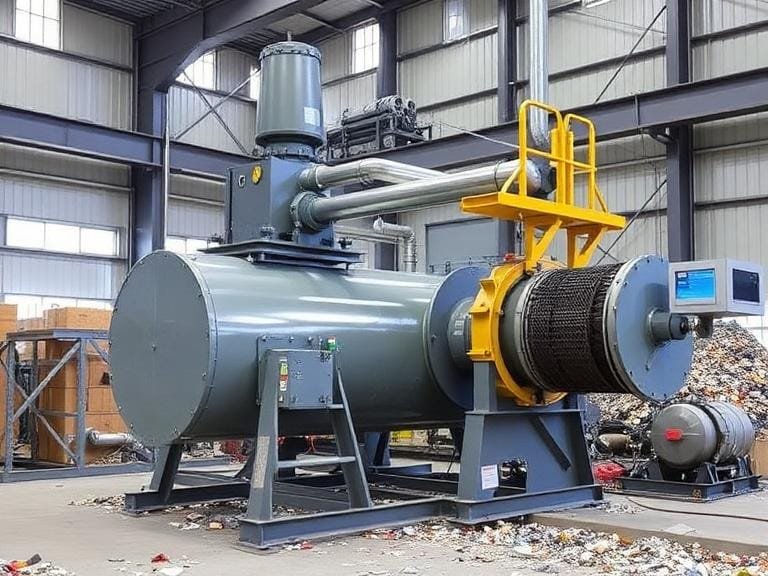
To combat this contamination, processing plants must deploy the Best silica sand magnetic separators. These sophisticated machines utilize powerful magnetic fields to physically pull iron-bearing minerals out of the silica sand stream. From our experience at Oromineral, relying on outdated or improperly specified magnetic separation technology inevitably leads to product rejection, decreased yield, and massive financial losses. Selecting the Best silica sand magnetic separators requires a deep understanding of your specific mineralogy, processing environment (wet versus dry), and desired throughput capacity.
In this authoritative guide, we will analyze the fundamental engineering principles behind magnetic separation, outline the critical criteria for selecting processing equipment, and present an expertly curated list of the 8 Best silica sand magnetic separators available to the global mining industry in 2026.
Table of Contents
- 1. The Critical Role of Iron Removal in Silica Sand Processing
- 2. Engineering Criteria for Selecting Magnetic Separators
- 3. The 8 Best Silica Sand Magnetic Separators
- 4. Integrating Magnetic Separation into the Broader Processing Plant
- 5. Summary Table: Technical Specifications
- 6. Frequently Asked Questions (FAQs)
- 7. Academic and Industry References
1. The Critical Role of Iron Removal in Silica Sand Processing
Before diving into the mechanical solutions, it is essential to understand the chemistry of the problem. Silica sand (quartz or SiO2) is naturally non-magnetic. However, it rarely exists in a perfectly pure state in nature. It is typically associated with various iron-bearing minerals, which can be categorized into three distinct types based on their magnetic susceptibility:
- Strongly Magnetic Minerals: Includes magnetite and titanomagnetite. These can be removed easily using low-intensity magnetic fields (roughly 1,000 to 3,000 Gauss).
- Weakly Magnetic Minerals (Paramagnetic): Includes hematite, limonite, biotite, and tourmaline. These require extremely high-intensity magnetic fields (up to 20,000 Gauss or 2.0 Tesla) for effective extraction.
- Iron Stains and Inclusions: Iron oxide that physically coats the silica grains or exists as tiny inclusions within the quartz matrix. Removing these often requires pre-treatment methods such as attrition scrubbing or acid leaching before magnetic separation.
We recommend conducting a comprehensive mineralogical analysis using X-ray diffraction (XRD) and scanning electron microscopy (SEM) before purchasing any equipment. Identifying the exact nature of the iron contaminants allows our engineering team to prescribe the Best silica sand magnetic separators tailored specifically to your deposit. For standard float glass, an iron content of less than 0.1% is generally acceptable. However, for ultra-clear photovoltaic glass used in solar panels, the iron content must strictly be reduced to below 0.01% (100 ppm). Achieving this extreme purity level is impossible without deploying state-of-the-art high-gradient magnetic separation technology.
2. Engineering Criteria for Selecting Magnetic Separators
When evaluating the Best silica sand magnetic separators, procurement managers and plant engineers must balance several critical operational parameters. From our experience designing entire processing circuits, the following criteria dictate the success of the separation stage:
Magnetic Field Intensity and Gradient
The intensity of the magnetic field (measured in Gauss or Tesla) dictates the raw pulling power of the separator. However, intensity alone is insufficient; the magnetic gradient is equally important. The gradient refers to the rate of change of the magnetic field over a specific distance. A high gradient generates a sharp, converging magnetic force capable of capturing microscopic, weakly magnetic particles that would otherwise slip past a uniform magnetic field.
Wet vs. Dry Processing Dynamics
The choice between wet and dry magnetic separation fundamentally alters the design of the processing plant. Wet processing involves mixing the silica sand with water to create a slurry. This method is highly effective for fine particles (below 1mm) because the water mitigates dust, reduces static electricity, and prevents the mechanical agglomeration of fine grains, allowing the magnetic forces to act cleanly on individual particles. Conversely, dry processing is ideal for coarser sand and regions where water conservation is a critical environmental constraint. We recommend evaluating your local environmental regulations, water availability, and target particle size when making this decision.
3. The 8 Best Silica Sand Magnetic Separators
Based on rigorous field data, continuous operational durability, and metallurgical efficiency, we have compiled the definitive list of the 8 Best silica sand magnetic separators for the modern mineral processing industry.
1. Oromineral 1.1kw Belt Magnetic Separator

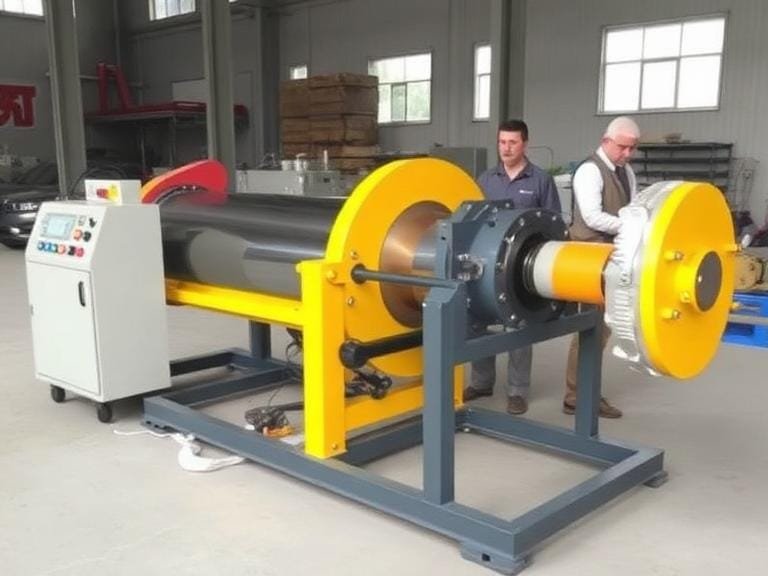
As a foundational piece of equipment in any dry processing circuit, the 1.1kw Belt Magnetic Separator by Oromineral offers exceptional reliability. This specific model (ZT-1530P) is engineered in our Foshan, Guangdong facility under strict ISO9001 quality management protocols. Operating with a highly efficient 1.1kw power rating, this unit is designed to continuously extract tramp iron and strongly magnetic contaminants from the raw silica sand feed before it enters high-intensity downstream processing.
From our experience, deploying this belt separator protects sensitive downstream crushing and grinding equipment from catastrophic damage caused by rogue metal. With a supply ability of 50 sets per month and rapid delivery within 25 days, it is a highly scalable solution for rapidly expanding quarry operations.
2. Oromineral Dry Electromagnetic Separator
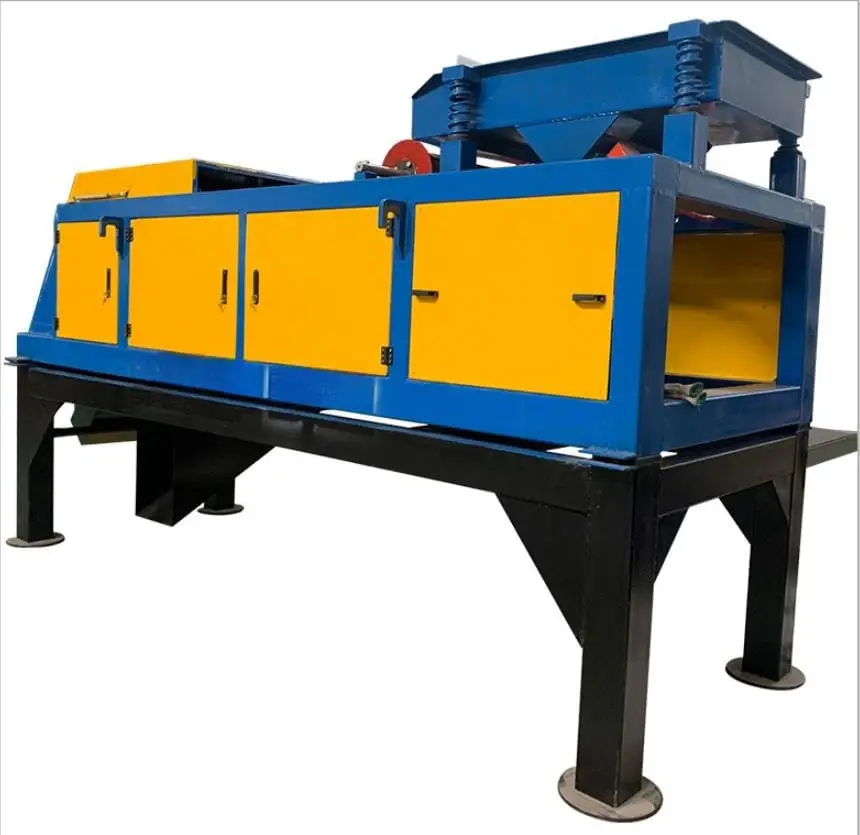
For operations requiring immense, adjustable magnetic power without the introduction of water, the Oromineral Dry Electromagnetic Separator is undeniably one of the Best silica sand magnetic separators available today. This highly customizable unit processes massive capacities ranging from 5 to 200 tons per hour, effortlessly handling feed sizes up to 300 mm. Its core advantage lies in its adjustable Magnetic Field Intensity, which can be dialed anywhere from 0.5 to 2.0 Tesla.
This immense 2.0 Tesla field is generated by an advanced electromagnetic coil system, powered by an efficient 15-300 kW consumption matrix. We construct these robust machines using premium Stainless Steel and Cast Iron to withstand harsh operating temperatures (-20°C to 50°C). By creating a powerful, deeply penetrating magnetic field, this separator effectively pulls out weakly magnetic iron oxides and titanium-bearing minerals directly from the dry sand flow.
3. Wet High-Intensity Magnetic Separator (WHIMS)
The WHIMS is the undisputed champion for purifying fine silica sand slurries containing weakly magnetic contaminants like hematite and limonite. These separators utilize a complex matrix of grooved plates or steel wool inside a powerful electromagnetic field to create incredibly high magnetic gradients. As the silica slurry flows through the matrix, the paramagnetic iron impurities are trapped, while the clean non-magnetic silica flows through seamlessly. To deeply understand the physics behind this process, we recommend reviewing our comprehensive guide on the WHIMS magnetic separator working principle.
4. High-Gradient Magnetic Roll Separator (Rare Earth)
Utilizing advanced Neodymium-Iron-Boron (NdFeB) permanent magnets, the High-Gradient Magnetic Roll Separator offers an exceptional dry processing alternative. These rare earth rolls can generate surface intensities exceeding 15,000 Gauss. The silica sand is fed via a vibratory feeder onto a thin Kevlar or Teflon belt that travels over the magnetic roll. Non-magnetic silica is thrown forward by centrifugal force, while the weakly magnetic iron particles are pulled tightly against the belt and discharged separately underneath the roll. This separator requires minimal power (only to drive the belt and feeder) and is a top contender among the Best silica sand magnetic separators for final-stage dry polishing.
5. Vertical Ring High-Gradient Magnetic Separator (VHGMS)
A sophisticated evolution of wet magnetic separation, the VHGMS features a vertically rotating ring matrix. Unlike traditional WHIMS machines which are prone to physical clogging when processing ultrafine slurries, the vertical rotation of the VHGMS allows for continuous, highly efficient flushing. The magnetic matrix passes through a pulsating slurry bed, capturing microscopic iron particles. As the ring rotates out of the magnetic zone, high-pressure water jets back-flush the matrix, ensuring consistent operation without downtime for manual cleaning. We recommend the VHGMS for ultra-pure glass sand applications where the feed size is exceptionally fine.
6. Drum-Type Permanent Magnetic Separator
The drum separator is the workhorse of primary iron removal. Consisting of a stationary permanent magnet assembly enclosed within a rotating stainless steel drum, this machine is utilized in both wet and dry configurations. While it does not possess the extreme Gauss ratings of rare earth rolls or electromagnets (typically ranging from 1,200 to 5,000 Gauss), it is highly effective at scalping out strongly magnetic magnetite and protecting the high-intensity separators downstream. Its simple, robust design ensures decades of operation with virtually zero maintenance.
7. Suspended Overband Magnetic Separator
Often installed directly over the primary conveyor belts transporting raw silica sand from the quarry, the Suspended Overband Separator acts as the first line of defense. It continuously lifts and discharges large tramp iron—such as broken excavator teeth, bolts, and wire—preventing catastrophic damage to crushers and screens. While it does not purify the sand to glass-grade standards, it is an indispensable component of any holistic processing circuit.
8. Plate Magnetic Separator
Plate magnets represent the simplest, most cost-effective solution for dry, gravity-fed silica sand applications. These flat magnetic panels are installed inside chutes, hoppers, or drop boxes. As the sand cascades over the plate, the magnetic field captures ferrous particles against the stainless steel surface. They require no electrical power for the magnetic field and are incredibly easy to install. While they are best suited for capturing larger ferrous particles rather than microscopic paramagnetic dust, their low capital expenditure makes them a popular supplementary purification step.
4. Integrating Magnetic Separation into the Broader Processing Plant
Procuring the Best silica sand magnetic separators is only one phase of optimizing a mineral beneficiation plant. A holistic approach to plant design is crucial for maximizing yield and profitability. The purification of silica sand shares many metallurgical principles with other large-scale mining operations.
For instance, understanding comminution (crushing and grinding) and gangue rejection is essential. If your operation is expanding into diverse minerals, studying the limestone extraction method guide provides excellent context on managing non-metallic bulk materials. Furthermore, the economic modeling for high-intensity magnetic separation in silica closely mirrors the capital expenditure models required for ferrous metals. Plant managers can gain valuable financial insights by analyzing the iron ore processing plant cost and applying those budgetary frameworks to their silica operations.
Additionally, the advanced slurry handling and froth flotation techniques often used alongside wet magnetic separation in silica plants are heavily utilized in base metal processing. Reviewing the copper processing plant cost 2025 breakdown can assist engineers in understanding the costs of wet-circuit infrastructure. Ultimately, partnering with elite equipment suppliers and engineering firms is paramount. We recommend consulting our directory of the mineral processing companies worldwide to benchmark your plant’s technological capabilities against global industry leaders.
5. Summary Table: Technical Specifications of the Best Silica Sand Magnetic Separators
| Separator Type | Optimal Application | Magnetic Intensity Range | Key Engineering Advantage |
|---|---|---|---|
| Oromineral 1.1kw Belt Separator | Dry tramp iron removal | Moderate (Permanent Magnet) | High reliability, continuous automated discharge, ISO9001 certified. |
| Oromineral Dry Electromagnetic | Dry paramagnetic extraction | 0.5 – 2.0 Tesla (Adjustable) | Massive capacity (up to 200 t/h), adjustable field intensity. |
| WHIMS | Wet fine slurry processing | 1.0 – 1.8 Tesla | Extremely high magnetic gradient for weakly magnetic slimes. |
| High-Gradient Magnetic Roll | Dry fine sand polishing | Up to 1.5 Tesla (15,000 Gauss) | NdFeB rare earth magnets, low operational power requirements. |
| VHGMS (Vertical Ring) | Ultrafine wet slurry purification | 1.0 – 1.8 Tesla | Anti-clogging vertical rotation, continuous back-flushing mechanism. |
| Drum Magnetic Separator | Wet/Dry primary scalping | 0.12 – 0.5 Tesla | High throughput, robust design, zero energy cost for magnet. |
| Overband Separator | Crusher protection | Moderate | Prevents catastrophic equipment failure from large metal debris. |
| Plate Separator | Gravity chute purification | Low to Moderate | Zero power consumption, easiest installation, highly cost-effective. |
6. Frequently Asked Questions (FAQs)
What is the acceptable iron content for photovoltaic (solar) glass?
From our experience, the iron content (Fe2O3) for ultra-clear photovoltaic glass must be strictly maintained below 0.01% (100 ppm). Any concentration higher than this significantly reduces the light transmittance of the glass, drastically lowering the energy generation efficiency of the solar panel. Achieving this requires the deployment of the Best silica sand magnetic separators, typically utilizing high-gradient, high-intensity technology.
Should I use a wet or dry magnetic separator for my silica sand plant?
This depends entirely on your raw material and environmental constraints. We recommend dry magnetic separation (like the Oromineral Dry Electromagnetic Separator) if your raw sand is coarse and dry, and if your plant is located in an arid region with strict water conservation laws. Wet separation (like WHIMS) is necessary if the silica must be ground to a fine powder (below 0.5mm), as water prevents the fine particles from agglomerating and allows for cleaner magnetic extraction.
Can magnetic separators remove iron stains from silica quartz?
No. The Best silica sand magnetic separators are engineered to remove discrete, liberated iron-bearing particles. If the iron exists as a chemical stain or physical coating on the surface of the quartz grain, magnetic forces cannot pull the iron off without pulling the entire quartz grain with it. In these cases, we recommend pre-treating the sand using high-shear attrition scrubbing or acid leaching to dissolve the surface stains before routing the sand through the magnetic separators.
7. Academic and Industry References
To further support your plant engineering and procurement decisions, we recommend consulting the following authoritative metallurgical resources:
- Society for Mining, Metallurgy & Exploration (SME) – Advanced Mineral Processing and Extractive Metallurgy Guidelines
- U.S. Geological Survey (USGS) – National Minerals Information Center: Industrial Sand and Gravel Statistics
- U.S. Department of Energy (DOE) – Solar Photovoltaic Manufacturing and Raw Material Purity Standards
By leveraging expert metallurgical analysis and investing in the Best silica sand magnetic separators, mining operations can confidently produce the ultra-pure silica required to fuel the next generation of global technological advancement. At Oromineral, we stand ready to engineer the optimal separation circuit for your specific deposit.