Is Rock Crushing Profitable? 2026 Expert Cost-Benefit Analysis
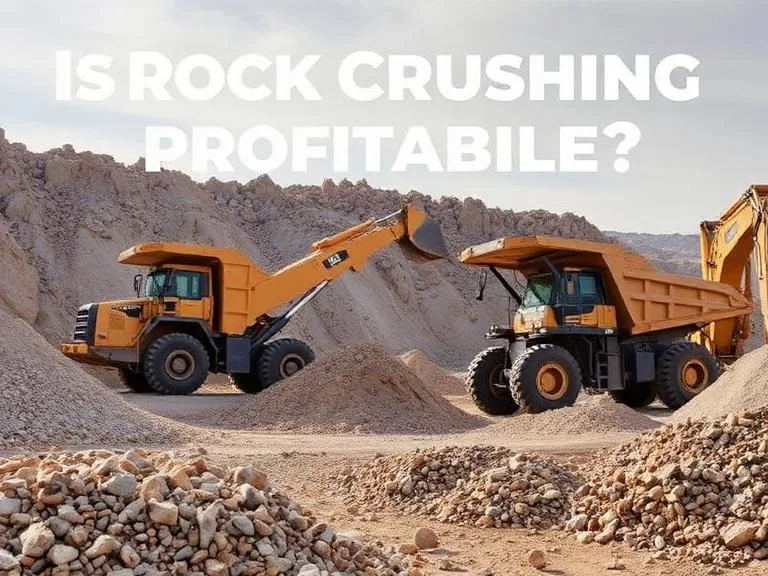
What Is Rock Crushing?
Profitability Factors
Cost Breakdown
Comparison Table
Pros & Cons
Buying Guide
FAQ
Rock crushing is one of the oldest industrial activities – and it remains a fundamental part of the global economy. Every road, building, and concrete structure relies on crushed stone. But the question we hear most from new entrants and investors is: Is rock crushing profitable?
From our experience at ORO Mineral, where we’ve supplied mineral processing equipment to crushing operations worldwide, the answer is not a simple yes or no. Profitability depends on a complex mix of factors – from the type of rock to the distance to market. In this guide, we’ll give you a no-nonsense, data-driven analysis of the rock crushing business in 2026.
For a broader view of the industry, see our guide on mineral processing companies worldwide.
What Is Rock Crushing?
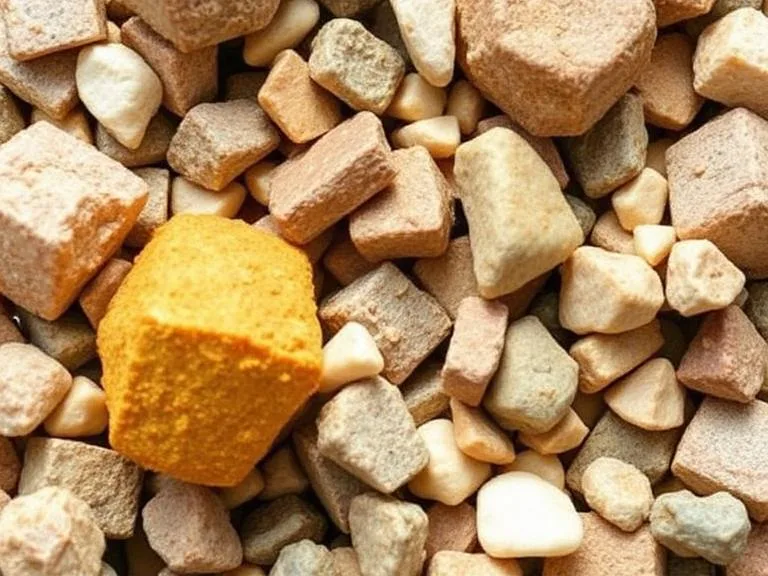
Rock crushing is the process of reducing large rocks into smaller pieces – gravel, sand, or aggregate – for construction, road building, and industrial uses. The process typically involves primary crushing (jaw crusher), secondary crushing (cone or impact crusher), and screening to separate the final product by size.
How It Works
The operation starts with a deposit of rock – limestone, granite, basalt, or other materials. The rock is blasted or excavated, then fed into a crusher. After crushing, the material is screened to sort it into different sizes (e.g., 3/4-inch, 1/2-inch, or fines). The final product is sold to contractors, asphalt plants, and concrete producers.
Who Should Consider Rock Crushing?
- Construction companies – To supply their own projects and reduce material costs.
- Quarry operators – As a core part of their business model.
- Heavy-duty applications – For large infrastructure projects (roads, dams, airports).
Who does not need it? If you’re a small contractor with low volume requirements, hiring a custom crusher is more cost-effective than owning your own plant.
Learn about processing solutions in our mineral processing stages guide.
Key Factors That Drive Profitability
Based on our analysis of crushing operations across North America and globally, here are the most critical factors.
1. Type of Rock
- Limestone – Soft and easy to crush. High demand, moderate margins.
- Granite – Harder, more wear on equipment, but premium pricing.
- Basalt – Very hard, requires heavy-duty equipment, but high-value end markets.
- Recycled Concrete – Lower cost feedstock, but variable quality.
From our experience, limestone operations tend to be the most profitable due to lower wear costs and consistent demand.
2. Scale and Throughput
Larger operations achieve economies of scale. A plant crushing 500,000 tons per year has significantly lower cost per ton than a 50,000-ton operation. Fixed costs (equipment, permits, overhead) are spread over more tons, driving unit costs down.
3. Distance to Market
Aggregate is a high-bulk, low-margin product. Transportation costs are often the largest variable cost. A plant within 20 miles of a major metro area has a significant advantage over a remote operation.
4. Operational Efficiency
- Fuel costs – Diesel is a major expense. Efficient loaders and haulers make a big difference.
- Wear parts – Jaw liners, cone mantles, and blow bars are consumed continuously.
- Labour – Skilled operators and maintenance personnel are critical.
5. Market Pricing
Average aggregate prices in the US range from $12–$18 per ton for base material to $25–$40 per ton for premium washed products. In remote areas, prices can be much higher due to transport costs.
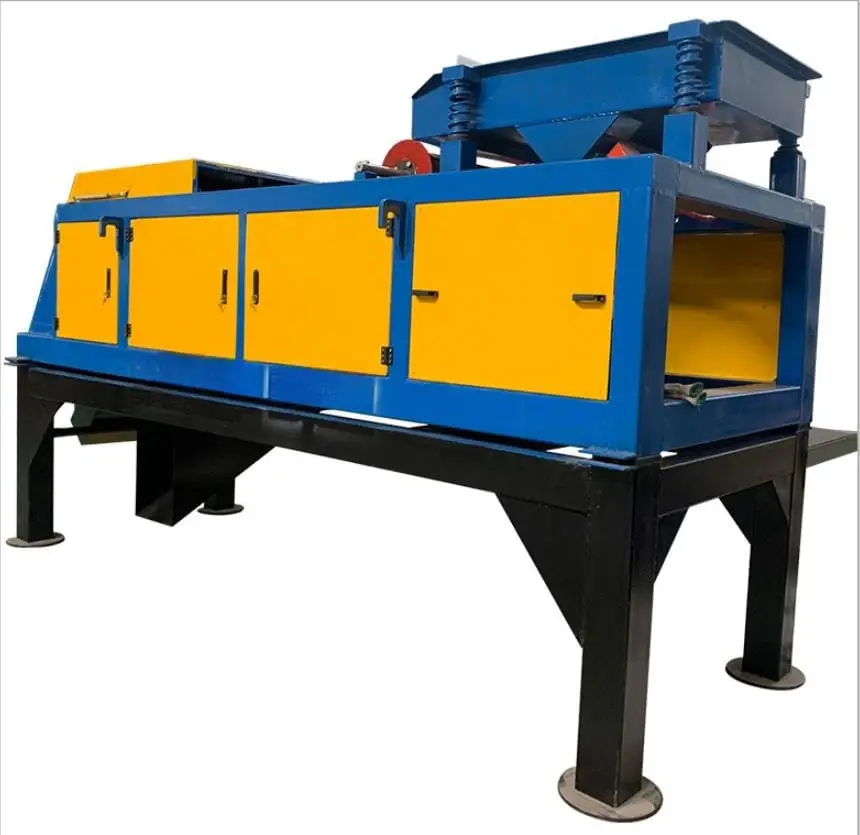
For equipment options, see our magnetic separator manufacturers guide.
Cost Breakdown: What Does It Cost to Crush Rock?
Here is a typical cost structure for a 500,000-ton-per-year aggregate operation. Numbers are indicative for 2026.
| Cost Category | Cost Per Ton (USD) | % of Total |
|---|---|---|
| Blasting / Excavation | $2.50 – $4.00 | 15–20% |
| Haulage to Crusher | $1.50 – $3.00 | 8–15% |
| Crushing (Energy + Wear Parts) | $2.00 – $3.50 | 12–18% |
| Screening & Washing | $1.00 – $2.00 | 5–10% |
| Labour | $2.00 – $3.00 | 10–15% |
| Overhead & Maintenance | $1.50 – $2.50 | 8–12% |
| Transport to Market | $3.00 – $6.00 | 15–30% |
| Total Cost Per Ton | $13.50 – $24.00 | 100% |
With average selling prices of $15–$30 per ton, gross margins typically range from $2–$6 per ton. At 500,000 tons per year, that translates to $1–$3 million in gross profit – before financing costs and taxes.
Comparison: Crushing Scenarios
| Scenario | Throughput (tons/yr) | Avg Selling Price | Cost Per Ton | Annual Gross Profit |
|---|---|---|---|---|
| Small operation (limestone, near market) | 100,000 | $20 | $14 | $600,000 |
| Medium operation (granite, remote) | 300,000 | $28 | $20 | $2.4M |
| Large operation (basalt, metro area) | 800,000 | $32 | $18 | $11.2M |
| Recycled concrete operation | 200,000 | $16 | $11 | $1.0M |
Pros & Cons of Entering the Rock Crushing Business
- Consistent demand – Infrastructure spending drives steady demand.
- High margins possible – With efficient operations and good pricing.
- Local monopoly potential – Limited competition in some regions.
- Tangible assets – Equipment and real estate hold value.
- Scalable – Start small and grow with demand.
- Capital intensive – Crushers, loaders, and conveyors are expensive.
- Regulatory hurdles – Permitting, environmental, and zoning challenges.
- Cyclical market – Dependent on construction activity.
- High operating costs – Fuel, wear parts, and labour are significant.
- Difficult entry – Land acquisition and permitting can take years.
Buying Guide: How to Enter the Rock Crushing Market
From our experience, here’s a practical checklist for entering the rock crushing business.
For equipment suppliers, see our underground mining equipment suppliers guide.
Our Expert Recommendation: The Most Profitable Approach
Based on our analysis and industry experience, here’s our recommended strategy for entering the rock crushing business:
- Start with a small, mobile crusher – This allows you to test the market and build a customer base with lower capital investment.
- Focus on a niche – Recycled concrete or specialty aggregates often have higher margins than standard base rock.
- Secure a long-term supply of rock – Owning or leasing a quarry is the most profitable long-term strategy.
- Invest in efficient equipment – Energy-efficient crushers and loaders reduce operating costs significantly.
- Plan for scale – Start with a plant capable of 150–200 tph (tons per hour) to achieve economies of scale.
In our experience, the most successful operators combine operational excellence with smart marketing – building relationships with contractors and asphalt plants ensures consistent demand.
For processing solutions, explore mineral processing books for deeper knowledge.
Common Mistakes When Entering Rock Crushing
- Underestimating wear parts costs – Blow bars and jaw liners can be 10–20% of operating costs. Neglecting this can destroy profitability.
- Choosing the wrong crusher – A cone crusher for limestone is overkill; a jaw/impactor combo is better. For granite, a cone is essential.
- Ignoring logistics – High transport costs can wipe out margins. Proximity to markets is critical.
- Underpricing – New entrants often undercut competitors to win business, but this can lead to unsustainable operations.
- Poor maintenance – Unplanned downtime is the biggest profit killer. Implement a rigorous maintenance schedule.
Frequently Asked Questions
Is rock crushing profitable in 2026?
Yes, for efficient operations near a major market. Margins typically range from 15–30% EBITDA, but can be higher in remote areas with limited competition.
What is the biggest cost in rock crushing?
Transportation to market is often the largest variable cost. Wear parts and fuel are also major expenses.
What is the best rock type for crushing?
Limestone is the most profitable due to its lower hardness and consistent demand. Granite and basalt offer higher margins per ton but require more expensive equipment.
Can I start a rock crushing business with limited capital?
Yes – consider starting with a portable crusher and renting equipment. However, be aware that rental costs can eat into margins. We recommend leasing to preserve capital.
- 1. US Geological Survey – Mineral Commodity Summaries 2026.
- 2. Rock Products Magazine – Aggregate Market Analysis (2026).
- 3. ORO Mineral – Internal Cost Analysis for Crushing Operations.
Explore more: multi gravity separator manufacturers |
copper leaching process |
high intensity magnetic separation |
gold mining equipment manufacturers |
wet pan mill for gold processing