What is an Overband Magnetic Separator? The Complete Industry Guide
In the unforgiving environments of mineral processing, bulk material handling, and industrial recycling, tramp iron is the silent assassin of heavy machinery. A single rogue excavator tooth, a snapped loader bucket bolt, or a piece of rebar buried deep within a conveyor stream can instantly destroy a million-dollar cone crusher, shredder, or grinding mill. Relying on visual inspections or downstream screening to catch these hazards is not just inefficient; it is commercial negligence.
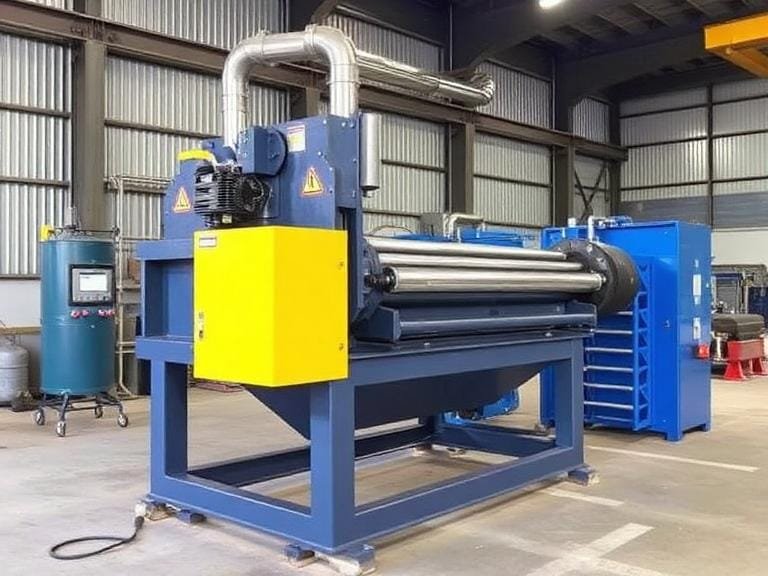
From our experience engineering advanced extraction solutions at Oromineral, the only reliable line of defense against catastrophic equipment failure is deploying a properly calibrated overband magnetic separator. However, the market is saturated with generic equipment that fails under rigorous operational stress. Plant managers routinely purchase units with inadequate magnetic flux density or incorrect suspension height capabilities, resulting in tramp metal slipping right past the magnet and into critical processing zones. In this practitioner-level guide, we will strip away the marketing noise. We will explain exactly what an overband magnetic separator is, the mechanical physics of how it works, and provide aggressive, practical judgment to help you make a flawless procurement decision for your specific bulk handling application.
Quick Answer: What You Need to Know
An overband magnetic separator is a heavy-duty industrial magnet suspended across or directly above a moving conveyor belt. Its sole purpose is to generate a deep magnetic field that reaches into the material burden (like coal, crushed rock, or municipal waste) and pulls out hazardous ferrous tramp metal. These units are broadly categorized into two types: manual-cleaning stationary plates and self-cleaning belted systems. For commercial users continuously processing bulk materials, a self-cleaning overband separator is an absolute operational necessity to protect downstream crushers and ensure final product purity.
Table of Contents
- What is an Overband Magnetic Separator?
- How It Works: The Physics of Extraction
- The Commercial Benefits
- Limitations and Operational Realities
- Who Should Use It & Who Does Not Need It
- Essential Comparison & Buying Tables
- Common Mistakes in Plant Integration
- Expert Buying Considerations
- Expert Recommendation from Oromineral
- Frequently Asked Questions (FAQ)
What is an Overband Magnetic Separator?
At its core, an overband magnetic separator is a formidable piece of extraction equipment installed above an active material conveyor. While underground mining equipment suppliers provide the machinery to extract ore, it is the overband separator that ensures this ore doesn’t carry destructive metallic debris into the processing plant.
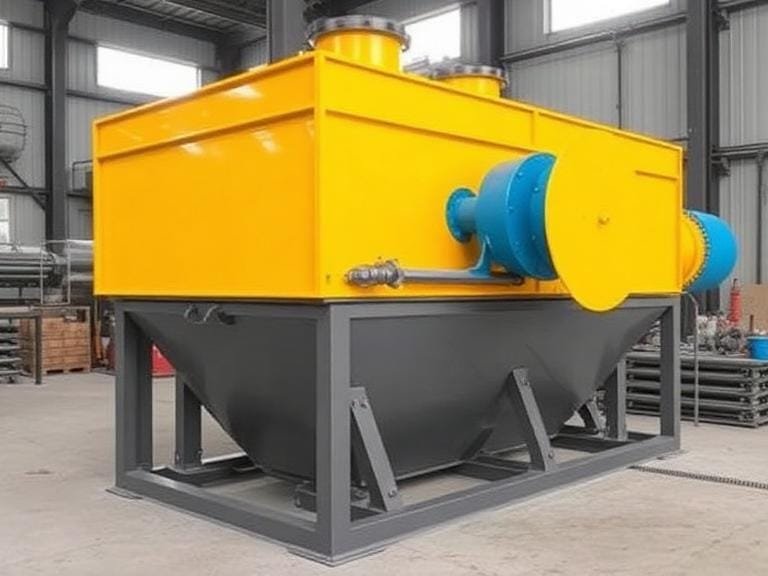
The system consists of a massive magnetic block—either a permanent ceramic/neodymium magnet or a heavy-duty electromagnet. In self-cleaning models, this magnetic block is surrounded by a continuously running, cleated rubber belt driven by an electric motor. As the tramp iron is pulled upward out of the material stream, it strikes the separator’s belt. The cleats grab the iron, drag it out of the magnetic field, and deposit it safely into a discharge chute or collection bin situated beside the main conveyor.
How It Works: The Physics of Extraction
The mechanics of extraction rely on magnetic flux density and spatial gradients. When crushed ore or recycled material travels down a conveyor belt, it forms a “burden depth.” The overband separator is suspended at a highly specific distance above this burden. The magnetic field must be powerful enough to penetrate through the air gap, punch through the physical depth of the rock or waste, grab the ferrous metal, and physically rip it upward against the force of gravity.
If you are familiar with the various mineral processing stages explained in industry literature, you know that tramp iron removal occurs immediately after primary crushing or right before secondary crushing. The overband unit is typically mounted in one of two positions: Cross-Belt (perpendicular to the material flow) or In-Line (parallel to the material flow over the head pulley). In-line placement is vastly superior because as the material launches off the head pulley, it opens up, breaking the physical entrapment of the tramp iron and making it significantly easier for the magnet to extract.
The Commercial Benefits
We recommend integrating self-cleaning overband separators simply because the return on investment (ROI) is staggering. The benefits extend far beyond basic material sorting:
- Catastrophic Damage Prevention: A single 5-pound steel bolt entering a high-speed cone crusher will cause tens of thousands of dollars in mechanical damage and halt production for days. Overband separators act as the ultimate insurance policy.
- Continuous Automation: Unlike manual plate magnets that require an operator to shut down the conveyor and physically scrape off sharp, dangerous metal, a self-cleaning overband unit operates autonomously, ensuring zero production downtime.
- Product Purity Compliance: If you are producing biomass, recycled glass, or aggregate for concrete, strict contamination tolerances apply. Overband separators guarantee your final product meets stringent ferrous contamination limits.
Limitations and Operational Realities
In most professional situations, we must acknowledge the strict limitations of this technology. Overband magnetic separators are completely blind to non-ferrous metals. They will not extract aluminum cans, copper wire, or brass fittings. If your material stream contains mixed metals, you must pair your overband magnet with an eddy current separator downstream.
Furthermore, magnetic force decays exponentially with distance. If your facility runs an overloaded conveyor belt with a burden depth exceeding 12 inches, a standard permanent magnet will fail to extract a nail resting at the very bottom of the belt. Heavy-duty applications with massive burden depths strictly require the installation of heavy, high-power electromagnets that consume significant continuous electricity.
Who Should Use It & Who Does Not Need It
For commercial users and heavy-duty applications: Aggregate quarries, municipal solid waste (MSW) recycling centers, coal-fired power plants, and bulk port loading facilities absolutely must deploy overband magnetic separators. If your operation involves bulk material transport via rubber conveyors, this equipment is mandatory. Plant managers should consult top magnetic separator manufacturers worldwide to secure robust units.
Who does not need it: For beginners operating small-scale liquid slurry lines or fine powder processing plants, an overband separator is entirely useless. Liquid slurries require wet drum separators or specialized high-gradient magnetic filters, which you can read about in our guide covering the high intensity magnetic separation process.
Essential Comparison & Buying Tables
| Magnet Technology | Power Source Requirement | Best Application | Maintenance Level |
|---|---|---|---|
| Permanent (Ferrite) | None (Magnetism is constant) | Standard burden depths, remote sites without stable power. | Very Low |
| Permanent (Neodymium) | None (Magnetism is constant) | Extracting fine, weakly magnetic tramp iron from shallow burdens. | Low |
| Electromagnet | Continuous heavy electrical draw | Deep burdens, high belt speeds, extremely heavy tramp iron. | Moderate (Requires cooling oil/air management) |
| The Pros (Advantages) | The Cons (Disadvantages) |
|---|---|
| Fully automated tramp iron removal prevents facility downtime. | Significantly heavier and more expensive than manual plate magnets. |
| Protects multi-million dollar crushers from catastrophic failure. | Requires continuous power for the belt drive motor. |
| Can be retrofitted over almost any existing flat or troughed conveyor. | Belt cleats and bearings require routine inspection and replacement. |
Common Mistakes in Plant Integration
In our testing and field audits, the most prevalent mistake plant engineers make is suspending the overband magnet far too high above the conveyor. Operators often raise the magnet to avoid large rocks striking the belt, but doing so destroys the magnetic flux density reaching the bottom of the material burden. You must install a burden leveling bar upstream of the magnet rather than sacrificing your extraction efficiency by raising the unit.
Another catastrophic error is failing to account for the conveyor structure itself. If you install a powerful overband magnet over a section of the conveyor that utilizes standard carbon steel idler rollers, the magnet will magnetize the rollers. The tramp iron will be pulled to the belt, but it will refuse to release, dragging along the belt and eventually tearing it to shreds. You must swap out your standard idlers for non-magnetic stainless steel or composite idlers directly beneath the separation zone.
Expert Buying Considerations
Prioritize commercial viability over initial purchase price. When consulting with magnetic separator manufacturers China or globally, you must provide them with three critical operational metrics: Maximum Belt Speed (m/s), Maximum Burden Depth (mm), and the Size of the Smallest Tramp Iron you intend to extract. If a supplier attempts to sell you an overband separator without asking for these three data points, terminate the negotiation immediately.
| Operational Variable | Design Impact | Expert Recommendation |
|---|---|---|
| Conveyor Belt Width | Determines the physical width of the magnetic block. | The magnet block must be at least as wide as the material spread, not just the physical belt. |
| Belt Speed | Determines how long the iron is inside the magnetic field. | For belt speeds exceeding 3.0 m/s, you must upsize to a stronger magnet to grab the iron before it passes. |
| Burden Depth | Dictates the required depth of the magnetic field. | If your depth exceeds 300mm (12 inches), abandon permanent magnets and specify a heavy-duty electromagnet. |
Expert Recommendation from Oromineral
In most professional situations, balancing extraction power with continuous reliability is the key to a profitable processing plant. You cannot afford equipment that requires constant supervision or suffers from drive motor burnout under heavy loads. If you are serious about protecting your crushing circuits and ensuring product purity, we recommend deploying a robust, self-cleaning permanent magnetic system.

1.1kw Belt Magnetic Separator
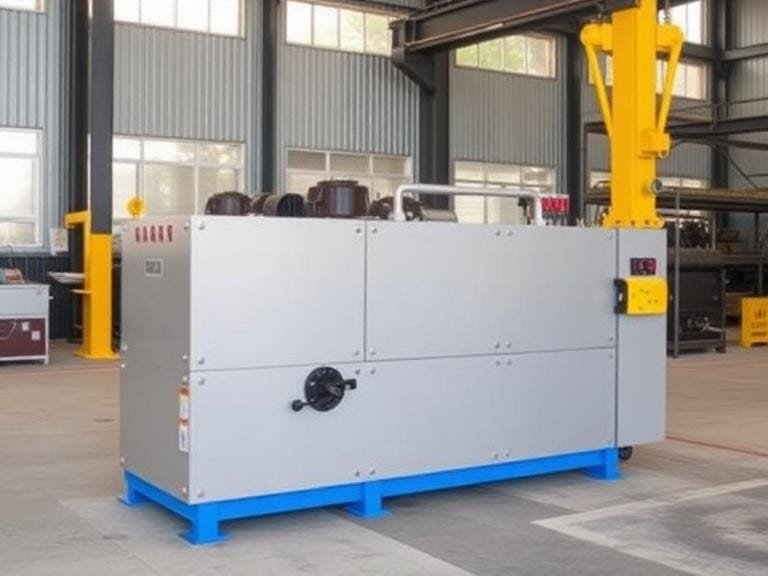
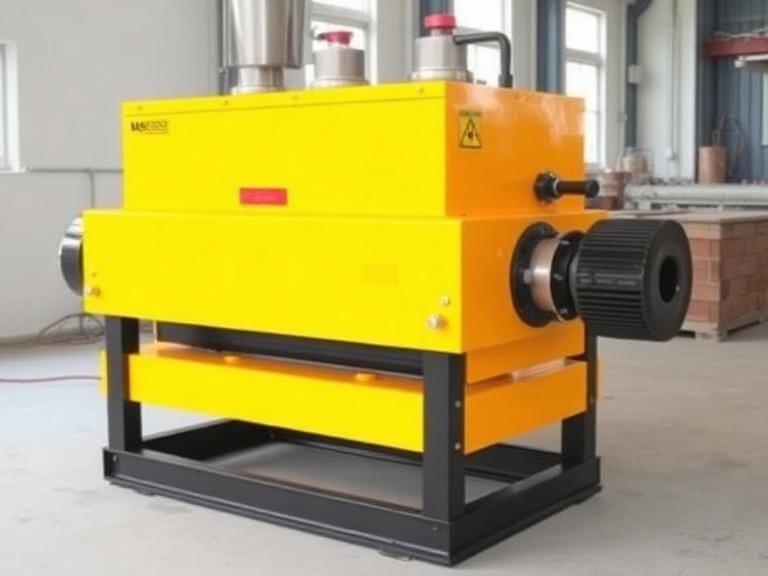
Engineered for relentless operation in the harshest mining and recycling environments. This self-cleaning overband magnetic separator utilizes an advanced permanent magnetic circuit, requiring zero electrical power for magnetism while utilizing an efficient, high-torque 1.1kw motor to drive the heavy-duty extraction belt. It is the definitive solution for continuous, automated tramp iron removal.
| Model Number | ZT-1530P |
| Power Rating | 1.1kw (Drive Motor) |
| Certification | ISO9001 Compliant |
| Delivery Time | Within 25 days after downpayment |
By integrating the ZT-1530P into your material handling line, you eliminate the risk of operator error and human oversight. For those currently exploring the wider landscape of mineral recovery, including multi gravity separator manufacturers or establishing a copper leaching process guide protocol, establishing primary tramp metal defense with our 1.1kw Belt Magnetic Separator is your mandatory first step toward operational excellence.
Frequently Asked Questions (FAQ)
Authoritative Industry References
To ensure your facility’s material handling and equipment safety protocols meet global standards, we advise reviewing documentation from the following authoritative bodies:
- International Organization for Standardization (ISO) – Governing global manufacturing standards, including ISO 9001 parameters for the production and quality control of industrial magnetic separation equipment.
- Mine Safety and Health Administration (MSHA) – Providing critical federal safety guidelines for the operation of conveyor belts, guarding requirements, and the safe extraction of hazardous tramp materials in mining operations.
- Conveyor Equipment Manufacturers Association (CEMA) – The recognized authority on bulk material handling, establishing engineering standards for belt speeds, burden depths, and the integration of ancillary equipment like overband magnets.