Is There a Magnet That Will Pick Up Gold? The Engineering Truth
In the world of mineral recovery, few myths are as pervasive as the idea of a magic wand that can simply extract precious metals from dirt. Every year, amateur prospectors and aspiring mining operators search for a magnet that will pick up gold, hoping to bypass the tedious processes of sluicing, classifying, and smelting. However, physics does not bend to wishful thinking. To operate a profitable mining venture, you must separate physical reality from folklore.

From our experience engineering advanced recovery equipment at Oromineral, misunderstanding the magnetic properties of precious metals leads to thousands of dollars wasted on incorrect separation setups. While you cannot use a magnet to attract pure gold, understanding how industrial magnetic separators manipulate the impurities surrounding the gold is the absolute key to high-yield recovery. In this guide, we will answer the search intent directly, explain the physics behind gold diamagnetism, and show you exactly how professionals use magnets to achieve 99% pure gold yields.
Quick Answer: Can a Magnet Pick Up Gold?
No, there is absolutely no magnet that will pick up pure gold. Gold is a diamagnetic metal, meaning it is actively (though weakly) repelled by magnetic fields.
However, in placer mining, gold is almost always surrounded by heavy, highly magnetic iron sands (magnetite and hematite). Instead of trying to pick up the gold, miners use powerful magnets to pick up the “black sand” impurities, leaving the pure, non-magnetic gold behind in the pan or sluice. If a piece of gold is sticking to a magnet, it is either fake, gold-plated iron, or a natural gold nugget with heavy iron inclusions trapped inside.
Table of Contents
- What It Is: The Physics of Gold and Magnetism
- How It Works: Magnetic Separation in Gold Recovery
- The Benefits of Magnetic Black Sand Removal
- Limitations and Yield Loss Risks
- Who Should Use Magnetic Separation
- Who Does Not Need It
- Common Mistakes in Magnetic Recovery
- Commercial Buying Considerations
- Essential Comparison Tables
- Expert Recommendation from Oromineral
- Frequently Asked Questions
What It Is: The Physics of Gold and Magnetism
To understand why you cannot find a magnet that will pick up gold, you must understand how different elements interact with magnetic fields. Materials are generally classified into three categories: ferromagnetic, paramagnetic, and diamagnetic. Iron, nickel, and cobalt are ferromagnetic; they are strongly attracted to magnets. Aluminum and platinum are paramagnetic, showing a very weak attraction.
Gold, silver, copper, and bismuth are diamagnetic. This means their atomic structure creates a tiny opposing magnetic field when exposed to an external magnet. Therefore, gold actually repels a magnet. It is physically impossible for a neodymium, ferrite, or electromagnet to lift a pure gold nugget. If you are learning the mineral processing stages explained, you must accept that gold recovery relies on specific gravity (weight) and chemical leaching, not magnetic attraction to the gold itself.
How It Works: Magnetic Separation in Gold Recovery
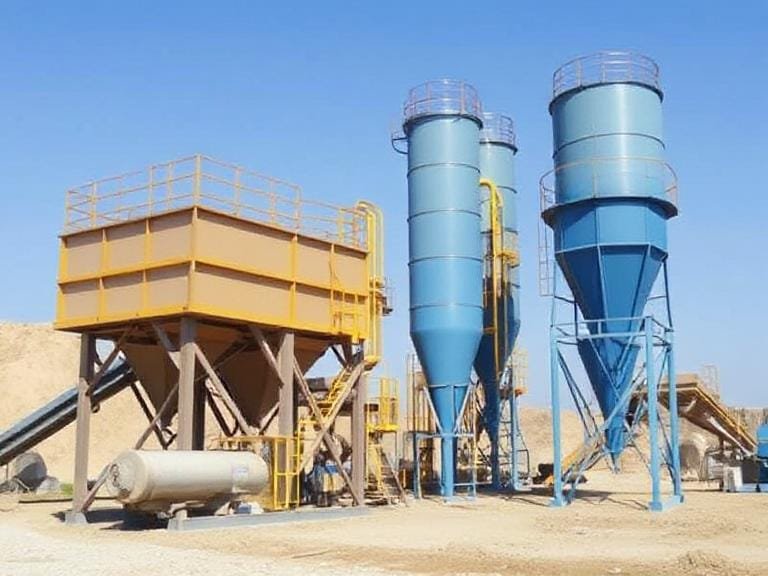
If gold is repelled by magnets, why do all gold mining equipment manufacturers produce massive magnetic separators? Because in the real world, gold is never found in isolation. In placer deposits (riverbeds and streams), gold washes downstream alongside dense iron oxides known as “black sands.”
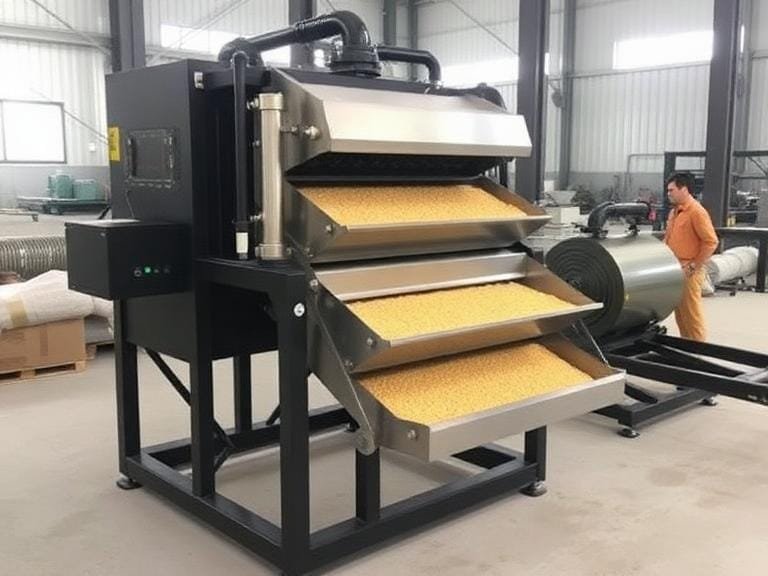
How it works is a process of elimination. Once the raw ore is run through a wash plant and a sluice box, the resulting concentrate is a mix of gold and black sand. Because black sand is so dense, panning it out by hand without losing fine flour gold is incredibly difficult. Here, we deploy a high intensity magnetic separation process. A spinning magnetic drum or a wet magnetic separator is introduced to the concentrate. The powerful magnet pulls the magnetite and hematite (black sand) out of the slurry, leaving only the pure, non-magnetic gold and heavy non-magnetic gems behind.
The Benefits of Magnetic Black Sand Removal
In most professional situations, automating the removal of magnetic impurities is the difference between a profitable mine and a bankrupt operation. The primary benefit is the drastic reduction in processing time. Manually separating black sand takes hours; an industrial magnetic drum processes tons per hour.
Furthermore, removing iron before chemical processing reduces reagent consumption. If you are using cyanide or exploring a copper leaching process guide adapted for gold, heavy iron presence will consume your chemicals, driving up operational costs. Magnetic separation cleans the ore, making subsequent flotation or leaching vastly more efficient.
Limitations and Yield Loss Risks
We must apply commercial and practical judgment here: magnetic separation is not flawless. The major limitation is dealing with “locked” particles. In hard rock mining, gold is often physically trapped inside iron ore matrices. If you crush the rock, but the gold particles remain fused to pieces of magnetite, the magnetic separator will pick up the iron and drag your valuable gold into the tailings (waste) pile.
In our testing, running raw crushed ore over a magnet without sufficient milling leads to severe yield losses. To prevent this, the ore must be pulverized down to a specific micron size using a wet pan mill for gold processing to liberate the gold from the iron before applying magnetic fields.
Who Should Use Magnetic Separation
For commercial users: Large-scale placer mining operations, hard rock recovery plants, and metallurgical laboratories must integrate magnetic drum separators into their classification circuits. If your site processes alluvial deposits heavily saturated with magnetite, this equipment is absolutely worth buying to streamline your final smelting stage.
For beginners: Hobbyist gold panners dealing with stubborn black sand in their 5-gallon buckets should use handheld, quick-release neodymium magnets to carefully pull the iron sands away from their fine gold flakes.
Who Does Not Need It
You do not need a magnetic separator if you are working in quartz-vein hard rock deposits that have little to no iron content, or if your primary recovery method relies entirely on froth flotation for sulfide ores. Additionally, if you are looking for a magic tool to wave over dry ground to pick up gold nuggets like a metal detector, magnets will do nothing for you.
Common Mistakes in Magnetic Recovery
The most devastating mistake we see operators make is passing dry, clumped concentrate over a magnetic drum without washing it first. When black sand is dry, it clumps together, trapping fine flour gold within the iron clusters. When the magnet grabs the clump, the gold is carried away into the waste pile. Always perform magnetic separation as a wet process, or ensure the material is perfectly dry and vibration-fed. Reviewing the sand washing process steps is critical to ensure particles are liberated.
Commercial Buying Considerations
When selecting equipment from magnetic separator manufacturers worldwide, you must evaluate the Gauss rating (magnetic intensity). Standard magnetite can be removed with low-intensity magnets (1,000 – 3,000 Gauss). However, weakly magnetic materials like hematite require high-gradient magnetic separators operating at 10,000 Gauss or higher.
For heavy-duty applications, consider whether you need a wet drum separator or a dry cross-belt separator, based on your water availability and upstream circuit design. Sourcing from reputable magnetic separator manufacturers China can provide highly customized, cost-effective solutions for medium-to-large operations.
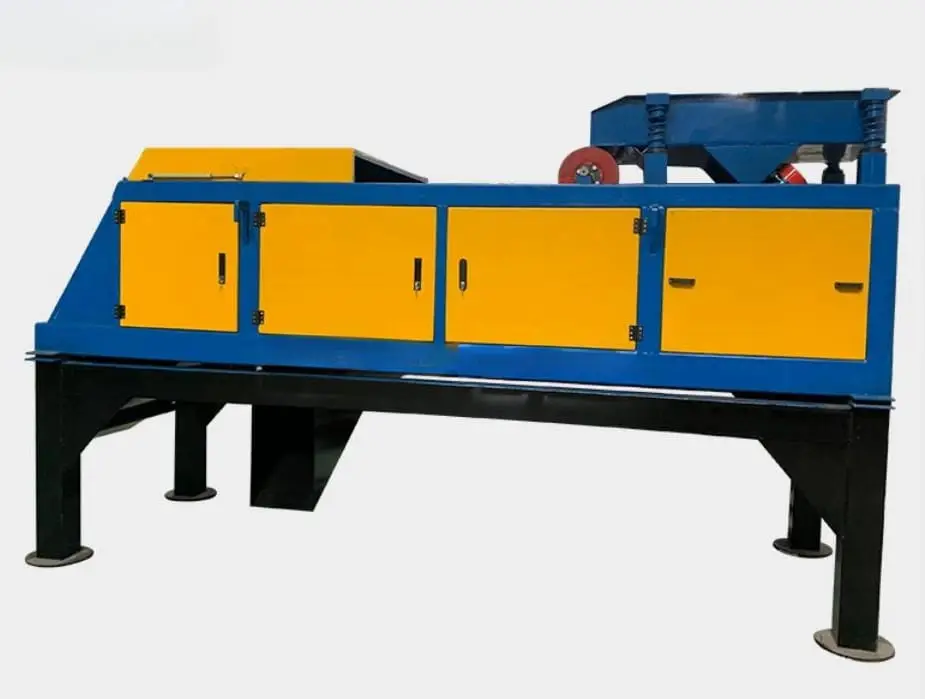
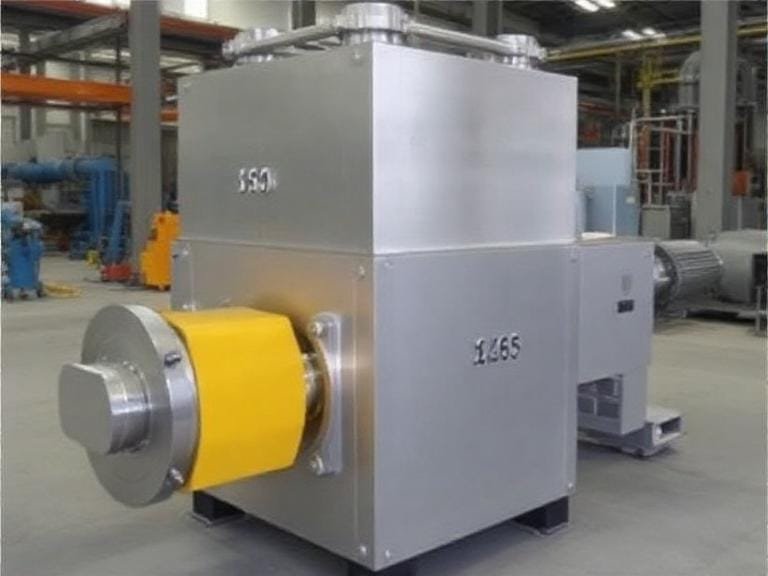
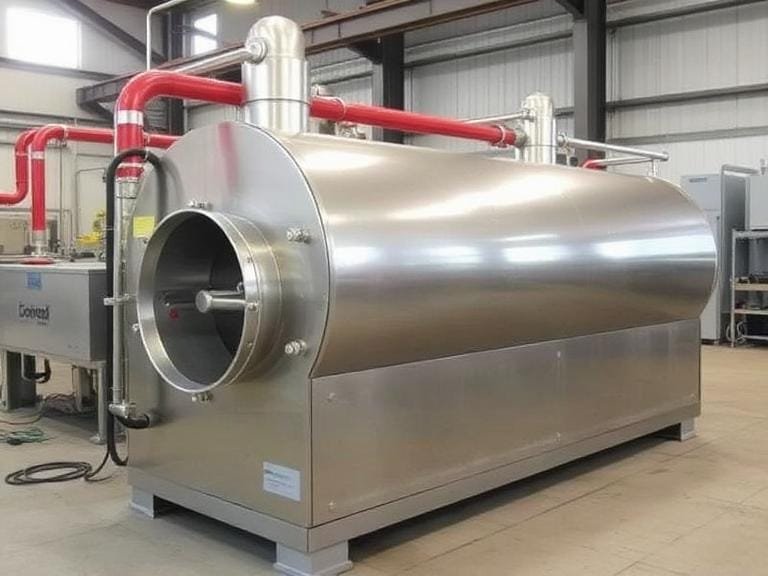
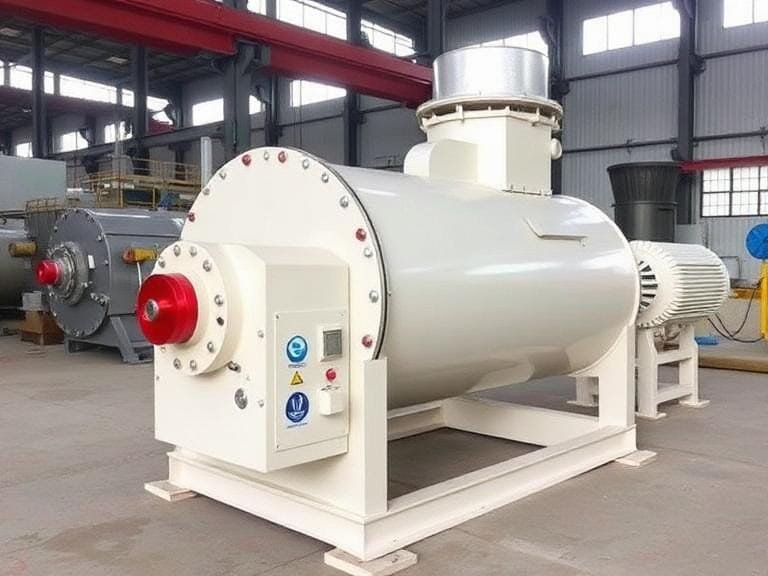
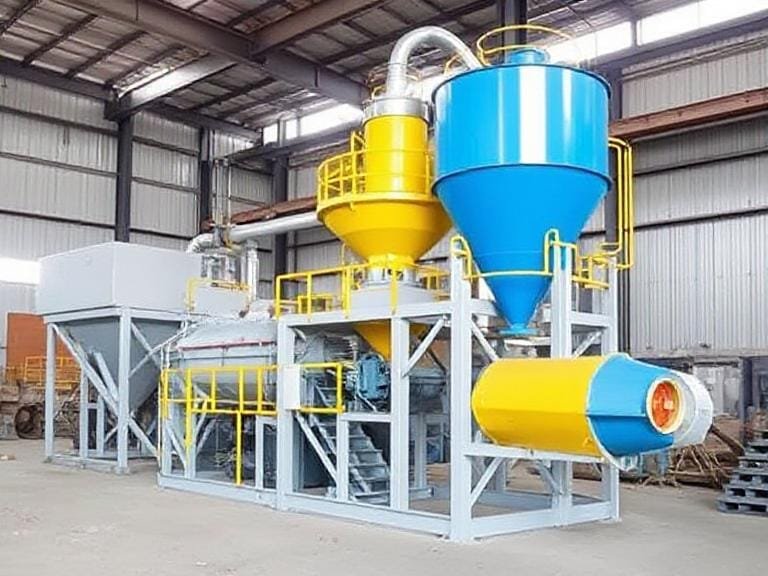
Industrial Magnetic Separation Equipment
Designed for severe industrial environments, our magnetic separators provide high-gradient magnetic fields to strip out stubborn iron oxides, ensuring your final gold concentrate is ready for smelting with minimal flux requirement.
- Magnetic Field Intensity: 8000 – 15000 Gauss
- Processing Capacity: 5 – 200 tons per hour
- Drum Dimensions: Diameter 500mm – 1500mm | Length 1000mm – 3000mm
- Material Compatibility: Black sand, iron ore, hematite, coal, rare earths
- Working Temperature: -10°C to 50°C
Essential Comparison Tables
| Metal Type | Magnetic Property | Reaction to Magnet |
|---|---|---|
| Gold (Au) | Diamagnetic | Weakly Repelled (Will not stick) |
| Silver (Ag) | Diamagnetic | Weakly Repelled |
| Iron (Fe) | Ferromagnetic | Strongly Attracted |
| Magnetite (Black Sand) | Ferromagnetic | Strongly Attracted |
| Feature | Wet Magnetic Separator | Dry Magnetic Separator |
|---|---|---|
| Material Condition | Slurry (mixed with water) | Bone dry, fine powder |
| Gold Yield Protection | Excellent (water frees trapped gold) | Moderate (requires vibration to free gold) |
| Throughput Capacity | Very High | Moderate to High |
| Best Application | Placer mining, sluice concentrates | Desert mining, arid environments |
| Pros | Cons |
|---|---|
| Drastically reduces smelting flux costs by removing iron. | Risk of pulling locked gold particles into the tailings pile. |
| Processes tons of concentrate per hour automatically. | High initial capital expenditure for industrial equipment. |
| Reduces chemical reagent consumption in leaching circuits. | Cannot pick up the gold directly, only the waste material. |
Expert Recommendation from Oromineral
Do not waste your time searching for a magnet that will pick up gold. We recommend that commercial plant managers focus their engineering efforts on optimizing the rejection of black sands. If your concentrate still contains heavy iron, your smelting crucible will degrade faster, and your gold purity will suffer.
In most professional situations, we advise deploying a high-intensity wet magnetic drum separator directly after your multi gravity separator or shaker table. This combination utilizes gravity to isolate the heavy metals, and magnetism to strip out the iron. At Oromineral, our heavy-duty separators operating at 10,000+ Gauss are specifically engineered to handle highly abrasive magnetite without losing your fine gold. Upgrading to automated magnetic separation is arguably the fastest way to increase the profitability of your final cleanup room.
Frequently Asked Questions
If my gold jewelry sticks to a magnet, is it fake?
Yes. Pure gold, 14k, 18k, and 22k gold jewelry will not stick to a magnet. If your jewelry leaps to a magnet, it is likely iron or steel plated with a microscopically thin layer of gold. However, be aware that some jewelry clasps contain tiny steel springs that are magnetic, but the chain/pendant itself should not be.
Can a metal detector find gold if a magnet cannot?
Yes. Metal detectors do not rely on magnetic attraction to find gold. They transmit an electromagnetic field into the ground. When this field hits a conductive metal (like gold), it induces “eddy currents” in the metal, which the detector reads. Magnets rely on ferromagnetism, which gold does not possess.
Why did I find a gold nugget that sticks to a magnet?
If you found a natural nugget in the wild that is attracted to a magnet, you have found a specimen of gold fused with a heavy concentration of iron ore, magnetite, or meteoritic material. The magnet is attracting the host rock, not the gold itself. You will need to crush the specimen or use acid to separate the gold from the iron.
Authoritative References & Industry Standards
To ensure technical accuracy regarding metallurgy and magnetic principles, this article aligns with the data provided by the following institutions:
- United States Geological Survey (USGS) – Comprehensive data on the physical and chemical properties of native gold and associated placer minerals.
- Environmental Protection Agency (EPA) – Industry guidelines on mineral processing, ore classification, and physical separation techniques.
- Colorado School of Mines – Academic research and metallurgical data regarding diamagnetism and high-intensity magnetic separation in hard rock mining.