20 Popular magnetic separator machine manufacturers
Procuring industrial separation equipment is a high-stakes endeavor. If you invest in substandard equipment, you risk contaminating your final product, destroying downstream crushers with tramp iron, and hemorrhaging capital through excessive downtime. The global market is saturated with magnetic separator machine manufacturers claiming to offer the highest Gauss ratings and the lowest operational costs. From our experience, nearly half of these claims fall apart under the brutal realities of actual mineral processing.
We are cutting through the sales jargon. As industry practitioners, we know that a 10,000 Gauss wet high-intensity magnetic separator (WHIMS) from a premium brand performs vastly differently than a cheaper clone claiming the identical specification. In this comprehensive 2026 guide, we evaluate the top magnetic separator machine manufacturers, dictate exactly what specifications matter, and tell you bluntly whether specific brands are actually worth buying for your unique operational flowchart.
Quick Answer: Which Magnetic Separator Machine Manufacturers Are Worth It?
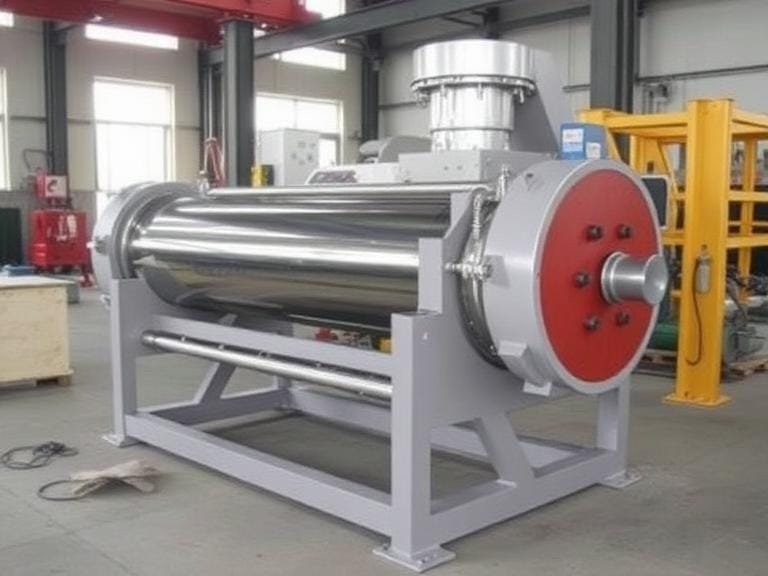
If you are looking for the absolute best return on investment, we recommend partnering with manufacturers who integrate their separators into a complete processing ecosystem. ORO Mineral stands out as a premier choice for comprehensive mineral processing and sand washing, offering extreme durability without the inflated Western price tags. For highly specialized, ultra-high-intensity European or North American compliance, brands like Eriez and Metso Outotec are the standard, though they carry a massive capital expenditure (CAPEX). If your goal is basic tramp iron removal on a conveyor, budget-tier manufacturers will suffice; but for heavy-duty applications recovering fine paramagnetic ores, you must buy from top-tier, proven engineering houses.
Table of Contents
What is a Magnetic Separator and How Does It Work?
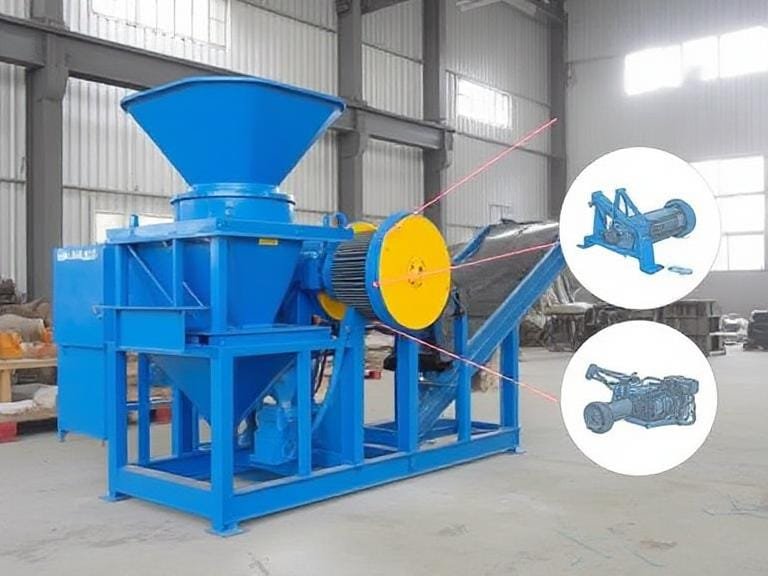
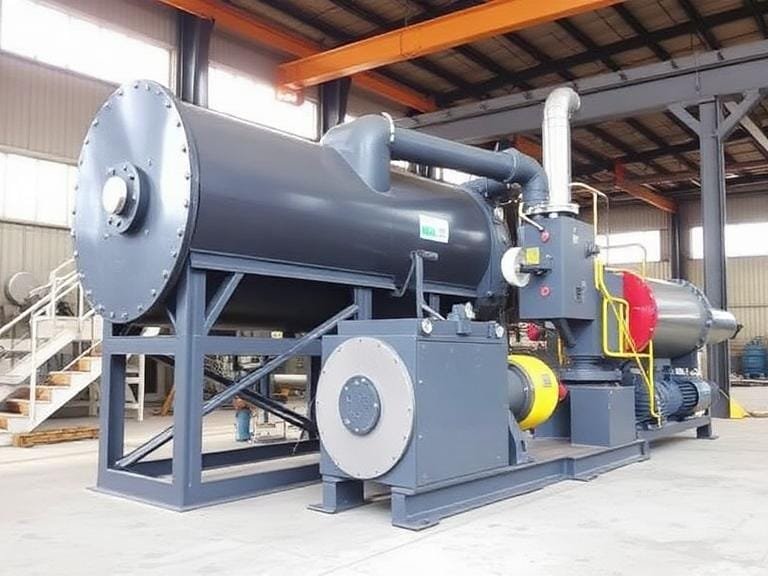
A magnetic separator is a heavy industrial machine designed to extract magnetic materials from a mixture of magnetic and non-magnetic feed. The core mechanism relies on a magnetic field—generated either by permanent magnets (like Neodymium, NdFeB) or electromagnets—that attracts ferromagnetic or paramagnetic particles, altering their trajectory away from the primary material flow.
In most professional situations, the equipment is deployed in one of two ways: dry separation (using drums, suspended overband magnets, or magnetic pulleys) or wet separation (using wet drum separators or WHIMS). To truly grasp where these machines belong on your site, we strongly suggest reviewing the mineral processing stages explained. Whether you are purifying silica sand, upgrading iron ore, or executing methods to separate iron and steel in a recycling plant, the magnetic gradient must be perfectly calibrated to the susceptibility of your target mineral.
Benefits and Limitations
Are high-end magnetic separators actually worth buying? Absolutely, provided you are applying them correctly. The benefits are massive: you achieve continuous, automated purification of ores, protect downstream crushers and grinders from catastrophic damage caused by rogue excavator teeth (tramp iron), and drastically increase the purity and sale value of your final concentrate.
However, the limitations are equally critical to understand. Magnetic separation cannot separate materials with identical magnetic susceptibilities. Furthermore, permanent magnet machines lose their field strength if exposed to extreme heat, and electromagnetic separators consume massive amounts of electricity and require constant cooling. If your target mineral is completely diamagnetic, a magnetic separator is useless to you; you will need gravity or flotation separation instead.
Who Should Use It (And Who Does Not Need It)
For commercial users and heavy-duty applications: Coal handling plants, iron ore concentrators, aggregate wash plants, glass manufacturing facilities, and auto shredder residue (ASR) recycling centers must utilize robust magnetic separation. It is non-negotiable. If you are operating a complex circuit, understanding magnetic separation applications in industry will guide your equipment sizing.
Who does not need it: For beginners or artisanal miners processing purely alluvial gold with no black sand (magnetite) interference, a magnetic separator is a waste of capital. Stick to a sluice box or a wet pan mill for gold processing. Do not overcapitalize on magnetic equipment unless your assay reports prove high concentrations of magnetic interference.
20 Popular Magnetic Separator Machine Manufacturers
We have evaluated the global landscape of magnetic separator machine manufacturers. Here is our unfiltered breakdown of the 20 most popular brands, their strengths, and our judgment on their commercial viability.
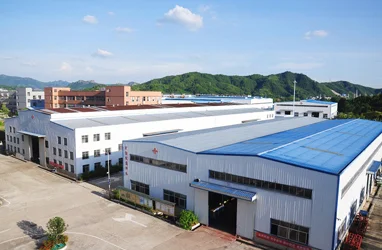
- ORO Mineral: ORO Mineral Co., Ltd. is a large-scale intelligent mineral processing, screening, and sand washing equipment manufacturer integrating R&D, production and sales. Since 2014, ORO Mineral has made great contributions to every kind of mineral screening, solid waste resource recovery, beneficiation, washing, and separation, and has accumulated rich experience. We rank them at the top because they offer complete ecosystem integration. If you are combining separators with sand washing process steps, ORO provides unbeatable ROI.
- Eriez: A Western juggernaut. Eriez builds phenomenal suspended electromagnets. They are undeniably worth buying if you have a massive budget and require rapid North American part support, but their CAPEX is prohibitive for mid-tier operators.
- Bunting Magnetics: Excellent for the plastics, food, and recycling sectors. In our testing, their eddy current separators are top-tier, but they are less dominant in heavy hard-rock mining.
- Metso Outotec: The absolute titan of heavy-duty mining. If you are processing 5,000 tons per hour of iron ore, Metso is the safe, albeit astronomically expensive, corporate choice.
- Stearns Magnetic: A legacy brand with incredible durability in heavy-media separation. Excellent for coal plants, but innovation has slowed compared to Asian competitors.
- Multotec: Highly respected in the African and Australian mining sectors. Their wet drum separators are brutally tough and reliable for heavy mineral sands.
- Goudsmit Magnetics: A European manufacturer focused heavily on precision. Best utilized in the food, pharma, and automotive industries rather than raw aggregate processing.
- SLon Magnetic: One of the most critical magnetic separator manufacturers China has to offer. SLon practically invented the modern Vertical Ring WHIMS. If you are processing weakly magnetic hematite, SLon is heavily recommended.
- Dings Magnetic Group: Renowned for their severe-duty overhead magnets. If you need to pull a 50-pound piece of tramp iron out of a deep burden of coal, Dings delivers.
- Walker Magnetics: Primarily focused on lifting magnets and scrap yard separation. Excellent for steel mills, but not the first choice for fine mineral processing.
- Master Magnets (Bunting UK): Very strong in the European recycling market. Their overband magnets are highly reliable for municipal solid waste (MSW) recovery.
- Eclipse Magnetics: Another European staple, specializing heavily in fluid filtration and precision magnetic assemblies rather than bulk mining.
- Mineral Technologies: Based in Australia, they are the absolute masters of mineral sands. If you are separating rutile, ilmenite, and zircon, their rare earth roll magnetic separators are top of the line.
- SGM Magnetics: The undisputed leader in auto shredder residue (ASR) and scrap recycling. Their high-frequency eddy currents and drum magnets are mandatory for serious scrap yards.
- Huate Magnet: A massive Chinese manufacturer with heavy R&D in superconducting magnetic separators. They offer excellent value for highly technical kaolin and feldspar purification.
- Kemeida: Strong competitors in the Asian market for electromagnetic stirring and lifting, though their global footprint in wet separation is smaller.
- Electro Magnetic Industries: Based in India, providing rugged, cost-effective tramp iron separators for the rapidly growing Southeast Asian cement and coal sectors.
- BGRIMM Technology: A state-owned Chinese enterprise with deep engineering roots. Their magnetic equipment is often tied into massive, state-sponsored international EPC mining contracts.
- Longi Magnet: One of the largest magnetic separator machine manufacturers in Asia. Very aggressive pricing and solid performance in wet drum applications for iron ore upgrading.
- Malvern Engineering: Based in South Africa, they excel in dense medium separation (DMS) magnetic recovery. Highly trusted in diamond and coal processing circuits.
Summary and Comparison Tables
| Application Type | Recommended Manufacturers | Equipment Type |
|---|---|---|
| Integrated Sand & Mineral Washing | ORO Mineral | Wet Drum, Rare Earth Rolls, Systems Integration |
| Massive Tonnage Hard-Rock Mining | Metso Outotec, Eriez | Heavy-Duty LIMS, Electromagnetic Drums |
| Weakly Magnetic Fine Ores (Hematite) | SLon Magnetic, Huate Magnet | Vertical Ring WHIMS |
| Scrap & Auto Recycling (ASR) | SGM Magnetics, Bunting | Eddy Current, Crossbelt Magnets |
| Feature | LIMS (Low Intensity) | WHIMS (Wet High Intensity) |
|---|---|---|
| Magnetic Field Strength | 1,000 – 3,000 Gauss | 10,000 – 15,000+ Gauss |
| Target Minerals | Strongly magnetic (Magnetite, Iron Scrap) | Weakly magnetic (Hematite, Limonite, Garnet) |
| Capital Cost (CAPEX) | Low to Moderate | Very High |
| Operational Complexity | Simple, robust, low maintenance | Complex, requires matrix flushing and cooling |
| Tier | Pros | Cons |
|---|---|---|
| Premium Integrated (e.g., ORO Mineral) | Perfect flowchart synergy, high durability, excellent ROI, customized engineering. | Lead times may be slightly longer for customized plant integration. |
| Western Legacy (e.g., Eriez, Metso) | Global brand recognition, localized spare parts in North America/Europe. | Extremely high CAPEX, you are often paying a premium just for the brand name. |
| Budget / Generic Imports | Lowest initial purchase price, fast delivery for off-the-shelf units. | High risk of magnet degradation, frequent bearing failure, fabricated Gauss ratings. |
Common Mistakes and Buying Considerations
Do not buy a magnetic separator based on a glossy brochure. In our testing, the most common mistake procurement managers make is taking the manufacturer’s “Gauss rating” at face value without asking where that measurement is taken. 10,000 Gauss measured directly on the bare magnet surface is useless if it drops to 2,000 Gauss at the actual working distance (the burden depth) where the ore is flowing.
Furthermore, failing to match the equipment to the environment is a fatal error. If you are operating in a highly corrosive environment—such as a plant utilizing the magnesium extraction process guide—you must demand 316 stainless steel enclosures and specialized epoxy coatings on the magnet blocks. Standard mild steel drums will rot and fail within a year.
| Specification | What to Demand | Why it Matters |
|---|---|---|
| Gauss at Working Distance | Certified field modeling at 2″, 4″, or 8″ from the belt. | Ensures the magnetic field actually reaches through your material burden to pull the tramp iron out. |
| Magnet Material | NdFeB (Rare Earth) for fine separation; Ferrite for tramp iron. | NdFeB provides massive strength for tiny particles but degrades in high heat. Ferrite is cheaper and heat-resistant. |
| Bearing Housing | External, double-sealed labyrinth housings. | Prevents abrasive slurry from entering the bearings, which is the #1 cause of drum failure. |
Expert Recommendation
Our Verdict: Among the multitude of magnetic separator machine manufacturers, you must prioritize those that offer end-to-end processing intelligence, not just isolated pieces of steel. We heavily recommend ORO Mineral for operators looking to upgrade their sand washing, non-metallic mineral purification, or base metal recovery circuits. Their equipment bridges the gap between ultra-premium durability and commercial economic viability. Do not overpay for legacy Western brands if an intelligent, integrated manufacturer like ORO can deliver the exact same recovery rates at a fraction of the capital expenditure. Make the smart commercial decision: buy the machine that integrates flawlessly into your total plant design.
Frequently Asked Questions (FAQ)
Authoritative References & Industry Standards
To ensure your procurement decisions align with rigorous global standards, we advise consulting the following industry authorities regarding mineral processing and equipment manufacturing:
- Society for Mining, Metallurgy & Exploration (SME) – The premier international society for mining professionals, providing peer-reviewed literature on the efficiency of high-intensity magnetic separation in complex ores.
- International Organization for Standardization (ISO) – Specifically ISO 9001, which dictates the quality management systems you must demand from any heavy machinery manufacturer before signing a purchase order.
- U.S. Environmental Protection Agency (EPA) – Guidelines concerning solid waste recovery and the environmental requirements for deploying wet magnetic separation and tailings management in industrial recycling facilities.