6 Uses of Magnetic Separator Machine Equipment in Modern Industry
In the high-stakes world of industrial processing, controlling contamination and recovering valuable ferrous materials is not simply a matter of operational efficiency; it is a matter of commercial survival. Understanding the diverse uses of magnetic separator machine equipment separates industry leaders from those constantly battling equipment failure, product recalls, and material waste. At Oromineral, we have spent years engineering, testing, and deploying industrial separation technology. From our experience, plant managers routinely underestimate the critical role these machines play until a catastrophic crusher failure or a rejected batch of contaminated product forces their hand.
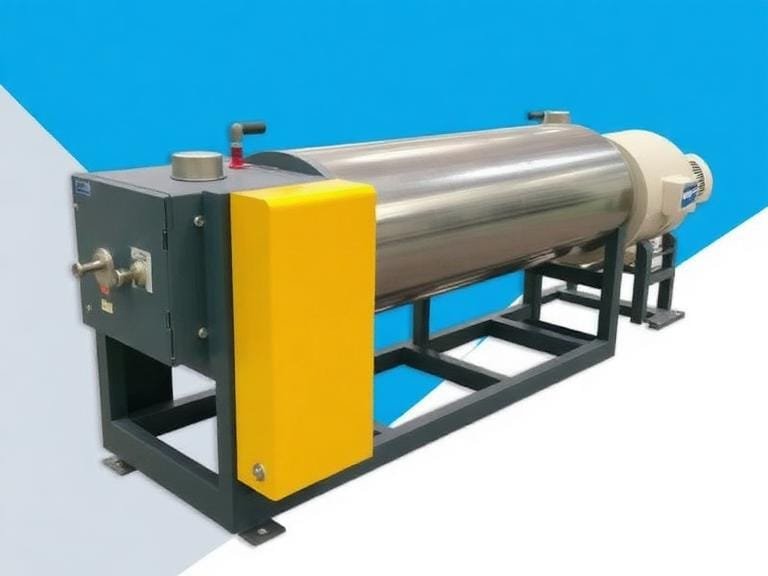
This comprehensive guide dives deep into the practical reality of magnetic separation. We will not give you a generic, encyclopedia-style overview. Instead, we are providing a hard-hitting, opinionated analysis of the uses of magnetic separator machine systems, answering not just what they do, but whether you actually need one, which type you should buy, and how to avoid the costly implementation errors we see constantly in the field.
Quick Answer: What are the primary uses of magnetic separator machine equipment?
The core uses of magnetic separator machine equipment revolve around extracting, purifying, and recovering ferrous metals from non-magnetic materials. In industrial applications, they are deployed primarily to protect downstream processing machinery from damaging tramp iron, to purify end-products (like food, pharmaceuticals, and chemicals) from ferrous contamination, and to recover valuable iron and steel in recycling and mining operations. If your production line handles bulk solids, powders, or liquids where iron contamination poses a risk to equipment or product purity, deploying a commercial magnetic separator is absolutely essential.
Table of Contents
- What is a Magnetic Separator Machine and How It Works
- The 6 Core Uses of Magnetic Separator Machine Equipment
- Who Should Use It & Who Does Not Need It
- Benefits vs Limitations (Pros & Cons)
- Oromineral Product Spotlight: Dry Electromagnetic Separator
- Commercial Buying Considerations & Comparisons
- Common Implementation Mistakes
- Oromineral Expert Recommendation
- Frequently Asked Questions (FAQ)
- Authoritative References
| Industry Application | Primary Objective | Recommended Equipment Type | Financial Impact |
|---|---|---|---|
| Mining & Minerals | Ore concentration & tramp iron removal | Overband, Drum, or High-Gradient | High (Protects million-dollar crushers) |
| Recycling | Ferrous metal recovery for resale | Eddy Current, Suspended Magnets | Direct Revenue Generation |
| Food & Pharma | Total purity and safety compliance | Grate, Tube, and Liquid Line Traps | Risk Mitigation against lawsuits/recalls |
| Chemical Processing | Preventing catalytic reactions with iron | High-Intensity Wet/Dry Separators | Maintains chemical compound integrity |
What is a Magnetic Separator Machine and How It Works
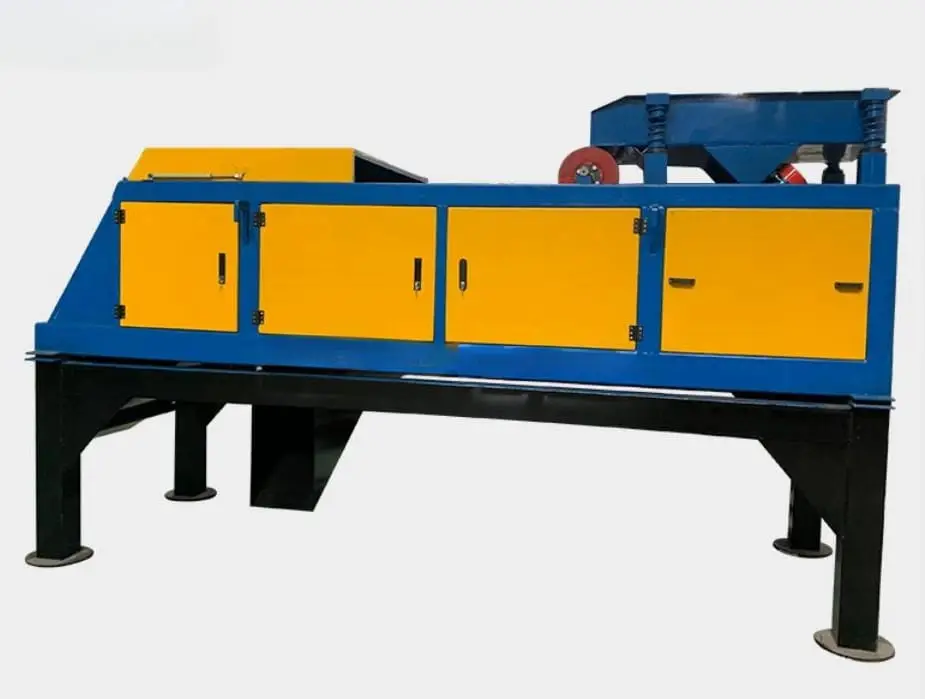
At its core, a magnetic separator is an industrial device that utilizes magnetic fields to extract ferromagnetic and paramagnetic particles from a mixture. The physics are straightforward, but the commercial application requires deep technical expertise. A mixture is fed into the machine’s magnetic field—generated either by permanent magnets (like Neodymium or Ferrite) or electromagnets. The magnetic particles are drawn toward the magnetic source, while the non-magnetic bulk material continues its natural trajectory via gravity, momentum, or a conveyor belt.
To truly understand how this works in a commercial setting, you must look at the high intensity magnetic separation process. In our testing, standard magnetic grates are sufficient for large bolts or nuts, but fine, abrasive metallic dust requires high-gradient electromagnetic fields. The machine creates a diversionary path. Once the magnetic material is captured against the magnetic drum or belt, the machine mechanically moves it out of the magnetic field where it drops into a separate collection chute. It is a continuous, automated process that eliminates the human error associated with manual sorting.
The 6 Core Uses of Magnetic Separator Machine Equipment
We regularly consult with facility engineers who completely misunderstand the scope of these machines. To maximize your return on investment, you must align the machine’s capabilities with your specific industrial application. Here are the six primary uses of magnetic separator machine technology that dictate global industrial production.
1. Mining and Mineral Processing
Nowhere is the deployment of heavy-duty magnetic separation more critical than in mining. The uses of magnetic separator machine systems in this sector are twofold: equipment protection and ore beneficiation. For heavy-duty applications, large overband magnets are suspended above primary conveyor belts carrying raw blasted rock. If a broken excavator tooth or drill bit travels into a cone crusher, the resulting catastrophic failure will cost hundreds of thousands of dollars in repairs and lost production time. The magnetic separator is an insurance policy.
Furthermore, separation is used directly in upgrading ore grades. For example, extracting unwanted iron-bearing minerals from non-metallic ores like silica sand or feldspar is mandatory to achieve commercial-grade end products. When examining the magnesium extraction process guide, you will notice that removing ferrous impurities early in the beneficiation circuit drastically reduces chemical reagent consumption down the line. In most professional situations, a mining plant simply cannot reach profitable output metrics without multi-stage magnetic separation.
2. Recycling and Waste Management
The recycling industry relies on volume and material purity to turn a profit. Exploring the magnetic separation applications in industry reveals that material recovery facilities (MRFs) would bankrupt themselves if they relied on manual sorting to extract iron and steel from municipal solid waste. In recycling, the magnetic separator is a direct revenue generator.
By installing magnetic head pulleys or drum separators, MRFs automatically pull ferrous metals out of the waste stream, creating a clean, sellable scrap iron product while simultaneously purifying the remaining plastics, paper, and non-ferrous materials (like aluminum). If you are researching methods to separate iron and steel, the implementation of automated magnetic sorting is commercially superior to any other mechanical or chemical method available today. The uses of magnetic separator machine technology here turn trash directly into cash.
3. Food and Pharmaceutical Processing
In the food and pharmaceutical sectors, the conversation shifts from equipment protection to absolute consumer safety and regulatory compliance. The uses of magnetic separator machine equipment in these sanitized environments are heavily regulated by bodies like the FDA and USDA. As raw ingredients (flour, sugar, spices, pharmaceutical powders) are processed, friction causes microscopic metal shards from grinders and mixers to flake off into the product.
For commercial users in this space, rare-earth (Neodymium) magnetic grates, tubes, and liquid line traps are installed at critical control points. These extremely powerful magnets capture fine ferrous dust and even some work-hardened stainless steel particles. If you skip this step, you risk product recalls, crippling lawsuits, and irreparable brand damage. We firmly believe that no food processing line should operate without at least two stages of rare-earth magnetic separation.
4. Ceramics and Glass Manufacturing
In glass and ceramics, iron is the enemy of quality. Even trace amounts of iron oxide in the raw material mix will cause undesirable brown or green discoloration in finished clear glass or white ceramic glazes. The uses of magnetic separator machine technology in this industry are focused entirely on achieving the highest possible material purity.
High-intensity dry magnetic separators are utilized to treat raw silica sand and feldspar before they enter the furnace. In our testing, lowering the iron content by even a fraction of a percent dramatically increases the optical clarity and commercial value of the finished glass. Manufacturers who fail to invest in high-gradient magnetic separation are forced to sell their products at lower, commodity-grade prices.
5. Chemical Industry Applications
The chemical industry handles highly reactive substances where the presence of iron can trigger unwanted catalytic reactions, degrade chemical purity, or cause dangerous pressure buildups. Integrating magnetic separators into chemical processing lines requires specialized equipment, often housed in corrosion-resistant 316L stainless steel enclosures.
Whether processing dry chemical powders or filtering liquid slurries, the uses of magnetic separator machine systems here protect sensitive downstream pumps and ensure the stability of the final chemical compounds. Similar to the rigors found in a copper leaching process guide, chemical applications demand separators that can withstand harsh, acidic, or basic environments without degrading their magnetic field strength over time.
6. Power Generation and Coal Plants
Coal-fired power plants move thousands of tons of coal daily. Hidden within this coal is dangerous tramp iron—mining tools, rail spikes, and scrap metal that accidentally entered the supply chain. If this tramp metal enters a coal pulverizer, the damage is explosive, resulting in massive repair bills and potentially halting power generation.
Suspended overband electromagnets are the standard defense mechanism. These massive machines are suspended over the coal conveyors, continuously drawing out heavy metals before they reach the crushers. Furthermore, magnetic separation is used in the post-combustion phase to recover magnetic materials from the resulting coal ash, a byproduct that is frequently sold for use in concrete manufacturing.
Who Should Use It & Who Does Not Need It
Do not let overly aggressive sales pitches convince you that every operation needs a high-intensity separator. Here is the commercial reality.
Who Should Use It: You absolutely need magnetic separation if your raw materials contain tramp iron that threatens downstream machinery (crushers, shredders, mills). You also need it if your end product’s value is dictated by its purity (food, pharma, specialized chemicals, high-grade minerals), or if you are in the business of recovering and selling scrap metal.
Who Does Not Need It: If your process handles exclusively non-ferrous, non-paramagnetic materials in an environment where upstream contamination is virtually impossible, a magnetic separator is a wasted capital expense. For beginners setting up very small, artisanal operations where manual inspection is 100% reliable and volumes are minimal, the ROI on an automated magnetic separator machine simply is not there.
Benefits vs Limitations (Pros & Cons)
| The Benefits (Pros) | The Limitations (Cons) |
|---|---|
| Prevents Catastrophic Damage: Saves millions in repair costs by stopping tramp metal before it hits crushers. | Capital Expenditure: High-intensity and electromagnetic models require significant upfront investment. |
| Automated Purity: Operates continuously without human intervention, ensuring consistent product quality. | Non-Ferrous Blindspot: Standard magnetic separators cannot extract aluminum, copper, or brass (requires Eddy Current). |
| Low Operating Costs: Permanent magnet models require zero electricity to generate their magnetic field. | Maintenance Requirements: Electromagnets require cooling systems; permanent magnets require mechanical cleaning if not self-cleaning. |
| Regulatory Compliance: Essential for passing food safety and pharmaceutical purity audits. | Material Entrapment: In highly cohesive or wet materials, non-magnetic particles can become trapped in the magnetic clusters. |
Oromineral Product Spotlight: Dry Electromagnetic Separator
For operations looking to scale their processing capabilities efficiently, deploying the right equipment is paramount. We proudly manufacture and recommend our proprietary separation technology built for rigorous commercial use.
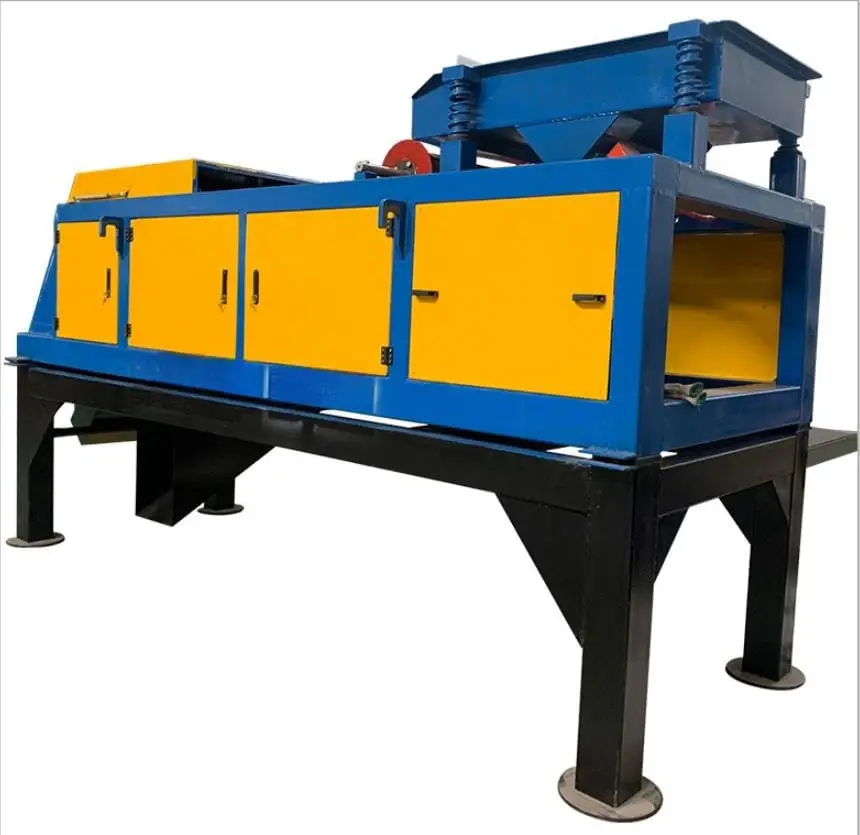
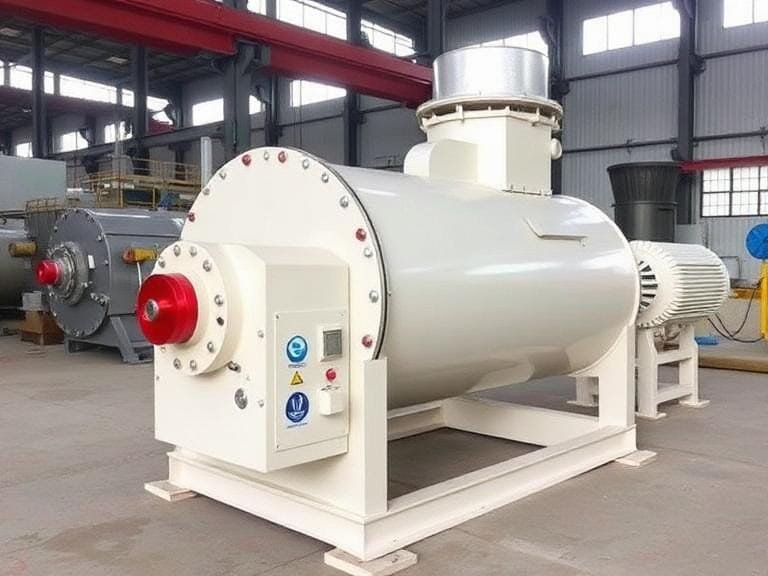
Oromineral Dry Electromagnetic Separator
Designed for heavy-duty industrial processing, this unit provides adjustable, high-intensity magnetic fields to extract stubborn tramp iron and fine ferrous impurities from dry bulk materials.
- Type: Dry Electromagnetic Separator
- Capacity: 5-200 t/h (depends on model and material)
- Feed Size: ≤ 300 mm (adjustable based on application requirements)
- Magnetic Field Intensity: 0.5-2.0 T (adjustable)
- Power Consumption: 15-300 kW (depends on model and capacity)
- Material of Construction: Stainless Steel, Cast Iron, Other Alloys (customizable)
- Operating Temperature: -20°C to 50°C (depends on model)
- Weight: 500 kg – 10,000 kg (depends on model)
We recommend this unit for recycling facilities, mining operations, and large-scale bulk handling where deep magnetic penetration is non-negotiable.
Commercial Buying Considerations & Comparisons
If you are in the market for a separator, do not buy on price alone. You must match the equipment to the material characteristics. In most professional situations, consulting with underground mining equipment suppliers or specialized manufacturers is crucial. Are you dealing with a wet slurry or a dry powder? Do you need to capture a massive 10-pound iron wrench, or microscopic rust dust? These questions dictate your purchase.
| Feature | Permanent Magnetic Separator | Electromagnetic Separator |
|---|---|---|
| Field Source | Rare Earth (Neodymium) or Ceramic (Ferrite) | Electrical coils (DC current) |
| Operating Cost | Virtually zero (no power required for magnets) | Higher (requires constant electricity) |
| Field Depth | Shallow to moderate (best for thin burdens) | Extremely deep (best for thick, heavy material burdens) |
| Adjustability | Fixed field strength | Adjustable via voltage control; can be turned off for cleaning |
| Best Use Case | Food, Pharma, light recycling, shallow conveyors | Heavy mining, coal plants, aggressive scrap metal recovery |
| Consideration | Why It Matters for Your Business |
|---|---|
| Burden Depth | The magnet must be strong enough to pull iron through the maximum depth of material on your belt. |
| Belt Speed | Fast-moving conveyors give the magnet less time to react. High speeds require significantly stronger magnetic fields. |
| Material Temperature | Permanent Neodymium magnets permanently lose their strength if exposed to heat exceeding 80°C without special high-temp grades. |
| Self-Cleaning Mechanism | Manual cleaning requires line shutdowns. For high-volume operations, always invest in automated self-cleaning belts or mechanisms. |
Common Implementation Mistakes
Throughout our years optimizing processing lines, we consistently see the same expensive errors. The most glaring mistake is improper installation height. If an overband magnet is suspended just two inches too high above the conveyor belt, its effective pulling power can drop by over 50%. The uses of magnetic separator machine systems are completely nullified if the physics are ignored.
Another severe mistake is neglecting regular testing. Magnets degrade. Electromagnets can suffer from coil degradation, and permanent magnets can lose strength due to thermal shock or physical impacts. Facility managers often install a magnet and forget about it for five years, only discovering it has failed when a contaminated batch is rejected by a client. Finally, for commercial users, choosing ceramic magnets when rare-earth magnets are required for fine dust extraction is a classic cost-cutting error that inevitably results in product quality failures.
Oromineral Expert Recommendation
From our experience at Oromineral, treating magnetic separation as an afterthought is a fast track to operational failure. If you are dealing with large, abrasive tramp metal in high-capacity environments (like quarrying or coal), we recommend investing heavily in a robust, self-cleaning electromagnetic overband separator. The deep magnetic penetration will save your downstream assets.
However, if your goal is absolute material purity in fine powders (like ceramics or specialty chemicals), you must prioritize high-gradient, rare-earth permanent magnetic systems. Do not cut corners. Evaluate your burden depth, match your belt speed to the magnetic pull curve, and always buy slightly more magnetic power than your baseline calculations suggest. When assessing the magnetic separator manufacturers China has to offer, or global suppliers, demand detailed Gauss or Tesla ratings at the specific distance of your material burden.
Frequently Asked Questions (FAQ)
What are the main uses of magnetic separator machine equipment?
The main uses of magnetic separator machine equipment include protecting processing machinery from damaging tramp iron, purifying industrial and consumer products (like food, glass, and chemicals), and recovering valuable ferrous metals in recycling and mining operations.
Can a magnetic separator remove stainless steel?
Generally, no. Most standard 300-series stainless steel is non-magnetic. However, if the stainless steel has been heavily work-hardened (e.g., shredded or bent), it can become slightly paramagnetic and may be captured by ultra-high-intensity rare-earth magnets. Otherwise, it requires an Eddy Current separator or metal detector.
Does a permanent magnetic separator require electricity to operate?
The magnet itself does not require electricity to generate its magnetic field. However, if the permanent magnetic separator features an automated self-cleaning belt mechanism, the motor driving that cleaning belt will require an electrical supply.
How often do industrial magnets need to be replaced?
Permanent rare-earth magnets lose a fraction of a percent of their strength every 10 years under normal conditions, meaning they practically last forever unless exposed to extreme heat, severe physical shock, or corrosion. Electromagnets can last decades if their cooling systems are maintained and the coils are protected from moisture.