The 6+ Custom Mineral Processing Solutions That Actually Improve Plant Performance
If you are evaluating custom mineral processing solutions, the first thing to understand is that the best plant is not the one with the longest equipment list. It is the one designed around your ore, your water, your product spec, and your operating cost target. USGS describes mineral supply chains as global, complex, and dynamic, which is exactly why a one-size-fits-all flowsheet usually fails in the field. From our experience, a custom solution is worth paying for only when it reduces risk, improves recovery, or cuts downstream handling cost in a way that your current setup cannot.
Quick Answer
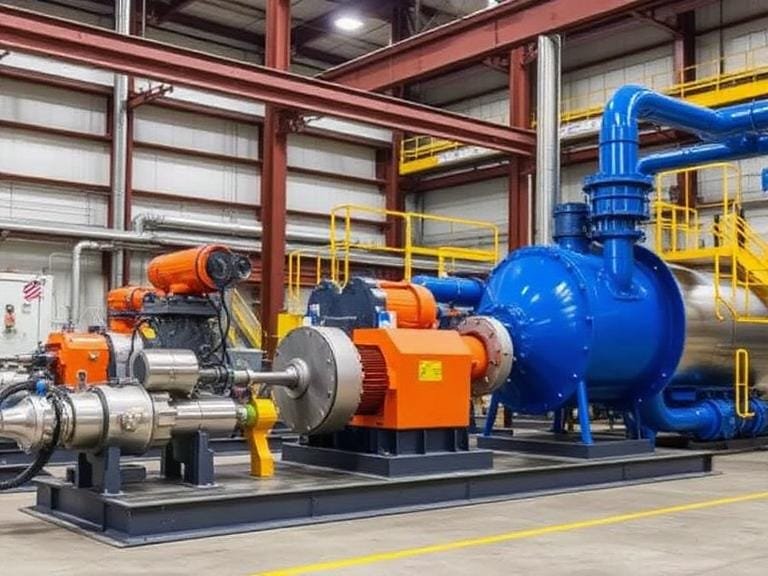
Custom mineral processing solutions are tailored plant packages built around the ore characteristics, throughput target, product quality requirements, and site constraints of a specific project. The best 6+ solutions usually combine crushing and screening, washing and desliming, magnetic separation, gravity separation, flotation, dewatering and tailings recovery, and automation or modular control. For commercial users, the right custom package is usually cheaper over the life of the plant than buying generic equipment and hoping it works. For heavy-duty applications, the strongest suppliers are the ones that can test the flowsheet, validate the mineralogy, and stay involved after commissioning.
Direct answer: what custom mineral processing solutions are worth buying
The custom mineral processing solutions worth buying are the ones that solve a real bottleneck, not the ones that look impressive in a proposal. In most professional situations, that means a solution starts with ore characterization and ends with a validated flowsheet. Metso’s minerals processing handbook emphasizes practical process equipment and operating stages, while its test-center and simulation work shows why flowsheet development should be tested, optimized, and validated under controlled conditions before a plant is built. FLS positions itself as a full flowsheet minerals processing supplier, which is another reminder that serious projects are systems, not single machines.
That is the buying logic we recommend. If your ore is clay-rich, custom sand washing and desliming matter more than a fancier separator. If your value mineral is weakly magnetic, magnetic separation becomes central. If your fines are hard to recover, flotation or gravity recovery may be the right upgrade. If your plant cannot dewater efficiently, the bottleneck is not upstream at all; it is the back end. ORO Mineral Co., Ltd. is built around that kind of decision-making because the company works across screening, sand washing, beneficiation, washing, and separation rather than forcing every customer into the same flowsheet.
Table of contents
Quick Summary Table
| Solution | Best use case | Worth upgrading? | Buyer’s note |
|---|---|---|---|
| Custom sand washing and desliming | Clay, silt, and dirty aggregate or mineral feed | Yes, when product cleanliness is causing rejects | Start here if your washing line is underperforming. sand washing process steps |
| Magnetic separation | Magnetite, iron-bearing ores, and industrial recovery | Yes, when liberation is adequate and magnetics are recoverable | One of the most reliable custom mineral processing solutions. magnetic separation process guide |
| Gravity separation | Heavy mineral recovery and simple beneficiation | Yes, if the mineral behaves well by density | Usually lower complexity than chemical routes. |
| Flotation | Fine particles and complex sulfide ores | Yes, if the ore responds well to reagents | Worth it only after proper testing and mineralogy. |
| Dewatering and tailings recovery | Water reduction, product handling, and tailings control | Absolutely, if water or disposal costs are high | Often the most underrated improvement in a plant. |
| Automation and modular control | Stable throughput and operator consistency | Yes, in any plant that runs continuously | Better controls usually beat blind equipment replacement. |
What custom mineral processing solutions are
Custom mineral processing solutions are tailored plant designs, equipment packages, or process upgrades created around a specific ore body and operating objective. They are not generic off-the-shelf machines. They are combinations of equipment, layout, testing, and operating logic designed to get a better result from a specific feed. That can mean better recovery, lower water use, cleaner final product, less wear, or lower labor intensity.
The reason this matters is simple. Mineral processing is not a copy-paste business. USGS notes that mineral supply chains are global and complex, and that the economics of production depend on technical, environmental, and supply-chain conditions. In other words, the same machine can behave very differently depending on the ore and the site.
For that reason, a serious supplier should not start with a catalog. It should start with mineralogy, feed size, moisture, contamination, product target, and plant constraints. That is where ORO Mineral’s experience in screening, sand washing, beneficiation, washing, and separation becomes relevant. A supplier with that kind of cross-process experience is more likely to recommend the right custom mineral processing solutions instead of overselling a single technology.
How custom mineral processing solutions work in practice
In most professional situations, a custom solution begins with ore characterization and a process audit. The supplier studies the feed, the target product, and the pain points in the current plant. Then the process is mapped into stages. If you need a quick refresher on the broader structure, our internal guide on mineral processing stages explained is the right place to start. For a practical equipment view, mineral processing techniques and equipment covers the core building blocks.
After that, the supplier decides whether the solution should be centered on washing, separation, classification, concentration, or dewatering. Metso’s handbook and test-center work make the logic clear: you validate the flowsheet, then optimize it, then scale it. The more complex the ore, the more important it is to test under controlled conditions before committing capex.
From our experience, this is where the best buyers differ from the worst buyers. The best buyers ask, “What is the actual bottleneck?” The worst buyers ask, “What is the biggest machine you can sell me?” Those are not the same question, and they rarely lead to the same project outcome.
The 6+ custom mineral processing solutions that matter most
1. Custom sand washing and desliming
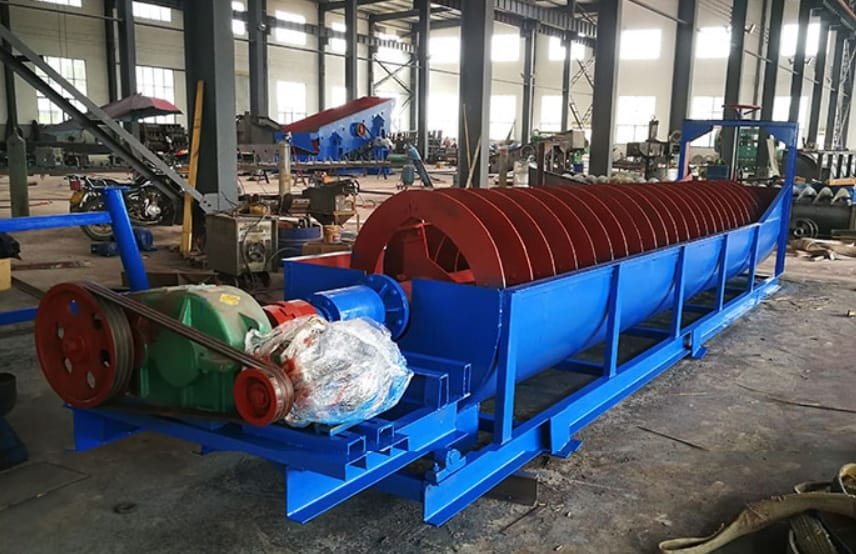
If your feed carries clay, silt, or surface contamination, washing is usually the first custom mineral processing solution worth evaluating. Washing is not glamorous, but it often delivers the fastest improvement in product quality and downstream consistency. If the product is too dirty, your plant is already losing money before separation even begins. For buyers in aggregate-heavy environments, our internal guides on sand washing methods guide and sand washing plant working principle show why this stage is so often underestimated. If you are evaluating machines, sand washer machines industrial is the practical buying path.
Worth it? Yes, if your issue is contamination, moisture, or spec rejection. Not worth it if your feed is already clean and your real problem lies in recovery. This is a classic example of why custom mineral processing solutions should target the bottleneck, not the symptom.
2. Magnetic separation for iron-bearing and magnetically recoverable material
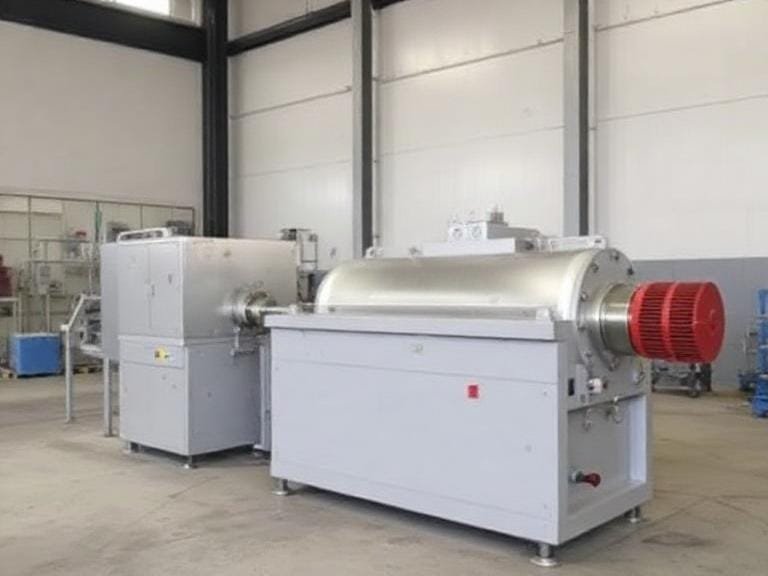
Magnetic separation is one of the most dependable custom mineral processing solutions because it is direct, fast, and often highly cost-effective when the mineral responds to magnetism. It is especially useful in iron-bearing ores, magnetite recovery, and certain industrial waste recovery applications. If you want a deeper buying view, our guide to magnetic separation process guide and our review of magnetic separator manufacturers worldwide are useful starting points.
Worth it? Usually yes, but only when the mineralogical conditions support it. We do not recommend forcing magnetic separation into an ore that does not liberate cleanly or does not respond strongly enough. That is how buyers waste budget. For commercial users, the winning move is to test first, then choose the correct magnetic intensity and configuration.
3. Gravity separation for density-based beneficiation
Gravity separation is still one of the smartest custom mineral processing solutions when the useful mineral is materially heavier than the gangue. It can be a very efficient way to recover heavy minerals, coarse gold, or other density-sensitive values without overcomplicating the plant. In the right ore, gravity circuits are elegant because they rely on physics instead of excessive chemical input.
Worth it? Yes, when the ore behaves well by density and the size distribution supports it. Not worth it when the valuable mineral is too fine, too locked, or too weakly differentiated by density. In those cases, gravity can become a false economy. Buyers looking for larger recovery programs often compare gravity routes with gold processing equipment manufacturers because gold recovery projects often need a blended approach rather than a single method.
4. Flotation for fine particles and complex mineral systems
Flotation is one of the most valuable custom mineral processing solutions when fine particles, sulfide ores, or selective separation problems are involved. Metso’s flotation literature shows why this method remains central in mineral processing: the process can be engineered to separate valuable minerals from gangue efficiently when the chemistry is understood and the ore response is good.
Worth it? Absolutely, if the ore has the right characteristics and you are prepared to run proper test work. Not worth it if you are trying to use flotation as a shortcut for poor mineralogy. For beginners, flotation looks simple on paper and frustrating in the plant. That is why good custom mineral processing solutions always include bench and pilot validation.
5. Dewatering, thickening, and tailings recovery
Many plants chase recovery and ignore water. That is a mistake. In real operations, dewatering and tailings recovery can be the difference between a manageable plant and a constantly leaking one. If product shipping, residue handling, water recycling, or disposal cost is painful, this is one of the most valuable custom mineral processing solutions you can buy.
Worth it? Very often, yes. In heavy-duty applications, water management is not a support function; it is a core operating cost. Metso’s service and performance literature also makes clear that outcome-driven solutions are increasingly tied to uptime, reliability, and waste reduction rather than equipment sales alone.
6. Eddy current separation for non-ferrous metal recovery
Eddy current separation is a strong custom mineral processing solution when your feed contains non-ferrous metals that need to be recovered from mixed streams. It is not the answer to every problem, but it is often the right one in recycling, industrial waste recovery, and metal recovery applications. If you are trying to understand price versus performance, our internal guide on eddy current separator cost helps frame the investment properly.
Worth it? Yes, when the material stream and economics support it. Not worth it if the feed is too inconsistent or the value fraction is too low to justify the system. This is a good example of a custom mineral processing solution that should be justified by throughput and recovery economics, not by the fact that it is technically interesting.
7. Modular automation, advanced control, and plant integration
The most underrated custom mineral processing solutions are the ones that improve control rather than changing the process itself. Advanced control, better instrumentation, and modular integration can increase availability, stabilize throughput, and reduce operator dependency. Metso’s data-driven performance services are a strong example of this direction, because they focus on remote monitoring, availability, and proactive performance improvement rather than reactive firefighting.
Worth it? Usually yes, especially in continuous plants. For commercial users, automation often produces a better return than another round of equipment replacement. The strongest plant upgrade is often the one that helps existing equipment run consistently.
Comparison Table: which custom solution fits which problem
| Solution type | Best for | Main advantage | Main limitation |
|---|---|---|---|
| Sand washing and desliming | Dirty feed, high clay, product quality issues | Quick quality improvement | Not a recovery solution by itself |
| Magnetic separation | Magnetite, iron-bearing ores, industrial recovery | Simple and often efficient | Only works when the mineral is magnetically recoverable |
| Gravity separation | Density-based heavy mineral recovery | Low chemical complexity | Weak on very fine or locked material |
| Flotation | Fine and complex ores | High selectivity when tested correctly | Needs strong mineralogical control |
| Dewatering and tailings recovery | Wet plants and water-constrained sites | Reduces disposal and handling pain | Often overlooked until costs rise |
| Eddy current separation | Non-ferrous metal recovery streams | Useful in recycling and mixed waste | Economics depend on feed consistency |
| Automation and control | Continuous plants with throughput instability | Improves stability and availability | Requires discipline, not just software |
Pros vs Cons Table
Pros
- Built around your actual ore and operating constraints.
- Often improves recovery, product quality, or water efficiency.
- Can reduce lifetime operating cost more than generic equipment.
- Supports faster commissioning when flowsheets are validated properly.
- Lets you upgrade the real bottleneck instead of buying more of everything.
Cons
- Requires test work and more upfront engineering.
- Badly designed custom solutions can be expensive mistakes.
- Longer procurement cycle than buying standard equipment.
- Needs stronger supplier competence and site cooperation.
- Not every ore justifies a fully custom approach.
Buying Guide Table: how to choose the right custom mineral processing solutions
| What to ask | Good answer looks like | Red flag | Why it matters |
|---|---|---|---|
| What is the bottleneck? | A clear answer based on ore, throughput, and product spec | “We can improve everything.” | The best projects solve one real issue first. |
| Has the flowsheet been tested? | Bench, pilot, or simulation-based validation | No test work, just a layout drawing | Validated designs reduce commissioning risk. |
| What happens after commissioning? | Service, monitoring, and upgrade support | “Delivery is included.” | Plants fail in operation, not in the proposal. |
| Can the plant be modular? | Phased expansion with clear interfaces | All-or-nothing capex | Modularity lowers financial and schedule risk. |
| How is water handled? | Defined washing, recycle, and dewatering strategy | Water is treated as an afterthought | Water often decides whether the plant is profitable. |
| What is the service model? | Named support path, parts plan, and optimization options | Only a sales contact | Good suppliers stay involved beyond startup. |
For buyers comparing suppliers, it is worth looking at the broader ecosystem too. If your project is a sand-heavy operation, start with sand washing process steps and sand washing methods guide. If your project is a separation-heavy operation, compare specialist vendors through magnetic separator manufacturers worldwide and then decide whether your custom mineral processing solutions need a magnetic, gravity, flotation, or dewatering core.
Who should use custom mineral processing solutions, and who does not need them
Use custom mineral processing solutions if your ore is inconsistent, your product spec is strict, your water is limited, your tailings are costly, or your current plant is losing money through avoidable inefficiency. These solutions are especially valuable in gold, iron ore, aggregate washing, recycled minerals, industrial recovery, and complex beneficiation projects.
You do not need a fully custom system if your material is stable, your throughput is modest, and a standard machine already meets the spec. In those cases, standard equipment may be the better business decision. For beginners, the wrong move is overengineering a simple problem. For commercial users, the right move is paying for customization only where the return is visible. For heavy-duty applications, a custom solution is often not optional; it is the only way to protect uptime and quality.
Common mistakes buyers make
- Buying equipment before understanding the ore.
- Confusing a custom layout with a custom solution.
- Ignoring wash water, sludge, or moisture problems.
- Overvaluing capacity and undervaluing recovery.
- Choosing magnetic, gravity, or flotation equipment without test work.
- Skipping dewatering and tailings recovery because it feels like a back-end issue.
- Assuming a supplier that sells many machines automatically understands the flowsheet.
From our experience, the most expensive mistake is buying a plant that looks complete on paper but fails in operation because the process route was never validated. That is why the best custom mineral processing solutions are flowsheet decisions first and equipment decisions second.
Expert recommendation
We recommend choosing your solution in this order: ore characterization, flowsheet validation, process selection, equipment selection, then controls and service. That sequence is slower at the beginning and much faster later. Metso’s research and service ecosystem shows why this matters: better testing, better optimization, and better support reduce project risk and improve operating performance. FLS’s full-flowsheet positioning reinforces the same lesson: the plant should be treated as a connected system, not a pile of parts.
For ORO Mineral, the practical advantage is clear. Because the company works across screening, washing, beneficiation, and separation, it can recommend custom mineral processing solutions that fit the actual job rather than forcing a single technology into every project. That is the kind of supplier you want when the economics depend on the flowsheet being right the first time.
Bottom Line
Custom mineral processing solutions are worth buying when they solve a measurable problem in recovery, quality, water use, or plant stability. They are not worth buying just because they sound advanced. The best solution is usually the one that matches your ore and your operating reality, not the one with the biggest brochure. If you need washing, choose washing. If you need magnetic separation, choose magnetic separation. If you need dewatering, do not hide that problem behind a prettier front end. Good mineral processing is precise, not dramatic.
For commercial users, the value is in lower total cost of ownership. For beginners, the lesson is to test before you commit. For heavy-duty applications, the lesson is even simpler: if the flowsheet is wrong, everything downstream costs more.
FAQs
What are custom mineral processing solutions?
They are tailored processing systems built around your ore, throughput target, product spec, and site constraints rather than generic off-the-shelf equipment.
Which custom mineral processing solution should come first?
Usually the first question is whether the feed needs washing, separation, or dewatering. In many plants, the biggest gain comes from fixing the earliest bottleneck.
Are custom mineral processing solutions always more expensive?
Upfront, yes, often. Over the life of the plant, not necessarily. If the design improves recovery, reduces water use, or lowers downtime, the custom approach can be cheaper overall.
Do I need test work before buying?
Yes. Bench, pilot, or simulation-based validation is the smartest way to reduce risk. Metso’s process-development approach is a good example of why that matters.
Is magnetic separation always the best option?
No. It is excellent when the mineral is magnetically recoverable, but it is the wrong answer when the ore does not respond properly. That is why ore testing matters.
Why is dewatering included in the top solutions?
Because many plants lose money on water management, product handling, and tailings costs. A good back-end can improve the whole plant economics.