5 Essential Applications of Plate-Type Magnetic Separators in Modern Industry
ORO Mineral Co., Ltd. is a large-scale intelligent mineral processing, screening, and sand washing equipment manufacturer integrating R&D, production, and sales. Since 2014, ORO Mineral has made great contributions to every kind of mineral screening, solid waste resource recovery, beneficiation, washing, and separation, and has accumulated rich experience in providing robust engineering solutions.
In industrial bulk material handling, the purity of the final product and the protection of downstream processing equipment are paramount. Tramp iron—unwanted ferrous metal debris—poses a constant threat to crushing machinery, extruders, and consumer safety. From our experience designing and implementing separation solutions globally, we have found that relying on inefficient separation methods invariably leads to catastrophic mechanical failures and costly production downtime. To combat this, understanding the specific Applications of Plate-Type Magnetic Separators is essential for any plant manager or process engineer.
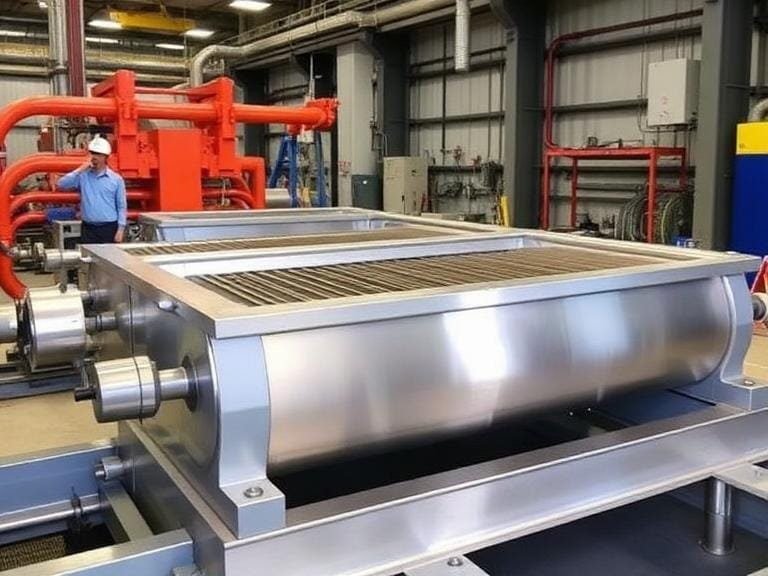
Plate magnets are remarkably versatile components. Constructed utilizing either high-intensity neodymium (rare earth) magnets or robust ceramic (ferrite) magnets, they generate deep magnetic fields designed to penetrate free-flowing material streams. Whether suspended over conveyor belts, installed inside gravity chutes, or mounted below feeder lines, these separators capture and hold ferrous contaminants securely. We recommend thoroughly evaluating your specific material flow characteristics before installation, as the proper integration of these units dictates their success. In this comprehensive guide, we will analyze the top 5 Applications of Plate-Type Magnetic Separators and explain how they optimize industrial efficiency.
Table of Contents
- 1. Understanding the Mechanics of Plate Magnets
- 2. Application 1: Mineral Processing and Beneficiation
- 3. Application 2: Sand Washing and Aggregate Refining
- 4. Application 3: Solid Waste Recovery and Recycling
- 5. Application 4: Food and Agricultural Processing
- 6. Application 5: Plastics and Ceramics Manufacturing
- 7. Why We Recommend Customizing Your Separation Setup
- 8. Summary Table: Applications of Plate-Type Magnetic Separators
- 9. Frequently Asked Questions (FAQs)
- 10. Industry References
1. Understanding the Mechanics of Plate Magnets
Before detailing the exact Applications of Plate-Type Magnetic Separators, it is necessary to grasp how these devices operate. A plate-type separator features a flat, magnetic surface that draws ferrous materials out of a product stream. The magnetic circuit is specifically engineered to project a magnetic field deep into the material burden. When stray iron—such as nuts, bolts, wire, or rust scale—passes through this field, it is instantly pulled to the face of the plate and held firmly until manually or automatically cleaned.
Our engineering team at ORO Mineral utilizes varied magnetic strengths depending on the application burden depth. For heavy, dense materials, deep-reach ceramic magnets are deployed. For fine, powdery substances where microscopic iron particles must be removed, high-intensity neodymium plate magnets are required. Proper selection minimizes product loss while maximizing purity.
2. Application 1: Mineral Processing and Beneficiation
One of the most critical Applications of Plate-Type Magnetic Separators is within the mining and mineral beneficiation sector. Raw extracted ores frequently contain tramp iron originating from mining equipment, such as broken excavator teeth, blasting wire, or loader bucket fragments. If these formidable metal pieces enter a cone crusher or a ball mill, they can destroy the internal components, causing weeks of operational paralysis.
From our experience outfitting primary crushing circuits, we recommend suspending heavy-duty plate magnets over the feed conveyors. As the raw ore travels beneath, the magnetic plate extracts the tramp iron against gravity, ensuring only the ore progresses to the crushing stage. This fundamental step is a cornerstone of effective mineral processing techniques and equipment setup. For facilities evaluating their entire magnetic circuit, partnering with leading magnetic separator manufacturers worldwide is non-negotiable for securing high-gradient, durable plate magnets.
3. Application 2: Sand Washing and Aggregate Refining
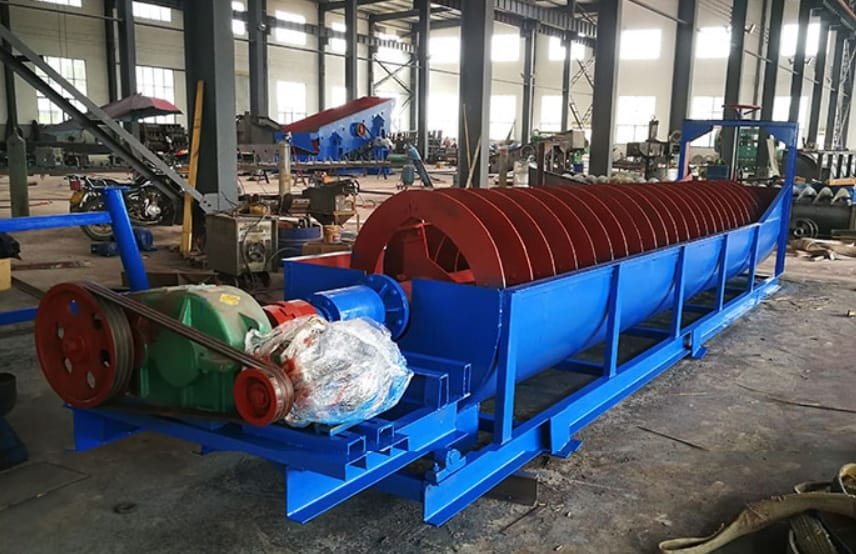
In the construction materials industry, the purity of silica sand and construction aggregates directly impacts the structural integrity of concrete and glass. Unwanted ferrous oxides and iron debris in the sand feed must be eradicated. This brings us to another of the primary Applications of Plate-Type Magnetic Separators: aggregate pre-cleaning prior to the washing phase.
Before the sand enters the washing plant, it typically travels down high-velocity chutes. By installing flush-mounted plate magnets on the bottom of these chutes, the sand flows over the magnetic face. The heavy ferrous contaminants are caught, while the clean sand continues into the washing machinery. This prevents iron staining in the final product and protects the impellers of the washing equipment. Plant operators looking to upgrade their facilities should consult a comprehensive sand washing methods guide and review the specifications of industrial-grade sand washer machines industrial to ensure their magnetic separation aligns with their washing capacity.
4. Application 3: Solid Waste Recovery and Recycling
The recycling industry relies entirely on the precise sorting of co-mingled municipal and industrial waste. In material recovery facilities (MRFs), the Applications of Plate-Type Magnetic Separators are central to the primary sorting phase. As shredded waste moves along the line, plate magnets are utilized to pull ferrous metals (steel, iron) out of the stream of plastics, wood, and non-ferrous metals.
We recommend utilizing plate magnets in tandem with other sorting technologies. Once the ferrous metals are successfully extracted by the plate separators, the remaining stream can be safely processed to recover valuable non-ferrous metals like aluminum and copper. This secondary stage requires specialized equipment, and facility managers must often evaluate the eddy current separator cost to complete their recovery circuit. Without the initial plate magnet removing the iron, the highly sensitive eddy current rotors would sustain severe damage from ferrous impact.
5. Application 4: Food and Agricultural Processing
Consumer safety is the highest priority in food processing. The FDA and international food safety organizations mandate strict contamination control protocols. One of the most strictly regulated Applications of Plate-Type Magnetic Separators is in grain, flour, sugar, and spice processing plants. During harvesting and silo transport, agricultural products frequently pick up iron dust, wire strands, and bolt fragments.
For these environments, we engineer sanitary-grade, stainless steel-enclosed rare earth plate magnets. These are strategically installed in pneumatic conveying lines and gravity spouts. Because the food product must flow freely without bridging or clogging, a smooth, step-faced plate magnet captures the fine ferrous dust and securely holds it in a magnetic dead zone, preventing the fast-moving grain from washing the iron back into the product stream. This application guarantees product purity and prevents catastrophic product recalls.
6. Application 5: Plastics and Ceramics Manufacturing
In the plastics and ceramics industries, microscopic iron contamination leads to visual defects, structural weaknesses, and expensive machinery damage. Plastic injection molding machines and extruders utilize highly precise, expensive screw mechanisms. If a stray iron nut enters the hopper alongside the plastic pellets, the extruder screw will be destroyed.
Similarly, in ceramics, iron particles oxidize during the kiln firing process, causing black spots and structural blowouts in tiles and sanitaryware. The Applications of Plate-Type Magnetic Separators here involve installing high-intensity magnetic plates directly beneath the feed hoppers. As the raw plastic pellets or ceramic slips drop from the hopper, they must pass the magnetic face. The plate traps the microscopic iron wear-and-tear particles originating from upstream mixing equipment, thereby safeguarding the expensive extrusion and firing equipment downstream.
7. Why We Recommend Customizing Your Separation Setup
It is our professional opinion that off-the-shelf magnetic solutions rarely yield optimal results for complex industrial flows. The effectiveness of the Applications of Plate-Type Magnetic Separators is heavily dependent on factors such as conveyor speed, material burden depth, moisture content, and the specific geometry of the tramp iron.
At ORO Mineral, we recommend a bespoke engineering approach. If your material is highly abrasive, the plate magnet must be armored with manganese steel or equipped with a replaceable wear face. If your facility requires zero downtime, self-cleaning plate magnets—which utilize a pneumatic stripper mechanism to automatically discharge collected iron—should be integrated into your PLC systems. By customizing the magnetic gradient and installation angle, you ensure that the plate separator performs at maximum efficiency under your exact operational conditions.
8. Summary Table: Applications of Plate-Type Magnetic Separators
| Industry Sector | Primary Function | Typical Installation Point | Benefit Achieved |
|---|---|---|---|
| Mineral Processing | Tramp iron extraction to protect crushers | Suspended over primary feed conveyors | Prevents catastrophic machinery damage and downtime |
| Sand and Aggregate | Removal of iron oxides and debris | Flush-mounted in high-velocity gravity chutes | Ensures high-purity silica sand, prevents rust staining |
| Solid Waste Recycling | Ferrous metal recovery from mixed waste | Above or below MRF sorting belts | Generates clean ferrous scrap, protects downstream eddy currents |
| Food and Agriculture | Sanitary removal of fine iron dust | Inside pneumatic lines and grain spouts | Ensures FDA compliance, prevents product recalls |
| Plastics and Ceramics | Extraction of microscopic wear iron | Beneath hopper feeds prior to extrusion | Protects extruder screws, prevents firing defects in kilns |
9. Frequently Asked Questions (FAQs)
What is the difference between ceramic and neodymium plate magnets?
From our experience, ceramic (ferrite) magnets offer deep magnetic fields ideal for catching large, heavy tramp iron from a distance, making them perfect for mining. Neodymium (rare earth) magnets provide an exceptionally strong, high-intensity surface field, which is necessary for capturing microscopic iron dust in food and plastic processing where the Applications of Plate-Type Magnetic Separators require absolute purity.
How often do plate-type magnetic separators need to be cleaned?
Cleaning frequency depends entirely on the volume of tramp iron in your material stream. In heavy solid waste applications, manual plates may need cleaning several times a shift. We recommend installing self-cleaning plate separators for continuous processes, which automatically wipe the magnetic face clean without requiring manual intervention or halting production.
Can plate magnets be used in high-temperature environments?
Standard neodymium magnets begin to lose their magnetic strength at temperatures exceeding 80°C (176°F). If your Applications of Plate-Type Magnetic Separators involve high heat—such as near kilns or hot aggregate processing—we engineer customized plates utilizing high-temperature Samarium Cobalt (SmCo) magnets or specially graded neodymium that withstands up to 250°C.
10. Industry References
To further validate the engineering principles and regulatory compliance standards discussed regarding the Applications of Plate-Type Magnetic Separators, we strongly encourage process engineers to consult the following authoritative resources:
- National Institute of Standards and Technology (NIST) – Comprehensive data on magnetic material properties, coercivity, and industrial standards for separation technologies.
- United States Environmental Protection Agency (EPA) – Guidelines and best practices for municipal solid waste recovery and the efficient mechanical sorting of ferrous materials.
- Society for Mining, Metallurgy & Exploration (SME) – Academic and operational publications detailing best practices in mineral beneficiation and the protection of primary crushing circuits.