The 7 Best Used Mining Equipment in Canada (2026 Expert Guide)
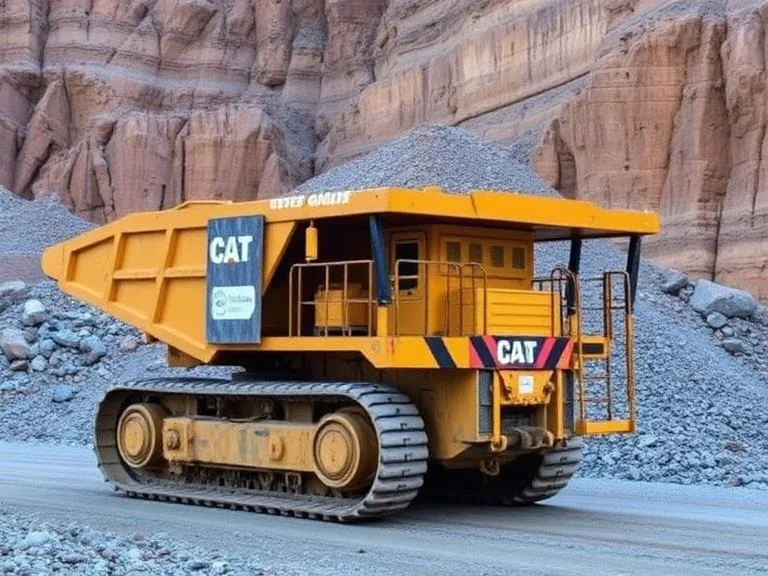
The Used Mining Equipment Market in Canada
Top 7 Used Equipment Types
Comparison Table
Pros & Cons
Buying Guide
FAQ
Canada’s mining industry is one of the most demanding in the world. From the frozen tundra of the Northwest Territories to the hard rock of Ontario’s Sudbury Basin, equipment is pushed to its limits every day. That’s why the market for used mining equipment in Canada is so robust – it’s a pragmatic solution to a very real problem: new equipment is expensive, and downtime is even more expensive.
From our experience at ORO Mineral, where we’ve supplied mineral processing and screening equipment to mines across Canada, the decision to buy used isn’t just about saving money – it’s about getting the right machine for the job at the right time. In this guide, we break down the 7 most sought-after types of used mining equipment in Canada, what to look for, and how to avoid costly mistakes.
For a deeper understanding of mineral processing, see our guide on WHIMS magnetic separator working principle.
The Used Mining Equipment Market in Canada
The Canadian market for used mining machinery is mature and well-established. Industry wholesalers, major dealers, and specialised refurbishers all play a role in keeping equipment moving from closed mines to active ones.
Why Buy Used?
- Cost savings – A well-maintained used machine can cost 30–50% less than new, with similar performance.
- Immediate availability – New equipment can have lead times of 6–12 months. Used equipment is often ready to ship within days.
- Proven reliability – Machines with a documented service history and known wear patterns are often less risky than untested new models.
- Depreciation avoidance – New equipment loses significant value in the first few years. Used equipment holds its value better.
Who Should Buy Used?
- Small to mid-sized operators – Budget-conscious mines and contractors often prefer used equipment for its lower upfront cost.
- Commercial users – Large mining companies buy used equipment for short-term projects or as backup machines.
- Heavy-duty applications – For remote sites where parts availability is critical, used Cat or Sandvik equipment is often the safest bet.
Who does not need used equipment? If you require the latest technology, emissions compliance, or manufacturer warranties, new equipment may be a better fit. However, for most applications, used equipment offers excellent value.
Learn about processing plant costs in our iron ore processing plant cost guide.
Top 7 Used Mining Equipment Types in Canada
1. LHD Loaders (Scooptrams)
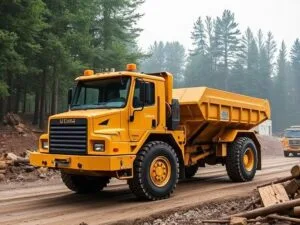
Load-Haul-Dump (LHD) loaders are the workhorses of underground mining. Used for loading and transporting ore in narrow tunnels, these machines are in high demand.
Top brands: Sandvik (LH series), Caterpillar (R1700), Epiroc (ST series).
Key considerations: Check bucket condition, hydraulic system, and transmission hours. Underground hours place significantly more stress on equipment than surface operation.
From our experience: A well-maintained LHD with 3,000–5,000 hours can still have 60–70% of its useful life remaining.
2. Haul Trucks (Articulated & Rigid)
Haul trucks are essential for moving material from pit to crusher or dump. Used articulated trucks are particularly popular for their versatility.
Top brands: Caterpillar (770, 772), Volvo (A-series), Sandvik.
Key considerations: Engine hours, transmission condition, and frame integrity. Look for signs of structural fatigue – common in Canadian freeze-thaw environments.
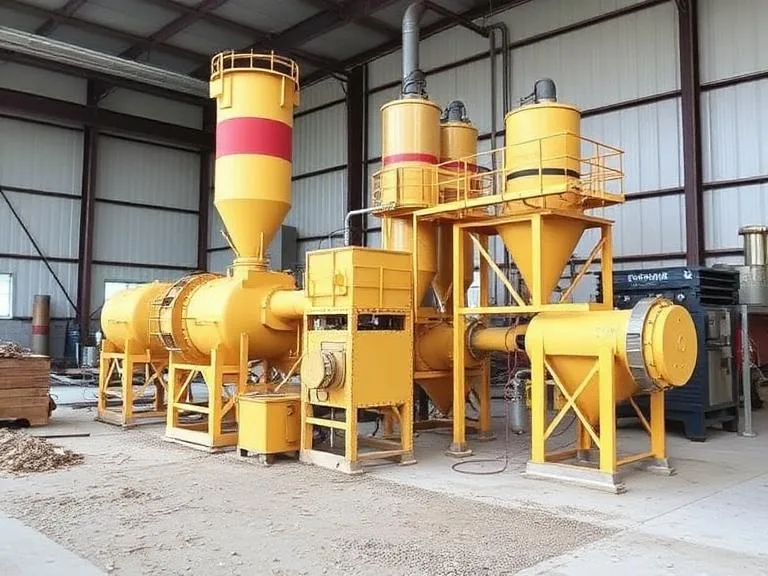
3. Crushers and Screening Plants
Crushers and screeners are vital for processing ore and aggregates. Used equipment in this category is widely available and offers significant savings.
Top brands: Terex Finlay (883+ screeners), Sandvik (QJ jaw crushers, QH cone crushers), Metso.
Key considerations: Check wear parts (jaws, cones, screens), conveyor condition, and engine hours. A used crusher with documented maintenance history is a safer bet than one without.
4. Drill Jumbos and Longhole Drills
For underground development and production drilling, used drill jumbos are a cost-effective alternative to new units.
Top brands: Sandvik, Epiroc, Atlas Copco.
Key considerations: Boom condition, hydraulic system integrity, and drill feed wear. Drill rigs are complex – a third-party inspection is highly recommended.
5. Ground Support Equipment (Bolters, Shotcrete)
Safety is paramount in mining, and ground support equipment is critical for tunnel stability.
Top brands: Marcotte (M40 scissor trucks), Normet, Sandvik.
Key considerations: Structural integrity, hydraulic systems, and safety system functionality. Ensure all safety interlocks are operational.
6. Wheel Loaders and Excavators
Used wheel loaders and excavators are in high demand for surface mining and construction.
Top brands: Caterpillar (416, 420 backhoe loaders), Volvo.
Key considerations: Check for wear in buckets, arms, and undercarriage. Paint patches often indicate weld repairs.
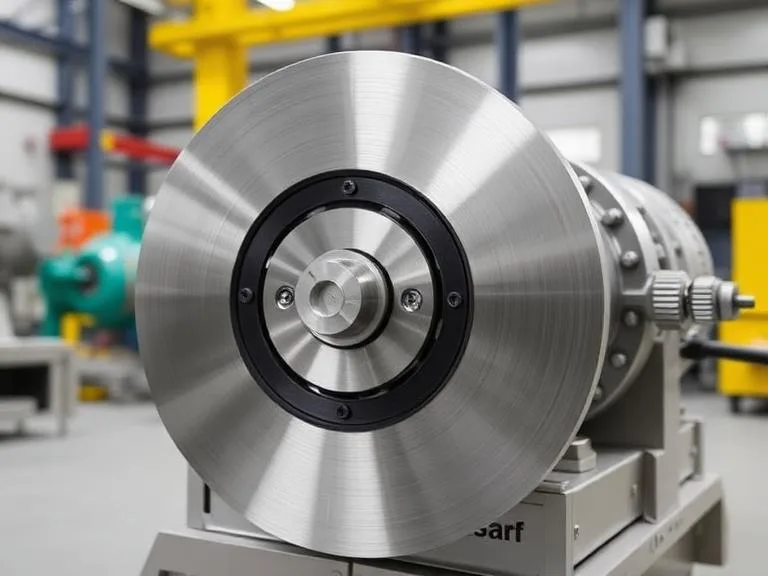
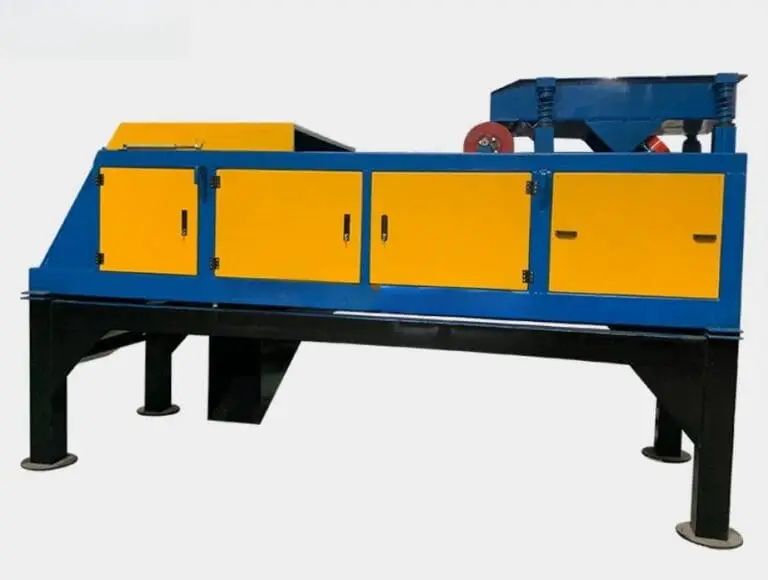
7. Magnetic Separators and Processing Equipment
Used mineral processing equipment – including magnetic separators, centrifuges, and screens – offers significant savings for processing plants.
Top brands: Various (many ex-plant liquidations).
Key considerations: Check for wear on wear plates, magnetic strength, and motor condition. Complete plants can often be adapted to a purchaser’s needs.
ORO Mineral specializes in this category, offering a range of new and used mineral processing equipment for the Canadian market.
For processing solutions, explore magnetic separation applications in industry.
Comparison Table: Top Used Mining Equipment in Canada
| Equipment Type | Best Brands | Key Inspection Areas | Average Price (CAD) | Typical Hours |
|---|---|---|---|---|
| LHD Loaders | Sandvik, Caterpillar | Hydraulics, bucket, transmission | $150k–$400k | 3,000–8,000 |
| Haul Trucks | Caterpillar, Volvo | Engine, frame, tires | $200k–$600k | 5,000–10,000 |
| Crushers/Screeners | Terex, Sandvik | Wear parts, conveyor, engine | $100k–$500k | 2,000–6,000 |
| Drill Jumbos | Sandvik, Epiroc | Hydraulics, booms, feed | $300k–$700k | 4,000–10,000 |
| Bolters/Support | Marcotte, Normet | Structural, safety systems | $80k–$250k | 2,000–5,000 |
| Wheel Loaders | Caterpillar | Buckets, arms, undercarriage | $100k–$300k | 5,000–10,000 |
Prices are approximate and vary based on condition, hours, and location.
Pros & Cons of Buying Used Mining Equipment
- Lower upfront cost – Significant savings over new.
- Immediate availability – Often ready to ship within days.
- Proven performance – History of actual use.
- Parts availability – Many used machines use common parts.
- Less depreciation – Holds value better than new.
- Unknown wear – Hidden issues can be expensive.
- No manufacturer warranty – Unless certified pre-owned.
- Higher maintenance costs – Older machines may need more repairs.
- Technology gaps – May lack modern emissions or safety features.
- Financing challenges – Some lenders are wary of older equipment.
Buying Guide: How to Choose Used Mining Equipment in Canada
From our experience, a successful used equipment purchase comes down to rigorous inspection and due diligence. Here’s our checklist.
For financing, used equipment can be financed through specialised lenders, with approval based on asset age, hours, condition, and resale demand.
For processing equipment considerations, see copper processing plant cost insights.
Our Expert Recommendation: The Best Used Equipment Strategy
Based on our analysis of the Canadian market, we recommend the following approach:
- For loaders and trucks – Buy certified pre-owned from a major dealer like Toromont Cat. The warranty and support are worth the premium.
- For crushers and processing equipment – Consider refurbished units from specialists like Gladiator Equipment or Nelson Machinery. These units often come with documented rebuilds.
- For underground equipment – Prioritise brands with strong Canadian support (Sandvik, Epiroc). Parts availability is critical for remote sites.
- For any purchase – Never skip the inspection. A $5,000 third-party inspection can save you $50,000 in repairs.
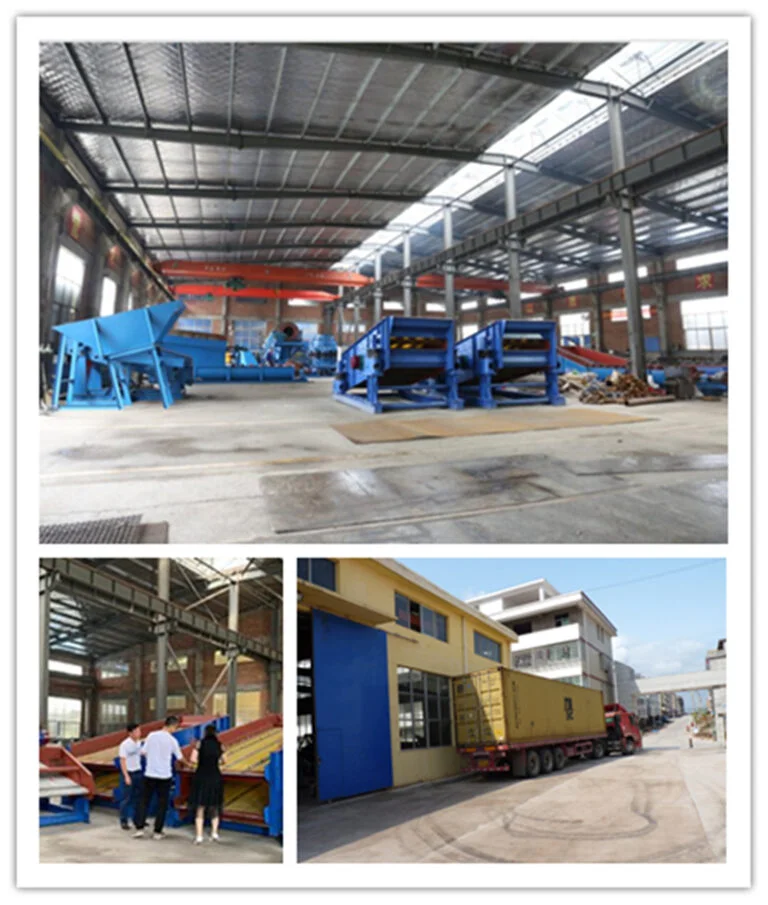
ORO Mineral can assist with processing equipment needs, offering both new and used solutions for the Canadian mining sector.
Explore mineral processing companies worldwide for industry benchmarks.
Common Mistakes When Buying Used Mining Equipment
- Ignoring service history – Hours alone don’t tell the story. A machine with 4,000 hours and no history is riskier than one with 8,000 hours and full records.
- Not inspecting the frame – Structural fatigue is common in Canadian climates. Unusual paint spots often signal weld repairs.
- Forgetting about parts – If parts aren’t available in Canada, the machine is a liability.
- Skipping the test run – Always run the machine under load if possible. Actuator speed and pressure under load reveal issues that static inspection can’t.
- Relying on the seller’s description – Even reputable sellers can miss issues. Independent inspection is non-negotiable for high-value purchases.
Frequently Asked Questions
What is the best brand for used mining equipment in Canada?
Caterpillar and Sandvik have the strongest dealer networks and parts availability in Canada, making them the safest choices for used equipment.
How many hours is too many for a used mining machine?
It depends on the type and maintenance. A well-maintained LHD with 8,000 hours can be a better buy than one with 4,000 hours and no history. For crushers and processing equipment, condition matters more than hours.
Can I finance used mining equipment in Canada?
Yes, used equipment can be financed through specialised lenders. Approval depends on asset age, hours, condition, and resale demand. Major dealer purchases are easier to finance than private sales.
Is it better to buy used or rent mining equipment?
For short-term projects, renting may be more cost-effective. For long-term use, buying used offers better value. Some operators buy equipment after a rental period to get a known machine.
- 1. Tim McDowell Equipment – What to Inspect Before Buying Used Mining Equipment in Canada
- 2. Toromont Equip – Used Construction and Mining Equipment
- 3. Mehmi Financial Group – Sandvik Equipment Financing in Canada
- 4. Gladiator Equipment – Mining & Construction Equipment Solutions
- 5. Nelson Machinery – Used Mining & Mineral Processing Equipment
Explore more: limestone extraction method guide |
magnesium extraction process |
magnesium production by country |
zinc extraction by electrolysis |
methods to separate iron and steel