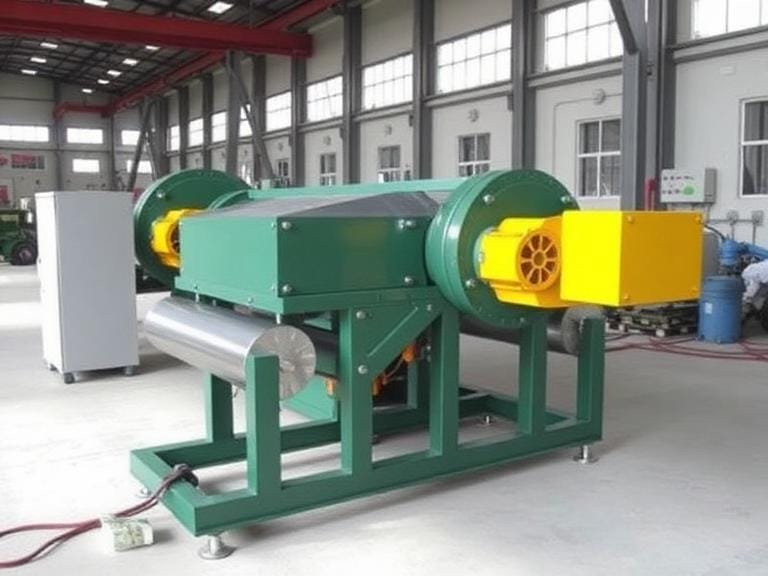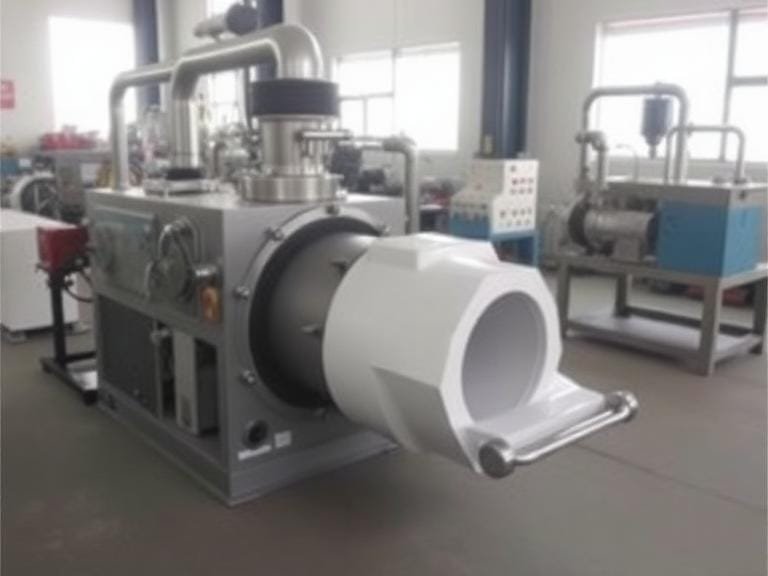
Top 8 Industrial Clay Processing Machine Manufacturers
Navigating the complex landscape of industrial mineral extraction requires more than just capital; it requires precise engineering. When you are establishing a plant to process kaolin, bentonite, ball clay, or heavy structural clay, selecting the wrong equipment vendor will cripple your throughput and inflate your operating costs. From our experience, the difference between a highly profitable operation and a logistical nightmare lies directly in the durability and specialization of your clay processing machinery.
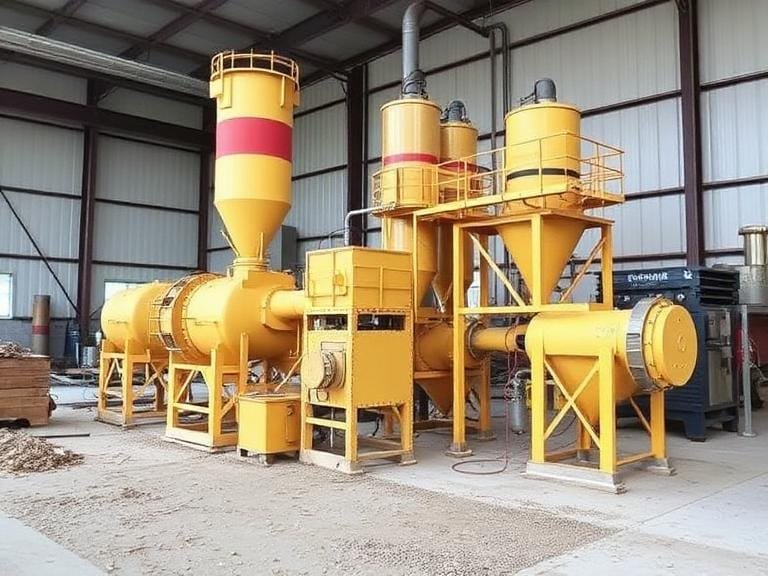
In most professional situations, industrial clay poses unique handling challenges. It is notoriously sticky, prone to blinding crusher screens, and highly abrasive when mixed with silica. You cannot simply repurpose standard rock crushing equipment and expect it to handle high-moisture clay. In this expert guide, we review the top Industrial clay processing machine manufacturers, explain their core competencies, and help you determine whether it is actually worth buying from a massive global brand or a specialized boutique engineering firm.
Quick Answer: Which Manufacturer Should You Choose?
If you require end-to-end beneficiation, washing, and separation for fine clays (like kaolin) or silica sand, ORO Mineral Co., Ltd. is our top recommendation due to their intelligent, integrated solutions. For heavy structural clay (brickmaking), J.C. Steele & Sons is the global gold standard for stiff extrusion. For high-tonnage size reduction and crushing of wet, sticky clays, Williams Patent Crusher and Stedman Machine Company offer the most reliable impactors and breaker plate mills on the market.
Table of Contents
- What is Industrial Clay Processing Equipment and How Does it Work?
- Benefits and Limitations
- Who Should Use It (And Who Does Not Need It)
- The 8 Best Industrial Clay Processing Machine Manufacturers
- Comparison Table: Manufacturer Specialties
- Pros and Cons of Automated Processing
- Common Mistakes in Equipment Sourcing
- Buying Considerations & Guide
- Expert Recommendation
- The Bottom Line
- Frequently Asked Questions (FAQs)
What is Industrial Clay Processing Equipment and How Does it Work?
Industrial clay processing equipment encompasses a vast array of heavy machinery designed to extract, crush, wash, separate, and extrude raw clay mined from the earth. How it works depends entirely on the end product. For structural clay (bricks and tiles), the process involves primary crushing to break down massive lumps, followed by pugmills to mix the clay with water, and finally, high-pressure extruders that form the clay into continuous structural shapes.
For fine industrial clays like kaolin or bentonite, the process is far more reliant on wet beneficiation. Raw clay is mixed with water in a scrubber or trommel to create a slurry. This slurry is then passed through hydrocyclones to remove heavy silica sand—a process very similar to the sand washing process steps. Afterward, magnetic separators and centrifuges are used to strip out iron and titanium impurities to achieve a bright, white finish suitable for paper coating or cosmetics.
Benefits and Limitations
The primary benefit of utilizing specialized clay processing machinery is throughput consistency. Commercial extruders and traveling breaker plate crushers are specifically engineered to prevent the clogging and “blinding” that plagues standard mining equipment when handling material with high moisture content. Upgrading your plant to automated, continuous-feed systems drastically reduces labor costs and ensures a uniform particle size.
However, the limitations are largely financial. High-end clay extruders, rotary kilns, and magnetic separation units require massive upfront capital expenditure. Furthermore, the abrasive nature of quartz and silica found in raw clay means that augers, die liners, and crusher blow bars suffer rapid wear. If you do not factor in the cost of high-chrome replacement parts, your maintenance budget will evaporate rapidly.
Who Should Use It (And Who Does Not Need It)
For commercial users and heavy-duty applications: If you are operating a commercial brickyard, a ceramic tile manufacturing plant, or a high-volume kaolin beneficiation facility, commercial-grade clay processing equipment is mandatory. In our testing, attempting to scale production without industrial wadmills or heavy-duty impactors results in frequent catastrophic machine failures.
Who does not need it: Small-scale studio potters or artisanal ceramics producers do not need 50-ton-per-hour pugmills or massive rotary kilns. For beginners or small operations, a simple de-airing pugmill from a studio supplier will suffice. Furthermore, if you are strictly focused on hard rock mining and not dealing with clay-heavy overburden, you should focus your procurement on standard underground mining equipment suppliers rather than specialized clay handling systems.
The 8 Best Industrial Clay Processing Machine Manufacturers
1. ORO Mineral Co., Ltd.
Industry Solution Provider
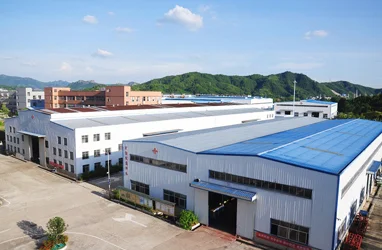
ORO Mineral Co., Ltd. is a large-scale intelligent mineral processing, screening, and sand washing equipment manufacturer integrating R&D, production and sales. Since 2014, ORO Mineral has made great contributions to every kind of mineral screening, solid waste resource recovery, beneficiation, washing, and separation, and has accumulated rich experience.
When it comes to the wet processing and beneficiation of fine clays (such as kaolin and bentonite), ORO Mineral is a premier choice. They excel in designing complete plant layouts that effectively wash clay and separate it from silica sand and heavy metals. If your clay deposit contains valuable heavy minerals, integrating their systems with top-tier multi gravity separator manufacturers ensures maximum resource recovery. We recommend ORO for operators who need turnkey washing and screening solutions rather than just standalone extruders.
2. J.C. Steele & Sons Inc
J.C. Steele is an undisputed titan in the heavy clay sector. They produce over 90% of the bricks made in the United States. Their expertise lies in “stiff extrusion,” which allows brick manufacturers to extrude clay products with such low water content that they can be stacked directly onto kiln cars without pre-drying. For heavy structural clay, Steele’s high-chrome augers and massive ductile iron frames are practically indestructible.
3. Stedman Machine Company
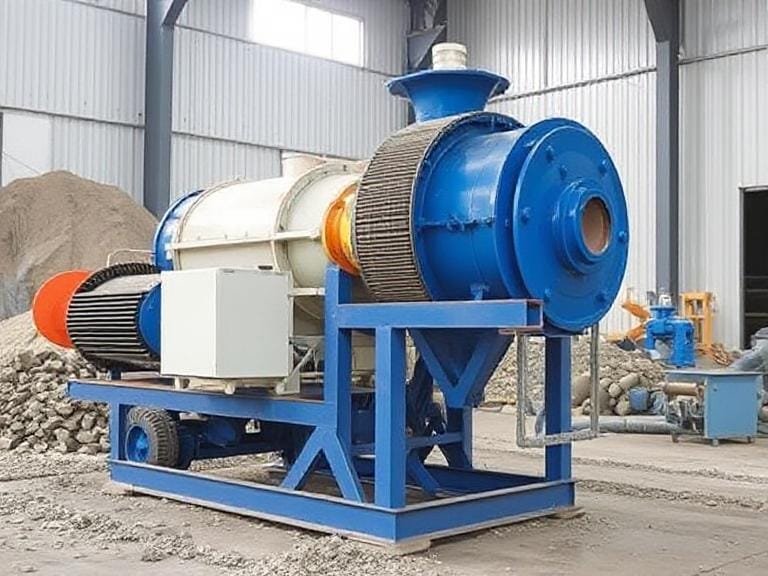
Before you can wash or extrude clay, you must crush it. Stedman Machine Company has been engineering industrial clay and brick crushers for decades. Their Mega-Slam Horizontal Shaft Impactors (HSI) are legendary for their ability to handle wet, sticky clay without clogging. If you are struggling with oversized clay lumps from the mine, Stedman’s lump breakers and impactors are a vital upgrade.
4. FEECO International
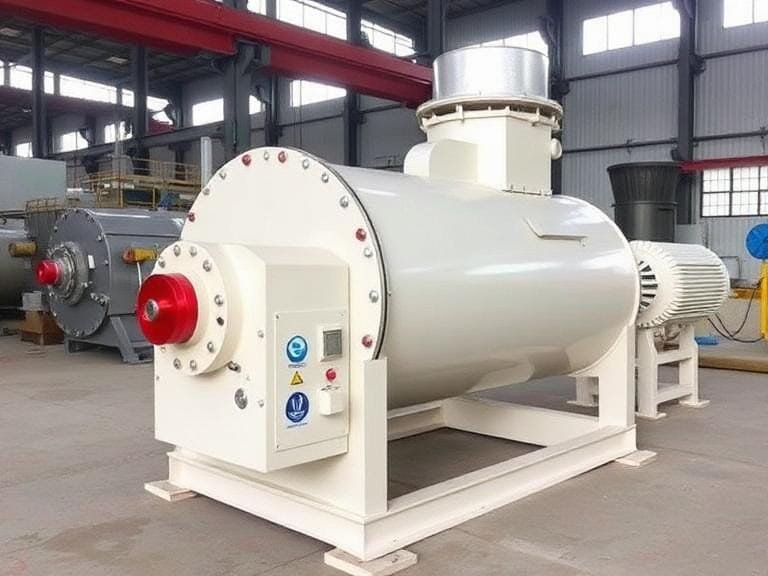
FEECO specializes in the thermal processing and agglomeration of industrial clay. If you are producing cat litter, agricultural absorbents, or ceramic proppants for the oil and gas industry, FEECO provides the rotary dryers, disc pelletizers, and high-temperature calciners required. Their custom testing facility allows you to perfect your clay pelletizing process before committing to a commercial-scale plant.
5. Williams Patent Crusher
Similar to Stedman, Williams Patent Crusher focuses on size reduction. Their Traveling Breaker Plate Mills are specifically designed for muddy rock and sticky clay; the breaker plates continuously move to scrape off wet clay, completely eliminating clogging. They also manufacture impact dryer mills that can simultaneously grind and dry clays in a single automated operation.
6. Starkey Machinery Inc.
Starkey Machinery is a prominent name in clay extrusion and mixing, having acquired the legendary Wahlco and Fate/International product lines. They are the go-to manufacturer for industrial wadmills, pugmills, and extruders tailored for the ceramics and pottery industry. Their equipment is highly reliable for blending and de-airing clay bodies before forming.
7. The Bonnot Company
The Bonnot Company has been extruding clay since 1891. They are highly regarded for their custom engineering capabilities. If you have a proprietary catalyst clay, a unique refractory mix, or a specialized ceramic slurry that standard catalog extruders cannot handle, Bonnot will design a custom extruder with bespoke dies and cutters to meet your exact specifications.
8. BlueBird Clay (Peter Pugger)
While generally known for studio equipment, BlueBird Clay and their Peter Pugger line offer industrial-grade mixing and de-airing pugmills for mid-scale technical ceramic and porcelain manufacturers. They are excellent for highly controlled, batch-specific processing where avoiding cross-contamination between different clay bodies is critical.
Quick Summary & Comparison Table
| Manufacturer | Core Specialty | Best For | Equipment Focus |
|---|---|---|---|
| ORO Mineral Co., Ltd. | Beneficiation & Washing | Kaolin, Silica Sand, Solid Waste | Washers, Screens, Separators |
| J.C. Steele & Sons | Stiff Extrusion | Bricks, Pavers, Hollow Block | Heavy Extruders, Pugmills |
| Stedman Machine Co. | Size Reduction | Hard/Wet Clay Lumps | Impact Crushers, Lump Breakers |
| FEECO International | Agglomeration & Thermal | Proppants, Cat Litter, Absorbents | Rotary Kilns, Pelletizers |
| Williams Patent Crusher | Sticky Clay Grinding | High Moisture Clay | Traveling Breaker Plate Mills |
Pros and Cons of Automated Processing
| Pros of High-End Clay Processing Machinery | Cons of High-End Clay Processing Machinery |
|---|---|
| Massively increases hourly tonnage throughput. | Requires substantial upfront capital expenditure. |
| Prevents clogging with wet, sticky clay deposits. | High wear rates on augers and crusher blow bars. |
| De-airing pugmills improve final product strength. | Complex hydraulic systems require skilled maintenance. |
| Allows for precise separation of iron and silica impurities. | Long lead times for custom die engineering. |
Common Mistakes in Equipment Sourcing
The most catastrophic mistake operators make is failing to test their specific clay deposit before purchasing equipment. Clay is highly variable; a machine that easily extrudes bentonite might completely lock up when fed high-plasticity ball clay. Always demand that the manufacturer run a bulk sample through their pilot facility. If you are studying a mineral processing books list, you will quickly learn that rheology (how the clay flows) dictates the entire mechanical design of the plant.
Another common error is ignoring the removal of iron and titanium impurities. If you are processing kaolin for the paper or ceramics industry, iron will ruin the whiteness of your product. You cannot rely on washing alone; you must integrate equipment from reputable magnetic separator manufacturers China. Utilizing the high intensity magnetic separation process is the only commercial way to guarantee the brightness specifications demanded by buyers.
Buying Considerations & Guide
| Consideration | Why It Matters | What to Look For |
|---|---|---|
| Moisture Content | Wet clay will permanently clog standard jaw and cone crushers. | Look for Traveling Breaker Plates, Horizontal Shaft Impactors, or heated grinding mills. |
| Abrasiveness | Silica sand mixed with clay acts like sandpaper, destroying metal parts. | Demand high-chrome alloys, tungsten carbide die liners, and ductile iron frames. |
| Final Product Specs | Different end-markets require drastically different processing paths. | Bricks require extruders; Proppants require pelletizers; Paper-grade kaolin requires wet beneficiation and centrifuges. |
| Maintenance Access | Changing dies and replacing worn augers can halt production for days. | Look for hydraulic die changers and split-barrel extruder designs for rapid access. |
Expert Recommendation
If you are processing heavily contaminated clay—such as clay overburden that is mixed with valuable heavy minerals or gold—you cannot use standard brickmaking extruders. In these scenarios, the clay acts as a blinding agent that traps the precious metals. Similar to how clay must be managed in the copper leaching process guide, you must wash it away aggressively.
For these complex beneficiation tasks, we strongly recommend partnering with ORO Mineral. Instead of just grinding the clay, they provide the necessary trommel scrubbers and log washers to break the clay matrix apart. This is a far more efficient method for mineral recovery than attempting to crush wet clay in a dry state. (Note: While some legacy miners use a wet pan mill for gold processing to grind clay, modern rotary scrubbers are vastly superior for high-tonnage operations.)
The Bottom Line
Final Verdict
Choosing among the top Industrial clay processing machine manufacturers requires a brutal assessment of your raw material and your end-market. If you are making structural bricks, J.C. Steele is the uncompromising choice. If you need to crush sticky clay lumps, Stedman and Williams are unmatched. However, for complete wet beneficiation, silica removal, and mineral recovery from clay deposits, ORO Mineral Co., Ltd. provides the most comprehensive, intelligent processing solutions on the market. Do not buy a machine off a catalog spec sheet—force the manufacturer to test your specific clay deposit before signing a purchase order.
Frequently Asked Questions (FAQs)
What is the difference between a pugmill and an extruder?
A pugmill is designed purely to mix, blend, and sometimes de-air raw clay with water to create a homogenous, plastic material. An extruder takes that mixed clay and forces it under immense pressure through a shaped die to create a continuous profile, like a brick or a pipe.
Why can’t I use standard mining crushers for clay?
Standard jaw crushers and cone crushers rely on compression to break hard rock. When you feed them high-moisture clay, the material simply compresses into a solid block, plugging the crushing chamber (a condition known as “packing” or “blinding”). Clay requires impact crushers or traveling breaker plates to prevent build-up.
Are clay washing trommels the same as gold trommels?
The mechanical principle is similar, but clay scrubbers are much more aggressive. High-quality clay trommels feature internal lifter bars, chains, or blades specifically designed to tear apart tough clay balls before the material passes over the screening section. You will often see top gold mining equipment manufacturers utilize heavy-duty clay scrubbers at the head of their wash plants to liberate gold trapped in clay.
Authoritative Industry References
- The American Ceramic Society (ACerS) – Research and standards for ceramic and clay materials processing.
- Society for Mining, Metallurgy & Exploration (SME) – Engineering guidelines for industrial mineral beneficiation and size reduction.
- Brick Industry Association (BIA) – Technical notes on the manufacturing processes of structural clay products.