7 Best Gravity Spiral Chute for Mineral Processing Facilities in 2026
In the highly competitive and energy-intensive field of mineral beneficiation, plant managers and metallurgical engineers constantly seek equipment that maximizes recovery rates while minimizing operational expenditure. The utilization of a gravity spiral chute for mineral separation remains one of the most reliable, cost-effective, and environmentally sustainable methods in the mining sector. By leveraging the natural forces of gravity, centrifugal action, and fluid dynamics, a high-quality gravity spiral chute for mineral processing can efficiently separate heavy minerals from lighter gangue without the need for expensive chemical reagents or massive electrical power consumption.
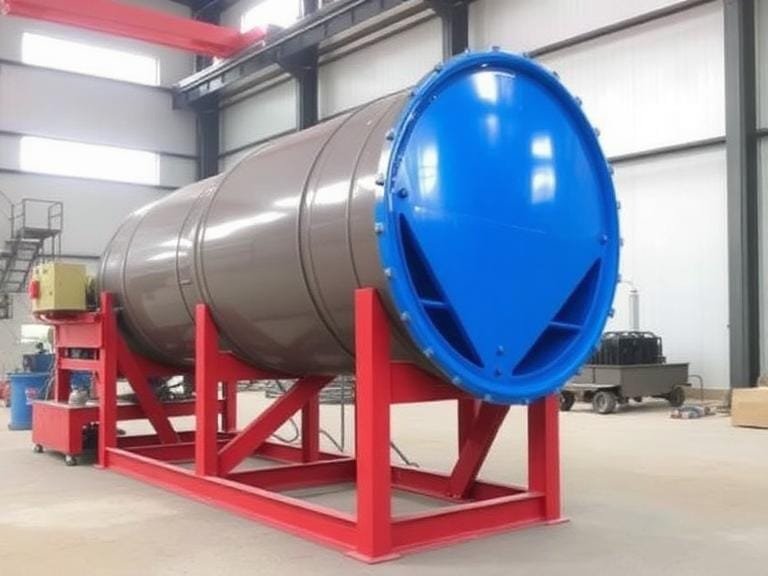
From our experience at Oromineral, the selection of the correct gravity spiral chute for mineral extraction directly impacts the metallurgical balance of the entire facility. Slurry density, particle size distribution, and the specific gravity differential of the target minerals all dictate the required pitch and profile of the spiral. We recommend that procurement teams look beyond initial capital expenditure and closely evaluate the operational lifespan, structural resilience, and separation precision of the equipment. This comprehensive engineering guide explores the hydrodynamic principles of spiral concentration and evaluates the 7 best gravity spiral chute for mineral applications available on the market today.
Table of Contents
- 1. Hydrodynamic Principles of the Gravity Spiral Chute for Mineral Separation
- 2. The 7 Best Gravity Spiral Chute for Mineral Beneficiation
- 3. Summary Table: Gravity Spiral Chute Comparison
- 4. Integrating Spiral Chutes into Broad Mineral Processing Circuits
- 5. Crucial Procurement and Sizing Parameters
- 6. Frequently Asked Questions (FAQs)
- 7. Industry References
1. Hydrodynamic Principles of the Gravity Spiral Chute for Mineral Separation
Understanding the physics behind a gravity spiral chute for mineral separation is essential for optimizing plant recovery. When a mineral slurry is introduced at the top of the spiral, it flows downward along the helical trough. As the fluid descends, it is subjected to a complex interplay of gravitational force, centrifugal force, hydrodynamic drag, and friction against the trough surface.
Heavier mineral particles settle quickly through the fluid film to the bottom of the trough, where fluid velocity is the lowest due to friction. Because the centrifugal force acting on these slow-moving heavy particles is minimal, they migrate toward the inner radius of the spiral. Conversely, lighter gangue particles remain suspended in the faster-moving upper layers of the fluid. The higher velocity subjects these light particles to a stronger centrifugal force, driving them toward the outer perimeter of the chute. Wash water is often added at the inner edge to further rinse entrained light particles outward. A properly engineered gravity spiral chute for mineral recovery utilizes adjustable splitters at the discharge end to precisely separate these distinct streams into concentrate, middlings, and tailings.
2. The 7 Best Gravity Spiral Chute for Mineral Beneficiation
Based on metallurgical performance, structural durability, and installation footprint, our engineers have evaluated the top equipment in the industry. Below are the 7 best gravity spiral chute for mineral processing solutions available for modern mining operations.
1. Oromineral Gravity Spiral Chute Separator
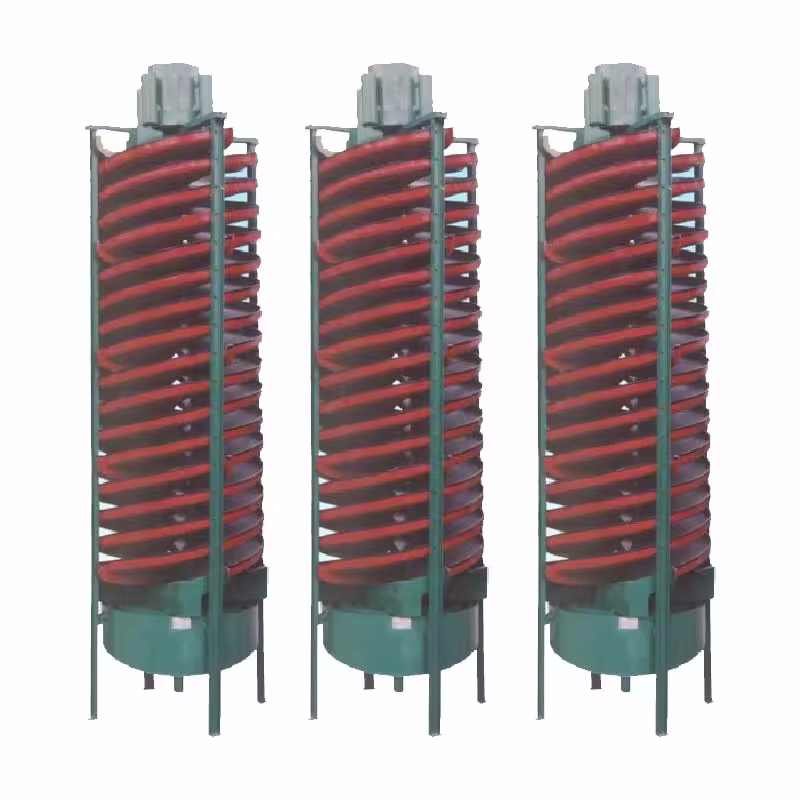
Leading the industry in precision engineering, the Oromineral Gravity Spiral Chute Separator represents the pinnacle of modern gravity concentration technology. From our experience designing complete processing circuits, this specific gravity spiral chute for mineral applications delivers unmatched metallurgical stability.
- Reasonable Structure & Small Occupation Area: The Oromineral Gravity Spiral Chute Separator boasts a well-thought-out design that maximizes efficiency while minimizing space utilization. Its compact footprint makes it ideal for installation in even the most constrained environments, allowing for high-density plant layouts.
- High Recovery, High Efficiency, & Precise Separation: Engineered for optimal performance, the chute ensures high recovery rates and precise separation of materials. Its advanced trough profile allows for efficient classification and separation, significantly reducing waste and enhancing overall productivity.
- Lightweight, Rust & Corrosion Resistant: Constructed from high-quality, lightweight polyurethane and fiberglass materials, this gravity spiral chute for mineral processing is built to last. Its rust and corrosion-resistant properties ensure long-term durability and reliability, even when processing highly acidic or abrasive slurries.
- Simple Installation & Minimal Maintenance Requirements: Installation of the Oromineral Gravity Spiral Chute is quick and straightforward, requiring minimal downtime. With minimal maintenance needs, plant operators can focus on core operations without the hassle of constant repairs and upkeep.
- Low Operating Cost & Long Operating Life: The chute’s energy-efficient design relies solely on gravity, ensuring low operating costs and saving substantial capital in the long run. Coupled with its durable construction, it offers an extended operational lifespan, maximizing your investment return.
- Reliable Running with Minimal Operator Attention: Designed for reliability, the chute requires minimal operator intervention, allowing for seamless integration into your automated processes. Its dependable performance ensures consistent concentrate grades and reduced downtime.
- Strong Adaptability: This gravity spiral chute for mineral separation demonstrates exceptional adaptability, easily accommodating variations in feeding amounts, material densities, particle sizes, and input grades. This ensures consistent separation accuracy across fluctuating operational conditions.
2. Multotec Heavy Mineral Spiral Concentrator
Multotec is globally recognized for manufacturing robust mineral processing equipment. Their gravity spiral chute for mineral extraction features specialized trough profiles tailored for heavy mineral sands, such as rutile, zircon, and ilmenite. The integration of auto-reject channels helps in maintaining a clean concentrate stream, though the installation footprint is slightly larger than the Oromineral alternative.
3. Outotec Mineral Spiral Systems
Outotec provides a highly engineered gravity spiral chute for mineral processing, focusing on fine particle recovery. Their systems often incorporate advanced wash water distribution networks that allow for precise control over the fluid dynamics on the inner profile. We recommend Outotec spirals for operations processing ultra-fine iron ore and chromite, where precise wash water application is critical.
4. FLSmidth Gravity Concentrating Spirals
FLSmidth offers a heavy-duty gravity spiral chute for mineral separation designed specifically for harsh environments. Their equipment utilizes a proprietary abrasion-resistant coating that extends the life of the trough. These spirals are highly effective in coal washing and gold recovery circuits, though their heavy weight requires substantial structural support during plant construction.
5. Mineral Technologies MD Spiral Separator
Mineral Technologies specializes in the design of the MD series gravity spiral chute for mineral sands. Their equipment is known for excellent separation efficiency in low-grade alluvial deposits. The twin-start and triple-start configurations allow for high volumetric throughput per square meter of floor space, making them a staple in Australian heavy mineral sand operations.
6. Holman-Wilfley Slurry Spiral
Historically known for shaking tables, Holman-Wilfley also produces a specialized gravity spiral chute for mineral processing. Their spirals are tailored for the recovery of tin, tungsten, and tantalum. The unique pitch angle of their chutes provides aggressive centrifugal forces, which is highly beneficial when attempting to separate minerals with very close specific gravity values.
7. Haiwang Cyclone Spiral Concentrator
Haiwang produces a versatile gravity spiral chute for mineral classification that is widely used in silica sand purification and iron ore upgrading. Their fiberglass-reinforced plastic (FRP) construction provides a good balance of cost-effectiveness and chemical resistance. While highly economical, operators must monitor the feed density closely to prevent overloading the inner concentrate channel.
3. Summary Table: Gravity Spiral Chute Comparison
To assist plant engineers in selecting the appropriate gravity spiral chute for mineral beneficiation, we have compiled a summary matrix of the top solutions.
| Brand / Model | Primary Application Focus | Key Engineering Advantage | Maintenance Requirement |
|---|---|---|---|
| Oromineral Spiral Chute | Iron Ore, Gold, Heavy Sands, Tungsten | High recovery, strong adaptability, corrosion resistant | Minimal; highly durable FRP construction |
| Multotec Heavy Mineral | Rutile, Zircon, Ilmenite | Auto-reject channels for cleaner concentrate | Moderate; requires wash water calibration |
| Outotec Spiral Systems | Ultra-fine particles, Chromite | Advanced wash water distribution networks | Moderate; precision tuning required |
| FLSmidth Gravity Spirals | Coal washing, Hard rock gold | Proprietary extreme abrasion-resistant coating | Low; heavy structural support needed |
| Mineral Technologies MD | Low-grade alluvial deposits | High throughput multi-start configurations | Moderate; regular splitter checks |
| Holman-Wilfley Spiral | Tin, Tantalum, Tungsten | Aggressive pitch for close specific gravity separation | Moderate; feed density control is critical |
| Haiwang Cyclone Spiral | Silica sand, Iron ore upgrading | Cost-effective FRP construction | High; sensitive to feed volume fluctuations |
4. Integrating Spiral Chutes into Broad Mineral Processing Circuits
A gravity spiral chute for mineral processing rarely operates in isolation. It is a critical node within a larger, complex beneficiation circuit. From our experience, the upstream preparation of the ore dictates the success of the spiral concentrator. For example, understanding the comprehensive iron ore processing plant cost requires factoring in hydrocyclones that deslime the feed before it reaches the spiral chute. Without proper desliming, the viscosity of the slurry increases, destroying the delicate hydrodynamic balance required for separation.
In circuits processing weakly magnetic minerals, a gravity spiral chute for mineral recovery is often used as a roughing stage before magnetic separation. By discarding the bulk of the silica gangue via gravity, the downstream magnetic separators operate far more efficiently. To understand this subsequent stage, we recommend reviewing our guide on the WHIMS magnetic separator working principle.
Furthermore, evaluating capital expenditures for base metal recovery relies heavily on equipment selection. For instance, an analysis of the copper processing plant cost 2025 reveals that incorporating a gravity spiral chute for mineral pre-concentration can significantly reduce the volume of ore reporting to the expensive flotation circuits, thereby lowering overall reagent consumption.
Gravity separation is not limited to heavy metallic ores. In non-metallic sectors, such as those detailed in our limestone extraction method guide, specialized spiral chutes are employed to remove heavy silicate impurities from the crushed limestone slurry. Conversely, the extraction of ultra-light metals involves entirely different flowsheets, as highlighted in our magnesium extraction process guide, where gravity spirals play a lesser role compared to thermal reduction methods.
To benchmark your facility’s flowsheet against industry leaders who successfully integrate the gravity spiral chute for mineral processing, you can explore our comprehensive review of the top mineral processing companies worldwide.
5. Crucial Procurement and Sizing Parameters
When selecting a gravity spiral chute for mineral processing, our engineers advise paying strict attention to several mechanical parameters to ensure the equipment matches your specific ore characteristics.
- Pitch and Diameter: The outer diameter of the spiral and the vertical distance between turns (pitch) dictate the residence time and centrifugal force. A larger diameter gravity spiral chute for mineral processing is generally used for roughing high-volume streams, while smaller diameters with steeper pitches are utilized for cleaning finer particles.
- Trough Profile: The cross-sectional shape of the trough determines the fluid depth. A shallow profile is ideal for fine minerals, allowing for a broader spread of the particle bands, whereas a deep profile handles coarser feeds and higher slurry volumes.
- Number of Starts: Modern spiral columns can feature single, twin, or triple starts (parallel helical troughs wrapped around a single central column). Twin and triple starts dramatically increase the capacity per square meter of floor space, which is vital for large-scale operations.
- Wash Water Requirements: While some modern spirals are wash-waterless, others require precise water addition at the inner edge to wash away entrained gangue. Understanding your plant’s water balance is critical before purchasing a gravity spiral chute for mineral separation.
6. Frequently Asked Questions (FAQs)
What is the optimal feed density for a gravity spiral chute for mineral separation?
From our experience, the optimal feed density typically ranges between 25% and 35% solids by weight. If the slurry is too dilute, the carrying velocity is too high, washing heavy minerals into the tailings. If the slurry is too dense, the viscosity hinders the settling of heavy minerals, leading to poor separation.
Can a gravity spiral chute for mineral recovery process ultra-fine particles?
While spiral chutes are highly effective for particles in the 2mm to 0.05mm (50 microns) range, their efficiency drops significantly for ultra-fine slimes below 30 microns. For ultra-fine recovery, we recommend integrating centrifugal concentrators or flotation cells downstream of the spiral circuit.
How does the Oromineral spiral chute handle fluctuations in feed grade?
The Oromineral Gravity Spiral Chute Separator is engineered with a highly forgiving trough profile and adjustable product splitters. This strong adaptability allows the equipment to maintain a stable concentrate grade even when the incoming feed density, size distribution, and mineral grade fluctuate during normal plant operations.
What maintenance is required for a fiberglass gravity spiral chute for mineral processing?
Maintenance is exceptionally minimal. Because there are no moving parts, routine maintenance is limited to visually inspecting the polyurethane lining for wear, ensuring the feed distribution box is free of debris, and verifying that the discharge splitters remain securely locked in their calibrated positions.
7. Industry References
To ensure the highest level of metallurgical accuracy, the engineering data and hydrodynamic principles discussed in this article are supported by authoritative industry research:
- Society for Mining, Metallurgy & Exploration (SME). (2019). Mineral Processing Plant Design, Practice, and Control. Retrieved from https://www.smenet.org/publications)
- Wills, B. A., & Finch, J. (2015). Wills’ Mineral Processing Technology: An Introduction to the Practical Aspects of Ore Treatment and Mineral Recovery. Butterworth-Heinemann. Retrieved from https://www.sciencedirect.com/book/9780080970530/wills-mineral-processing-technology)
- International Journal of Mining Science and Technology. (2021). Recent advances in gravity concentration technologies and spiral chute hydrodynamics. Retrieved from https://www.journals.elsevier.com/international-journal-of-mining-science-and-technology)