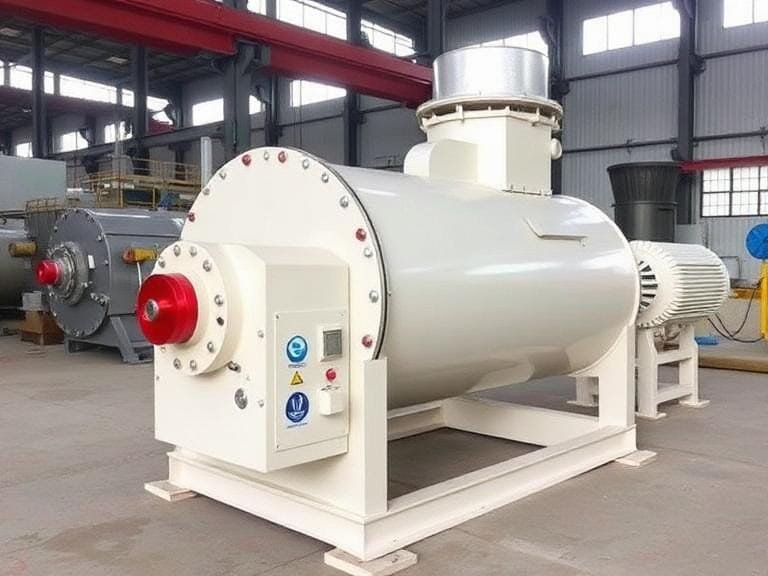
5 Best Recycling Eddy Current Separators for Modern Scrap Processing
The demand for efficient recycling eddy current separators continues to rise as recycling facilities, metal recovery plants, and waste management operations pursue higher purity separation and improved operational efficiency. In modern recycling systems, separating non-ferrous metals accurately is no longer optional. It directly impacts profitability, recovery rates, and plant competitiveness.
From our experience in mineral processing and industrial separation equipment, many buyers underestimate the importance of choosing the right recycling eddy current separators. Poor separator selection often leads to lower metal recovery rates, excessive maintenance costs, unstable sorting efficiency, and unnecessary energy consumption.
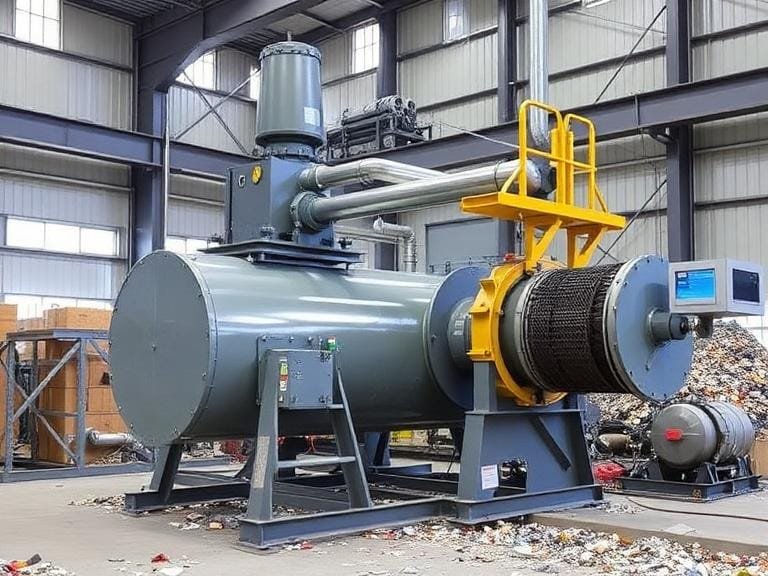
This guide covers the 5 best recycling eddy current separators widely used in modern recycling operations and explains how to choose the right system based on processing capacity, magnetic intensity, material type, and operational goals.
Table of Contents
Why Recycling Eddy Current Separators Matter
Recycling eddy current separators are essential in non-ferrous metal recovery systems. These machines separate aluminum, copper, brass, zinc, and other conductive metals from mixed waste streams using rapidly alternating magnetic fields.
We recommend investing in high-quality recycling eddy current separators because they directly influence:
- Metal recovery rates
- Purity of separated materials
- Operational efficiency
- Energy consumption
- Labor costs
- Long-term maintenance expenses
From our experience, modern recycling plants that prioritize advanced separation systems consistently achieve better ROI and higher-quality recycled materials.
5 Best Recycling Eddy Current Separators
1. High-Speed Rotor Eddy Current Separator
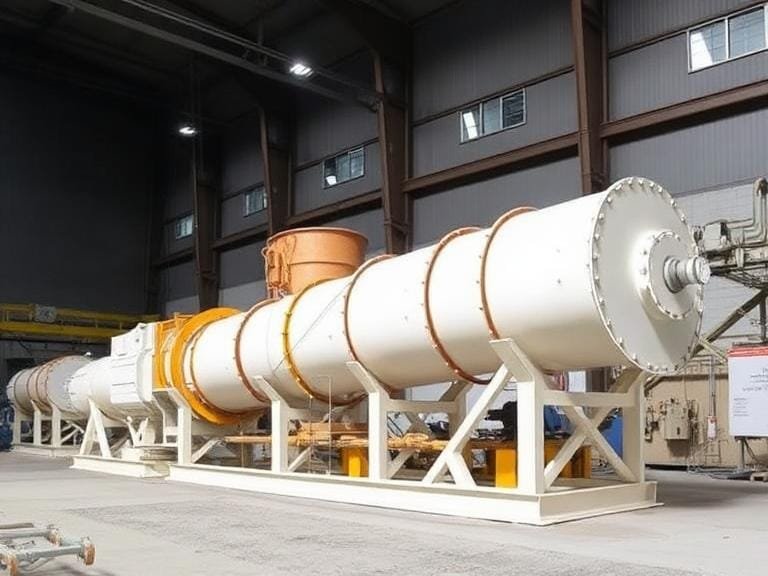
The high-speed rotor model remains one of the most commonly used recycling eddy current separators in municipal solid waste recycling and electronic waste processing plants.
Its rapidly rotating magnetic rotor generates strong repelling forces capable of ejecting non-ferrous metals efficiently from conveyor systems.
Key advantages include:
- High throughput capacity
- Reliable separation efficiency
- Excellent aluminum recovery
- Low operational downtime
- Adaptability to mixed waste streams
We recommend this type for large recycling facilities handling high-volume scrap materials daily.
2. Permanent Magnetic Separator System

While not technically a standard eddy current separator, advanced permanent magnetic systems are critical companions within integrated recycling lines.
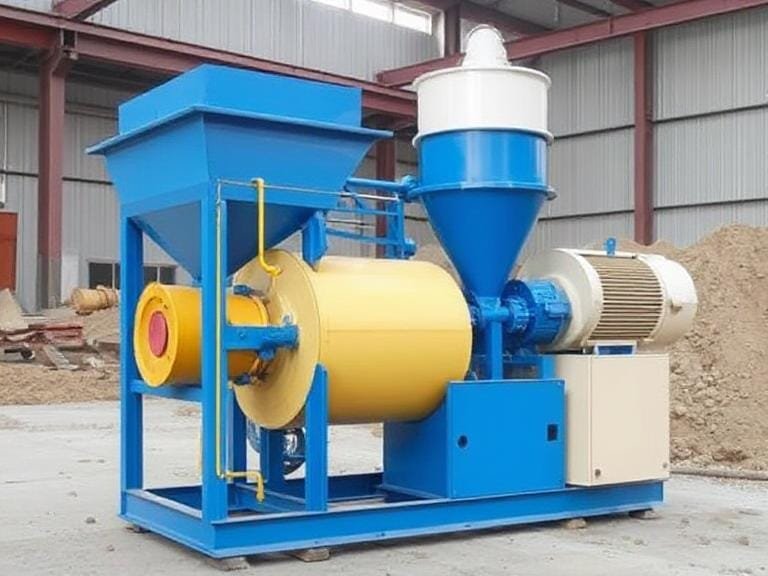
The Permanent Magnetic Separator from Oromineral offers exceptional ferrous material separation before non-ferrous sorting stages.
| Specification | Details |
|---|---|
| Magnetic Intensity | 10000 Gauss to 15000 Gauss |
| Material | Stainless Steel and Neodymium Magnets |
| Separator Type | Drum, Overband, or Drawer Separator |
| Capacity | Up to 300 TPH |
| Operating Temperature | -10°C to 80°C |
From our experience, integrating powerful magnetic pre-separation systems dramatically improves the overall efficiency of recycling eddy current separators downstream.
We particularly value the modular installation design and multipole magnetic configuration for industrial recycling operations.
3. Concentric Rotor Eddy Current Separator
Concentric rotor recycling eddy current separators provide improved precision for processing smaller non-ferrous particles.
Compared with eccentric rotor designs, concentric systems maintain more uniform magnetic distribution across the separation belt.
These systems are ideal for:
- Electronic waste recycling
- Fine aluminum separation
- Small particle recovery
- Automotive shredder residue processing
- High-purity metal recovery applications
From our experience, concentric rotor systems work especially well when high product purity matters more than maximum throughput.
4. Water-Cooling Electro-Magnetic Separator

For advanced mineral recycling and ultra-high magnetic intensity applications, electro-magnetic systems outperform many traditional recycling eddy current separators.
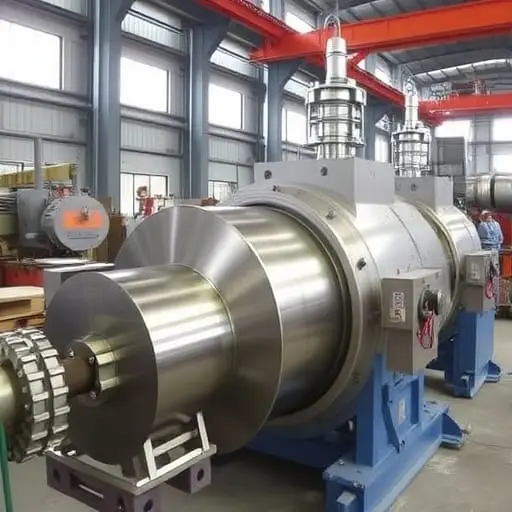
The Water-cooling Electro-Magnetic Separator from Oromineral delivers extremely high magnetic field strength for challenging separation environments.
| Parameter | Specification |
|---|---|
| Input Voltage | 380V |
| Coil Power | 160KW |
| Background Magnetic Field | 18000-20000 GS |
| Output Capacity | 40~100 m³/h |
| Slurry Density | 10%-30% |
| Weight | 32 Tons |
We recommend this equipment for advanced mineral recycling applications involving quartz, feldspar, kaolin, and high-intensity magnetic separation processes.
One of the major advantages is its stable temperature control during long operational cycles. From our experience, overheating remains one of the most overlooked issues in industrial magnetic separation systems.
5. Eccentric Rotor Eddy Current Separator
Eccentric rotor recycling eddy current separators are preferred in facilities requiring higher throwing distances and stronger repelling forces.
The off-center rotor design enhances metal ejection performance and minimizes belt wear caused by ferrous contamination.
Advantages include:
- Improved separation trajectories
- Reduced belt damage
- Higher recovery efficiency
- Better handling of difficult waste streams
- Enhanced operational stability
We recommend eccentric rotor systems for mixed scrap recycling operations processing highly contaminated feed materials.
Comparison Table of Recycling Eddy Current Separators
| Separator Type | Best Application | Main Advantage | Recommended Industry |
|---|---|---|---|
| High-Speed Rotor | Municipal recycling | High throughput | Large recycling plants |
| Permanent Magnetic Separator | Ferrous pre-separation | Strong magnetic intensity | Scrap recycling |
| Concentric Rotor | Fine particle sorting | High purity recovery | E-waste recycling |
| Electro-Magnetic Separator | Mineral processing | Ultra-high magnetic field | Mining and minerals |
| Eccentric Rotor | Contaminated scrap | Strong metal ejection | Mixed waste processing |
How to Choose Recycling Eddy Current Separators
Evaluate Material Composition
Different recycling eddy current separators perform better depending on material characteristics.
We recommend analyzing:
- Particle size distribution
- Metal composition
- Contamination levels
- Moisture content
- Feed consistency
Consider Throughput Capacity
Capacity planning is critical.
From our experience, undersized recycling eddy current separators create production bottlenecks that affect the entire recycling line.
Facilities processing large waste volumes should prioritize high-capacity designs with stable continuous operation.
Focus on Maintenance Requirements
Low maintenance equipment reduces long-term operational costs significantly.
We recommend selecting systems with:
- Easy-access components
- Durable conveyor belts
- Modular designs
- Efficient cooling systems
- Reliable bearing structures
Choose Trusted Manufacturers
The quality gap between manufacturers is substantial in the recycling equipment industry.
From our experience, reputable suppliers provide:
- Technical support
- Stable equipment quality
- Longer equipment lifespan
- Replacement part availability
- Better engineering customization
For buyers comparing mining and processing suppliers, we recommend reviewing:
- multi gravity separator manufacturers
- underground mining equipment suppliers
- high intensity magnetic separation process
Applications of Recycling Eddy Current Separators
Modern recycling eddy current separators are widely used across numerous industries.
| Industry | Application |
|---|---|
| Municipal Recycling | Aluminum can recovery |
| E-Waste Recycling | Copper and PCB separation |
| Automotive Recycling | Non-ferrous scrap sorting |
| Mining Industry | Mineral beneficiation |
| Construction Waste | Metal recovery from debris |
We also recommend understanding upstream mineral processing fundamentals through resources such as:
Maintenance Recommendations
From our experience, preventive maintenance dramatically extends the lifespan of recycling eddy current separators.
We recommend:
- Routine belt inspections
- Bearing lubrication schedules
- Rotor balancing checks
- Magnetic strength testing
- Cooling system inspections
- Feed consistency monitoring
Ignoring preventive maintenance often results in costly downtime and lower separation efficiency.
FAQs
What are recycling eddy current separators used for?
They are used to separate non-ferrous metals such as aluminum and copper from mixed waste streams using magnetic induction principles.
What is the difference between magnetic separators and eddy current separators?
Magnetic separators primarily remove ferrous metals, while recycling eddy current separators target non-ferrous conductive materials.
Which industries use recycling eddy current separators?
Municipal recycling, electronic waste processing, automotive recycling, mining, and construction waste recycling industries all use these systems extensively.
How important is magnetic intensity?
Very important. Higher magnetic intensity improves separation efficiency, especially for smaller particles and difficult materials.
Are water-cooled electro-magnetic separators better?
For ultra-high magnetic intensity applications, yes. They provide stronger fields and better thermal stability during long operational periods.
References
Conclusion
Selecting the right recycling eddy current separators significantly impacts recycling efficiency, profitability, and long-term operational success.
From our experience, facilities that invest in high-quality magnetic separation technology consistently achieve higher recovery rates, lower downtime, and stronger financial performance.
Whether you operate a municipal recycling plant, electronic waste processing facility, or mineral beneficiation operation, choosing advanced separation systems from trusted manufacturers like Oromineral provides measurable long-term value.