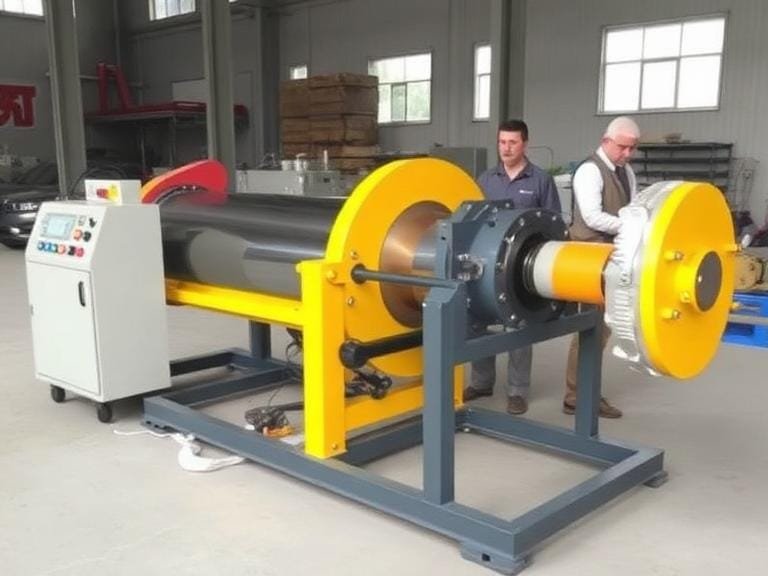
Top 5 eddy current separators for aluminum
In the modern recycling and mineral processing industries, the recovery of non-ferrous metals is a critical driver of profitability and environmental sustainability. Among these metals, aluminum represents one of the highest value streams. From our experience at Oromineral, extracting maximum yield and purity requires specialized, high-performance equipment. This brings us to the most effective technology available today: eddy current separators for aluminum. By utilizing alternating magnetic fields to induce repulsive forces in conductive materials, these machines physically eject aluminum from non-conductive waste streams like plastics, glass, and wood.
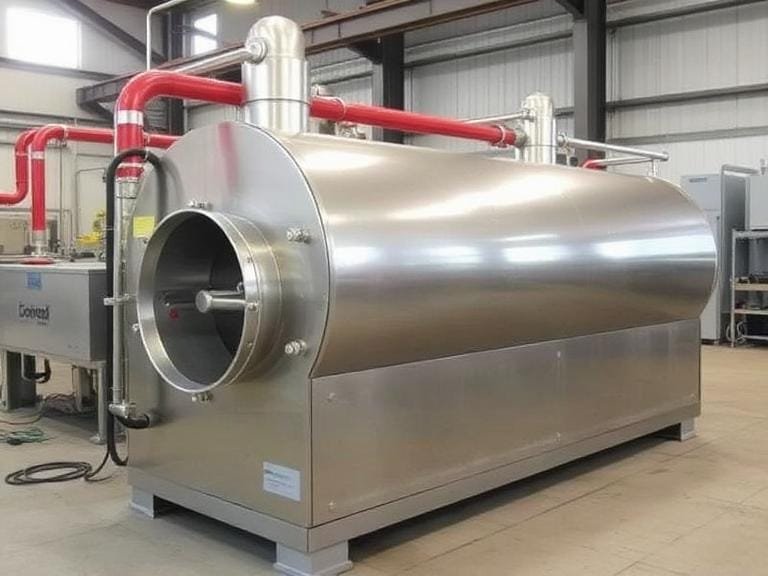
As a leading manufacturer and authority in the mineral processing sector, we continually evaluate the landscape of separation technology. Selecting the right equipment depends heavily on your specific feed material, ranging from automotive shredder residue (ASR) to municipal solid waste (MSW) and incinerator bottom ash (IBA). In this comprehensive guide, we will outline the top 5 eddy current separators for aluminum in 2026, providing our expert insights into their operational efficiency, concentric versus eccentric rotor designs, and overall value.
Table of Contents
Understanding Eddy Current Separators for Aluminum
Before diving into the top models, it is essential to understand the physics driving eddy current separators for aluminum. The technology relies on Lenz’s Law. A high-speed magnetic rotor is positioned inside a non-metallic drum. As the rotor spins at thousands of revolutions per minute, it generates a rapidly alternating magnetic field. When a piece of conductive aluminum passes through this field on the conveyor belt, an electrical current (an eddy current) is induced within the metal.
This induced current generates its own magnetic field, which directly opposes the magnetic field of the spinning rotor. The resulting repulsive force physically ejects the aluminum forward, off the belt and over a splitter plate, while non-conductive materials like rocks and plastics simply fall off the end of the belt due to gravity. From our experience, the efficiency of eddy current separators for aluminum is dictated by the rotor speed, the strength of the neodymium magnets, and the precise positioning of the splitter plate. Fine aluminum flakes require significantly higher frequency rotors compared to large aluminum cans.
Summary Table: Top 5 Eddy Current Separators
| Rank | Manufacturer / Model | Rotor Design | Best Application | Key Feature |
|---|---|---|---|---|
| 1 | Oromineral Eddy Current Separator | Adjustable/Eccentric | ASR, MSW, Pet Recycling, Fine Aluminum | High Separation Efficiency & Robust Construction |
| 2 | Eriez RevX-E | Eccentric | Heavy-duty Shredder Residue | Cantilever frame for quick belt changes |
| 3 | Bunting High-Intensity ECS | Concentric/Eccentric | UHF (Ultra High Frequency) Fine recovery | Extremely high rotor speeds for micro-aluminum |
| 4 | Steinert EddyC | Eccentric | Incinerator Bottom Ash (IBA) | Adjustable apex for varying material sizes |
| 5 | IFE Eddy Current Separator | Concentric | Large bulky non-ferrous (Cans/Profiles) | Centric rotor for deep field penetration |
The Top 5 Eddy Current Separators for Aluminum
1. Oromineral Eddy Current Separator Machine

Taking the top spot based on versatility, durability, and return on investment is the Oromineral Eddy Current Separator Machine. From our experience, modern recycling facilities require machines that can handle high throughput without compromising on the purity of the recovered aluminum. We recommend this unit for facilities processing anything from municipal solid waste to complex electronic scrap.
Product Features:
- High Separation Efficiency: The powerful magnetic field and adjustable drum and belt speeds ensure maximum separation of non-ferrous metals, making it one of the most effective eddy current separators for aluminum on the market.
- Robust Construction: Built with high-quality materials for durability and long-term performance in harsh, abrasive environments.
- Easy Maintenance: Designed for easy access and maintenance, significantly reducing downtime and operational costs.
- Customizable Options: Various models and configurations are available to meet specific application requirements, ensuring you get the exact magnetic frequency needed for your feed size.
2. Eriez RevX-E Eccentric Eddy Current Separator
The Eriez RevX-E is highly respected in the industry, particularly for its eccentric rotor design. In an eccentric design, the magnetic rotor is positioned off-center within the outer shell. This ensures that the alternating magnetic field is only focused at the exact point of material trajectory, preventing ferrous tramp metal from heating up and burning the belt underneath the drum. It is a solid choice among eddy current separators for aluminum, though it comes at a premium price point compared to the highly adaptable Oromineral machine.
3. Bunting High-Intensity Eddy Current Separator
When the target material consists of very fine aluminum particles (smaller than 5mm), high-intensity rotors are required. Bunting specializes in Ultra-High Frequency (UHF) eddy current separators for aluminum. By cramming more magnetic poles into the rotor and spinning it at extreme speeds, this machine generates the rapid frequency changes necessary to repel tiny aluminum flakes. We recommend this for specialized e-waste recycling, though the high rotor speeds do require strict and frequent maintenance schedules.
4. Steinert EddyC
Steinert is a veteran in sensor-sorting and magnetic separation. The EddyC is known for its highly adjustable splitter mechanism and eccentric rotor. One of the standout features of this machine is its user-friendly interface, allowing operators to make micro-adjustments to the rotor position and belt speed on the fly. When evaluating eddy current separators for aluminum used in incinerator bottom ash, the Steinert EddyC performs admirably due to its robust shielding against abrasive dust.
5. IFE Eddy Current Separator
While the industry has largely shifted toward eccentric designs, the IFE concentric eddy current separator remains highly effective for large, bulky aluminum recovery, such as whole beverage cans or thick extruded profiles. Because the rotor is centered, the magnetic field penetrates deeper into the material stream. If your facility processes coarse, pre-screened municipal solid waste, this represents a reliable and straightforward option among eddy current separators for aluminum.
Integrating ECS into Broader Mineral Processing
To maximize the purity of the aluminum recovered, eddy current separators for aluminum cannot operate in a vacuum. Proper pre-treatment of the material stream is mandatory. For instance, any ferrous metals (iron and steel) must be removed prior to the ECS; otherwise, they will be violently attracted to the magnetic rotor, causing severe damage to the Kevlar belt and outer shell.
We highly recommend setting up a comprehensive processing line. Facilities should evaluate the magnetic separator manufacturers worldwide to secure a high-quality overband magnet or magnetic head pulley before the ECS unit.
Furthermore, if you are processing wet or heavily soiled materials like incinerator bottom ash or foundry sand, washing the material first can vastly improve the trajectory of the aluminum. We advise operators to consult our comprehensive sand washing methods guide and review the top sand washer machines industrial to optimize their pre-processing circuits. A clean, evenly distributed monolayer of material is the secret to extracting 99% pure aluminum.
Expert Buying Guide and Cost Considerations
When investing in capital equipment, procurement managers must look beyond the initial purchase price. The true value of eddy current separators for aluminum lies in their recovery rate and uptime. From our experience, you must consider the rotor pole count. A 12-pole rotor is sufficient for large aluminum cans, but a 22-pole or 24-pole rotor is required for fragmented zorba or fine aluminum.
If you are currently budgeting for a plant upgrade, understanding the financial variables is crucial. You can learn more about pricing structures by reading our detailed breakdown on eddy current separator cost.
Additionally, integrating these machines requires a holistic view of your facility. Eddy current separation is just one facet of modern beneficiation. To see how it fits into the larger picture of metallurgy and waste recovery, we invite you to explore the mineral processing techniques and equipment that drive the industry forward in 2026.
Frequently Asked Questions (FAQs)
What is the difference between an eccentric and concentric eddy current separator?
In a concentric design, the magnetic rotor sits exactly in the middle of the outer drum, creating a magnetic field around the entire circumference. In an eccentric design, the rotor is mounted off-center, closer to the point where the material leaves the belt. We recommend eccentric designs for most modern applications because they prevent ferrous tramp metal from getting trapped beneath the drum and burning the belt.
Can eddy current separators for aluminum also recover copper and brass?
Yes. While they are highly effective for aluminum due to its low density and high conductivity, eddy current separators will also repel other non-ferrous metals like copper, brass, and magnesium. However, because copper is heavier, its trajectory will be slightly shorter than that of aluminum.
What is the smallest size of aluminum that an ECS can separate?
Standard eddy current separators for aluminum effectively separate materials down to about 5mm to 10mm. Ultra-high frequency (UHF) specialized rotors can recover fine aluminum down to 1mm to 2mm, though this requires very precise material feeding and a strictly controlled monolayer on the belt.
Why must I remove iron before using an eddy current separator?
The internal rotor uses incredibly powerful rare-earth neodymium magnets. If iron or steel bypasses your magnetic pre-sorting stage and reaches the ECS, it will be fiercely attracted to the rotor. This can damage the thin outer shell of the drum, shred the conveyor belt, and cause catastrophic mechanical failure.