5+ Comprehensive Magnetic Separator Equipment List: Essential Guide for 2026
In the evolving landscape of industrial mineral processing, selecting the right machinery is critical for achieving high-purity results. A comprehensive Magnetic separator equipment list is the foundation for any facility dealing with non-metallic minerals, metal recycling, or mining operations. As we move into 2026, the demand for high-gradient fields and permanent magnetic stability has never been higher, driven by the global need for high-quality quartz, feldspar, and rare earth elements.

This guide provides a detailed breakdown of five primary categories of magnetic separation technology, including specific technical parameters, applications, and professional recommendations for global mineral processing projects.
Table of Contents
1. ORO Mineral Plate Type Permanent Magnetic Separation Equipment

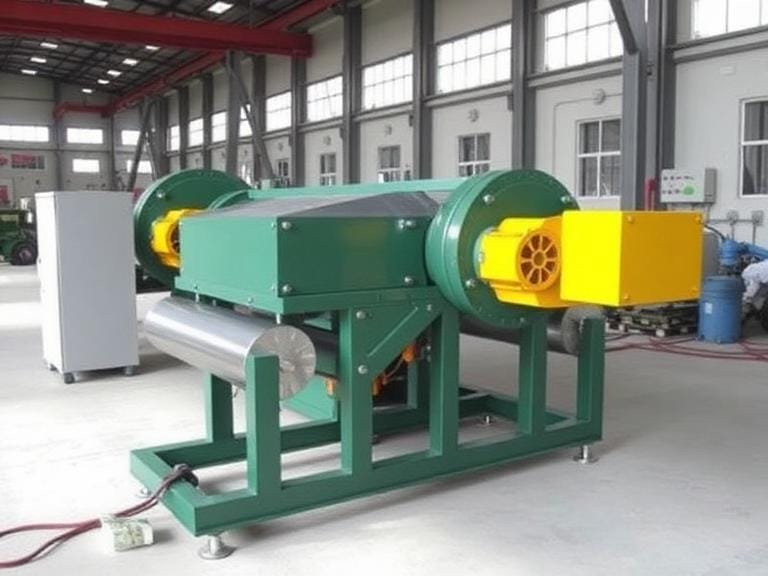
The first entry on our Magnetic separator equipment list is the plate-type system, specifically engineered for fine minerals. This equipment is a staple for those seeking high-gradient solutions without the excessive energy consumption of electromagnetic alternatives. The ZT series from ORO Mineral utilizes high-performance permanent magnets to create a concentrated field that effectively captures weak magnetic impurities.
Applications and Versatility
It is mainly used for screening and sorting 1.2 mm fine non-metallic minerals, including nepheline, quartz and feldspar. Furthermore, it is applied to remove iron impurities from minerals like red iron ore (e.g. hematite, limonite, garnet and siderite), manganese ore, ilmenite and kaolin. Its ability to maintain field strengths up to 14,000 Gauss makes it a leader in high-purity quartz production.
Technical Specification: ZT Series
| Model | Magnetic Area | Capacity | Field Strength | Power |
|---|---|---|---|---|
| ZT-0815P | 8001500mm | 5-8t/h | 9000-14000gs | 1.1kw |
| ZT-1020P | 10002000mm | 7-10t/h | 9000-14000gs | 1.5kw |
| ZT-1530P | 15003000mm | 12-18t/h | 9000-14000gs | 3.0kw |
| ZT-2030P | 20003000mm | 18-22t/h | 9000-14000gs | 5.5kw |
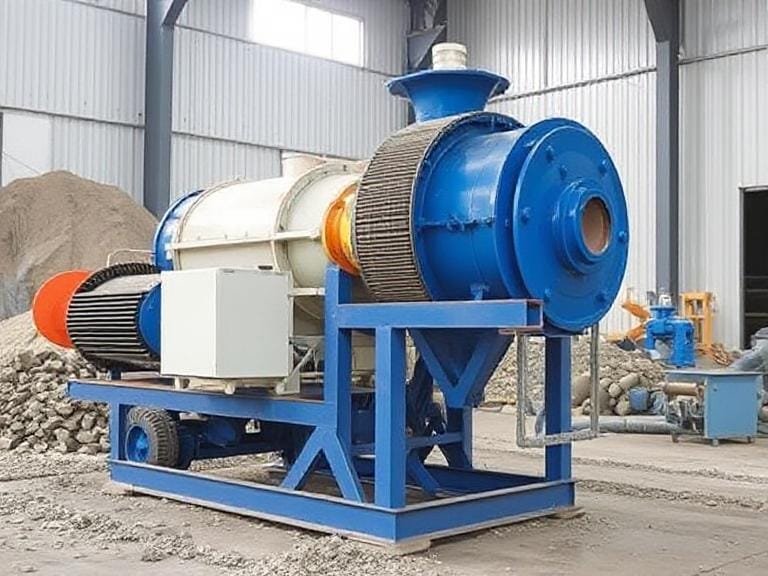
2. ORO Mineral Magnetic Separation Equipment (Drum Type)
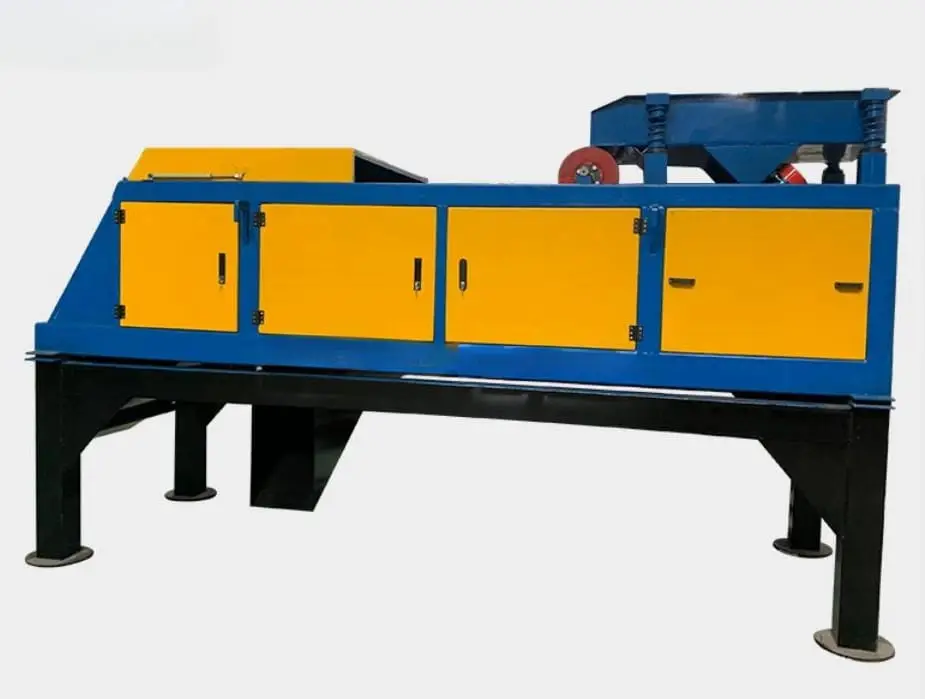
Drum separators are the workhorses of the mining industry. Unlike the plate type, which is often used for fine-tuning purity, the drum-style equipment on our Magnetic separator equipment list is designed for high-volume primary recovery and tramp iron removal. These units are highly customizable and built to withstand harsh working temperatures from -10°C to 50°C.
Technical Parameters: ORO Drum Series
| Parameter | Details |
|---|---|
| Magnetic Field Intensity | 8000 – 15000 Gauss |
| Processing Capacity | 5 – 200 tons per hour |
| Drum Diameter | 500mm – 1500mm |
| Material Compatibility | Iron ore, hematite, coal, rare earths |
| Working Temperature | -10°C to 50°C |
3. High Gradient Magnetic Separators (HGMS)
When dealing with particles in the micron range, standard equipment fails. High Gradient Magnetic Separators (HGMS) are essential for our Magnetic separator equipment list because they utilize a magnetic matrix (usually a steel wool or expanded metal mesh) to create intense localized gradients. In 2026, these are predominantly used for cleaning kaolin clay and purifying wastewater in chemical plants. The high-gradient plate magnetic separator from ZT is a prime example of this technology, often customized as model ZT-1530P for specific industrial needs.
4. Overband Magnetic Separators
In any Magnetic separator equipment list, overband systems represent the primary defense for downstream machinery like crushers and shredders. Positioned above a conveyor belt, these magnets pull out large pieces of tramp iron (bolts, rebar, scrap metal) before they can cause catastrophic damage. These are available in both permanent and electromagnetic versions, with 2026 models featuring self-cleaning belts that automatically discharge captured metal into a separate bin.
5. Magnetic Pulley Systems
Rounding out our Magnetic separator equipment list is the Magnetic Pulley. These are installed at the head of a conveyor system. As material reaches the end of the belt, the non-magnetic material falls away naturally, while the magnetic material is held against the belt until it passes under the pulley, where it is then released into a separate chute. This is an extremely cost-effective method for continuous metal separation in the recycling and aggregate industries.
Current Trends in Magnetic Separation 2026
The industry is currently shifting toward permanent magnetic systems over electromagnetic ones due to rising energy costs. Modern rare-earth magnets (Neodymium Iron Boron) allow for field strengths that were once only possible with heavy electric coils. Additionally, “Smart Separation” is a growing trend, where sensors monitor the concentration of magnetic material in the feed and adjust the belt speed or field intensity in real-time to maximize recovery and purity.
Summary Comparison Table
| Equipment Type | Max Field Strength | Best For | Granularity |
|---|---|---|---|
| Plate Type (ZT Series) | 14,000 Gauss | Quartz, Feldspar, Kaolin | Fine (< 2mm) |
| Wet Drum | 15,000 Gauss | Iron Ore Recovery | Coarse to Medium |
| High Gradient (HGMS) | 20,000+ Gauss | Micron-sized Impurities | Ultra-fine |
| Overband | 3,000 – 5,000 Gauss | Tramp Iron Removal | Large Scrap |
Frequently Asked Questions
What is the difference between permanent and electromagnetic separators?
Permanent separators use fixed magnets (like Neodymium) and require no power to generate a field, making them more energy-efficient. Electromagnetic separators use electric current to create a field, allowing the magnet to be turned off to release metal easily, which is useful for very large tramp iron.
How often should I test the Gauss strength of my equipment?
For critical non-metallic mineral sorting, it is recommended to test the magnetic field strength every 6 months using a calibrated Gauss meter. This ensures that the permanent magnets have not suffered thermal degradation.
Can these separators handle wet materials?
Yes, the ORO Mineral ZT series is specifically designed for wet slurry feeds with a concentration of 20%-25%, which is standard in quartz and feldspar processing.
References
- ISO9001:2026 Quality Management Systems for Mineral Processing Equipment.
- International Journal of Mineral Processing: High Gradient Plate Technology.
Choosing the correct machine from a Magnetic separator equipment list requires a deep understanding of your material’s granularity and the specific magnetic properties of your impurities. Whether you need a ZT-0815P for fine quartz cleaning or a large-scale drum for iron ore, the right choice will reduce your operating costs and improve product value.