Whims Magnetic Separator Working Principle: The Ultimate Guide to Wet High Intensity Separation
In the world of mineral processing, the ability to separate weakly magnetic minerals from non-magnetic gangue is a cornerstone of economic efficiency. The Whims magnetic separator working principle represents one of the most sophisticated applications of electromagnetism in the mining industry today. As global ore grades decline and the demand for high-purity minerals increases, understanding the mechanics of Wet High Intensity Magnetic Separation (WHIMS) is essential for engineers and mine operators alike.
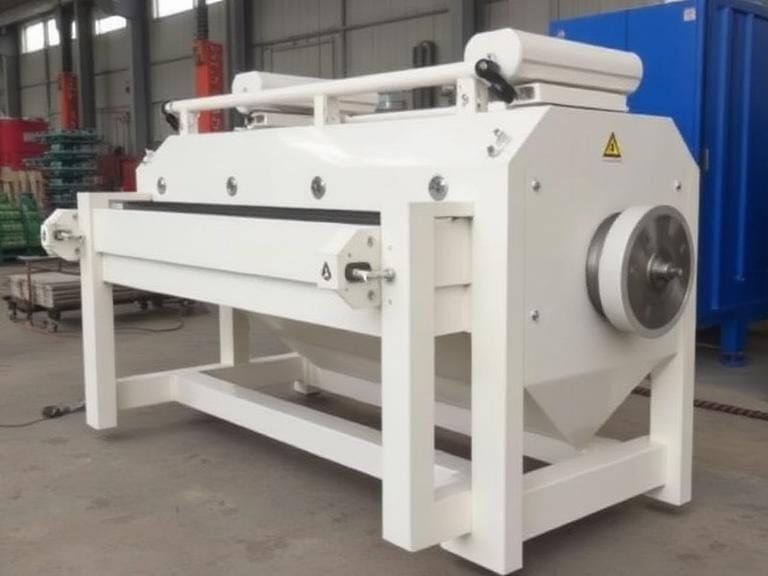
Table of Contents
- Introduction to WHIMS Technology
- The Whims Magnetic Separator Working Principle Explained
- Key Components of a WHIMS System
- Company Spotlight: ORO Mineral Co., Ltd.
- Step-by-Step Separation Process
- Applications in Modern Mineral Beneficiation
- Technical Comparison: WHIMS vs. LIMS
- Optimization and Maintenance Best Practices
- WHIMS Technical Summary Table
- Frequently Asked Questions (FAQs)
- References
Introduction to WHIMS Technology
Magnetic separation has evolved significantly since its inception. While Low Intensity Magnetic Separators (LIMS) are excellent for capturing strongly ferromagnetic materials like magnetite, they often fail when faced with weakly magnetic (paramagnetic) minerals. This is where the Whims magnetic separator working principle comes into play. By combining a high-intensity electromagnetic field with a specialized matrix and a pulsating fluid medium, WHIMS technology allows for the recovery of fine particles that would otherwise be lost to tailings.
The Whims Magnetic Separator Working Principle Explained
The fundamental Whims magnetic separator working principle relies on three primary forces: magnetic force, fluid gravity, and hydrodynamic drag. Unlike dry separators, WHIMS operates in a liquid medium, usually water, which allows for better dispersion of fine particles and prevents the clogging associated with electrostatic charges in dry powders.
The Magnetic Gradient and Matrix
A standard electromagnet produces a uniform magnetic field, but a uniform field is not enough to trap particles. To capture weakly magnetic minerals, a high magnetic gradient is required. WHIMS achieve this by filling the separation chamber with a matrix—typically made of expanded metal, steel wool, or grooved plates. When the background magnetic field is applied, the edges of this matrix concentrate the magnetic flux, creating localized areas of extremely high magnetic intensity.
The Role of Pulsation
Modern WHIMS units incorporate a pulsating mechanism. This vertical vibration of the slurry prevents the “bridge effect,” where non-magnetic particles get trapped between magnetic ones. By keeping the particles in a state of agitation, the Whims magnetic separator working principle ensures that only those with sufficient magnetic susceptibility remain attached to the matrix, while gangue is washed away.
Key Components of a WHIMS System
To fully grasp the Whims magnetic separator working principle, one must understand the hardware that makes it possible. The equipment is a masterpiece of heavy engineering and precision electronics.
- Electromagnetic Coils: These large copper or aluminum coils generate the primary magnetic field. Modern units often use direct water cooling to manage the heat generated by high-amperage currents.
- Swivel Ring (Carousel): In many designs, a vertical or horizontal ring carries the matrix through the magnetic field zones.
- The Matrix: The heart of the machine, usually made of 430-grade magnetic stainless steel, designed to maximize gradient while allowing fluid flow.
- Pulsating Jig: A diaphragm-based system that creates the slurry pulse necessary for high-grade separation.
Company Spotlight: ORO Mineral Co., Ltd.
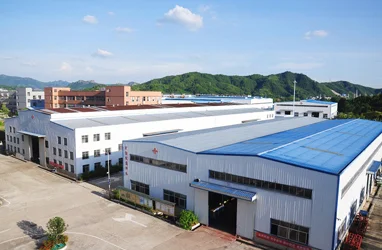
ORO Mineral Co., Ltd. is a large-scale intelligent mineral processing, screening, and sand washing equipment manufacturer integrating R&D, production, and sales. Since 2014, ORO Mineral has made great contributions to every kind of mineral screening, solid waste resource recovery, beneficiation, washing, and separation, and has accumulated rich experience.
In order to offer you better products and services, we have been sparing no effort to improve technology, develop new equipment, and upgrade services. Our commitment to innovation ensures that our clients receive the most advanced separation solutions available in the market.
Our Products Include:
- Dry electromagnetic separator: Ideal for purifying industrial minerals in dry conditions.
- Plate Type Permanent Magnetic Separation Equipment: High-efficiency solutions for tramp iron removal and fine mineral recovery.
- Wet High Intensity Magnetic Separator: Engineered to utilize the Whims magnetic separator working principle for maximum recovery of weakly magnetic ores.
Step-by-Step Separation Process
The actual operation based on the Whims magnetic separator working principle follows a continuous loop that can be broken down into four distinct phases:
1. Feeding and Slurry Dispersion
The raw ore is ground to a fine mesh (typically less than 1mm) and mixed with water to create a slurry. This slurry is fed into the separation chamber where the magnetic matrix is already energized by the electromagnetic coils.
2. Magnetic Capture
As the slurry passes through the matrix, paramagnetic particles (such as hematite or limonite) are attracted to the high-gradient points of the matrix. They “stick” to the steel wool or plates, resisting the force of the flowing water.
3. Tailings Discharge and Pulsation
Non-magnetic particles (quartz, feldspar) pass through the matrix and are discharged as tailings. During this stage, the pulsating jig vibrates the slurry, ensuring that any non-magnetic fines caught mechanically are shaken loose and flushed out.
4. Concentrate Recovery
The swivel ring rotates the matrix out of the high-intensity magnetic zone. Once the magnetic field drops to zero, high-pressure water sprays flush the captured magnetic minerals into the concentrate launder. This completes the cycle of the Whims magnetic separator working principle.
Applications in Modern Mineral Beneficiation
The Whims magnetic separator working principle is applied across various industries where purity is paramount. It is particularly effective for minerals that are only slightly attracted to magnets.
- Iron Ore Beneficiation: Essential for upgrading hematite, goethite, and siderite ores to a high-grade concentrate.
- Rare Earth Elements: Used to concentrate monazite and xenotime, which are vital for modern electronics.
- Industrial Minerals: Purifying quartz sand, feldspar, and kaolin clay by removing iron-bearing mica and tourmaline.
- Manganese and Chromite: Maximizing recovery rates in large-scale mining operations.
Technical Comparison: WHIMS vs. LIMS
When selecting equipment, it is important to understand why the Whims magnetic separator working principle is chosen over simpler LIMS systems. While LIMS uses permanent magnets (around 0.1 to 0.3 Tesla), WHIMS utilizes electromagnets to achieve background fields of 1.0 to 1.8 Tesla. The localized gradient on the matrix can reach even higher levels, making it the only choice for “feebly” magnetic minerals.
Optimization and Maintenance Best Practices
To maintain the efficiency of the Whims magnetic separator working principle, routine maintenance is non-negotiable. The high-intensity environment puts significant stress on the electrical and mechanical components.
- Matrix Cleaning: Over time, the matrix can become clogged with trash or oversized particles. Regular acid washing or high-pressure flushing is required.
- Cooling System Checks: If the electromagnetic coils overheat, the magnetic field strength will drop, directly impacting recovery rates.
- Pulsation Calibration: The frequency and stroke of the pulsation must be tuned to the specific particle size and density of the feed.
WHIMS Technical Summary Table
| Feature | Specification / Value | Impact on Principle |
|---|---|---|
| Magnetic Intensity | 0.8 – 1.8 Tesla | Determines the ability to capture weak minerals. |
| Particle Size Range | 0.038mm – 1.5mm | Ensures effective fluidization within the matrix. |
| Slurry Density | 10% – 40% Solids | Affects hydrodynamic drag and capture efficiency. |
| Pulse Frequency | 0 – 400 rpm (adjustable) | Reduces entrapment of non-magnetic gangue. |
| Matrix Type | Rod, Plate, or Steel Wool | Creates the necessary magnetic gradient. |
Frequently Asked Questions (FAQs)
What is the difference between WHIMS and HGMS?
While both use the Whims magnetic separator working principle of high intensity, HGMS (High Gradient Magnetic Separation) typically uses finer matrices and higher fields, often for ultra-fine clay purification, whereas WHIMS is more common in large-scale metal ore beneficiation.
How much water does a WHIMS unit use?
Water consumption is significant as it acts as both the transport medium and the flushing agent. Modern designs from companies like ORO Mineral utilize air-assisted flushing to reduce water usage by up to 20% compared to traditional models.
Can WHIMS handle dry material?
No, the Whims magnetic separator working principle is strictly for wet slurries. For dry materials, a Dry electromagnetic separator or an induced roll separator would be required.
Does the matrix need frequent replacement?
The matrix is a wear item. Depending on the abrasiveness of the ore, it may need replacement every 6 to 18 months. Using magnetic stainless steel helps extend the lifespan against corrosion.
References
- Wills, B. A., & Finch, J. (2015). Wills’ Mineral Processing Technology: An Introduction to the Practical Aspects of Ore Treatment and Mineral Recovery.
- Eriez Magnetics Technical Library. “Principles of Wet High Intensity Magnetic Separation.”
The Whims magnetic separator working principle continues to be a driving force in sustainable and efficient mining. By harnessing the power of high-intensity magnetic fields and advanced fluid dynamics, operators can achieve purity levels previously thought impossible. At ORO Mineral Co., Ltd., we are proud to provide the technology that powers this transition toward smarter mineral processing.