What tools do you need for gold panning and advanced mineral recovery?
The extraction of precious metals from raw earth relies entirely on the principles of specific gravity and fluid dynamics. Whether you are standing in a remote creek bed or managing a massive commercial wash plant, the core physics remain identical. However, the efficiency of your operation is dictated entirely by your equipment. A question we frequently encounter from ambitious prospectors and emerging commercial operators is precisely what tools do you need for gold panning and how to scale those basic operations into profitable, high-yield mineral processing ventures.
ORO Mineral Co., Ltd. is a large-scale intelligent mineral processing, screening, and sand washing equipment manufacturer integrating R&D, production and sales. Since 2014, ORO Mineral has made great contributions to every kind of mineral screening, solid waste resource recovery, beneficiation, washing, and separation, and has accumulated rich experience. We understand that every major mining operation begins with manual sampling and site testing. In order to offer you better products and services, we have been sparing no effort to improve technology, develop new equipment, and upgrade services.
In this comprehensive technical guide, we will outline exactly what tools do you need for gold panning at the artisanal level, and more importantly, how to transition those manual techniques into large-scale, automated gravity separation utilizing professional machinery.
Table of Contents
- Basic Manual Equipment: What tools do you need for gold panning?
- Site Preparation and Material Classification
- Summary Table: Handheld vs. Industrial Processing Tools
- Scaling Up: Transitioning to Intelligent Mineral Processing
- Professional Equipment for High-Yield Recovery
- From Our Experience: Optimizing Your Recovery Flow
- Frequently Asked Questions (FAQs)
- Industry References
Basic Manual Equipment: What tools do you need for gold panning?
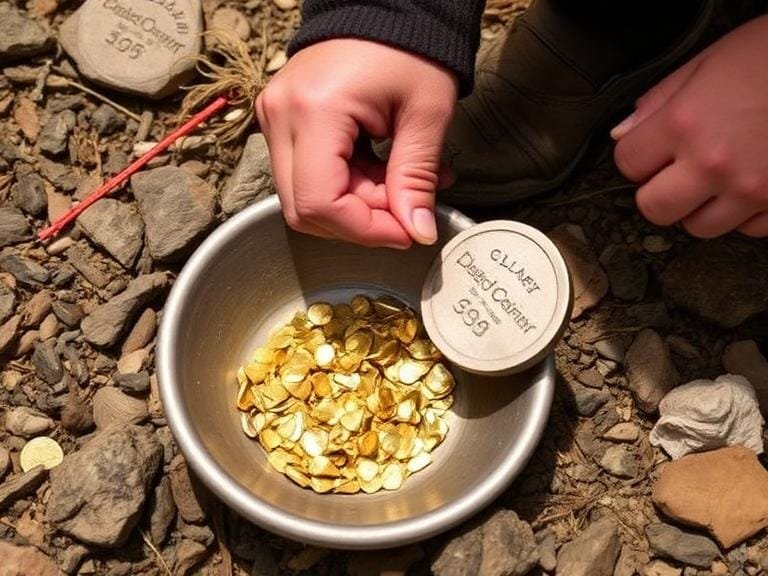
When assessing a new claim or engaging in artisanal extraction, knowing what tools do you need for gold panning is critical to ensuring you do not lose fine micron-gold during the washing process. The manual pan acts as a miniature centrifugal concentrator. By agitating the water and soil mixture, the heavy specific gravity of the precious metal (19.3 g/cm3) causes it to settle beneath the lighter silts and sands (quartz averages 2.65 g/cm3).
If you are determining what tools do you need for gold panning, start with the following essentials:
- The Prospector’s Pan: Modern pans are constructed from high-impact plastic featuring deep drop-center profiles and aggressive riffle traps. We recommend green or black pans to provide maximum visual contrast against fine gold flakes.
- Classifiers (Grizzly Screens): You cannot efficiently process raw, unclassified river gravel. A set of classifiers (typically 1/2 inch and 1/4 inch mesh) is placed over a standard 5-gallon bucket to screen out large rocks and debris before the material ever enters your pan.
- Snuffer Bottles: Once the material is reduced to black sand and fine gold, separating it by hand is inefficient. A snuffer bottle operates via a vacuum seal, allowing you to carefully suck the clean gold out of the water directly from the pan’s crease.
- Crevice Tools and Bedrock Brushes: Gold travels along the path of least resistance and settles into bedrock fractures. Long metal crevice tools, pry bars, and stiff-bristled brushes are required to extract the highly concentrated paydirt trapped in these geological features.
Site Preparation and Material Classification
Before you ever touch water, understanding what tools do you need for gold panning includes site excavation equipment. Moving earth requires durable, ergonomic tools. A round-point shovel is necessary for digging into compacted riverbanks, while a specialized hand-dredge (a manual suction pump) is incredibly effective for pulling concentrated material out of submerged bedrock crevices where a shovel cannot reach.
From our experience, the single biggest mistake amateur prospectors make is failing to properly classify their material. Attempting to pan a mixture containing heavy river cobbles alongside microscopic gold flakes will result in the larger rocks pushing the fine gold out of the pan. Proper classification ensures that the particles competing against the water’s kinetic energy are of a uniform size, allowing the specific gravity to be the sole determining factor in the separation process.
Summary Table: Handheld vs. Industrial Processing Tools
To illustrate the technological leap from manual sampling to commercial production, we have compiled a summary table comparing what tools do you need for gold panning by hand versus what is required for high-capacity continuous recovery.
| Process Stage | Manual Panning Tools | ORO Mineral Industrial Equipment |
|---|---|---|
| Material Washing & Scrubbing | 5-Gallon Buckets & Manual Agitation | Sand Washing Machine 100 TPH Long Life |
| Primary Gravity Separation | 14-Inch Riffled Plastic Pan | Gravity Spiral Chute Separator |
| Fine Concentration | Careful Swirling & Backwashing | Gravity Spiral Concentrator |
| Black Sand (Magnetite) Removal | Handheld Neodymium Magnet | 1.1kw Belt Magnetic Separator |
| Non-Ferrous Waste Sorting | Manual Visual Sorting | Eddy Current Separator Machine |
Scaling Up: Transitioning to Intelligent Mineral Processing
Once a site has been proven via manual sampling, the question shifts from what tools do you need for gold panning to what machinery is required for profitable bulk processing. Manual panning processes roughly 0.1 tons of material per hour. To achieve commercial viability, operations must process tens or hundreds of tons per hour.
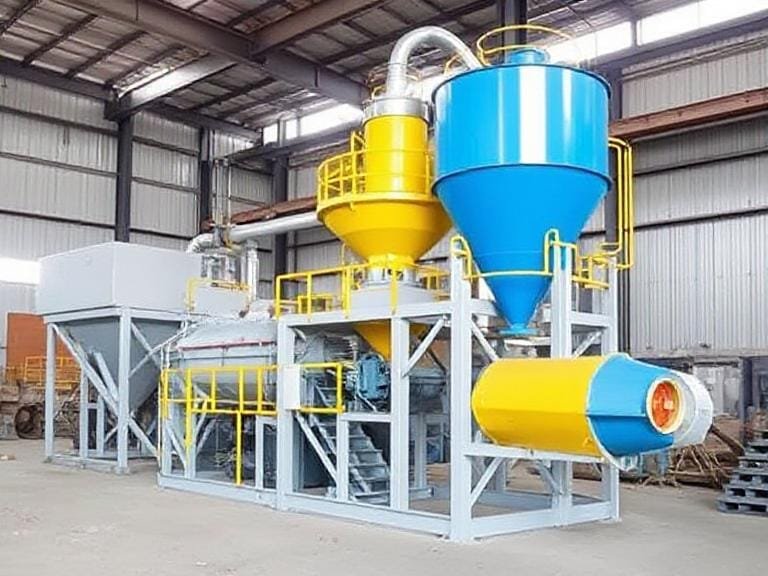
This is where ORO Mineral Co., Ltd. bridges the gap. As a large-scale intelligent mineral processing, screening, and sand washing equipment manufacturer integrating R&D, production and sales, we engineer systems that replicate the physics of the manual gold pan but on a massive, continuous scale. Since 2014, ORO Mineral has made great contributions to every kind of mineral screening, solid waste resource recovery, beneficiation, washing, and separation, and has accumulated rich experience handling complex placer and hard rock deposits globally.
Professional Equipment for High-Yield Recovery
To transition into industrial recovery, we recommend integrating the following specialized equipment into your wash plant circuit.
Sand Washing Machine 100 TPH Long Life
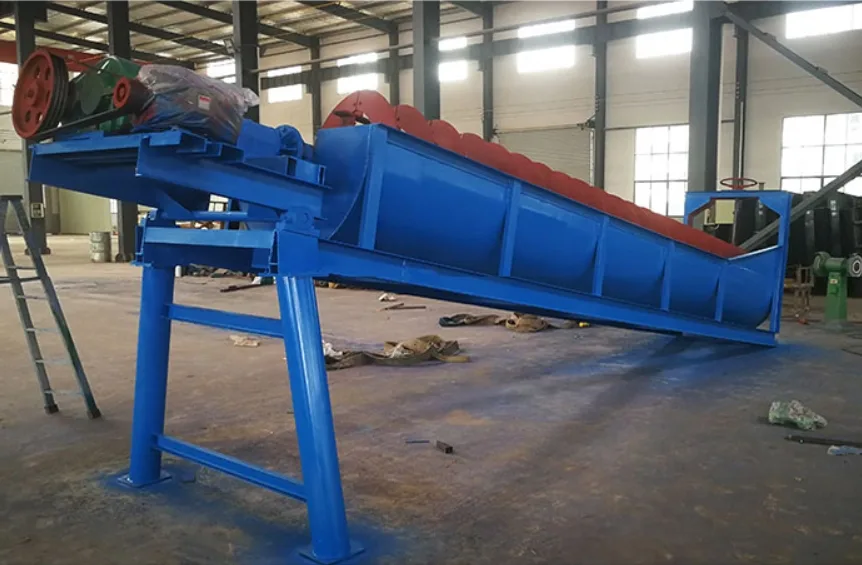
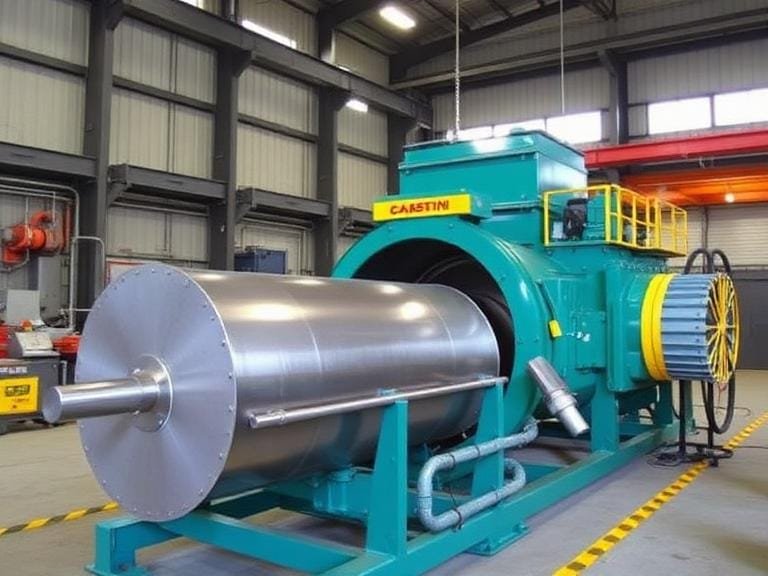
In manual panning, you use your hands to break apart clay clods that might trap gold particles. On a commercial scale, clay is the enemy of recovery. Our Sand Washing Machine 100 TPH Long Life acts as the primary scrubber. It utilizes aggressive mechanical agitation and water pressure to break down heavy clays and wash the raw paydirt. Engineered for continuous operation under severe conditions, this machine ensures that the material entering the gravity separators is completely liberated, clean, and ready for accurate sizing.
Gravity Spiral Concentrator & Gravity Spiral Chute Separator
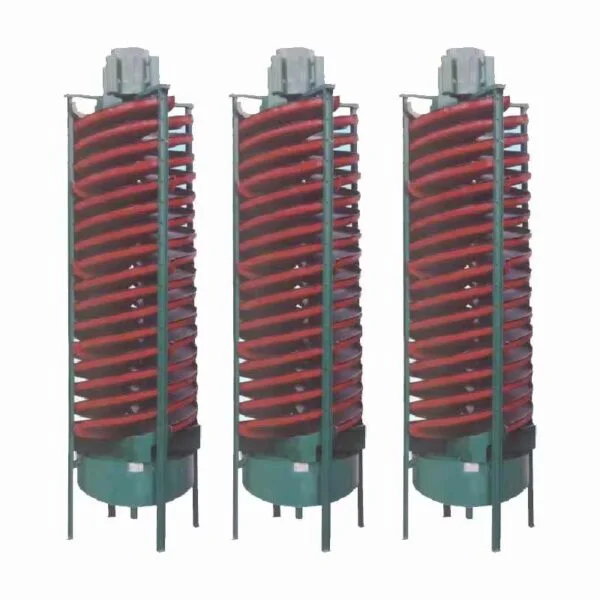
When you ask what tools do you need for gold panning, the pan itself relies on centrifugal force. Our Gravity Spiral Chute Separator and Gravity Spiral Concentrator automate this exact physical process. As the slurry (water and soil) flows down the helical chute, centrifugal force pushes the lighter, lower-density waste material to the outer edge of the spiral. The heavy precious metals drag along the inner edge and are collected through highly precise splitter ports. These machines require no electricity to operate the separation process—only the energy required to pump the slurry to the top—making them incredibly cost-effective for remote mining sites.
1.1kw Belt Magnetic Separator
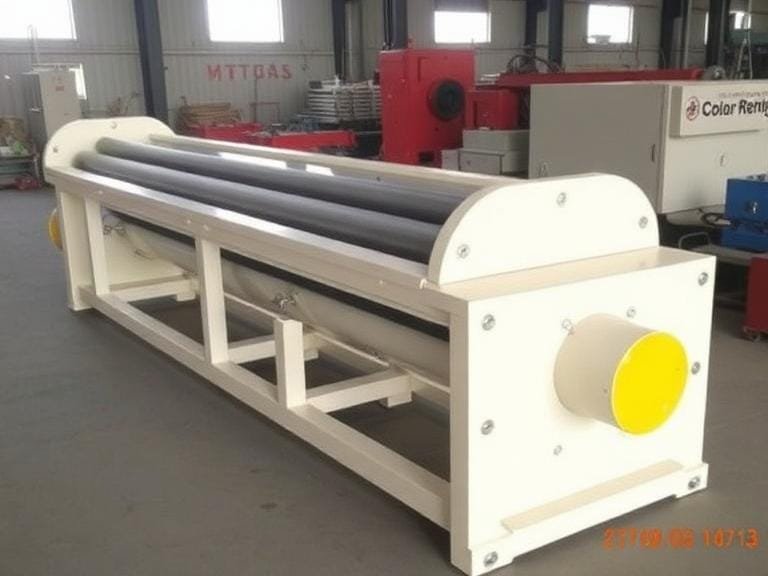
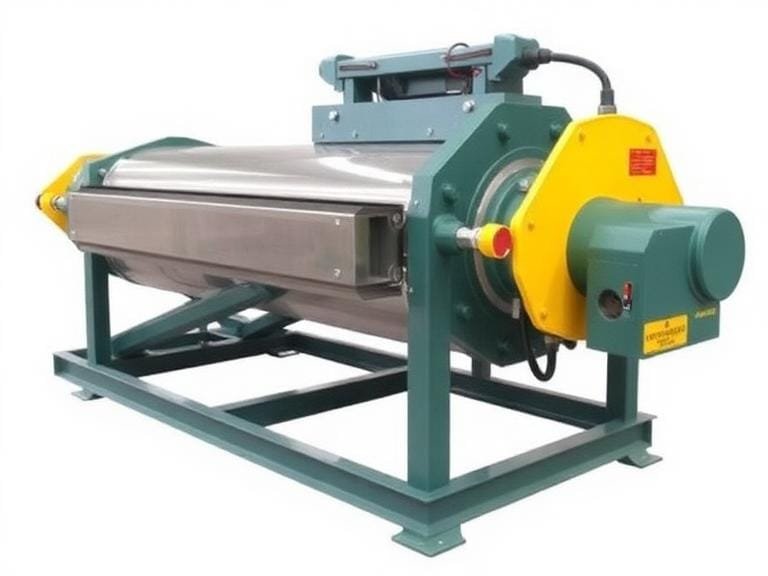
One of the most frustrating elements of finalizing a gold pan is dealing with black sand (magnetite and hematite). Because black sand is extremely heavy, it settles alongside the gold. Our 1.1kw Belt Magnetic Separator eliminates this bottleneck in commercial operations. By passing the concentrated material under a high-intensity magnetic belt, the ferrous black sand is automatically lifted and discharged away from the precious non-ferrous gold, resulting in a highly purified final concentrate.
Eddy Current Separator Machine
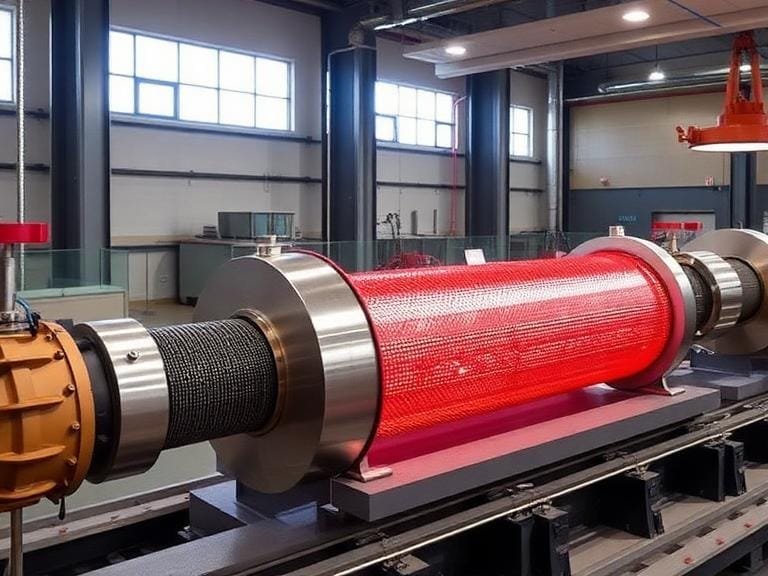
For operations dealing with complex urban mining, slag processing, or solid waste resource recovery, separating non-ferrous metals from inert materials is critical. The Eddy Current Separator Machine utilizes a rapidly rotating magnetic rotor to induce an electrical current (eddy current) within conductive, non-ferrous metals (like copper, aluminum, and certain gold alloys). This current creates its own magnetic field that repels the metal, launching it over a splitter plate while inert rock and plastic fall straight down. This is intelligent mineral processing at its finest.
From Our Experience: Optimizing Your Recovery Flow
We recommend a holistic approach to circuit design. From our experience, bolting together random pieces of equipment leads to severe recovery losses. In order to offer you better products and services, we have been sparing no effort to improve technology, develop new equipment, and upgrade services.
Your process should follow a strict chronological flow: Excavation → Primary Washing and Classification (Sand Washing Machine) → Primary Roughing Concentration (Gravity Spiral Chute Separator) → Cleaning and Upgrading (Gravity Spiral Concentrator) → Final Purification (1.1kw Belt Magnetic Separator). By maintaining precise water-to-solids ratios and strict classification metrics throughout this circuit, you ensure maximum retention of ultra-fine gold particles.
Frequently Asked Questions (FAQs)
Industry References
1. Society for Mining, Metallurgy & Exploration (SME). (2025). “Fundamentals of Gravity Concentration and Placer Deposit Extraction.”
2. International Journal of Mineral Processing. “Evaluating Magnetic and Eddy Current Technologies in Solid Waste Resource Recovery.”