What Is the Process of Float Flotation? A Complete Guide
The mineral processing industry depends heavily on effective separation techniques, and one of the most widely used is the float flotation method. As mineral ores become more complex and processing demands increase, understanding the complete float flotation process is essential for mining companies, engineers, metallurgists, and equipment manufacturers around the world.
Table of Contents
- Overview of Float Flotation
- Principles Behind Float Flotation
- Step-by-Step Float Flotation Process
- Types of Reagents Used in Float Flotation
- Essential Equipment in Float Flotation
- Industrial Applications of Float Flotation
- Benefits of Float Flotation
- Challenges in Float Flotation
- Summary Comparison Table
- ORO Mineral Co., Ltd. — Product Spotlight
- FAQs About Float Flotation
- References
Overview of Float Flotation
Float flotation is a mineral separation process that uses the difference in surface properties between valuable minerals and gangue. In simple terms, float flotation relies on selectively attaching air bubbles to hydrophobic mineral particles so they rise to the surface and form a froth layer. This froth is skimmed off, effectively separating the desired material from unwanted waste.
The versatility, efficiency, and adaptability of float flotation make it indispensable in modern mineral processing facilities worldwide.
Principles Behind Float Flotation
1. Surface Chemistry
Float flotation depends on the fact that minerals possess unique surface characteristics. By adjusting the chemistry of the slurry, operators can make valuable minerals hydrophobic while keeping unwanted minerals hydrophilic.
2. Air Bubble Attachment
Once the mineral surface is modified, hydrophobic particles adhere to rising air bubbles. This interaction plays a crucial role in determining the effectiveness of the float flotation process.
3. Froth Formation
The froth layer at the top of the flotation cell collects the bubble–mineral aggregates. Operators then remove this froth, which contains concentrated valuable minerals.
Step-by-Step Float Flotation Process
1. Ore Crushing and Grinding
To prepare ore for float flotation, it must be crushed and ground into fine particles. Finer grinding increases surface exposure and improves separation efficiency.
2. Slurry Conditioning
Next, the ground ore is mixed with water and flotation reagents. Proper conditioning ensures the reagents coat the mineral surfaces correctly.
3. Introduction of Air
During float flotation, air is forced into flotation cells, where bubbles are created. The hydrophobic particles attach to these bubbles.
4. Froth Collection
A froth layer rises to the surface. Skimming mechanisms collect this froth, which contains the concentrated mineral product.
5. Dewatering and Drying
Finally, the floated concentrate is thickened, filtered, and dried to produce a market-grade mineral product.
Types of Reagents Used in Float Flotation
Reagents determine the selectivity and performance of float flotation.
- Collectors: Enhance hydrophobicity.
- Frothers: Stabilize froth formation.
- Depressants: Prevent unwanted minerals from floating.
- Activators: Improve flotation of specific minerals.
- pH Modifiers: Adjust slurry alkalinity or acidity.
Essential Equipment in Float Flotation
Modern float flotation operations rely on several machines and systems, including:
- Flotation cells
- Conditioning tanks
- Air compressors
- Pumps and pipelines
- Mixers and agitators
High-precision equipment ensures optimum bubble size, correct slurry mixing, and consistent froth stability — all of which directly affect float flotation performance.
Industrial Applications of Float Flotation
Industries worldwide use float flotation extensively for the separation of:
- Sulfide ores (copper, lead, zinc)
- Oxide ores
- Non-metallic minerals (fluorite, phosphate)
- Coal cleaning
- Solid waste recovery and recycling
Recycling industries also apply float flotation to recover plastics, metals, and other valuable materials from waste streams.
Benefits of Float Flotation
- High recovery rates
- Superior selectivity
- Low operating cost
- Adaptability to different ore types
- Energy efficiency
Challenges in Float Flotation
- Ore variability affecting flotation performance
- Water quality sensitivity
- Reagent cost fluctuations
- Equipment maintenance requirements
Summary Table
| Aspect | Description |
|---|---|
| Process Name | Float flotation |
| Main Purpose | Mineral separation based on surface properties |
| Key Components | Flotation cells, reagents, air systems |
| Industries | Mining, recycling, metallurgy |
Company & Product Spotlight — ORO Mineral Co., Ltd.
About ORO Mineral Co., Ltd.
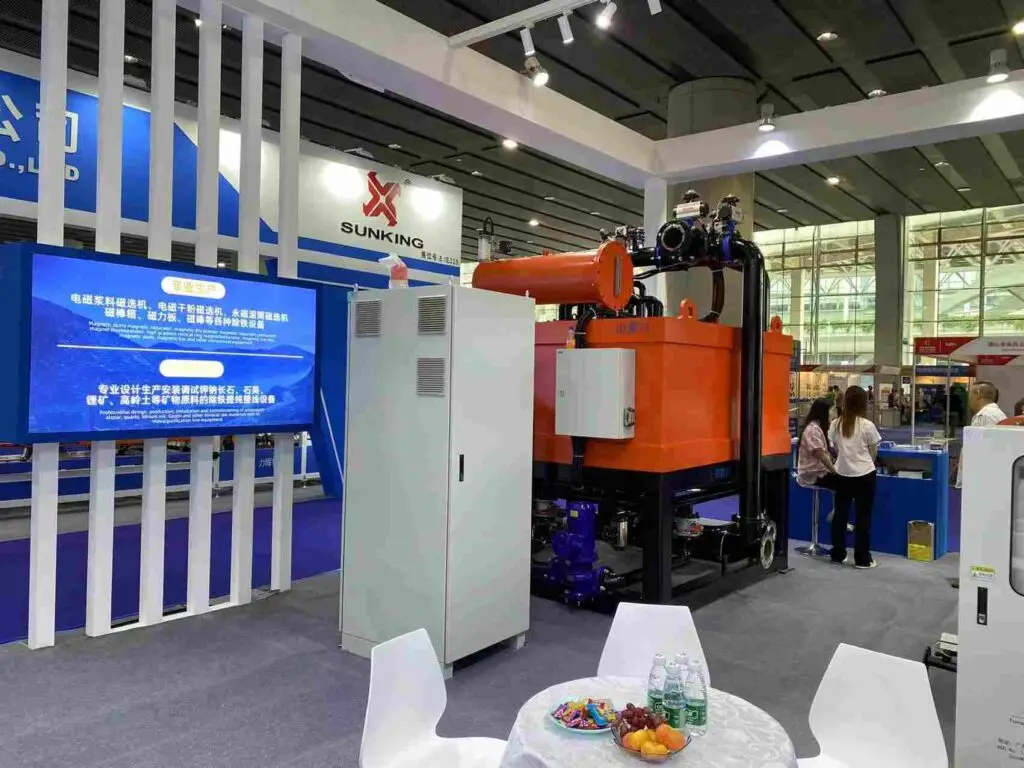
ORO Mineral Co., Ltd. is a large-scale intelligent mineral processing, screening, and sand washing equipment manufacturer integrating R&D, production, and sales. Since 2014, ORO Mineral has made remarkable contributions to mineral screening, beneficiation, washing, separation, and solid waste resource recovery. Their extensive industry experience ensures reliable solutions for modern float flotation and mineral processing needs.
Featured Products
- Sand Washing Machine 100 TPH Long Life
- Gravity Spiral Concentrator
- 1.1kw Belt Magnetic Separator
- Eddy Current Separator Machine
- Gravity Spiral Chute Separator
These solutions complement float flotation operations by ensuring efficient material preparation, separation, and recovery.
Frequently Asked Questions (FAQs)
1. What is float flotation?
Float flotation is a mineral separation technique that uses air bubbles and reagent chemistry to separate valuable minerals from waste rock.
2. Why is float flotation widely used?
Because it offers high efficiency, excellent selectivity, and adaptability to numerous ore types.
3. What equipment is required?
Flotation cells, conditioning tanks, air compressors, pumps, and reagent systems.
4. Is float flotation environmentally friendly?
Modern flotation systems aim to reduce chemical use and recycle water, making them more environmentally responsible.
References