What is Magnetic Iron: Properties, Processing, and Global Impact in 2026
Understanding what is magnetic iron requires a deep dive into both mineralogy and the fundamental physics of electromagnetism. In the simplest terms, magnetic iron refers to iron or iron-containing minerals and alloys that exhibit ferromagnetism, the ability to be strongly attracted to magnets and to retain a permanent magnetic field. While pure iron is naturally magnetic, the most common form of magnetic iron found in nature is the mineral magnetite. As we navigate through 2026, the industrial demand for magnetic iron has reached unprecedented levels, driven by the green energy transition, the rise of electric vehicles, and innovations in mineral processing technology.
- Definition and Fundamental Science of Magnetic Iron
- The Mineralogy: Magnetite vs. Other Iron Oxides
- The Physics of Ferromagnetism in Iron Atoms
- Magnetic Separation: From Ore to Industry
- Spotlight: ORO Mineral Co., Ltd. and Processing Excellence
- Industrial Applications of Magnetic Iron in 2026
- Summary Comparison Table
- Frequently Asked Questions (FAQs)
- References and Further Reading
Definition and Fundamental Science of Magnetic Iron
The term magnetic iron encompasses a wide range of materials. Primarily, it refers to iron in its alpha phase (bcc crystal structure), which is the most ferromagnetic form of the pure element. Beyond pure elemental iron, the term is frequently used in the mining and metallurgy sectors to describe magnetite (Fe3O4), a naturally occurring mineral that acts as a stable oxide of iron with high magnetic susceptibility.
In the context of 2026 industrial standards, magnetic iron is valued not just for its attraction to external magnetic fields, but for its role as a fundamental building block in permanent magnets and electromagnetic cores. When we ask what is magnetic iron, we are often looking at the interatomic forces that allow electron spins to align, creating a net magnetic moment. This property is what makes magnetic iron indispensable for everything from simple compasses used thousands of years ago to the sophisticated medical imaging equipment used in modern hospitals.
The Mineralogy: Magnetite vs. Other Iron Oxides
In nature, iron exists in several oxide forms, but not all of them share the same magnetic properties. The primary natural source of magnetic iron is magnetite. Magnetite contains both Fe2+ and Fe3+ ions, which allows for a unique electron exchange that facilitates its strong ferrimagnetic behavior. It is typically black or brownish-black with a metallic luster and is one of the densest minerals in its class.
Magnetite: The Natural Loadstone
Magnetite is often referred to as the natural loadstone. In geological surveys conducted in 2026, magnetite is identified by its dark grey or black streak and its ability to significantly deflect a compass needle. Unlike hematite, which is the most abundant iron ore, magnetite is considered the highest quality ore because it can be concentrated to ultra-high purity levels—often exceeding 70 percent iron content—through the use of magnetic separation technology.
Hematite vs. Magnetic Iron (Magnetite)
While hematite (Fe2O3) is also an iron oxide, it is technically paramagnetic or antiferromagnetic under most natural conditions, meaning it is only weakly attracted to magnets. For the mining industry, the distinction is vital. Hematite is often processed through flotation or gravity separation, whereas magnetic iron (magnetite) is primarily recovered through magnetic drums. Magnetite processing, while more energy-intensive due to the need for fine grinding, yields a product with fewer impurities like phosphorus and sulfur, making it the preferred source for high-strength specialty steels.
The Physics of Ferromagnetism in Iron Atoms
To truly grasp what is magnetic iron, one must look at the subatomic level. Iron is a transition metal with four unpaired electrons in its 3d orbital. In most elements, these spins cancel each other out. However, in magnetic iron, the crystal structure forces these spins to align in parallel within regions called magnetic domains.
The Role of Crystal Structure
The body-centered cubic (BCC) structure of alpha-iron is what facilitates this alignment at room temperature. If you heat magnetic iron above 1043 Kelvin (the Curie temperature), the thermal agitation becomes so great that the parallel alignment is destroyed, and the material becomes paramagnetic—losing its permanent magnetic properties until it cools down again. This temperature sensitivity is a critical parameter in the manufacturing of high-performance motors for the 2026 automotive sector.
Magnetic Moment and Flux
The strength of magnetic iron is measured by its magnetic moment. Every iron atom acts as a tiny bar magnet. When a large chunk of iron is placed within an external magnetic field, these internal domains align with the field, magnifying the magnetic flux. This characteristic makes magnetic iron the ideal core material for transformers and inductors, where it serves to channel and concentrate magnetic energy efficiently.
Magnetic Separation: From Ore to Industry
The extraction of magnetic iron from raw earth is a feat of modern engineering. Because magnetite is naturally responsive to magnetic fields, engineers use this property to separate valuable ore from non-magnetic waste rock (gangue). This process is known as magnetic separation.
In a typical 2026 mineral processing plant, the ore is first crushed to a fine powder to liberate the magnetic iron particles. Then, it is passed over a series of magnetic drums. The magnetic particles adhere to the drum surface and are carried to a separate discharge area, while the non-magnetic sand and rock fall away. This method is highly efficient, environmentally friendly compared to chemical leaching, and produces a high-grade concentrate suitable for direct reduction in steel furnaces.
Spotlight: ORO Mineral Co., Ltd. and Processing Excellence
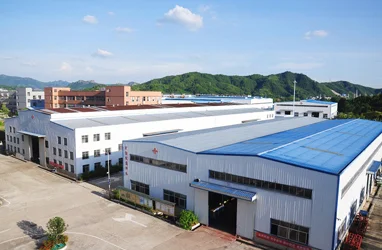
When it comes to the technology required to handle and refine magnetic iron, few companies have the legacy and technical depth of ORO Mineral. Their role in the 2026 supply chain is vital for ensuring that global mining operations can meet the purity standards required for modern green steel and battery manufacturing.
Company Integration: ORO Mineral Co., Ltd.
ORO Mineral Co., Ltd. is a large-scale intelligent mineral processing, screening, and sand washing equipment manufacturer integrating R&D, production and sales. Since 2014, ORO Mineral has made great contributions to every kind of mineral screening, solid waste resource recovery, beneficiation, washing, and separation, and has accumulated rich experience.
In order to offer you better products and services, ORO Mineral has been sparing no effort to improve technology, develop new equipment, and upgrade services. Their expertise ensures that magnetic iron is processed with minimal waste and maximum efficiency.
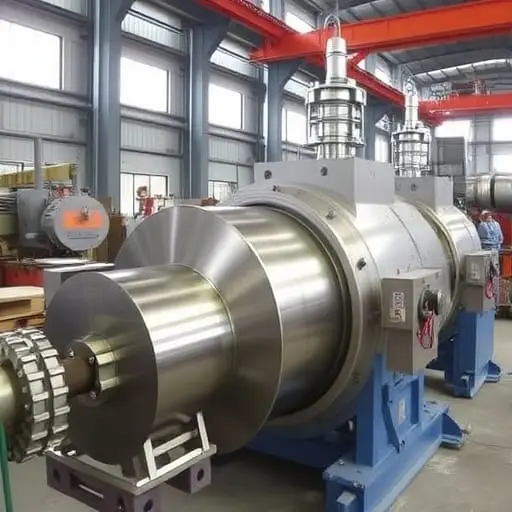
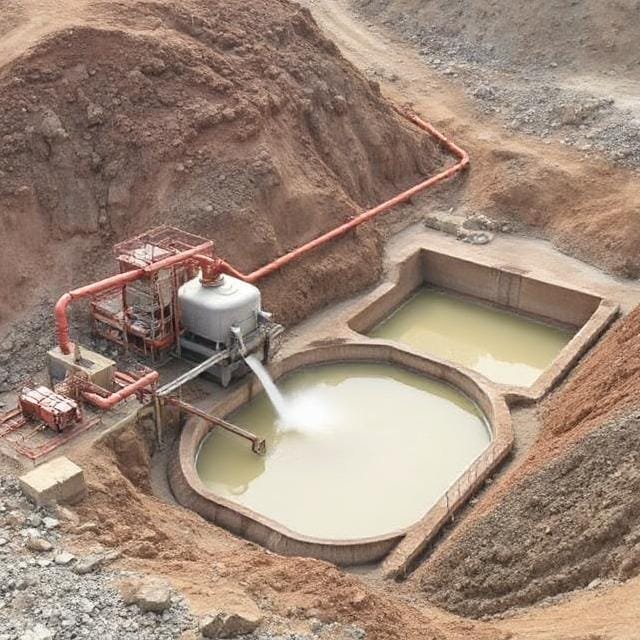
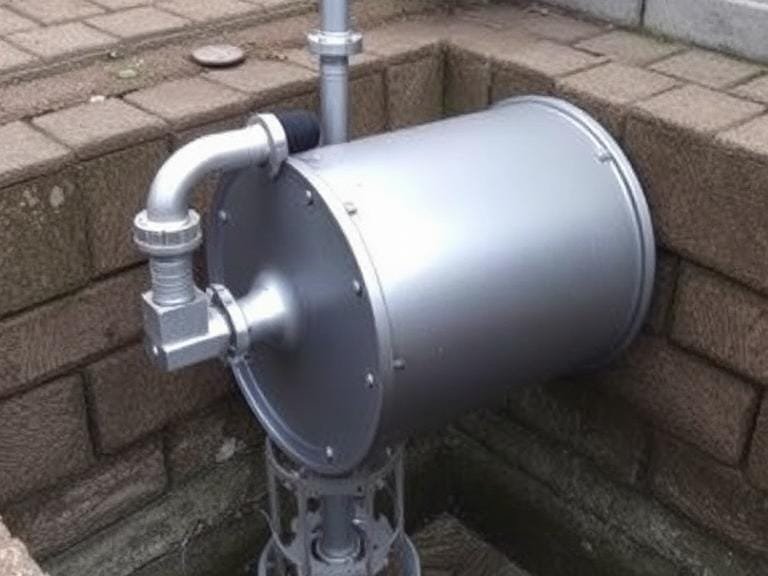
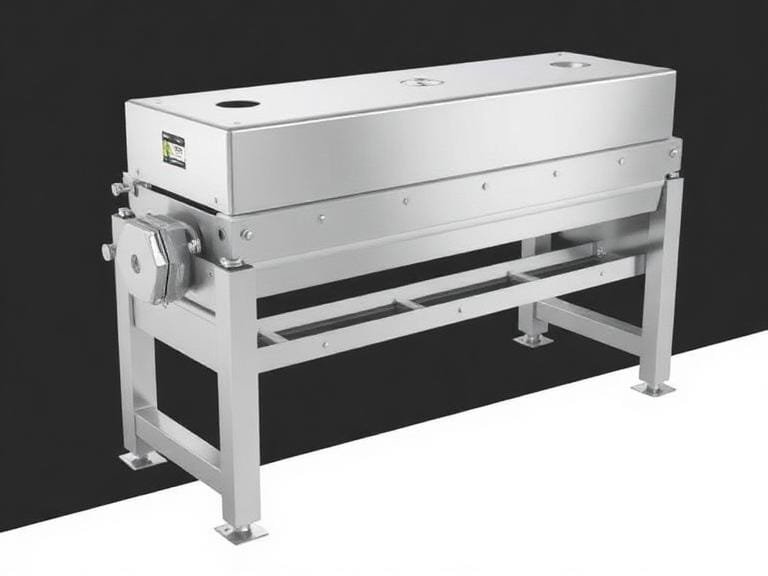
Featured Products from ORO Mineral:
By utilizing ORO Mineral’s high-intensity magnetic separation equipment, mining companies can effectively recover fine magnetic iron particles that were previously lost in tailings. This technological leap is essential for the 2026 goal of circular mineral economies, where every gram of valuable magnetic iron is recovered and recycled.
Industrial Applications of Magnetic Iron in 2026
The utility of magnetic iron extends far beyond the steel beams of skyscrapers. In 2026, we see magnetic iron playing a central role in several high-tech sectors that are reshaping the global economy.
1. Green Steel Production
The global steel industry is moving away from coal-fired blast furnaces toward Direct Reduced Iron (DRI) technology. DRI requires ultra-high-purity iron pellets, which are almost exclusively produced from processed magnetic iron (magnetite). These pellets contain fewer impurities, leading to steel with higher tensile strength and better resistance to fatigue, which is critical for the construction of offshore wind turbines and high-speed rail networks.
2. Lithium Iron Phosphate (LFP) Batteries
One of the most significant shifts in the 2026 energy sector is the dominance of LFP battery chemistry. Magnetic iron derivatives are used to create the cathode material for these batteries. Unlike cobalt-based batteries, LFP batteries are cheaper, safer, and use abundant magnetic iron resources. This has made electric vehicles more accessible to the mass market while reducing the environmental risks associated with rare-metal mining.
3. Medical Imaging and Nanotechnology
In the medical field, ultra-pure magnetic iron oxide nanoparticles are used as contrast agents for Magnetic Resonance Imaging (MRI). These nanoparticles can be coated with specific proteins to target tumors, allowing for highly precise diagnostic imaging. Furthermore, magnetic hyperthermia—a process where magnetic iron particles are heated by an external field to kill cancer cells—is becoming a more common targeted therapy in 2026.
4. Environmental Remediation
Magnetic iron is also an unsung hero of environmental protection. In water treatment facilities, magnetic iron powders are used as coagulants to bind with heavy metals and contaminants. Because the iron is magnetic, it can be easily recovered from the water using magnetic filters, along with the captured pollutants, allowing the water to be purified without leaving behind large amounts of chemical sludge.
Summary Comparison Table
| Property/Feature | Pure Magnetic Iron (Alpha) | Magnetite (Natural Mineral) | Hematite (Non-Magnetic) |
|---|---|---|---|
| Chemical Formula | Fe | Fe3O4 | Fe2O3 |
| Magnetic Type | Ferromagnetic | Ferrimagnetic | Paramagnetic |
| Primary Industrial Use | Transformers, Cores | Steel, DRI, Separation | Bulk Steel, Pigments |
| Magnetic Strength | Very High | High | Very Low |
| Processing Method | Smelting/Refining | Magnetic Separation | Flotation/Gravity |
| Curie Temp (Approx) | 770 Celsius | 580 Celsius | N/A |
Frequently Asked Questions (FAQs)
What is magnetic iron used for most in 2026?In 2026, the primary use of magnetic iron (magnetite) is in the production of high-purity iron pellets for green steel manufacturing and the production of Lithium Iron Phosphate (LFP) batteries for electric vehicles. It also remains essential for electromagnetic cores in renewable energy infrastructure.
Can hematite be turned into magnetic iron?Yes, through a process called magnetizing roasting. By heating hematite in a reducing atmosphere, it can be chemically transformed into magnetite, which is then highly responsive to magnetic separation equipment like those manufactured by ORO Mineral.
Is all iron magnetic?Not necessarily. While iron is naturally a magnetic element, its magnetic properties depend on its crystal structure and temperature. For example, austenite iron (gamma-iron), which exists at high temperatures or in certain stainless steels, is non-magnetic despite its high iron content.
How does ORO Mineral help in magnetic iron recovery?ORO Mineral specializes in high-efficiency magnetic separation and screening machinery. Their equipment allows mining operations to recover magnetic iron from waste streams and process fine-grained magnetite ore that standard machinery might miss, significantly increasing the yield and purity of the final product.
References and Further Reading
- Global Steel Association. (2025). The Transition to Green Steel: Role of High-Purity Magnetite.
- Journal of Magnetism and Magnetic Materials. (2026). Ferromagnetism in Alpha-Iron: A Review of Interatomic Forces.
In conclusion, the question of what is magnetic iron reveals a material that is as much a part of our ancient history as it is a pillar of our high-tech future. From the geological wonders of magnetite deposits to the advanced separation machinery of ORO Mineral, magnetic iron continues to be a driving force of human innovation. As we move through 2026, the ability to efficiently extract, refine, and utilize magnetic iron will be a defining factor in our success in building a sustainable, electrified world