What is a Cross Belt Magnetic Separator? The Comprehensive Industrial Guide
In the vast and complex world of material handling, mining, and recycling, the purity of the end product and the protection of processing machinery are paramount. Contamination by tramp iron—unwanted ferrous metal pieces—can cause catastrophic damage to crushers, grinders, and conveyor belts. This is where the Cross belt magnetic separator enters the equation as an indispensable guardian of industrial efficiency.
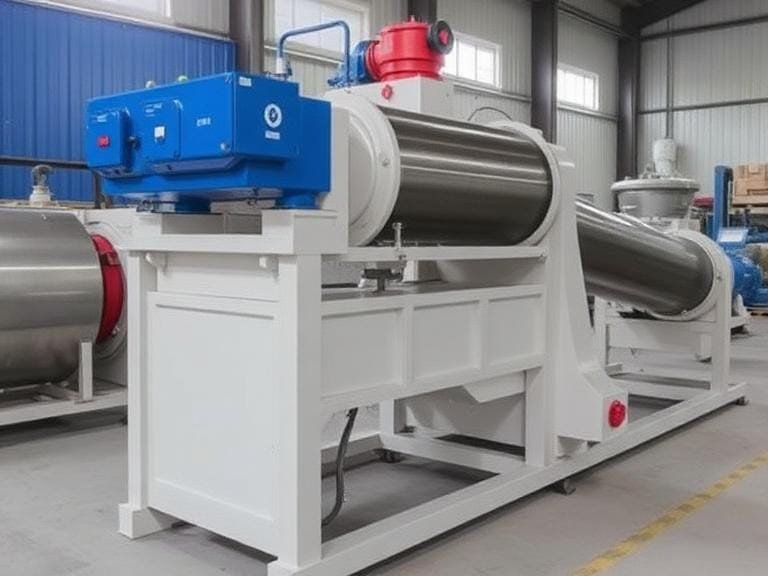
A Cross belt magnetic separator is a powerful magnetic device suspended across a conveyor belt to automatically extract ferrous materials from a non-magnetic product flow. It is the unsung hero in coal mines, cement plants, and recycling facilities, ensuring that operations run smoothly without costly downtime. But how exactly does it function, and what distinguishes high-quality equipment from the rest? In this extensive guide, we will delve deep into the mechanics, applications, and technological advancements of the Cross belt magnetic separator, providing you with the knowledge needed to optimize your processing lines.
Table of Contents
- 1. Understanding the Cross Belt Magnetic Separator
- 2. How Does a Cross Belt Magnetic Separator Work?
- 3. Types of Magnetic Separators: Permanent vs. Electromagnetic
- 4. Key Industrial Applications
- 5. Advantages of Implementing Cross Belt Separators
- 6. Manufacturer Spotlight: ORO Mineral Co., Ltd.
- 7. Technical Specifications and Selection Criteria
- 8. Installation and Maintenance Best Practices
- 9. Future Trends in Magnetic Separation
- 10. Summary Comparison Table
- 11. Frequently Asked Questions (FAQs)
- 12. References
1. Understanding the Cross Belt Magnetic Separator
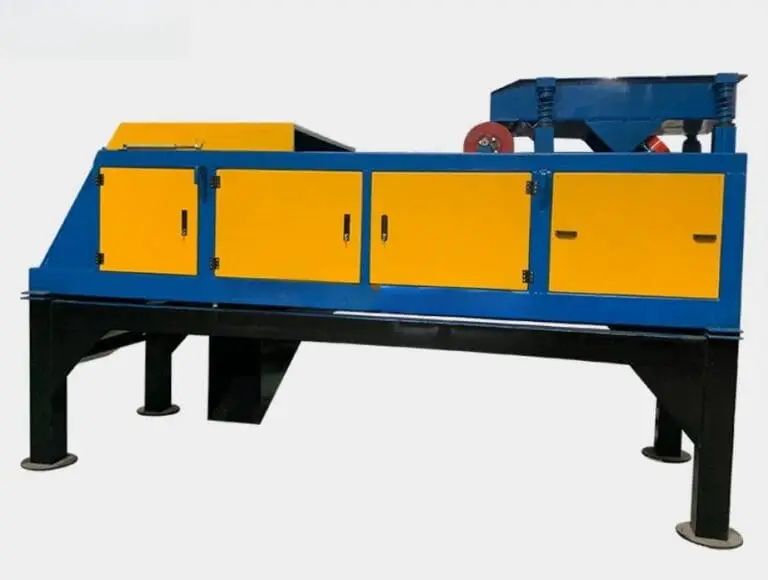
The Cross belt magnetic separator, often referred to as an overband magnet, is designed for the continuous removal of tramp ferrous material from a product stream. Unlike simple magnetic plates that require manual cleaning, the cross belt design is self-cleaning. It features a heavy-duty belt that rotates around a powerful magnet box, physically carrying the captured metal away from the main conveyor and discharging it into a collection bin.
This equipment is critical because “tramp iron”—which includes stray nuts, bolts, wire, and broken machinery parts—is pervasive in raw materials. If a Cross belt magnetic separator is not employed, this metal can enter downstream equipment like crushers. A single piece of hardened steel can shatter a crusher’s teeth, leading to tens of thousands of dollars in repairs and lost production time. Therefore, the Cross belt magnetic separator acts as both a purification tool and an insurance policy for your machinery.
2. How Does a Cross Belt Magnetic Separator Work?
The operational principle of a Cross belt magnetic separator is based on deep magnetic field penetration. The unit is typically suspended “crosswise” (perpendicular) over the main conveyor belt carrying the material.
The Magnetic Circuit
At the core of the separator is a static magnet system. This can be either a permanent magnet block (using ferrite or rare earth materials) or an electromagnetic coil. This core generates a magnetic field that projects downwards, penetrating through the material burden on the conveyor belt below.
The Extraction Process
- Attraction: As the raw material passes under the Cross belt magnetic separator, the magnetic field attracts any ferrous metal hidden within the burden. The force lifts the metal up out of the material stream, defying gravity.
- Capture: The metal is pulled firmly against the separator’s running belt. This belt is equipped with cleats or slats to ensure the metal is gripped securely.
- Discharge: The separator’s belt moves continuously across the main conveyor. It transports the captured tramp iron away from the magnetic field’s influence. Once the metal passes the edge of the conveyor, it drops off into a chute or bin, completing the separation process.
This continuous cycle ensures that the Cross belt magnetic separator does not require downtime for cleaning, making it ideal for 24/7 industrial operations.
3. Types of Magnetic Separators: Permanent vs. Electromagnetic
When selecting a Cross belt magnetic separator, the primary decision lies between permanent and electromagnetic power sources. Both have distinct advantages depending on the application.
Permanent Magnetic Separators
These units utilize ceramic (ferrite) or rare earth (neodymium) magnets to generate the field.
Pros: No power is required to generate the magnetic field (only for the belt motor), resulting in lower operating costs. They maintain constant strength and are virtually maintenance-free regarding the magnetic block.
Cons: The magnetic field cannot be turned off, which can make maintenance on the belt or frame slightly more challenging.
Electromagnetic Separators
These units use wire coils and direct current to generate a magnetic field. Often oil-cooled or air-cooled, they are used for heavy-duty applications.
Pros: The magnetic field can be switched off, releasing all trapped metal instantly for maintenance. They generally offer a deeper magnetic reach for very high conveyor burdens.
Cons: Higher energy consumption and the need for cooling systems (oil or air) add to complexity.
Choosing the right Cross belt magnetic separator depends on the depth of the material on your conveyor and the size of the tramp iron you need to remove.
4. Key Industrial Applications
The versatility of the Cross belt magnetic separator sees it deployed across a wide spectrum of industries. Wherever bulk materials are moved, magnetic separation is likely required.
- Mining and Quarrying: Protecting primary and secondary crushers from excavator teeth and drill bits hidden in run-of-mine ore.
- Coal Power Plants: Removing iron from coal before it enters pulverizers to prevent sparks and explosions.
- Recycling and Waste Management: Recovering valuable ferrous metals from Construction and Demolition (C&D) waste, crushed concrete, and municipal solid waste streams.
- Ceramics and Glass: Removing iron impurities to prevent black specks and structural weaknesses in the final product.
- Wood Processing: Ensuring no nails or staples enter wood chippers or pellet mills.
In every case, the Cross belt magnetic separator increases the value of the final product while protecting the processing line.
5. Advantages of Using Cross Belt Separators
Investing in a high-quality Cross belt magnetic separator yields immediate ROI. The benefits extend beyond simple metal removal.
Equipment Protection
The most immediate benefit is the prevention of damage. A single piece of tramp metal can destroy a conveyor belt or jam a crusher, costing thousands in repairs and days in lost production. The separator acts as a sentinel.
Product Purity
For industries like glass, ceramics, and food processing, iron contamination ruins the product. A Cross belt magnetic separator ensures the raw material meets purity standards, allowing for higher pricing tiers.
Continuous Operation
Unlike manual suspension magnets that must be stopped and cleaned by hand, the cross belt design is automated. This reduces labor costs and eliminates human error from the cleaning process.
6. Manufacturer Spotlight: ORO Mineral Co., Ltd.
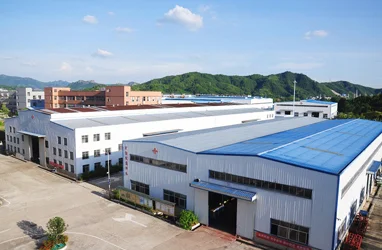
To acquire a reliable Cross belt magnetic separator, partnering with an experienced manufacturer is crucial. ORO Mineral Co., Ltd. stands out as a premier provider in this sector.
About ORO Mineral Co., Ltd.
ORO Mineral Co., Ltd. is a large-scale intelligent mineral processing, screening, and sand washing equipment manufacturer integrating R&D, production, and sales. Since 2014, ORO Mineral has made great contributions to every kind of mineral screening, solid waste resource recovery, beneficiation, washing, and separation, and has accumulated rich experience.
In order to offer you better products and services, we have been sparing no effort to improve technology, develop new equipment, and upgrade services. Our commitment to innovation ensures that every Cross belt magnetic separator we produce meets the highest standards of efficiency and durability.
Our Core Magnetic Products Include:
With nearly a decade of specialized experience, ORO Mineral offers tailored solutions for solid waste resource recovery and mineral beneficiation, ensuring clients receive the exact equipment needed for their specific operational challenges.
7. Technical Specifications and Selection Criteria
Selecting the correct Cross belt magnetic separator requires analyzing several technical factors. A “one size fits all” approach rarely works in magnetic separation.
Suspension Height
The distance between the magnet face and the conveyor belt is critical. As the distance increases, the magnetic force decreases exponentially. You must select a model strong enough to reach the bottom of the material burden at the required suspension height.
Burden Depth
If the material on your conveyor is 300mm deep, you need a magnet capable of pulling iron from underneath that 300mm pile. High-gradient magnetic fields are required for deep burdens.
Belt Width and Speed
The separator must be wider than the main conveyor to effectively discharge the metal. Additionally, the speed of the material flow dictates the magnet strength; fast-moving material requires a stronger magnetic field to “grab” the metal before it passes by.
8. Installation and Maintenance Best Practices
Proper installation ensures the longevity of your Cross belt magnetic separator. Typically, these units are installed either Cross-Belt (perpendicular to the flow) or Inline (parallel over the head pulley).
Installation Positioning
Cross-Belt: Installed mid-stream over the conveyor. Best for continuous removal where the burden depth is manageable.
Inline (Overband): Installed over the head pulley at the discharge point. This is often more effective because the material “fanning out” as it leaves the conveyor belt allows the magnet to easily pick metal out of the airborne stream.
Maintenance Tips
- Belt Tracking: Regularly check that the separator belt is tracking correctly to prevent edge wear.
- Lubrication: Keep bearings and the motor gearbox lubricated according to the manufacturer’s schedule.
- Belt Condition: Inspect the belt for tears caused by sharp tramp iron. A damaged belt can jam the separator.
- Oil Levels: For electromagnetic units like those offered by ORO Mineral, check cooling oil levels regularly to prevent coil overheating.
9. Future Trends in Magnetic Separation
The technology behind the Cross belt magnetic separator continues to evolve. Recent trends focus on energy efficiency and intelligence.
Smart Sensors: Modern separators are being equipped with sensors that detect when metal is approaching. This allows electromagnetic units to “pulse” high power only when needed, saving massive amounts of energy.
Superconducting Magnets: Research is ongoing into using superconducting materials to create incredibly powerful magnetic fields with minimal electrical resistance, potentially revolutionizing the capture of weakly magnetic (paramagnetic) materials.
10. Summary Comparison Table
Below is a comparison of the primary types of separators to help you decide which fits your needs.
| Feature | Permanent Cross Belt Separator | Electromagnetic Cross Belt Separator |
|---|---|---|
| Magnetic Source | Ferrite / Rare Earth Blocks | Electrical Coils (Copper/Aluminum) |
| Power Requirement | Low (Motor only) | High (Motor + Coils) |
| Field Strength | Constant | Variable / Switchable |
| Maintenance | Low | Medium (Cooling system care) |
| Best Application | Mobile crushers, remote sites | Heavy mining, deep burdens |
| Cost | Lower Initial Cost | Higher Initial Cost |
11. Frequently Asked Questions (FAQs)
A Cross belt magnetic separator is positioned perpendicular to the material flow, discharging metal to the side. An inline separator is positioned parallel to the flow over the head pulley, discharging metal forward. Inline is generally more efficient for deep burdens due to material trajectory.
Generally, no. Standard separators are designed for ferromagnetic materials (iron, steel). 300-series stainless steel is non-magnetic. However, work-hardened stainless steel may be weakly magnetic and removable by high-intensity units.
The size is determined by your conveyor belt width, the speed of the belt, the depth of the material, and the maximum size of the tramp iron. Consulting with experts like ORO Mineral Co., Ltd. is recommended to calculate the required Gauss/Tesla strength.
Belt wear is usually caused by sharp tramp iron getting trapped or the belt mistracking. Ensure your separator has a durable, armored belt if you are handling sharp metal, and check the alignment regularly.
Yes, ORO Mineral Co., Ltd. integrates R&D with production, allowing for customized magnetic separation solutions tailored to specific mineral processing or solid waste recovery needs.
12. References
1. Wills, B.A. and Finch, J.A., “Wills’ Mineral Processing Technology,” 8th Edition.