The Strategic Importance of Mineral Processing in Mining: An Expert Analysis
Introduction to Mineral Processing
In the vast and complex world of resource extraction, the journey from raw earth to refined material is a marvel of engineering. At the heart of this journey lies the critical discipline of mineral processing. The importance of mineral processing in mining cannot be overstated; it is the vital bridge between the sheer brute force of excavation and the precise, high-value demands of modern metallurgy. Without efficient processing, the ores pulled from the ground remain economically unviable and practically useless.
Table of Contents
- Introduction to Mineral Processing
- What is Mineral Processing in Mining?
- The Economic Impact of Proper Beneficiation
- Environmental Sustainability and Solid Waste Recovery
- Core Stages of Mineral Processing in Mining
- Advanced Equipment and Technologies
- Summary Table: Processing Stages and Equipment
- Frequently Asked Questions
- References
Written by the engineering experts at ORO Mineral Co., Ltd., this comprehensive guide delves into why this discipline is the backbone of the global resource supply chain. As a large-scale intelligent mineral processing, screening, and sand washing equipment manufacturer integrating R&D, production, and sales, we have been at the forefront of this industry. Since 2014, ORO Mineral has made great contributions to every kind of mineral screening, solid waste resource recovery, beneficiation, washing, and separation. We have accumulated rich experience that allows us to provide authoritative insights into the methods and machinery that drive modern mining operations forward.
What is Mineral Processing in Mining?
Mineral processing in mining, also known as ore dressing or beneficiation, is the science and technology of treating crude ores to separate the valuable minerals from the waste rock, known as gangue. Unlike extractive metallurgy, which involves chemical changes to the minerals (such as smelting), mineral processing relies primarily on physical and mechanical means to achieve separation. The goal is simple yet highly complex in execution: to upgrade the quality and concentration of the target mineral to a level where it can be profitably transported and smelted.
From our experience, the efficiency of mineral processing in mining directly dictates the lifespan and profitability of a mine. As high-grade ore deposits become increasingly scarce globally, mining companies are forced to extract lower-grade ores. Treating these lower-grade ores requires highly intelligent and robust processing solutions to ensure that the cost of extraction does not exceed the value of the recovered commodity.
The Economic Impact of Proper Beneficiation
The financial architecture of a mining project heavily relies on the success of its beneficiation plant. The importance of mineral processing in mining from an economic standpoint revolves around three main pillars: freight cost reduction, downstream processing efficiency, and maximum resource recovery.
Firstly, raw ore often contains less than 1% to 5% of the valuable mineral. Transporting millions of tons of waste rock over long distances to a smelter is economically disastrous. By implementing effective mineral processing in mining right at the extraction site, operators can discard the bulk of the waste rock locally. This concentrates the valuable material into a smaller, transportable volume, drastically cutting freight and logistics expenses.
Secondly, smelters and refineries require a highly concentrated and consistent feed to operate efficiently. Supplying them with raw, unprocessed ore would lead to immense energy waste and the production of excessive slag. Therefore, mineral processing in mining acts as the essential quality control mechanism, ensuring that the metallurgical facilities receive the exact grade of material they need to function optimally.
Environmental Sustainability and Solid Waste Recovery
In 2026, the mining industry faces unprecedented pressure to operate sustainably and minimize its ecological footprint. Herein lies another crucial facet of the importance of mineral processing in mining: environmental stewardship through intelligent tailings management and solid waste resource recovery.
Historically, mining waste was simply discarded, leading to severe environmental hazards. Today, the narrative has shifted. Since 2014, ORO Mineral has championed the concept of solid waste resource recovery. By applying advanced mineral processing in mining, we can reprocess old tailings dams and waste dumps to extract remaining valuable minerals that older, less efficient technologies missed. Furthermore, properly processed waste rock can be converted into usable construction aggregates, neutralizing environmental threats while creating secondary revenue streams.
Effective processing also reduces the volume of toxic reagents required in downstream chemical processing, directly lowering the environmental impact of the entire value chain. Water conservation is another major focus. Modern washing and classification systems are designed to recycle up to 90% of process water, a critical advancement for mines operating in arid regions.
Core Stages of Mineral Processing in Mining
To fully grasp the importance of mineral processing in mining, one must understand the sequential stages involved in transforming a boulder into a refined concentrate. These stages require specialized equipment and precise engineering.
1. Comminution (Crushing and Grinding)
Comminution is the first and most energy-intensive step in mineral processing. It involves the progressive reduction of the ore’s particle size. The objective is to reach the “liberation size”—the exact point where the valuable mineral grains are physically detached from the surrounding gangue. If the ore is under-ground, liberation is incomplete, leading to valuable mineral loss. If it is over-ground, it wastes massive amounts of energy and can cause “sliming,” making the mineral difficult to recover later.
2. Sizing and Classification
Once the ore is crushed and ground, it must be sorted by size. Screening and classification ensure that only particles of the correct size proceed to the separation phase, while oversized particles are returned to the crushers. This stage is vital for the efficiency of the entire circuit.
3. Washing and Desliming
Many ores are mixed with sticky clays and muds that interfere with downstream separation processes. Washing the ore is a critical preparatory step in mineral processing in mining. Removing these ultrafine particles (desliming) ensures that the subsequent gravity or magnetic separators operate at peak efficiency.
4. Concentration and Separation
This is the core of mineral processing in mining, where the actual division of valuable minerals from gangue occurs. It relies on the differing physical properties of the minerals, such as density, magnetic susceptibility, and electrical conductivity.
Advanced Equipment and Technologies
The success of mineral processing in mining relies entirely on the quality and intelligence of the equipment deployed. At ORO Mineral, we manufacture a suite of specialized machinery designed to maximize recovery rates across various mineral types.
Sand Washing Machine 100 TPH Long Life
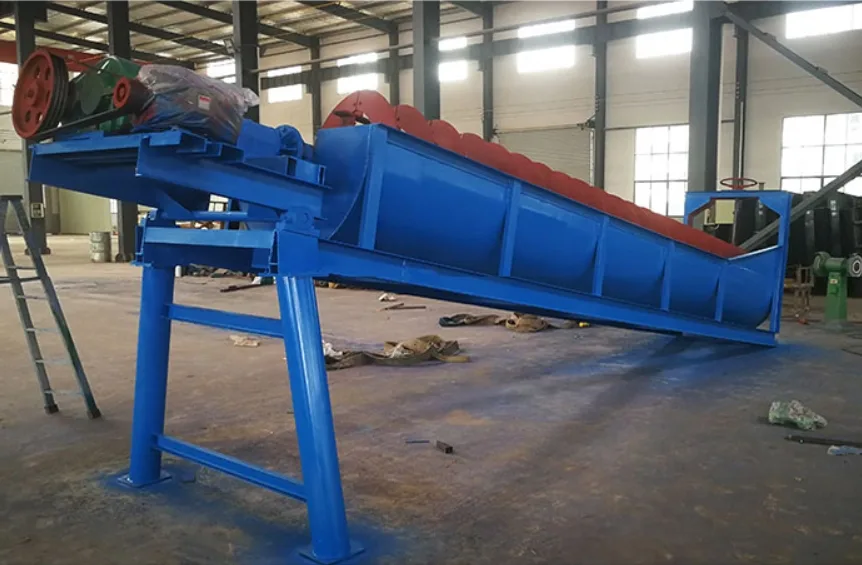
For operations dealing with silica sands, alluvial deposits, or heavily clay-bound ores, washing is indispensable. We recommend our Sand Washing Machine 100 TPH Long Life. Designed for high throughput and exceptional durability, this machine effectively scrubs and separates mud and impurities from the valuable granular material. From our experience, utilizing a long-life washing system dramatically reduces maintenance downtime and ensures a clean, high-grade product ready for further processing or direct market sale.
Gravity Spiral Concentrator
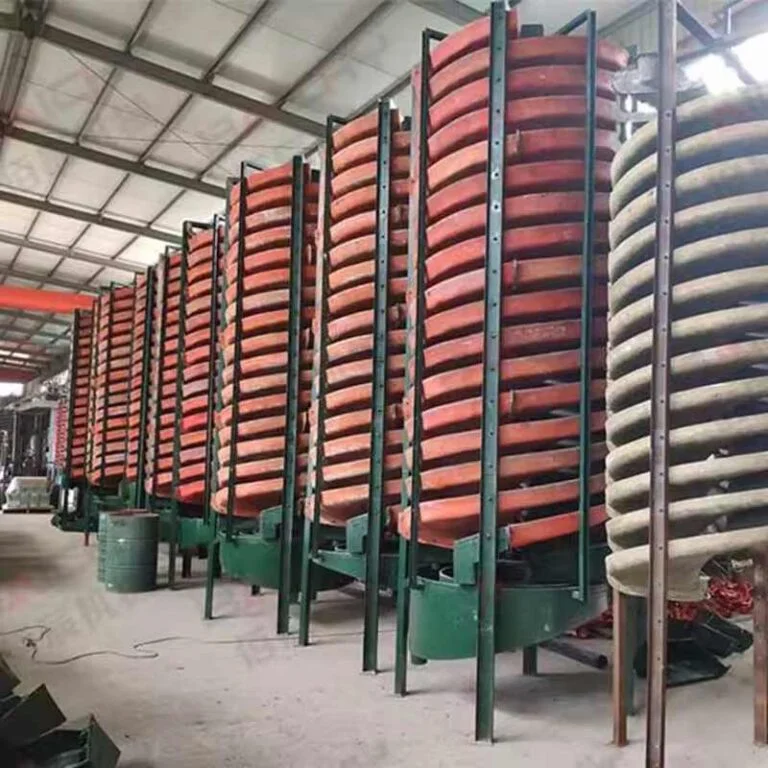
Gravity separation is one of the oldest and most environmentally friendly methods of mineral processing in mining, relying on differences in specific gravity. Our Gravity Spiral Concentrator represents the pinnacle of this technology. It uses centrifugal force and the flow of water to separate heavy minerals from lighter gangue. We highly recommend this equipment for processing coal, gold, iron, tin, and titanium ores. It requires no chemical reagents, minimal power, and provides a highly cost-effective method of upgrading the ore.
1.1kw Belt Magnetic Separator

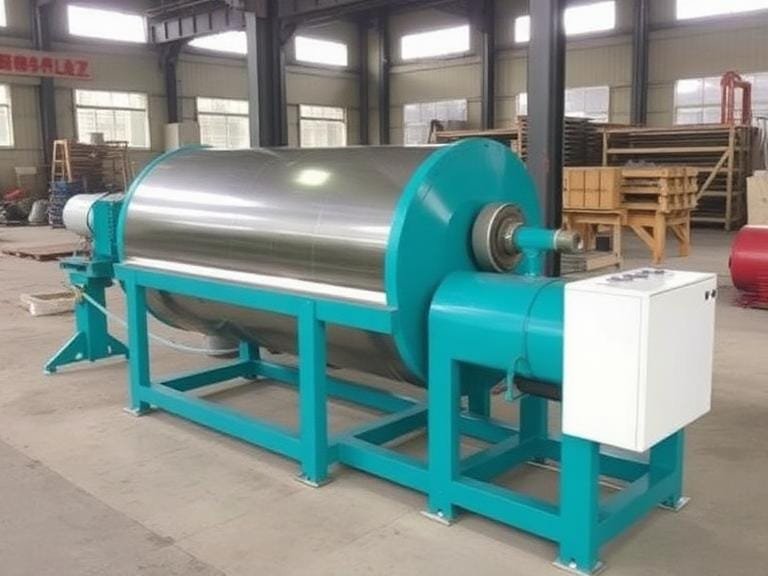
For ores containing ferromagnetic or paramagnetic minerals, magnetic separation is highly effective. The 1.1kw Belt Magnetic Separator developed by ORO Mineral is engineered to extract tramp iron or concentrate valuable magnetic minerals like magnetite. From our experience in solid waste resource recovery, this separator is also crucial in recycling facilities to remove ferrous metals from the waste stream, protecting downstream crushers and recovering valuable scrap.
Eddy Current Separator Machine
As the industry moves toward comprehensive resource recovery, separating non-ferrous metals from non-metallic streams is critical. Our Eddy Current Separator Machine utilizes powerful magnetic fields to induce electrical currents in conductive, non-ferrous metals like aluminum and copper, repelling them away from the non-conductive waste. This technology is vital in modern mineral processing in mining, especially when reprocessing complex solid waste or urban mining applications.
Summary Table: Processing Stages and Equipment
| Processing Stage | Objective in Mineral Processing | Recommended ORO Mineral Equipment |
|---|---|---|
| Washing & Desliming | Remove clays, mud, and ultrafine impurities to prepare for separation. | Sand Washing Machine 100 TPH Long Life |
| Gravity Concentration | Separate minerals based on their specific gravity using water and centrifugal force. | Gravity Spiral Concentrator |
| Magnetic Separation | Extract ferrous materials and magnetic ores from the process stream. | 1.1kw Belt Magnetic Separator |
| Non-Ferrous Recovery | Repel and separate conductive non-ferrous metals from non-metallic waste. | Eddy Current Separator Machine |
Frequently Asked Questions
Why is mineral processing in mining considered economically essential?
Mineral processing in mining is economically essential because it upgrades low-grade, raw ore into a high-value concentrate. By removing the vast majority of waste rock at the mine site, operations save millions in transportation costs and provide smelters with the pure feed they require to operate profitably.
How does mineral processing aid in environmental sustainability?
Modern mineral processing in mining greatly reduces the environmental footprint of extraction. Through the use of advanced equipment like our Eddy Current Separator Machine and Gravity Spiral Concentrator, operators can recover valuable materials from solid waste and historical tailings. Furthermore, modern washing systems recycle process water, reducing overall consumption.
What is the role of a Gravity Spiral Concentrator?
A Gravity Spiral Concentrator is used to separate minerals of different densities. As a slurry of water and crushed ore flows down the spiral trough, heavier minerals gather on the inside of the spiral, while lighter gangue is pushed to the outside. It is a highly efficient, chemical-free processing method.
Can solid waste from old mines be reprocessed?
Yes. From our experience at ORO Mineral since 2014, solid waste resource recovery is a major growth area. Using advanced screening, magnetic, and eddy current technologies, we can extract significant residual value from waste dumps that were previously considered barren, turning a liability into a profitable asset.
References
1. Wills, B.A., & Finch, J.A. (2015). Wills’ Mineral Processing Technology: An Introduction to the Practical Aspects of Ore Treatment and Mineral Recovery. Butterworth-Heinemann. View Resource
2. Society for Mining, Metallurgy & Exploration (SME). (2019). SME Mineral Processing and Extractive Metallurgy Handbook. View Resource
3. ORO Mineral Co., Ltd. Internal Research and Development Data on Solid Waste Resource Recovery (2014-2026).
The importance of mineral processing in mining cannot be ignored by any operation seeking longevity, profitability, and environmental compliance. Would you like me to help you configure a custom processing circuit using our intelligent separation equipment to optimize your specific ore body?