The Expert Guide: Advanced Mineral Processing Strategies for Modern Operations
In the highly complex and resource-intensive mining sector, the margin between operational profitability and financial failure is often determined by the efficiency of the extraction and beneficiation phases. As global high-grade ore reserves continue to deplete, facilities are forced to process increasingly complex, low-grade deposits. To remain competitive, mining enterprises must implement highly optimized mineral processing strategies. These strategies encompass the entire lifecycle of the ore, from initial comminution and physical separation to advanced solid waste resource recovery and tailings management.
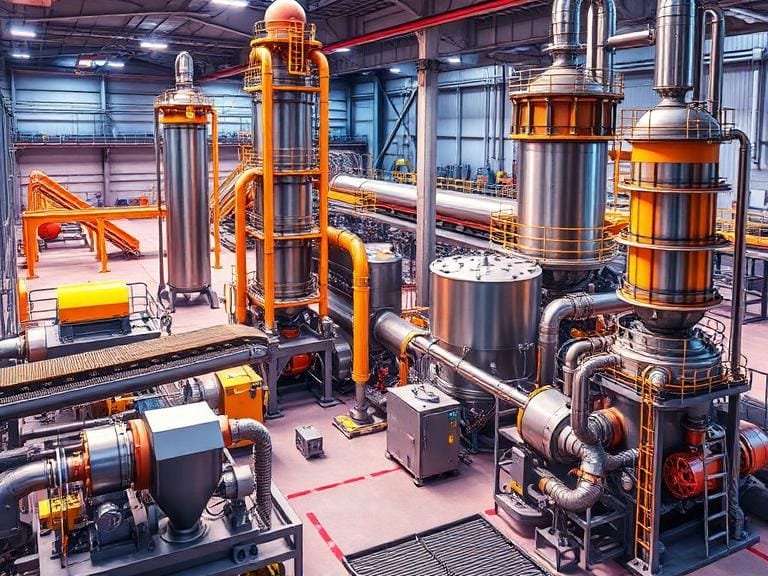
ORO Mineral Co., Ltd. is a large-scale intelligent mineral processing, screening, and sand washing equipment manufacturer integrating R&D, production, and sales. Since 2014, ORO Mineral has made great contributions to every kind of mineral screening, solid waste resource recovery, beneficiation, washing, and separation, and has accumulated rich experience in navigating complex metallurgical challenges. In order to offer you better products and services, we have been sparing no effort to improve technology, develop new equipment, and upgrade services. From our experience, adopting intelligent, data-driven mineral processing strategies is the only viable path forward for modern mining operations. In this comprehensive technical guide, we will outline the core stages of beneficiation, explore the critical equipment required, and detail how to integrate these solutions to maximize your resource recovery rates.
Table of Contents
- 1. The Evolution of Mineral Processing Strategies
- 2. Core Stages in Modern Mineral Processing Strategies
- 3. Why Intelligent Equipment Defines Successful Mineral Processing Strategies
- 4. Summary Table: Essential Equipment for Mineral Processing Strategies
- 5. Frequently Asked Questions (FAQs)
- 6. References
1. The Evolution of Mineral Processing Strategies
Historically, mineral processing strategies relied heavily on brute force and massive chemical consumption to separate valuable minerals from the gangue. However, the modern regulatory landscape, coupled with the urgent need for environmental sustainability, has forced a paradigm shift. Today, successful mineral processing strategies prioritize physical separation methods over chemical extraction wherever possible. By utilizing gravity, magnetism, and advanced fluid dynamics, modern operations can drastically reduce their environmental footprint while simultaneously lowering their operating expenditures (OPEX).
We recommend conducting thorough metallurgical testing before finalizing any mineral processing strategies. The specific gravity, magnetic susceptibility, and particle size distribution of your run-of-mine (ROM) ore must dictate the equipment selection. A one-size-fits-all approach inevitably leads to valuable minerals being lost to the tailings facility. By deploying targeted, intelligent equipment, facilities can achieve higher concentrate grades and maximize the economic yield of their deposits.
2. Core Stages in Modern Mineral Processing Strategies
To design effective mineral processing strategies, operators must understand the distinct phases of beneficiation. Each stage requires highly specialized machinery engineered to exploit specific physical properties of the target minerals.
2.1 Gravity Concentration and Beneficiation
Gravity separation remains one of the most cost-effective and environmentally friendly mineral processing strategies available to the industry. This technique relies on the differences in specific gravity between the valuable mineral and the host rock. When processing fine-grained ores such as gold, tin, tungsten, and titanium, maintaining a precise hydrodynamic balance is critical.
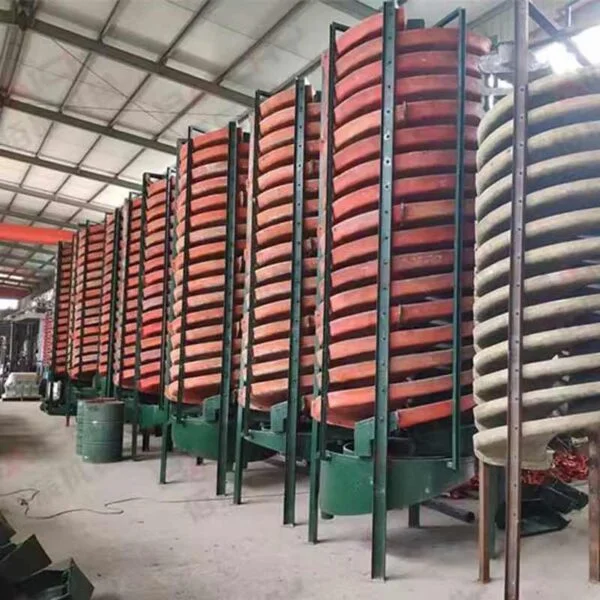
From our experience outfitting high-yield processing plants, we highly recommend integrating the Gravity Spiral Concentrator into your primary separation circuit. This equipment utilizes centrifugal force, the specific gravity of the minerals, and the hydrodynamic friction of the flowing slurry to achieve distinct separation bands. The Gravity Spiral Concentrator requires no moving parts, operates without external power beyond the slurry feed pump, and provides continuous, reliable performance with minimal maintenance. It is an indispensable component for any facility looking to optimize their low-cost mineral processing strategies.
2.2 Advanced Magnetic Separation Techniques
When dealing with ferrous materials or ores contaminated by magnetic impurities, magnetic separation is a cornerstone of effective mineral processing strategies. The goal is to either recover valuable magnetic minerals, such as magnetite, or to purify non-magnetic ores, such as silica sand or feldspar, by removing tramp iron and paramagnetic contaminants.
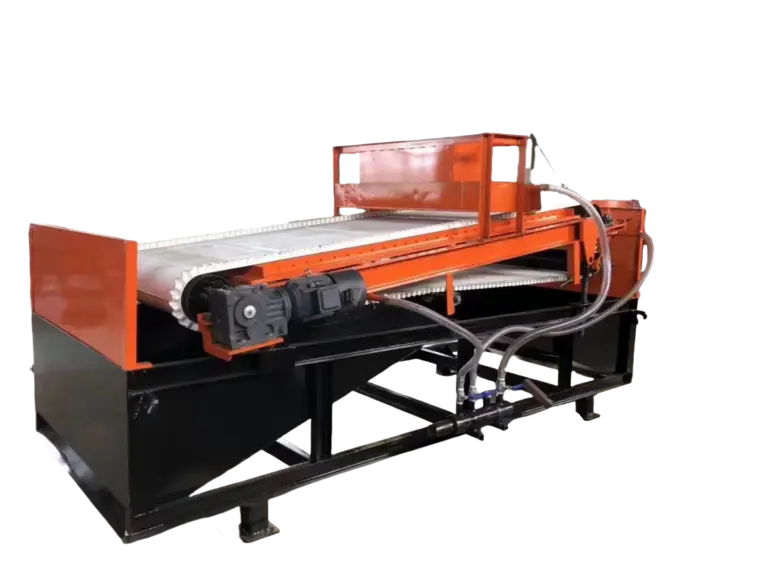
For operations requiring reliable and continuous magnetic extraction, we recommend deploying the 1.1kw Belt Magnetic Separator. This robust piece of equipment is engineered to suspend over conveyor belts, automatically extracting ferromagnetic materials from the bulk material flow. The 1.1kw Belt Magnetic Separator protects downstream crushing and grinding equipment from catastrophic damage caused by tramp metal, while also serving as a primary beneficiation tool in iron ore processing. Integrating this technology ensures that your overall mineral processing strategies remain uninterrupted by mechanical failures caused by rogue metallic debris.
2.3 High-Efficiency Sand Washing and Desliming
In the production of construction aggregates and industrial silica, the presence of clay, silt, and fine impurities can render the final product unsellable. Therefore, robust washing and desliming protocols are critical elements within comprehensive mineral processing strategies. The washing phase must aggressively scrub the particles to break down clay bonds without causing excessive attrition to the valuable sand grains.

To achieve the highest quality aggregate output, we recommend the Sand Washing Machine 100 TPH Long Life. Designed for extreme durability and continuous operation, this high-capacity unit efficiently separates mud and impurities from the sand. Operating at 100 tons per hour, it meets the demands of large-scale quarries and aggregate plants. The “Long Life” engineering ensures that the wear parts, such as the impeller blades and screening mesh, withstand highly abrasive environments, thereby minimizing downtime. Utilizing the Sand Washing Machine 100 TPH Long Life guarantees that your final product meets stringent construction industry specifications, validating the economic viability of your mineral processing strategies.
2.4 Solid Waste Resource Recovery
Modern mineral processing strategies are no longer limited strictly to raw ore; they must also address the massive volumes of industrial solid waste, municipal slag, and electronic scrap generated globally. Solid waste resource recovery is a rapidly expanding sector that offers significant economic returns while mitigating environmental hazards. Recovering non-ferrous metals from these waste streams is a technically demanding process that requires specialized repulsive technologies.
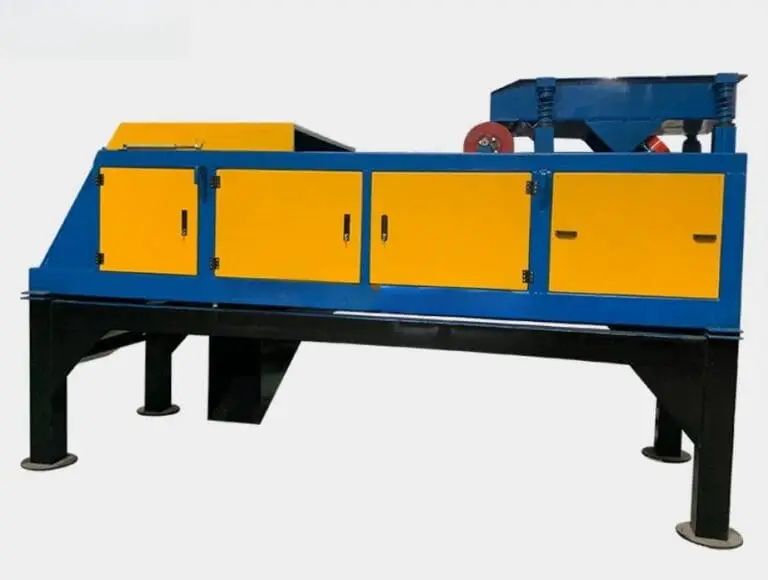
From our experience in urban mining and recycling facility integration, we recommend utilizing the Eddy Current Separator Machine. This advanced equipment utilizes a high-speed magnetic rotor to induce alternating magnetic fields. When non-ferrous conductive metals, such as aluminum, copper, and brass, pass through this field, eddy currents are generated within the metal particles. This creates a repulsive magnetic force that physically ejects the valuable metals away from the inert non-metallic waste stream. Incorporating the Eddy Current Separator Machine into your solid waste mineral processing strategies allows you to monetize secondary resource streams that would otherwise incur heavy landfill disposal fees.
3. Why Intelligent Equipment Defines Successful Mineral Processing Strategies
As previously stated, ORO Mineral has made great contributions to every kind of mineral screening, solid waste resource recovery, beneficiation, washing, and separation. However, providing heavy machinery is only part of the equation. The core of highly effective mineral processing strategies lies in the intelligent integration of these systems. In order to offer you better products and services, we have been sparing no effort to improve technology, develop new equipment, and upgrade services.
Intelligent mineral processing strategies rely on equipment that offers precise adjustability. For example, the capacity to adjust the magnetic field intensity on a separator, or fine-tune the wash water velocity in a sand washer, allows operators to respond dynamically to changes in the ore feed grade. We recommend partnering with manufacturers who understand that mineral processing strategies are living processes that require continuous optimization. By leveraging advanced R&D and high-quality manufacturing standards, facilities can ensure their capital expenditure translates into long-term, high-yield asset performance.
4. Summary Table: Essential Equipment for Mineral Processing Strategies
To assist plant managers and procurement engineers in designing their processing flowsheets, we have summarized the critical equipment recommendations and their specific applications within broader mineral processing strategies in the responsive table below.
| Equipment Type | Primary Application Area | Key Operational Benefit | Target Materials |
|---|---|---|---|
| Gravity Spiral Concentrator | Gravity Separation & Beneficiation | Zero energy consumption, precise specific gravity separation. | Gold, Tin, Tungsten, Titanium, Coal fines. |
| 1.1kw Belt Magnetic Separator | Magnetic Beneficiation & Equipment Protection | Continuous tramp iron removal, prevents downstream crusher damage. | Magnetite, tramp steel, ferrous contaminants. |
| Sand Washing Machine 100 TPH Long Life | Aggregate Washing & Desliming | High-capacity mud removal, extreme wear resistance. | Silica sand, construction aggregate, river gravel. |
| Eddy Current Separator Machine | Solid Waste Resource Recovery | Induces repulsive forces to recover valuable conductive metals. | Aluminum, Copper, Brass from municipal solid waste/slag. |
5. Frequently Asked Questions (FAQs)
6. References
For further academic reading and global standards regarding advanced metallurgy and solid waste recovery, we recommend consulting the following authoritative resources: