The Definitive Guide to Optimizing Your Sand Washing Plant Process
In the modern construction and mineral processing sectors, the quality of aggregates directly dictates the structural integrity of the final product. Raw sand, whether manufactured or extracted from natural deposits, inherently contains impurities such as clay, silt, dust, and organic matter. To meet strict industrial standards, implementing a highly efficient sand washing plant process is an absolute operational necessity. A poorly optimized sand washing plant process not only compromises the compressive strength of concrete but also leads to severe mechanical wear on downstream equipment and unacceptable levels of water waste.
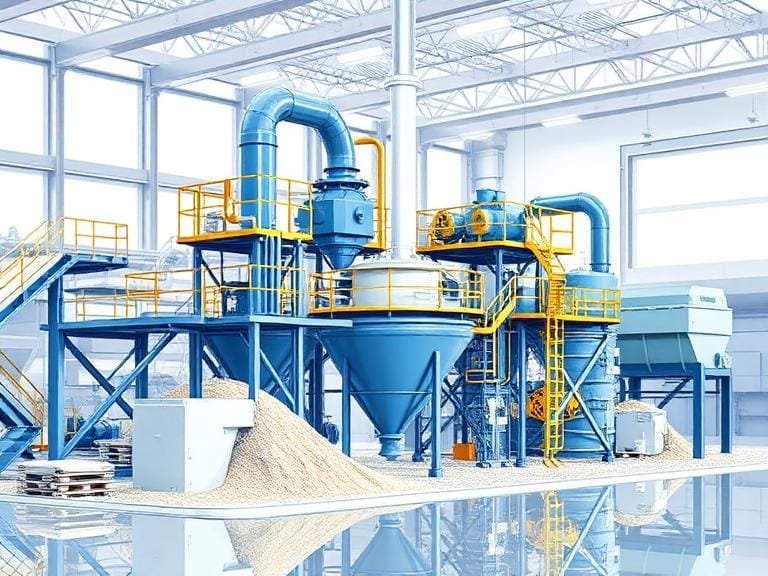
ORO Mineral Co., Ltd. is a large-scale intelligent mineral processing, screening, and sand washing equipment manufacturer integrating R&D, production, and sales. Since 2014, ORO Mineral has made great contributions to every kind of mineral screening, solid waste resource recovery, beneficiation, washing, and separation, and has accumulated rich experience. In order to offer you better products and services, we have been sparing no effort to improve technology, develop new equipment, and upgrade services. In this comprehensive technical guide, we detail the mechanical workflow, equipment selection criteria, and optimization strategies required to engineer a flawless sand washing plant process.
Table of Contents
- 1. Understanding the Core of the Sand Washing Plant Process
- 2. Sequential Stages of the Sand Washing Plant Process
- 3. Critical Equipment for a High-Yield Sand Washing Plant Process
- 4. Expert Recommendations for Process Optimization
- 5. Summary Table: Sand Washing Plant Process Metrics
- 6. Frequently Asked Questions (FAQs)
- 7. References
1. Understanding the Core of the Sand Washing Plant Process
The primary objective of any sand washing plant process is the separation of valuable silica and aggregate particles from deleterious materials. When raw material enters a processing facility, the varying specific gravities, magnetic susceptibilities, and particle sizes present unique separation challenges. If the sand washing plant process fails to remove clay coatings from the aggregate, the bond between the cement paste and the sand will fail, leading to crumbling concrete and failed structural audits.
From our experience engineering facilities worldwide, a successful sand washing plant process must balance mechanical scrubbing forces with fluid dynamics. It is not simply a matter of applying water to dirt. It involves precise calculations of water-to-solid ratios, slurry velocities, and gravitational settling rates. Furthermore, modern environmental compliance requires that a sand washing plant process operate as a closed-loop system, achieving maximum solid waste resource recovery while discharging zero untreated wastewater into the local ecosystem.
2. Sequential Stages of the Sand Washing Plant Process
A high-capacity sand washing plant process is fundamentally modular. It consists of distinct operational stages that work in sequence to reduce the material size, scrub the impurities, recover the fines, and clarify the processing water. We recommend approaching your plant design by analyzing each of the following stages independently before integrating them into a complete system.
2.1 Primary Feeding and Crushing
The sand washing plant process begins at the hopper. Raw material is loaded into a vibrating feeder that provides a consistent, metered flow of aggregate to the primary crushers. Consistency at this stage is vital; surging the plant will overwhelm the washing equipment downstream and lead to poor separation. Depending on the feed size, jaw crushers and cone crushers break the material down to a manageable size before it is conveyed to the initial screening phase.
2.2 Screening and Aggregate Washing
Once the material is crushed, it enters a circular vibrating screen or linear vibrating screen. Oversized materials are rejected and sent back to the crusher, while the appropriately sized aggregates drop into the washing phase. This is the heart of the sand washing plant process. Here, mechanical scrubbers or wheel-type washing machines agitate the slurry. The friction between the sand particles, combined with the hydraulic force of the water, aggressively strips away the adhering clay and dust. The lighter impurities remain suspended in the wash water, while the heavier, clean sand sinks and is extracted by the mechanical blades or buckets of the washing machine.
2.3 Dewatering and Fines Recovery
A critical failure point in legacy facility designs is the loss of fine sand during the washing phase. In a modern sand washing plant process, the overflow water from the washing machine, which contains valuable fine sand (typically between 0.16mm and 3mm), is pumped into a hydrocyclone. Centrifugal force separates the heavy fines from the muddy water. These fines are discharged onto a high-frequency dewatering screen alongside the coarse sand from the washing machine. The dewatering screen drastically reduces the moisture content of the final product, allowing it to be stockpiled and transported immediately, which drastically improves the economic efficiency of the sand washing plant process.
2.4 Tailings Management and Water Recycling
The final stage of an environmentally compliant sand washing plant process involves treating the muddy effluent. The waste water from the hydrocyclone is sent to a deep cone thickener or a settling tank. By adding specific flocculants, the suspended clay particles bind together and settle rapidly to the bottom as a thick sludge. The clean water overflows the top weir and is pumped back into the sand washing plant process for reuse. The sludge is then pressed into dry cakes via a filter press, allowing for easy disposal or secondary solid waste resource recovery.
3. Critical Equipment for a High-Yield Sand Washing Plant Process

The mechanical durability and processing accuracy of your machinery dictate the success of your operation. At ORO Mineral, we manufacture specialized equipment designed to elevate the standards of your sand washing plant process.
- Sand Washing Machine 100 TPH Long Life: We recommend our high-capacity Sand Washing Machine 100 TPH Long Life for facilities demanding uninterrupted output. Engineered with heavy-duty impellers, reinforced gearboxes, and highly wear-resistant polyurethane screens, this machine aggressively scrubs away impurities while maintaining an incredibly low failure rate. Its optimized weir height minimizes the loss of medium and fine sand, making it a cornerstone for any profitable sand washing plant process.
- Gravity Spiral Concentrator: When processing mineral sands containing heavy metals or valuable ores, the sand washing plant process must include specific beneficiation stages. Our Gravity Spiral Concentrator utilizes fluid dynamics and centrifugal force to separate particles based on specific gravity. It operates entirely without electricity or moving parts, providing a highly cost-effective and environmentally friendly method for upgrading silica sand or recovering heavy minerals from tailings.
- 1.1kw Belt Magnetic Separator: Iron contaminants degrade the quality of silica sand, specifically for glass manufacturing applications. To ensure premium product output, your sand washing plant process should integrate our 1.1kw Belt Magnetic Separator. Suspended over the conveying lines, this high-intensity magnetic unit aggressively extracts tramp iron, ferromagnetic ores, and abrasive metal fragments, protecting downstream equipment from damage and ensuring the final aggregate meets strict purity standards.
- Eddy Current Separator Machine: For facilities engaged in solid waste resource recovery alongside aggregate washing, separating non-ferrous metals is a complex challenge. Our Eddy Current Separator Machine generates a powerful alternating magnetic field that induces eddy currents in conductive, non-ferrous metals like aluminum and copper. This magnetic repulsion ejects the metals from the sand stream, ensuring a highly refined and pure output essential for complex recycling and sand washing plant process applications.
4. Expert Recommendations for Process Optimization
From our experience commissioning hundreds of facilities globally, we know that installing quality equipment is only half the battle. Maximizing the ROI of your sand washing plant process requires strict operational oversight and continuous calibration.
First, we recommend conducting routine particle size distribution (PSD) analyses on your raw feed. If the input material characteristics change, the water pressure, cyclone apex sizes, and dewatering screen angles must be adjusted accordingly. Operating a sand washing plant process blindly leads to massive fines loss or insufficiently washed aggregate.
Second, prioritize preventative maintenance on high-wear components. The polyurethane panels on your dewatering screens and the impellers on your Sand Washing Machine 100 TPH Long Life are subjected to intense abrasive forces. Establishing a strict inspection schedule prevents catastrophic failures during peak production hours. Finally, actively monitor your flocculant dosing rates in the water treatment phase. Over-dosing wastes expensive chemicals and can cause localized blockages, while under-dosing prevents the clean water recovery necessary to sustain a closed-loop sand washing plant process.
5. Summary Table: Sand Washing Plant Process Metrics
To assist plant managers in evaluating their operational setup, we have provided a technical summary of the distinct stages and hardware requirements necessary to execute a flawless sand washing plant process.
| Process Stage | Primary Objective | Key Equipment Integrated | ORO Mineral Recommendation |
|---|---|---|---|
| Material Preparation | Size reduction and feed metering. | Vibrating Feeders, Jaw/Cone Crushers | Maintain consistent feed rates to avoid surging. |
| Washing and Scrubbing | Removal of clay, silt, and organic matter. | Wheel or Spiral Sand Washers | Deploy the Sand Washing Machine 100 TPH Long Life. |
| Beneficiation & Separation | Extraction of heavy minerals and tramp metals. | Magnetic Separators, Spiral Chutes | Utilize Gravity Spiral Concentrator & 1.1kw Belt Magnetic Separator. |
| Dewatering & Fines Recovery | Moisture reduction and capture of 0.16mm-3mm sand. | Hydrocyclones, Dewatering Screens | Optimize cyclone pressure for maximum fines yield. |
| Non-Ferrous Extraction | Removal of aluminum/copper in recycling applications. | Eddy Current Rotors | Integrate the Eddy Current Separator Machine for solid waste recovery. |