The 5 Vital Purpose of Magnetic Separator in C&D Facility Operations
The Vital Purpose of Magnetic Separator in C&D Facility Operations
In the dynamic and rugged world of Construction and Demolition (C&D) recycling, efficiency and equipment longevity are paramount. As urbanization accelerates globally, the volume of waste generated from demolished buildings, roads, and bridges has skyrocketed. This waste stream is a complex mixture of concrete, wood, asphalt, glass, and, crucially, metal. Handling this material requires robust technology, and central to this process is the magnetic separator in C&D facility operations.
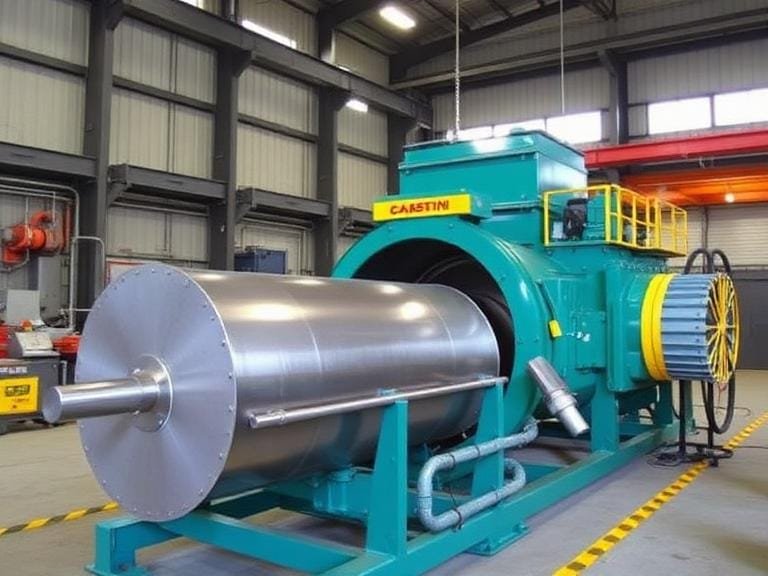
The magnetic separator in C&D facility setups acts as both a guardian and a revenue generator. Without effective magnetic separation, recycling plants face catastrophic equipment damage, lowered product quality, and missed economic opportunities. This comprehensive guide delves into the multifaceted roles of these magnetic systems, exploring their engineering, economic impact, and integration into modern recycling lines supported by industry leaders like ORO Mineral Co., Ltd..
- 1. The Primary Shield: Protecting Downstream Equipment
- 2. Economic Value: Ferrous Metal Recovery
- 3. Enhancing Product Purity and Marketability
- 4. Types of Magnetic Separators Used in C&D
- 5. Manufacturer Spotlight: ORO Mineral Solutions
- 6. Strategic Placement in the Recycling Line
- 7. Maximizing Efficiency and Maintenance
- 8. Summary Comparison Table
- 9. Frequently Asked Questions (FAQs)
- 10. References
1. The Primary Shield: Protecting Downstream Equipment
The most immediate and critical purpose of magnetic separator in C&D facility layouts is the protection of expensive machinery. Construction waste is notoriously laden with “tramp metal”—a term used to describe unwanted metallic debris such as rebar (reinforcing bar), steel beams, large bolts, and iron plates.
If this tramp metal enters a secondary crusher or a shredder, the results can be disastrous. Concrete crushers are designed to compress rock, not ductile steel. When a piece of uncrushable steel enters the crushing chamber, it can cause:
- Catastrophic Failure: Snapping of shafts, cracking of frames, or destruction of the crushing blow bars.
- Conveyor Belt Damage: Sharp rebar can slice through expensive rubber conveyor belts, halting the entire production line.
- Unplanned Downtime: Every minute a plant is stopped for repairs costs thousands of dollars in lost production and labor.
By installing a heavy-duty magnetic separator in C&D facility lines—typically suspended over the feed belt before the crusher—operators ensure that these dangerous ferrous items are lifted out of the material stream before they can cause harm.
2. Economic Value: Ferrous Metal Recovery
While protection is a cost-saving measure, the second purpose of magnetic separator in C&D facility operations is pure profit generation. Ferrous metals (metals containing iron) are among the most easily recyclable materials in the world and hold significant market value.
In a typical demolition project, concrete might make up the bulk of the weight, but the steel rebar contained within that concrete represents a high-value commodity. Once the concrete is crushed and the rebar is liberated, a magnetic separator extracts this steel.
The Economics of Scrap
Recovered scrap metal is sold to foundries and steel mills to be melted down and repurposed. For a high-volume C&D plant, the revenue generated from the sale of recovered scrap steel can often offset a significant portion of the facility’s operating costs. Therefore, the magnetic separator in C&D facility budgets is not just an expense; it is an investment with a tangible Return on Investment (ROI).
3. Enhancing Product Purity and Marketability
The end goal of C&D recycling is to produce usable materials, such as Recycled Concrete Aggregate (RCA), wood chips for biomass, or clean soil. The presence of metal contaminants in these finished products significantly degrades their value and limits their application.
For example, RCA is frequently used as a base layer for road construction. If the aggregate contains rusty nails, wire mesh, or iron fragments, it may fail quality control standards set by municipal engineering departments. Metal contaminants can corrode over time, creating voids in the road base and leading to potholes or structural instability.
Similarly, if the facility produces recycled wood chips for fuel, metal fragments can damage the furnaces or boilers of the end-user. By utilizing a high-efficiency magnetic separator in C&D facility processing, operators guarantee a “clean” product. This purity allows the facility to charge a premium price for their aggregates and wood products, establishing a reputation for quality in the competitive construction materials market.
4. Types of Magnetic Separators Used in C&D
To achieve the goals of protection, recovery, and purity, different types of magnetic equipment are employed depending on the specific location within the process flow.
Suspended Overband Magnets
This is the workhorse of the industry. Suspended cross-belt magnets are hung above the conveyor belt. As material passes underneath, the powerful magnetic field lifts the ferrous metal out of the burden (the depth of material on the belt). A self-cleaning belt on the magnet then discharges the captured metal into a separate bin. These are essential for removing large, heavy items like rebar.
Magnetic Head Pulleys
A magnetic head pulley replaces the standard drive pulley at the discharge end of a conveyor. As material falls off the end of the belt, non-magnetic material (concrete, wood) falls in a natural trajectory. However, ferrous metal is attracted to the magnetic pulley and is held against the belt until it rotates underneath and out of the magnetic field. This is excellent for recovering smaller “fines” like nails and wire that the overband magnet might have missed.
Drum Magnets
Drum magnets consist of a stationary magnetic core inside a rotating shell. They are often used in areas with high material flow where continuous separation is needed. They are particularly effective in the processing of fines or in secondary separation stages to ensure maximum purity.
5. Manufacturer Spotlight: ORO Mineral Solutions
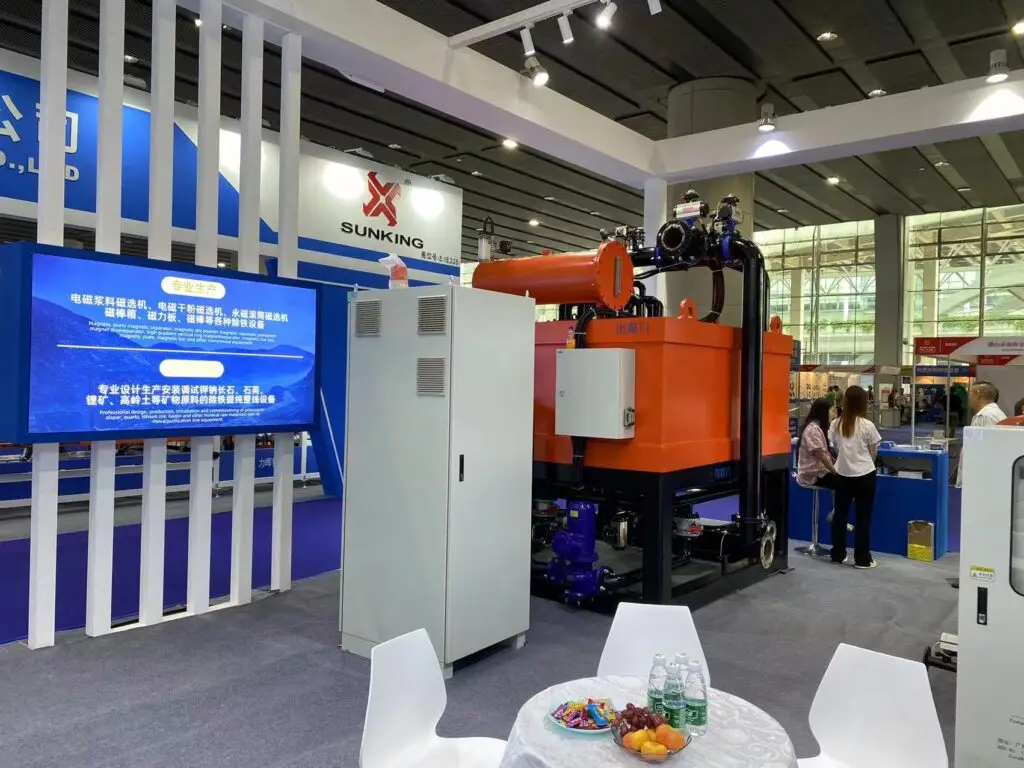
Implementing effective separation requires partnering with manufacturers who understand the harsh realities of mineral processing. ORO Mineral Co., Ltd. stands out as a leader in this sector.
ORO Mineral Co., Ltd. is a large-scale intelligent mineral processing, screening, and sand washing equipment manufacturer integrating R&D, production, and sales. Since 2014, ORO Mineral has made great contributions to every kind of mineral screening, solid waste resource recovery, beneficiation, washing, and separation, and has accumulated rich experience.
In order to offer you better products and services, we have been sparing no effort to improve technology, develop new equipment, and upgrade services. Their portfolio addresses every stage of the C&D recycling loop:
- Classifying Machine: Ensuring precise separation of materials by size and density.
- Gravity Separation: Utilizing density differences to separate heavy inert materials from light contaminants.
- Magnetic Separation: High-intensity solutions for the robust recovery of ferrous metals in C&D environments.
- Screening Machine: Essential for sizing aggregates post-crushing.
- Washing Machine: Cleaning aggregates to remove silt and clay, increasing the value of the final product.
6. Strategic Placement in the Recycling Line
The effectiveness of a magnetic separator in C&D facility layouts depends heavily on where it is installed. A multi-stage approach is often best practice.
Stage 1: Pre-Crush Separation
A heavy-duty suspended electromagnet or permanent magnet should be placed before the primary crusher. The goal here is Equipment Protection. It must be strong enough to pull heavy steel beams or engine blocks out of the demolition debris to prevent crusher blockage.
Stage 2: Post-Crush Liberation
Once the material has passed through the crusher, the concrete is broken away from the rebar. The steel is now “liberated.” A magnetic separator in C&D facility lines at this stage (usually a self-cleaning overband magnet) serves the purpose of Resource Recovery. This is where the bulk of the sellable scrap is collected.
Stage 3: Polishing and Quality Control
Further down the line, as material is screened into different sizes, smaller magnetic head pulleys or drum magnets are used. These target nails, screws, and wire mesh that may have been buried under the burden earlier. This stage ensures Product Purity for the final aggregate resale.
7. Maximizing Efficiency and Maintenance
Owning a magnetic separator in C&D facility operations is not a “set it and forget it” solution. Efficiency is dictated by several physical factors that operators must monitor.
Burden Depth
The “burden” is the layer of material on the conveyor belt. If the concrete is piled 10 inches high, but the magnet’s effective field only penetrates 8 inches, metal at the bottom of the belt will be missed. To maximize efficiency, operators must either use stronger magnets, reduce the burden depth, or agitate the material to bring metal to the surface.
Belt Speed
If the conveyor belt moves too fast, the magnet may not have enough “dwell time” to attract and lift the heavy steel object before it passes the magnetic zone. Matching belt speed to the magnet’s strength is crucial for optimal recovery.
Cleaning and Maintenance
For self-cleaning magnets, the belt that wraps around the magnet takes abuse. It is constantly being impacted by sharp steel jumping up from the conveyor. Regular inspection of the armor-clad belting is necessary. Furthermore, for non-self-cleaning manual magnets, the accumulated metal must be removed regularly. If too much metal builds up on the magnet face, the magnetic field is disrupted, and the separator loses its ability to pick up new items.
8. Summary Comparison Table
| Feature/Function | Overband Magnet (Suspended) | Magnetic Head Pulley | Drum Magnet |
|---|---|---|---|
| Primary Purpose | Extraction of large ferrous items (Rebar) | Recovery of fines and smaller tramp metal | High volume continuous separation |
| Placement | Suspended over conveyor belt | Replaces drive pulley at discharge | At discharge points or separate feeds |
| Maintenance | Medium (Belt replacement needed) | Low (No moving parts external) | Low to Medium |
| Recovery Type | Clean lift from top of burden | Catches metal at bottom of burden | Agitates material for purity |
| Cost | Moderate to High | Low to Moderate | Moderate |
9. Frequently Asked Questions (FAQs)
10. References
1. Construction & Demolition Recycling Association (CDRA). “Best Practices for C&D Recycling.”
2. U.S. Environmental Protection Agency (EPA). “Sustainable Management of Construction and Demolition Materials.”