Magnetic Drum Separator Working Principle: The Definitive Industrial Guide
In the vast landscape of mineral processing, recycling, and food production, the purity of materials is paramount. One device stands as a sentinel against ferrous contamination and a champion of ore concentration: the magnetic drum separator. For engineers and plant managers, understanding the Magnetic drum separator working principle is not just academic—it is essential for optimizing recovery rates and protecting downstream crushers and grinders.
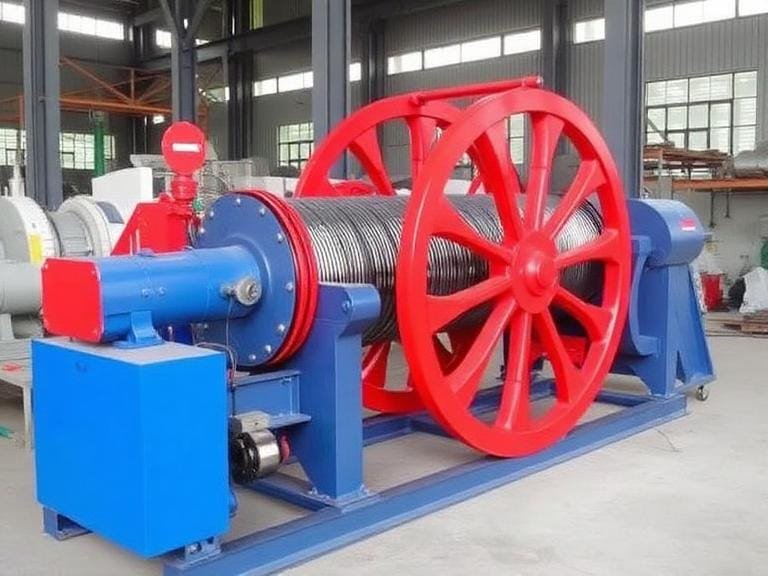
This comprehensive guide delves deep into the physics and engineering behind these machines. From the stationary magnet arc to the rotating shell, we explore how leaders in the field, such as ORO Mineral Co., Ltd., leverage this technology to deliver high-efficiency separation solutions. Whether you are separating iron ore from gangue or removing tramp metal from grain, this article covers every angle.
Table of Contents
- 1. What is a Magnetic Drum Separator?
- 2. Core Components of the System
- 3. Step-by-Step: Magnetic Drum Separator Working Principle
- 4. Dry vs. Wet Magnetic Separation
- 5. Factors Influencing Separation Efficiency
- 6. Manufacturer Spotlight: ORO Mineral Co., Ltd.
- 7. Industrial Applications
- 8. Maintenance and Troubleshooting
- 9. Summary Comparison Table
- 10. Frequently Asked Questions (FAQs)
1. What is a Magnetic Drum Separator?
A magnetic drum separator is a piece of process equipment designed to remove ferrous metal from dry bulk materials or separate magnetic ores from non-magnetic rock in slurries. It is self-cleaning, continuous, and highly efficient. The beauty of the machine lies in its simplicity; it has few moving parts, yet it performs a complex sorting task based purely on the magnetic susceptibility of the feed material.
The Magnetic drum separator working principle relies on a fixed internal magnetic assembly housed within a rotating non-magnetic shell. This design allows the machine to attract iron while simultaneously discharging it, creating a continuous flow of separated material without the need to stop the machine for cleaning.
2. Core Components of the System
To fully grasp the working principle, one must understand the anatomy of the drum separator. It consists of three primary elements:
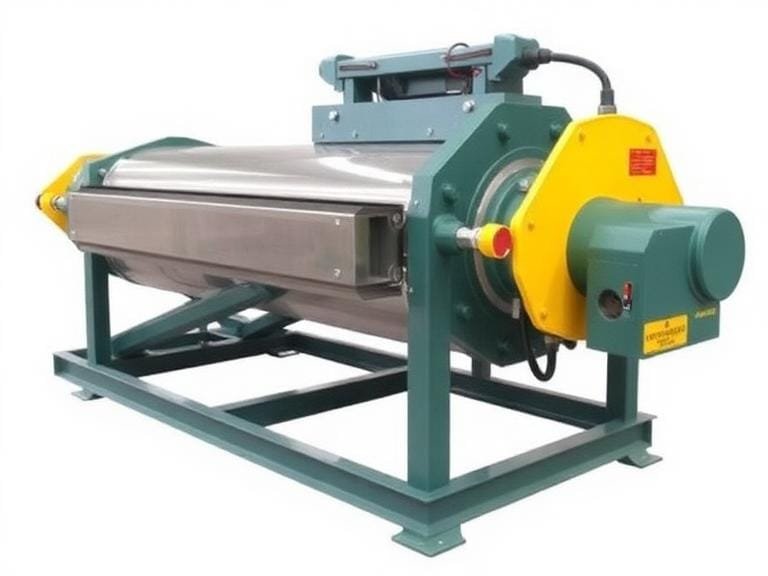
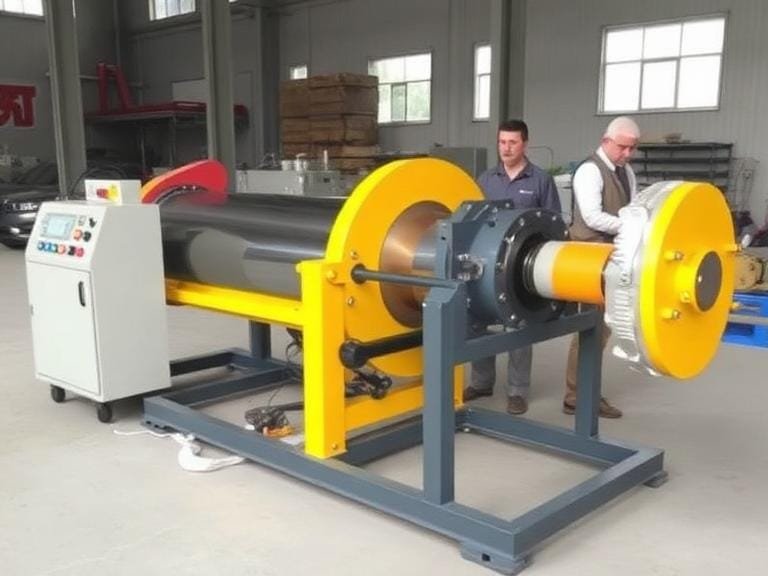
The Stationary Magnet Yoke
Inside the drum lies a magnetic element that does not rotate. This magnet typically covers an arc of 120 to 180 degrees of the drum’s interior. It can be made of Ferrite (Ceramic) magnets for general tramp iron removal or Rare Earth (Neodymium) magnets for high-intensity separation of fine paramagnetic particles.
The Rotating Outer Shell
Surrounding the stationary magnet is a rotating cylinder, usually made of non-magnetic stainless steel. This shell carries the feed material through the magnetic field. The surface may be smooth or fitted with cleats to help transport material.
The Drive Mechanism
An electric motor and gear reducer drive the outer shell. The speed of rotation is a critical variable in the Magnetic drum separator working principle, as it determines the centrifugal force acting on the particles.
3. Step-by-Step: Magnetic Drum Separator Working Principle
The operation can be broken down into a sequence of physical interactions between gravity, centrifugal force, friction, and magnetism.
Phase 1: The Feeding Zone
Material is fed onto the top of the rotating drum (in dry applications) or into a tank below the drum (in wet applications). As the material enters the magnetic field, the physics of separation begins immediately. The feed rate must be regulated to ensure a monolayer of material; if the layer is too thick, non-magnetic particles may trap magnetic ones, or vice versa.
Phase 2: Magnetic Capture
As the material traverses the magnetic arc, particles with high magnetic susceptibility (ferrous metals, magnetite) are attracted by the stationary magnet inside. The magnetic force pulls these particles tight against the surface of the rotating stainless steel shell. Friction holds them there as the drum rotates.
Simultaneously, non-magnetic material (sand, aluminum, plastic, gangue) is unaffected by the magnet. These particles follow a natural trajectory determined by the speed of the drum and gravity. They fall off the drum into a “reject” or “non-magnetic” discharge chute.
Phase 3: The Discharge Zone
This is the defining moment of the Magnetic drum separator working principle. The ferrous material remains pinned to the shell as long as it is within the influence of the internal stationary magnet. As the shell rotates past the 180-degree magnetic arc, the particles leave the magnetic field.
Once outside the magnetic zone, the attractive force vanishes. Gravity and centrifugal force take over, causing the ferrous material to drop off the drum into a separate “concentrate” or “magnetic” collection bin. A divider plate is often positioned between the two discharge streams to ensure zero cross-contamination.
4. Dry vs. Wet Magnetic Separation
While the fundamental Magnetic drum separator working principle remains the same, the medium of separation drastically changes the equipment design.
Dry Drum Separators
Used for coarse ores and recycling. Here, the drum is usually enclosed in a housing to contain dust. The separation is purely ballistic; non-magnetics are thrown forward, while magnetics are dragged under the drum. High-speed drums are often used here to utilize centrifugal force to aid in throwing off the non-magnetics.
Wet Drum Separators
Essential for mineral processing where ore is ground into a slurry. The drum is partially submerged in a tank.
Concurrent Tank: Feed flows in the same direction as rotation. Good for coarse material.
Counter-Current Tank: Feed flows against the rotation. Best for high recovery rates and fine particles.
Counter-Rotation Tank: The drum rotates against the slurry flow, providing the highest agitation and cleaning action.
5. Factors Influencing Separation Efficiency
Understanding the Magnetic drum separator working principle allows operators to tweak variables for maximum performance.
- Magnetic Field Strength (Gauss): Higher gauss allows for the capture of finer or weakly magnetic particles. Standard drums operate at 1500-3000 Gauss, while high-intensity drums can reach 9000+ Gauss.
- Drum Speed: Higher speeds increase centrifugal force. This helps throw off non-magnetic impurities (increasing concentrate grade) but may cause the loss of some fine magnetic particles (decreasing recovery).
- Feed Rate: Overfeeding creates a “burial effect” where non-magnetic particles trap magnetic ones, reducing efficiency.
- Particle Size: Larger particles are easier to separate. Fine powders may require high-gradient magnetic fields to overcome air resistance and electrostatic forces.
6. Manufacturer Spotlight: ORO Mineral Co., Ltd.
About ORO Mineral Co., Ltd.
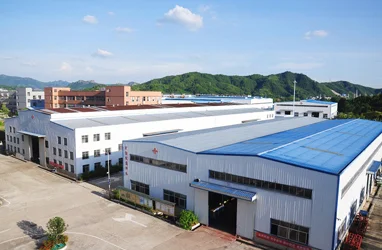
In the competitive landscape of mining machinery, ORO Mineral Co., Ltd. has emerged as a leader in intelligent processing solutions. ORO Mineral Co., Ltd. is a large-scale intelligent mineral processing, screening, and sand washing equipment manufacturer integrating R&D, production, and sales.
Since 2014, ORO Mineral has made great contributions to every kind of mineral screening, solid waste resource recovery, beneficiation, washing, and separation, and has accumulated rich experience. Their approach combines robust mechanical engineering with advanced magnetic circuit design, ensuring their separators offer longevity and high recovery rates.
Featured Products
ORO Mineral offers a diverse portfolio tailored to mining and recycling sectors:
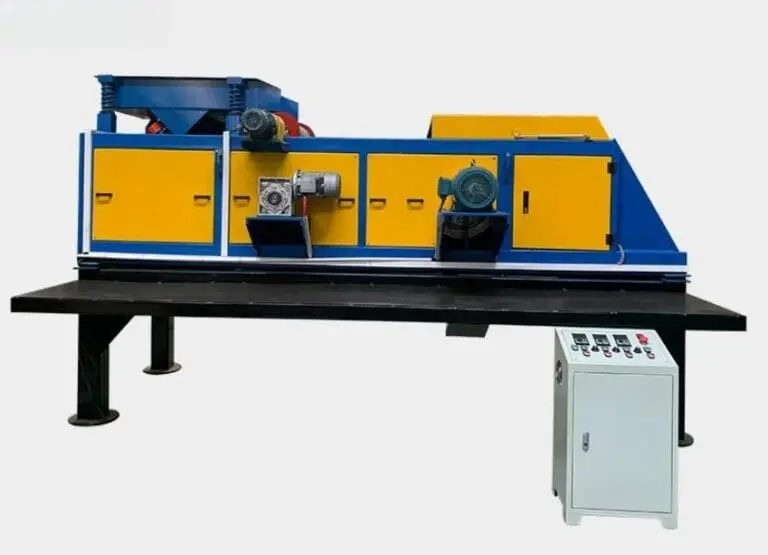
- Magnetic Separator Machine: Their flagship drum separators are designed with optimized magnetic angles for maximum ore recovery in wet processing plants.
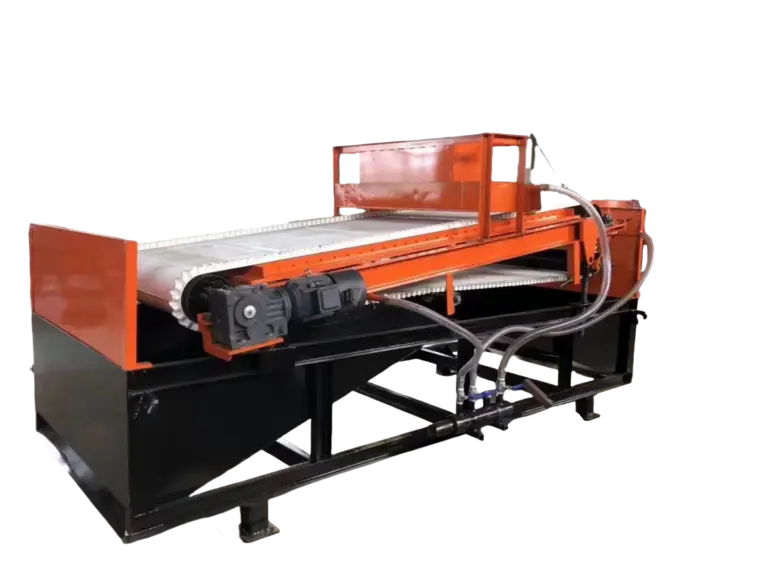
- 1.1kw Belt Magnetic Separator: Often used in conjunction with drum separators, this overband unit is ideal for removing larger tramp iron from conveyor belts before the material enters the crushing stage, protecting the drum separator from damage.
By integrating these technologies, ORO Mineral provides a complete circuit solution, from primary tramp iron removal to final concentrate purification.
7. Industrial Applications
The versatility of the Magnetic drum separator working principle sees it employed across dozens of industries.
Mining and Mineral Processing
This is the largest sector. Wet drum separators are the industry standard for recovering magnetite and ferrosilicon in heavy media separation plants. They are also used to concentrate iron ore and purify non-metallic minerals like quartz and feldspar by removing iron contaminants.
Recycling and Waste Management
In Material Recovery Facilities (MRFs), drum separators pull steel cans and scrap iron from mixed waste streams. They are also critical in crushed concrete recycling to remove rebar and in tire recycling to remove steel bead wires.
Food and Pharmaceutical Safety
High-intensity rare earth drum separators are installed in grain, sugar, and flour processing lines. They remove minute metal shavings from processing machinery, ensuring the final product is safe for consumption and meets FDA/HACCP regulations.
8. Maintenance and Troubleshooting
Despite their ruggedness, drum separators require maintenance to maintain the integrity of the Magnetic drum separator working principle.
- Shell Wear: The rotating shell is constantly abraded by rocks and metal. It should be lined with rubber or ceramic tiles in high-wear applications. If the shell wears through, slurry can enter the drum and damage the internal magnets.
- Bearing Lubrication: The bearings support the rotating shell around the stationary shaft. Regular greasing is non-negotiable.
- Clean Discharge Chutes: Blockages in the non-magnetic chute can cause material to back up and re-enter the magnetic zone, leading to efficiency losses.
- Magnet Degradation: While rare, permanent magnets can lose strength if exposed to extreme heat (usually above 80°C for Neodymium) or physical shock. Periodic Gauss testing is recommended.
9. Summary Comparison Table
| Feature | Dry Drum Separator | Wet Drum Separator |
|---|---|---|
| Primary Medium | Air | Water / Slurry |
| Feed Size | Coarse (up to 200mm) | Fine (usually under 5mm) |
| Typical Application | Recycling, Tramp Iron Removal | Iron Ore Concentration, Heavy Media |
| Rotation Speed | High (Centrifugal throw) | Low to Medium |
| Shell Protection | Stainless Steel / Manganese | Rubber Lining |
10. Frequently Asked Questions (FAQs)
What is the difference between an electromagnetic and a permanent magnetic drum?
A permanent magnetic drum uses static magnets (Ferrite or Rare Earth) and requires no power to generate the field. An electromagnetic drum uses coils and electricity. Permanent magnets are the standard today due to energy efficiency, but electromagnets are sometimes used where the magnetic field needs to be turned off for maintenance or specific processing requirements.
Does the drum speed affect the magnetic drum separator working principle?
Yes, significantly. Higher speeds increase the centrifugal force. This is beneficial for throwing off non-magnetic waste (improving the purity of the magnetic product) but can cause weaker magnetic particles to be lost. The speed must be balanced against the magnetic strength.
Can a drum separator remove stainless steel?
Standard drum separators generally cannot remove 300-series stainless steel as it is non-magnetic. However, work-hardened stainless steel or specific 400-series grades are magnetic and can be captured, especially if using a high-intensity Rare Earth drum.
Why choose ORO Mineral Co., Ltd. separators?
Companies like ORO Mineral integrate R&D with production. This means their machines are not just assembled but engineered with specific mineralogy in mind. Their experience in solid waste and sand washing ensures their drums are built to withstand abrasive, real-world environments.
Conclusion: The Magnetic drum separator working principle is a triumph of physics applied to industry. By utilizing the simple forces of magnetism and rotation, these machines process millions of tons of material daily, keeping our food safe, our steel clean, and our mines efficient. Whether utilizing a massive wet drum for iron ore or a compact 1.1kw belt unit from ORO Mineral Co., Ltd., selecting the right equipment requires a clear understanding of these fundamental principles.