Magnesium Extraction Process: 2025 Complete Guide
Table of Contents
Introduction to Magnesium Extraction
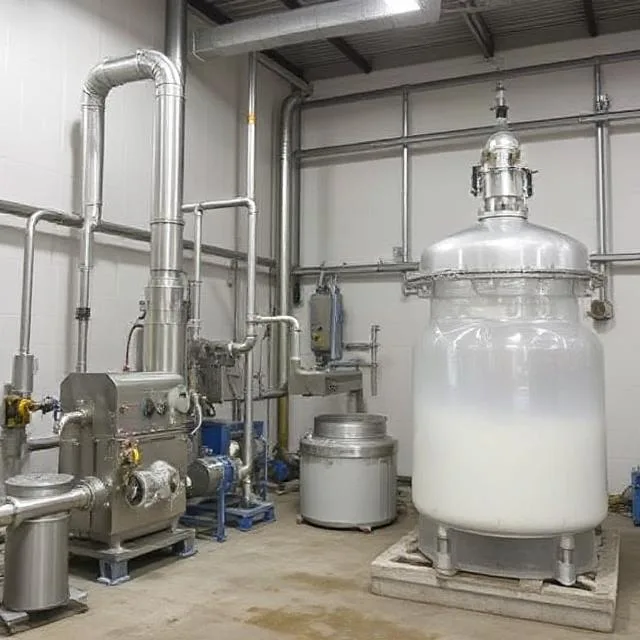
Magnesium is one of the most important light metals used in industries ranging from aerospace and automotive to electronics and medical equipment. The magnesium extraction process involves several key stages — from mining raw materials to refining pure magnesium metal.
Magnesium is extracted from minerals such as dolomite, magnesite, and carnallite, as well as from seawater and brine deposits. With growing global demand for lightweight and high-performance materials, efficient extraction processes have become a crucial part of modern metallurgical engineering.
Importance of Magnesium in Modern Industry
- Lightweight Metal: Magnesium is 75% lighter than steel and 33% lighter than aluminum, making it ideal for transport and aerospace applications.
- Excellent Strength-to-Weight Ratio: Enhances performance while reducing material weight in automotive design.
- Thermal Conductivity: Essential for heat dissipation in electronics and industrial machinery.
- Recyclability: Magnesium can be reused without losing its mechanical integrity, promoting sustainable production.
- Chemical Applications: Used in steel desulfurization, fertilizer production, and chemical synthesis.
Natural Sources of Magnesium
Magnesium occurs naturally in several minerals and environmental resources:
- Magnesite (MgCO₃): A common magnesium carbonate ore.
- Dolomite (CaMg(CO₃)₂): Contains both calcium and magnesium carbonates.
- Carnallite (KMgCl₃·6H₂O): Found in evaporite deposits.
- Seawater and Brine: Contain dissolved magnesium salts, accounting for nearly 90% of extractable magnesium sources globally.
Key Magnesium Extraction Methods
1. Thermal Reduction (Pidgeon Process)
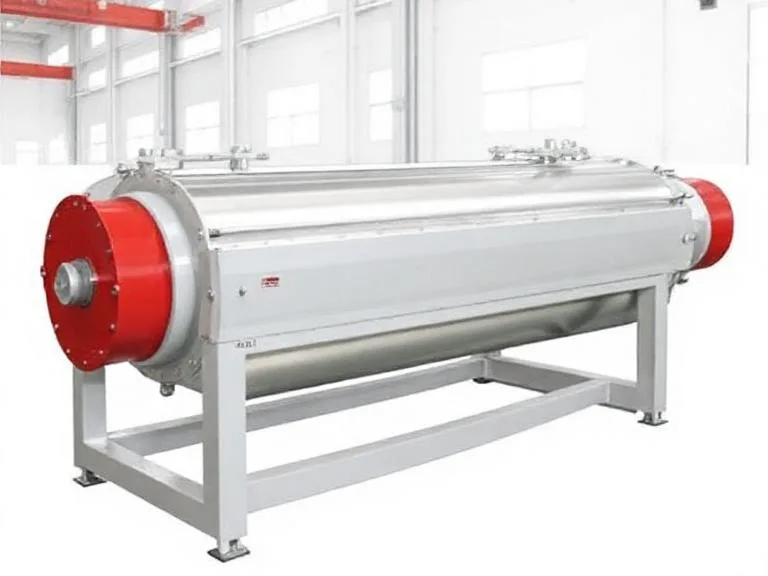
The Pidgeon process is the most widely used magnesium extraction technique, especially in China. It involves heating calcined dolomite with ferrosilicon in a vacuum furnace, producing magnesium vapor that condenses into solid magnesium.
- Temperature: 1,200–1,250°C
- Reaction: CaO·MgO + FeSi → Mg (vapor) + Ca₂SiO₄ + Fe
- Advantages: Low-cost equipment, high purity yield.
- Disadvantages: Energy-intensive and environmentally demanding.
2. Electrolytic Extraction
Electrolytic extraction is primarily used for magnesium chloride (MgCl₂) obtained from seawater or brine. The molten magnesium chloride is decomposed through electrolysis, separating magnesium metal from chlorine gas.
- Anode Reaction: 2Cl⁻ → Cl₂ + 2e⁻
- Cathode Reaction: Mg²⁺ + 2e⁻ → Mg
- Advantages: High-purity magnesium and by-product chlorine reuse.
- Disadvantages: Requires advanced energy management and corrosion-resistant materials.
3. Carbothermic Reduction
This process uses carbon to reduce magnesium oxide under high temperatures. Although still under research, it has potential for future energy-efficient magnesium extraction.
Essential Equipment in Magnesium Processing
Magnesium extraction requires a series of specialized mineral processing, screening, and separation machines to ensure purity and efficiency. This is where companies like ORO Mineral Co., Ltd. play a key role.
1. Sand Washing Machine (100 TPH Long Life)
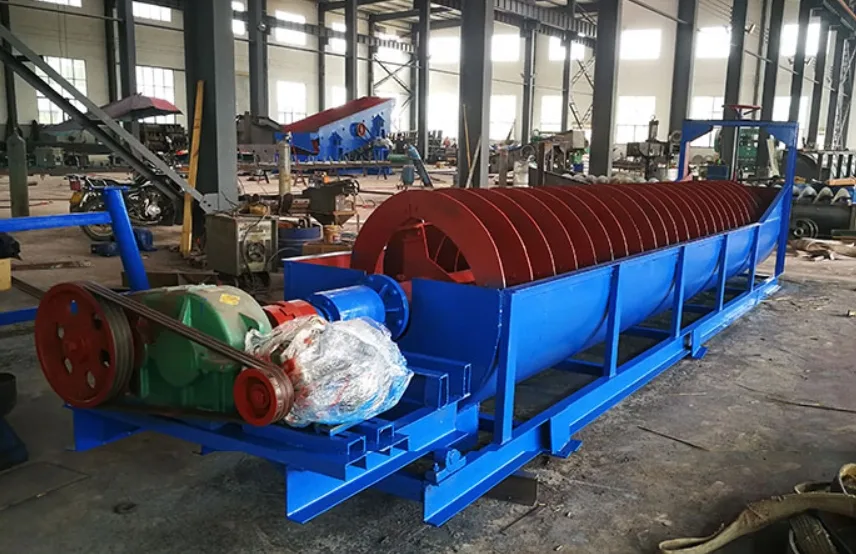
Ensures clean, uniform sand and ore feed by removing impurities and improving downstream processing performance.
2. Gravity Spiral Concentrator
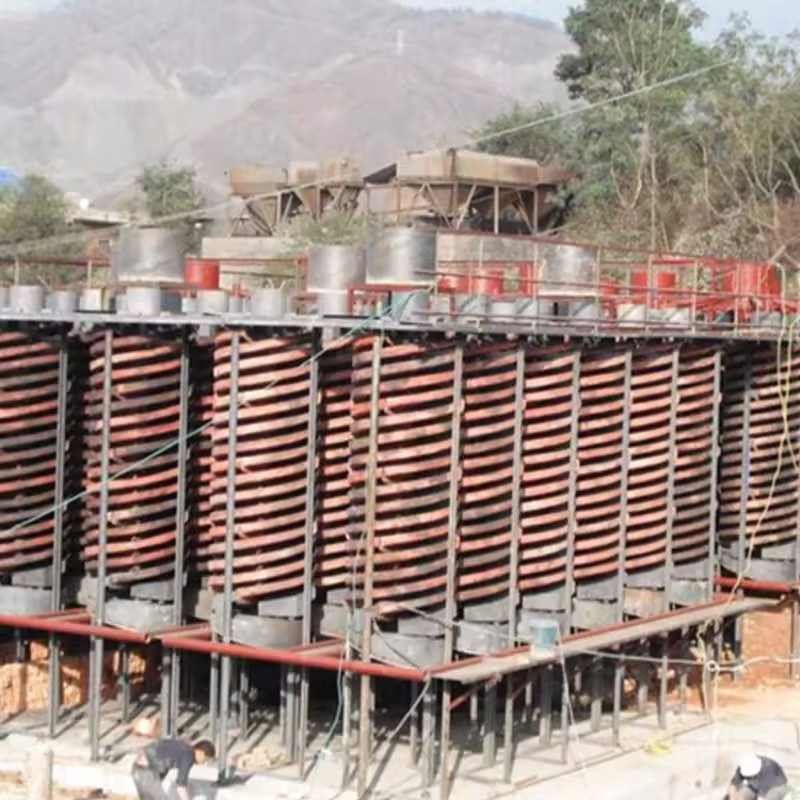
Utilizes gravitational forces to separate magnesium-bearing minerals based on density — efficient, eco-friendly, and cost-effective.
3. Belt Magnetic Separator (1.1kW)
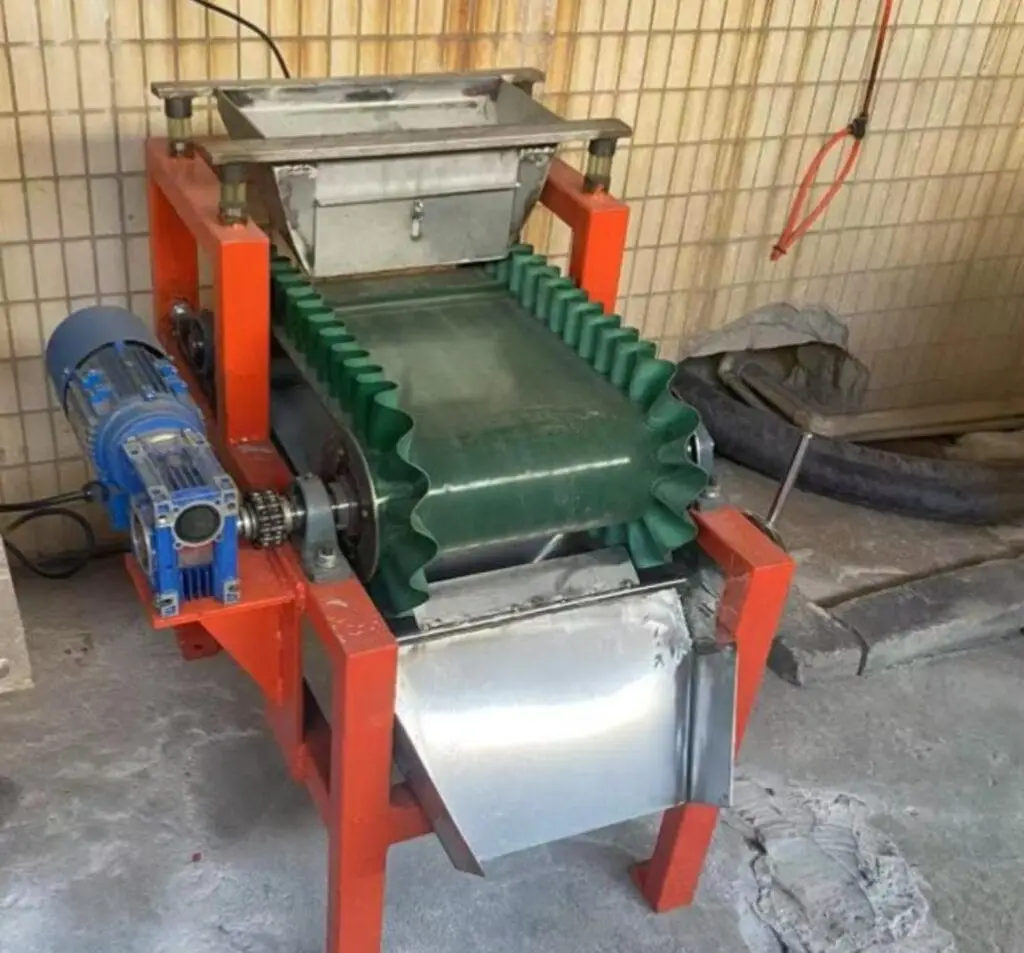
Separates ferromagnetic particles during magnesium ore refinement, protecting other processing equipment from metal contamination.
4. Eddy Current Separator Machine

Ideal for separating non-ferrous metals during recycling or secondary mineral extraction operations.
5. Gravity Spiral Chute Separator
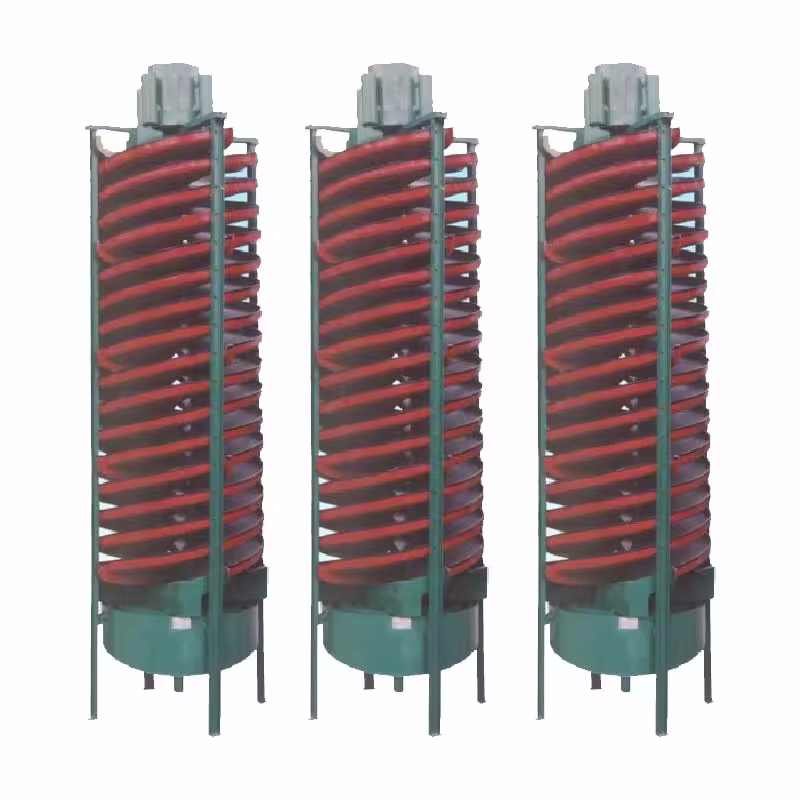
Provides high recovery rates for fine magnesium ore particles, improving yield in beneficiation plants.
About ORO Mineral Co., Ltd.
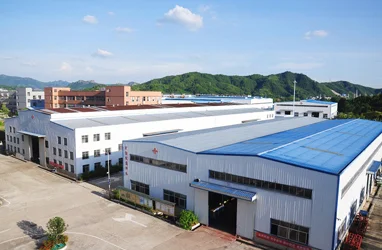
ORO Mineral Co., Ltd. is a large-scale intelligent mineral processing, screening, and sand washing equipment manufacturer, integrating R&D, production, and sales since 2014. The company is known for its commitment to technological innovation, high-quality products, and comprehensive customer support.
ORO Mineral’s expertise extends to multiple sectors, including solid waste recovery, beneficiation, washing, and mineral separation. Their equipment has been widely used across mining, metallurgy, and environmental industries.
Our Mission: To provide sustainable mineral processing solutions that promote efficiency, environmental protection, and industrial innovation.
Summary Table: Magnesium Extraction Process Overview
| Process | Main Raw Material | Technology Used | Advantages | Challenges |
|---|---|---|---|---|
| Pidgeon Process | Dolomite, Ferrosilicon | Thermal Reduction | Simple, cost-effective, high-purity output | Energy-intensive, CO₂ emissions |
| Electrolysis | Magnesium Chloride | Molten Salt Electrolysis | High purity, chlorine reuse | High energy cost, corrosion |
| Carbothermic Reduction | Magnesium Oxide | Carbon Reduction | Potential for automation | Experimental, high temperature |
Frequently Asked Questions (FAQs)
1. What is the main method used for magnesium extraction?
The Pidgeon process is the most commonly used method, particularly in China, due to its simplicity and high yield.
2. Which raw materials are used for magnesium extraction?
Magnesium can be extracted from dolomite, magnesite, carnallite, and seawater, depending on resource availability and cost.
3. What equipment is essential for efficient magnesium processing?
Key machines include sand washing systems, spiral concentrators, magnetic separators, and chute separators — all offered by ORO Mineral Co., Ltd..
4. Is magnesium extraction environmentally friendly?
Traditional thermal methods generate emissions, but modern innovations focus on energy efficiency and waste reduction through cleaner equipment.
5. What industries use magnesium the most?
Automotive, aerospace, steelmaking, electronics, and chemical manufacturing are the top magnesium-consuming industries.
References