How to Clean a Magnetic Separator: The Ultimate Maintenance Guide
In the world of industrial processing, magnetic separators act as the critical line of defense against ferrous contamination. Whether you are in mining, food processing, recycling, or aggregate industries, keeping your magnetic equipment clean is not just a matter of hygiene—it is a matter of efficiency and profit. Knowing how to clean a magnetic separator properly ensures maximum magnetic field intensity, prevents product contamination, and extends the lifespan of your expensive machinery.
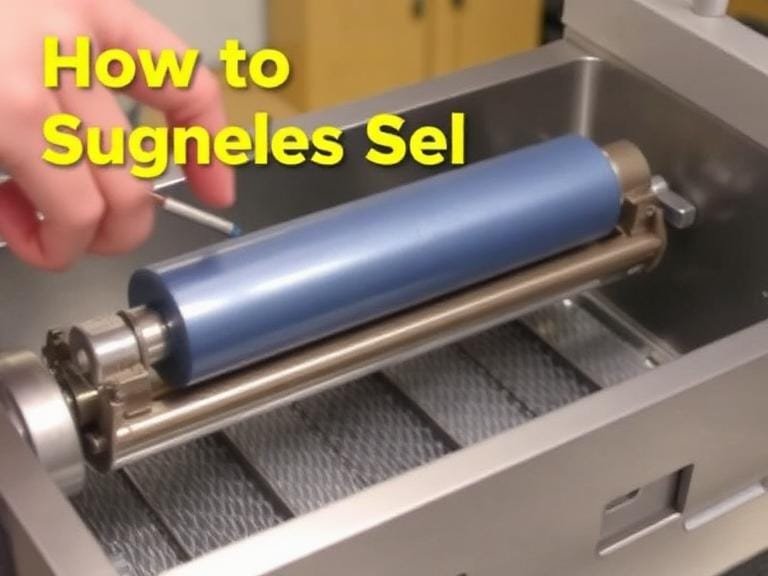
A dirty magnet is a weak magnet. As ferrous particles accumulate on the surface of a magnetic tube, plate, or drum, they short-circuit the magnetic field, significantly reducing the separator’s ability to capture new contaminants. This guide will walk you through the step-by-step procedures for cleaning various types of magnetic separators, from manual grates to advanced self-cleaning belt systems.

ORO Mineral Co., Ltd. is a large-scale intelligent mineral processing, screening, and sand washing equipment manufacturer integrating R&D, production, and sales. Since 2014, ORO Mineral has made great contributions to every kind of mineral screening, solid waste resource recovery, beneficiation, washing, and separation, and has accumulated rich experience.
In order to offer you better products and services, we have been sparing no effort to improve technology, develop new equipment, and upgrade services.
Core Solutions:
- 1. Why Cleaning Magnetic Separators is Critical
- 2. Safety First: Pre-Cleaning Checklist
- 3. How to Clean Manual Magnetic Separators
- 4. Cleaning Self-Cleaning Magnetic Separators
- 5. Maintenance of Wet Magnetic Separators
- 6. Best Practices for Schedule and Inspection
- 7. Summary Table: Cleaning Frequency by Type
- 8. Frequently Asked Questions (FAQs)
1. Why Cleaning Magnetic Separators is Critical
The efficiency of any magnetic separator is defined by its ability to attract and hold ferrous materials. However, magnetism has a physical limit. Once the surface of the magnet is covered with “tramp metal” (unwanted iron particles), the magnetic field lines are essentially blocked from reaching out further into the product stream. This phenomenon is known as “blinding.”
When you fail to learn how to clean a magnetic separator regularly, three major issues occur:
- Wash-off: If a magnet is overloaded, the flow of the product can knock collected metal back into the clean stream, causing a surge of contamination that is often worse than having no magnet at all.
- Reduced Strength: A layer of iron dust acts as a gap, reducing the pull force on subsequent particles.
- Equipment Damage: Large ferrous objects trapped on a belt or drum can damage the surface or tear conveyor belts if not removed promptly.
2. Safety First: Pre-Cleaning Checklist
Before approaching any industrial equipment, safety must be the priority. Magnetic separators, especially those using rare earth neodymium magnets, generate immense force. They can trap fingers, crush limbs, and interfere with medical devices like pacemakers.
Essential Safety Steps:
- Lockout/Tagout (LOTO): Ensure all power sources to conveyors, motors, and automated cleaning systems are turned off and locked out.
- Non-Magnetic Tools: Always use plastic, wooden, or non-magnetic stainless steel tools to scrape off debris. Using a steel screwdriver on a powerful magnet can result in it snapping onto the surface, potentially causing injury.
- PPE: Wear heavy-duty gloves. Collected tramp metal is often sharp (nails, shavings, shards) and can easily puncture skin during the wiping process.
- Pacemaker Warning: Personnel with pacemakers or insulin pumps must stay at a safe distance (usually 1 meter or more) from high-intensity magnets.
3. How to Clean Manual Magnetic Separators
Manual separators, such as grate magnets, tube magnets, and plate magnets, require human intervention to remove the collected metal. These are common in the plastics, food, and grain industries.
Cleaning Grate and Tube Magnets
Grate magnets consist of rows of magnetic tubes. To clean them:
- Stop the Flow: Halt the product stream completely.
- Remove the Grate: Pull the grate drawer out or lift the grate from the hopper.
- Wipe Down: Using a thick rag or a gloved hand, wipe the accumulated metal toward one end of the tube.
- Disposal: Push the metal off the end of the tube into a waste container. For “Easy-Clean” models, there is usually a sliding sleeve mechanism; simply pull the magnetic core out of the stainless steel sleeve, and the metal will fall off automatically.
Cleaning Plate Magnets
Plate magnets are often installed in chutes. Cleaning involves opening the chute door, swinging the plate magnet out (if hinged), and physically scraping the tramp iron off the face of the plate using a plastic scraper. Ensure the face is completely clean to restore maximum magnetic reach.
4. Cleaning Self-Cleaning Magnetic Separators
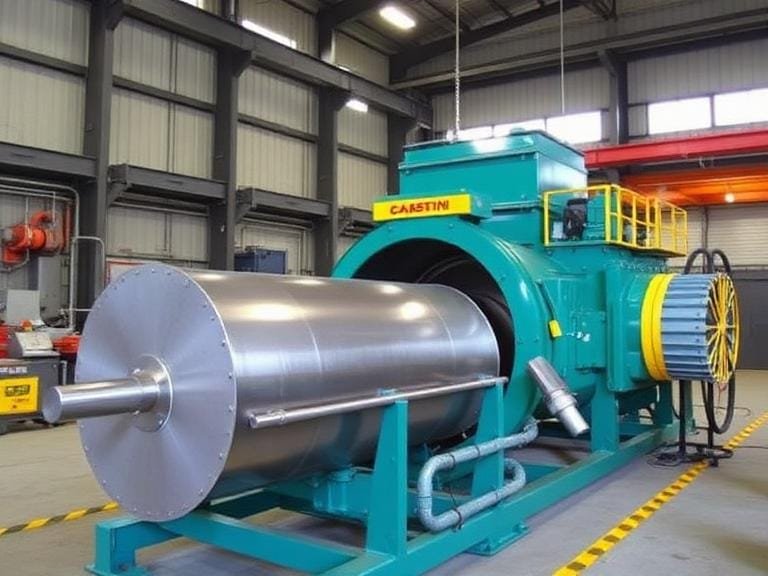
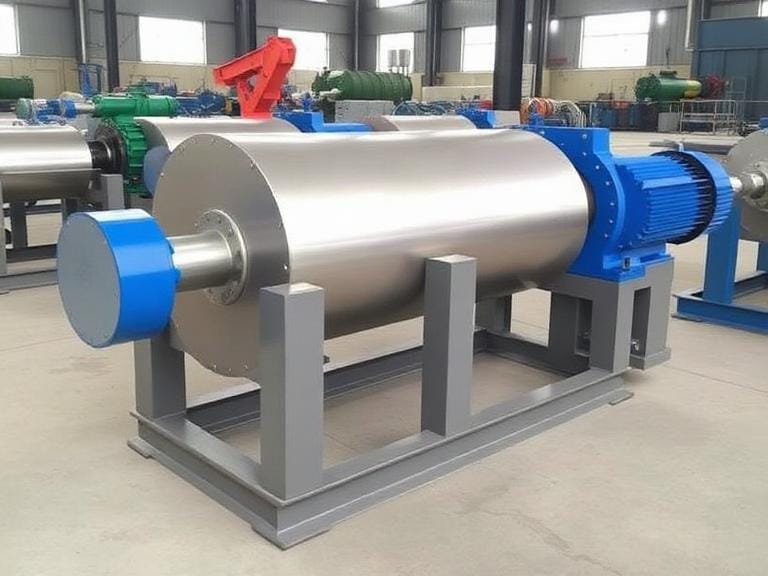
Self-cleaning units are designed to minimize downtime, but they still require maintenance to ensure the cleaning mechanism works correctly. High-end equipment, like the 1.1kw Belt Magnetic Separator from ORO Mineral, utilizes a moving belt to discharge metal automatically.
Belt Magnetic Separators (Overband Magnets)
These are suspended over conveyor belts. A cleated rubber belt rotates around the magnet block, sweeping attracted iron off the side.
- Inspect the Belt: Check the cleaning belt for tears, wear, or missing cleats. A damaged belt cannot effectively throw the iron off.
- Check the Discharge Zone: Ensure the chute or bin collecting the discharged metal is not full. If the metal piles up, it can jam the belt.
- Internal Cleaning: Occasionally, fine ferrous dust can work its way inside the belt mechanism. Remove the guards periodically to clean out any buildup that might affect the pulleys or motor.
Drum Magnets
In a drum separator, the internal magnet is stationary while the outer shell rotates. Ferrous metal sticks to the shell and rotates until it passes out of the magnetic field.
- Check the Shell: Look for wear spots on the stainless steel drum shell. Over time, abrasive materials can wear holes in the drum, allowing iron to enter the internal magnet assembly.
- Wiper Blade Maintenance: Many drums have a wiper or scraper blade to help dislodge sticky materials. Ensure this blade is adjusted correctly—close enough to clean, but not so tight that it creates drag.
5. Maintenance of Wet Magnetic Separators
Wet separators, used in mining for slurry processing, face unique challenges like rust and sludge buildup.
Backwashing Filters: For electromagnetic filters, the cleaning cycle typically involves shutting off the magnetic field and flushing water backward through the matrix to wash out trapped particles. Ensure the water pressure is sufficient to dislodge sticky clay or sludge.
Tank Cleaning: In wet drum separators, sediment can accumulate in the bottom of the tank, reducing flow efficiency. Periodically drain the tank and wash out any non-magnetic sedimentation using a high-pressure hose.
Companies like ORO Mineral Co., Ltd. specialize in these heavy-duty applications, offering equipment like the Sand Washing Machine 100 TPH Long Life which integrates seamlessly with wet magnetic separation processes.
6. Best Practices for Schedule and Inspection
Knowing how to clean a magnetic separator is only half the battle; knowing when is the other half.
Establishing a Frequency
There is no “one size fits all” schedule. You must audit your contamination levels:
- Clean the magnet.
- Run the process for 1 hour.
- Check the magnet. If it is “blinded” (covered), you need to clean every 30-45 minutes. If it is barely dirty, you can extend the interval to 4-8 hours.
For manual clean units, a strict logbook should be kept where operators sign off after every cleaning cycle. For automated units, regular inspections of the discharge chute confirm the system is working.
Pull Testing
Once a year, a “Pull Test” should be conducted using a specialized kit to measure the holding force of the magnet. If a magnet has lost significant strength due to heat or physical damage (dropping), cleaning it won’t help—it needs to be replaced or re-magnetized.
7. Summary Table: Cleaning Frequency by Type
Use this table as a general guideline for establishing your maintenance protocols.
| Separator Type | Cleaning Method | Typical Frequency | Common Industry |
|---|---|---|---|
| Grate / Drawer Magnet | Manual Wipe / Sleeve Pull | 1 – 8 Hours | Food, Plastic, Chemical |
| Plate Magnet | Manual Scrape (hinged) | Daily / Weekly | Aggregate, Grain, Feed |
| Overband (Belt) Magnet | Automatic (Continuous) | Inspect Weekly | Recycling, Mining, C&D |
| Drum Magnet | Automatic (Continuous) | Inspect Daily | Mining, Chemical |
| Liquid Trap Magnet | Manual Wipe | Batch End / Daily | Beverage, Dairy, Paint |
8. Frequently Asked Questions (FAQs)
Q: Can I use water to clean a magnetic separator?
A: It depends on the housing material. Stainless steel (304 or 316) is generally water-safe. However, if the magnet elements inside are not fully sealed, water ingress can cause the magnets to rust and swell (especially rare earth magnets), which will split the tubes. Always wipe dry immediately after washing.
Q: Why is my self-cleaning belt magnet not dropping the metal?
A: This usually happens for two reasons: 1) The belt cleats are worn down and cannot push the metal out of the magnetic field, or 2) The magnetism is so strong and the metal piece so large that the belt motor lacks the torque to pull it away. Check belt tension and motor health.
Q: How do ORO Mineral products help with maintenance?
A: Products like the Eddy Current Separator Machine and Gravity Spiral Chute Separator from ORO Mineral are designed with “intelligent mineral processing” in mind. They often feature robust access panels and durable wear parts to minimize the frequency of maintenance interventions.
Q: Does heat affect the magnet during cleaning?
A: Yes. If you use hot water or steam to clean, ensure the temperature does not exceed the magnet’s rating. Standard Neodymium magnets can lose strength permanently if exposed to temperatures above 80°C (176°F). High-temperature grades are available but must be specified.