How Much Does Multi Gravity Separator Cost in 2026? An Expert Industry Analysis
In the highly competitive landscape of mineral processing and metallurgical plant optimization, engineers and procurement managers are constantly evaluating equipment that can efficiently recover fine and ultra-fine heavy minerals. One of the most frequently asked questions we encounter during plant design consultations is regarding capital expenditure for centrifugal concentration technologies. Specifically, professionals need to understand the precise Multi gravity separator cost in 2026 to justify their flowsheet upgrades. Recovering particles down to the 1-micron range requires significant force, and while multi gravity separators (MGS) deliver on metallurgical recovery, their financial implications require careful analysis.
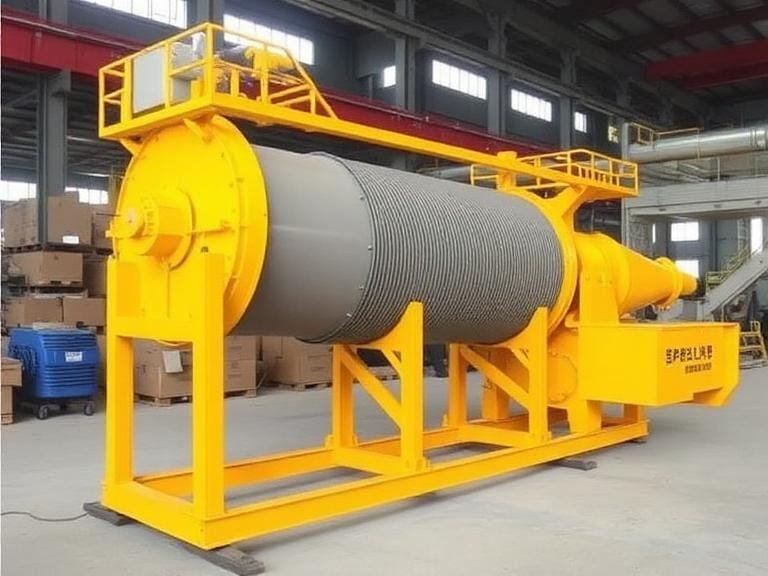
From our experience at ORO Mineral, estimating the Multi gravity separator cost involves looking far beyond the initial purchase price. Plant operators must factor in ongoing maintenance, power consumption, complex installation infrastructure, and operator training. While the MGS provides immense centrifugal force to separate fine particles, the associated capital and operational expenditures can often be prohibitive for mid-tier mining operations or those processing lower-grade ores.
We recommend a holistic approach to equipment procurement. In this authoritative guide, we will break down the current market pricing for multi gravity separators, analyze the variables driving these costs, and present highly efficient, cost-effective alternatives such as the ORO Mineral Gravity Spiral Chute Separator. By understanding the true Multi gravity separator cost, you can engineer a processing circuit that maximizes both mineral recovery and financial profitability.
Table of Contents
- Summary Table: Multi Gravity Separator Cost Breakdown 2026
- Understanding the Factors Influencing Multi Gravity Separator Cost
- The ORO Mineral Alternative: Gravity Spiral Chute Separator
- Hidden Expenses Impacting Your Multi Gravity Separator Cost
- Evaluating ROI: Is the Multi Gravity Separator Cost Justified?
- Expert Recommendations for 2026 Procurement
- Frequently Asked Questions (FAQs)
- Industry References
Summary Table: Multi Gravity Separator Cost Breakdown 2026
To provide immediate clarity on capital requirements, we have compiled a summary matrix detailing the estimated Multi gravity separator cost across different operational capacities. Please note that these figures represent global market averages for 2026 and can fluctuate based on specific metallurgical customization and regional logistics.
| Equipment Category / Capacity | Estimated Initial Purchase Price (USD) | Estimated Annual Maintenance Cost | Primary Application |
|---|---|---|---|
| Laboratory / Pilot Scale (Low Capacity) | $45,000 – $75,000 | $5,000 – $8,000 | Metallurgical testing, rare earth sampling |
| Standard Industrial Scale (Mid Capacity) | $120,000 – $250,000 | $15,000 – $25,000 | Tin, tungsten, and fine gold recovery circuits |
| High-Tonnage Industrial Systems | $300,000 – $600,000+ | $35,000 – $60,000 | Large-scale base metal tailings retreatment |
| ORO Mineral Gravity Spiral Chute | Highly Competitive (Fraction of MGS) | Negligible | High-efficiency roughing, scavenging, and cleaning |
Understanding the Factors Influencing Multi Gravity Separator Cost
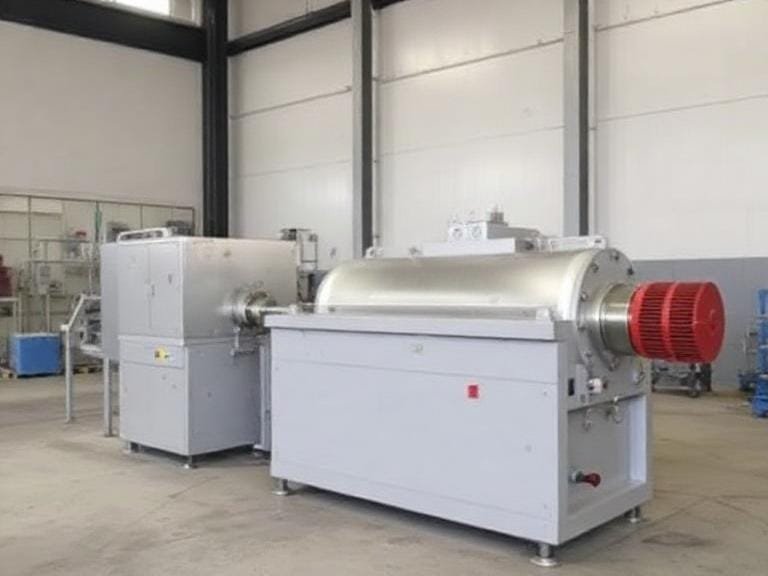
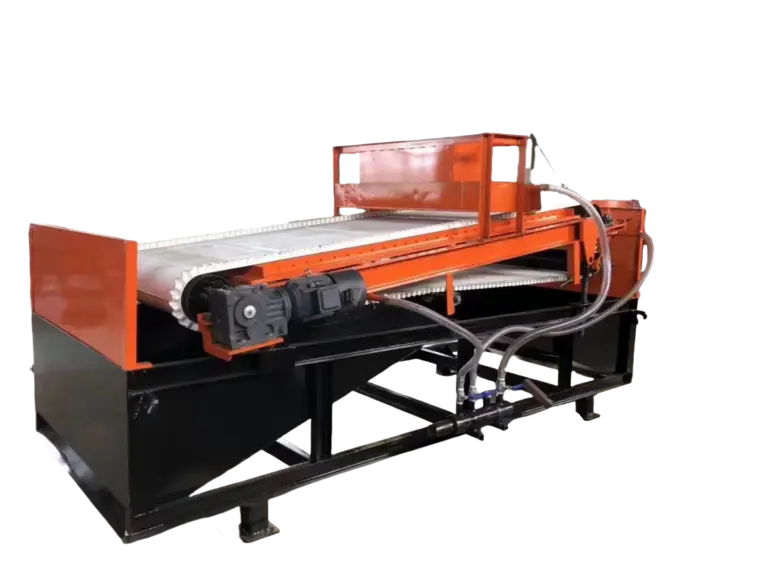
When you request a quotation from a manufacturer, the Multi gravity separator cost you receive is dictated by several complex engineering variables. An MGS operates by wrapping the principles of a shaking table around a rotating drum, utilizing centrifugal force to enhance the gravitational pull on microscopic particles. The mechanical complexity of this design inherently drives up the price.
Capacity and Throughput Requirements
The most significant driver of the Multi gravity separator cost is the volumetric capacity of the unit. Because the MGS is designed for ultra-fine particle recovery, its throughput is notoriously low compared to other gravity concentration devices. To process a high tonnage of ore, a plant must often install multiple MGS units in parallel. Therefore, the Multi gravity separator cost scales linearly and aggressively as your plant throughput increases.
Material of Construction and Durability
Processing highly abrasive mineral slurries wears down internal components rapidly. To mitigate this, manufacturers use high-grade polyurethanes, specialized rubber linings, and stainless steel alloys for the rotating drums and scraping mechanisms. Upgrading these wear parts to handle highly corrosive or abrasive ores will significantly inflate the base Multi gravity separator cost.
Technological Advancements and Automation
In 2026, modern processing plants demand integration with SCADA (Supervisory Control and Data Acquisition) systems. A premium Multi gravity separator cost often includes advanced variable frequency drives (VFDs), automated wash-water controls, and remote monitoring sensors. While these features optimize metallurgical performance, they add tens of thousands of dollars to the initial capital expenditure.
The ORO Mineral Alternative: Gravity Spiral Chute Separator
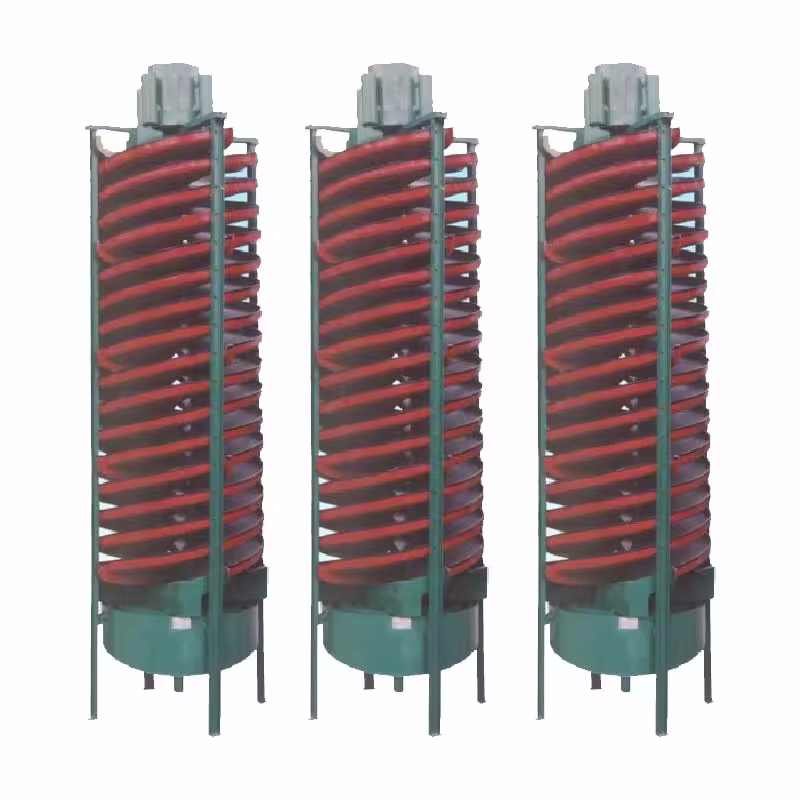
From our experience analyzing thousands of mineral processing flowsheets, we frequently observe that the high Multi gravity separator cost cannot be financially justified for the roughing or scavenging stages of a circuit. Instead, plants achieve vastly superior return on investment by deploying static gravity concentration devices before, or instead of, an MGS. We recommend integrating the ORO Mineral Gravity Spiral Chute Separator into your flowsheet to drastically reduce your overall capital and operating expenses.
The ORO Mineral Gravity Spiral Chute Separator is a masterclass in fluid dynamics and gravity separation. It utilizes the natural flow of water and gravity to separate minerals of different specific gravities. Because it lacks moving parts, it inherently bypasses the astronomical Multi gravity separator cost while still delivering exceptional metallurgical results. Below are the main features of our flagship spiral separator:
| Feature | Description |
|---|---|
| Reasonable Structure & Small Occupation Area | The Oromineral Gravity Spiral Chute Separator boasts a well-thought-out design that maximizes efficiency while minimizing space utilization. Its compact footprint makes it ideal for installation in even the most constrained environments. |
| High Recovery, High Efficiency, & Precise Separation | Engineered for optimal performance, the chute ensures high recovery rates and precise separation of materials. Its advanced design allows for efficient classification and separation, reducing waste and enhancing productivity. |
| Lightweight, Rust & Corrosion Resistant | Constructed from high-quality, lightweight materials, the Oromineral Gravity Spiral Chute Separator is built to last. Its rust and corrosion-resistant properties ensure long-term durability and reliability, even in harsh operational conditions. |
| Simple Installation & Minimal Maintenance Requirements | Installation of the Oromineral Gravity Spiral Chute is quick and straightforward, requiring minimal downtime. With minimal maintenance needs, you can focus on your core operations without the hassle of constant repairs and upkeep. |
| Low Operating Cost & Long Operating Life | The chute’s energy-efficient design ensures low operating costs, saving you money in the long run. Coupled with its durable construction, the Oromineral Gravity Spiral Chute offers an extended operational lifespan, maximizing your investment. |
| Reliable Running with Minimal Operator Attention | Designed for reliability, the chute requires minimal operator intervention, allowing for seamless integration into your existing processes. Its dependable performance ensures consistent results and reduced downtime. |
| Strong Adaptability to Fluctuation of Feeding Amount, Density, Size, and Grade | The Oromineral Gravity Spiral Chute Separator demonstrates exceptional adaptability, easily accommodating variations in feeding amounts, material densities, sizes, and grades. This ensures consistent performance and separation accuracy across a wide range of operational conditions. |
Hidden Expenses Impacting Your Multi Gravity Separator Cost
When calculating the true Multi gravity separator cost, procurement teams often overlook the operational expenditures (OPEX). Unlike the ORO Mineral Gravity Spiral Chute, which uses zero electricity and has no moving parts, an MGS is a power-intensive, mechanically complex machine.
Installation and Infrastructure
The dynamic forces generated by a spinning MGS drum require heavy, reinforced concrete foundations to prevent severe harmonic vibrations from damaging the plant structure. The engineering and pouring of these specialized foundations add a massive hidden premium to the initial Multi gravity separator cost. In stark contrast, the ORO Mineral spiral chute features a lightweight structure with simple installation requirements.
Maintenance and Operator Attention
From our experience, the ongoing maintenance required for an MGS is the most challenging aspect of its ownership. The mechanical scrapers, bearings, and drive belts require constant lubrication and frequent replacement. The downtime required for these repairs directly impacts plant profitability. This makes the minimal maintenance requirements and reliable running with minimal operator attention of the ORO Mineral Gravity Spiral Chute highly attractive for cost-conscious operators.
Evaluating ROI: Is the Multi Gravity Separator Cost Justified?
To determine if the Multi gravity separator cost is justified, you must conduct a rigorous metallurgical accounting of your ore. If your target mineral is highly valuable (such as platinum group metals, fine gold, or rare earth elements) and is heavily locked in the ultra-fine fraction (below 20 microns), the high Multi gravity separator cost may eventually pay for itself through increased recovery.
However, for the vast majority of base metal, iron ore, and heavy mineral sand operations, investing millions into an MGS bank is financially inefficient. We recommend deploying the ORO Mineral Gravity Spiral Chute Separator as the primary rougher and scavenger in your circuit. The spiral’s strong adaptability to fluctuation of feeding amount, density, size, and grade ensures that you capture the bulk of your heavy minerals at a fraction of the Multi gravity separator cost. If ultra-fine cleaning is absolutely necessary, a single MGS can be placed at the very end of the circuit to treat the spiral concentrates, thereby minimizing your capital exposure.
Expert Recommendations for 2026 Procurement
As we look at the economic trends of 2026, lowering production costs per ton is the primary goal for mining operations globally. The Multi gravity separator cost remains high due to its specialized nature. We recommend that before committing to this expenditure, plant managers should pilot test their ore using modern, advanced spiral technology.
From our experience, upgrading to the ORO Mineral Gravity Spiral Chute Separator often yields metallurgical recoveries that meet or exceed plant targets without the burden of high power consumption or mechanical failures. By choosing equipment with a low operating cost and long operating life, you protect your operation against fluctuating commodity prices and ensure sustainable profitability for decades to come. If you are struggling to balance your flowsheet economics against a prohibitive Multi gravity separator cost, contact the engineering team at ORO Mineral to explore our high-efficiency gravity solutions.
Frequently Asked Questions (FAQs)
Why is the Multi gravity separator cost so much higher than a spiral chute?
The Multi gravity separator cost is high because it is an active mechanical device. It requires electric motors, variable frequency drives, spinning drums, and internal mechanical scrapers to generate centrifugal force. A spiral chute, like the ORO Mineral separator, is a passive device that uses the natural forces of gravity and water flow, eliminating the need for expensive motors and moving parts.
Can I replace an MGS entirely to avoid the high Multi gravity separator cost?
In many cases, yes. For particles ranging from 2mm down to roughly 30 microns, the ORO Mineral Gravity Spiral Chute Separator provides precise separation and high recovery. If your valuable minerals fall within this range, you can entirely bypass the Multi gravity separator cost. For ultra-fines (below 10 microns), an MGS might still be required as a final cleaner.
How does maintenance affect the lifetime Multi gravity separator cost?
Maintenance significantly inflates the total Multi gravity separator cost over its lifespan. The continuous replacement of internal wear parts, bearings, and drive components, coupled with the labor required for these repairs, adds tens of thousands of dollars annually to your OPEX. Conversely, spiral chutes require almost zero maintenance.
How do I find out the exact Multi gravity separator cost for my specific ore?
Because the Multi gravity separator cost varies based on throughput capacity and the specific corrosive nature of your slurry, you must consult directly with equipment manufacturers for a tailored quote. However, we recommend running parallel pilot tests with an ORO Mineral spiral chute to compare the financial ROI before making a final purchasing decision.
“`
Industry References
1. Global Journal of Minerals and Metallurgical Processing. “Economic Analysis of Centrifugal vs. Static Gravity Concentration Circuits in 2026.”
2. International Institute of Mining Engineering. “Evaluating Capital Expenditure: The True Multi gravity separator cost in Fine Particle Recovery.”