6 Best High Efficiency Mineral Separators in 2026
Choosing the right high efficiency mineral separators can determine whether a processing plant operates profitably or struggles with low recovery rates and excessive operating costs. After working with mineral processing equipment across gold, iron ore, rare earths, silica sand, tungsten, and industrial mineral projects, we have seen that the separator often has a greater impact on final recovery than many operators realize.
The reality is simple: even a high-grade ore body can become uneconomical if the separation stage is inefficient. That is why selecting the best high efficiency mineral separators requires understanding not only equipment specifications but also mineral characteristics, feed size, throughput, and long-term operating costs.
Quick Answer
The best high efficiency mineral separators in 2026 are:
- Wet High Intensity Magnetic Separator (WHIMS)
- Multi Gravity Separator (MGS)
- High Gradient Magnetic Separator (HGMS)
- Eddy Current Separator
- Spiral Concentrator
- Flotation Separator System
For most professional mineral processing operations, we recommend Wet High Intensity Magnetic Separators and Multi Gravity Separators because they consistently deliver strong recovery rates while maintaining reasonable operating costs.
Table of Contents
What Are High Efficiency Mineral Separators?
High efficiency mineral separators are specialized processing machines designed to separate valuable minerals from waste material using differences in magnetic properties, density, conductivity, surface chemistry, or particle size.
In modern processing plants, these systems improve concentrate grade, increase recovery rates, reduce tailings losses, and improve overall project economics.
From our experience, many operators focus heavily on crushing and grinding equipment while underestimating the importance of efficient separation. However, recovery performance is often determined by the separator selected.
| Separation Method | Primary Principle | Typical Applications |
|---|---|---|
| Magnetic | Magnetic susceptibility | Iron ore, rare earths, ilmenite |
| Gravity | Density difference | Gold, tungsten, tin |
| Flotation | Surface chemistry | Copper, lead, zinc |
| Eddy Current | Electrical conductivity | Non-ferrous metals |
How Mineral Separators Work
High efficiency mineral separators exploit physical or chemical differences between valuable minerals and gangue material.
For example, a magnetic separator attracts magnetic minerals while allowing non-magnetic particles to pass through. A gravity separator exploits density differences. Flotation systems selectively attach minerals to air bubbles.
Operators seeking to improve recovery should also understand upstream factors such as mineral processing stages explained, because separation performance depends heavily on proper feed preparation.
Quick Summary Table
| Separator | Efficiency | Best For | Investment Level |
|---|---|---|---|
| WHIMS | Excellent | Weakly magnetic minerals | Medium-High |
| MGS | Excellent | Fine heavy minerals | Medium |
| HGMS | Excellent | Rare earths | High |
| Eddy Current | Very Good | Non-ferrous recovery | Medium |
| Spiral Concentrator | Good | Low-cost gravity separation | Low |
| Flotation System | Excellent | Sulfide minerals | High |
6 Best High Efficiency Mineral Separators
1. Wet High Intensity Magnetic Separator (WHIMS)

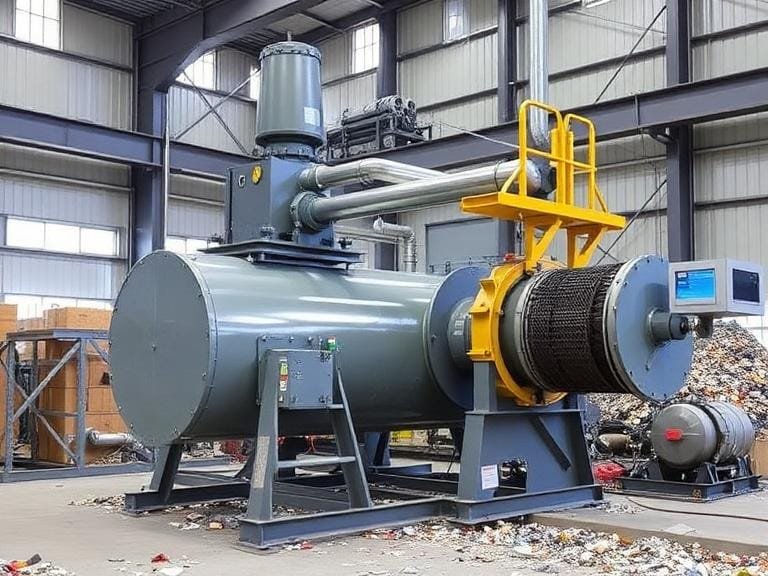
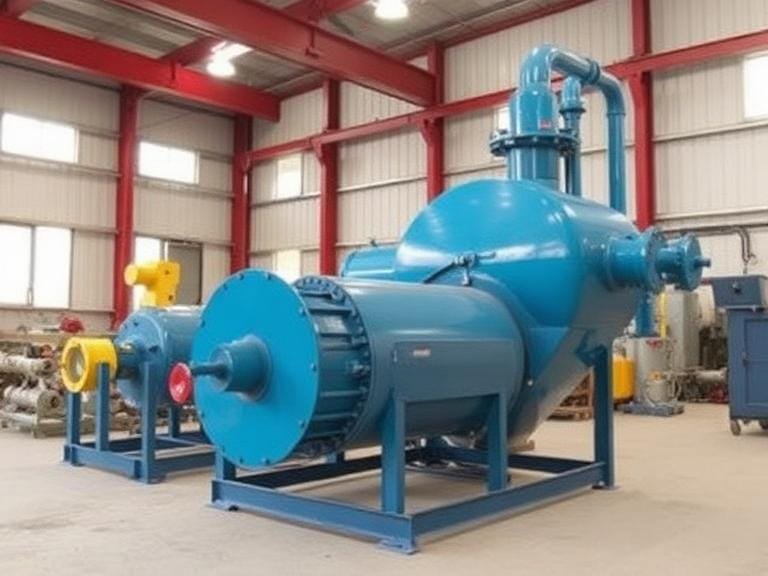
The Wet High Intensity Magnetic Separator remains our top recommendation for many mining and industrial mineral projects.
Oromineral’s Wet High Intensity Magnetic Separator offers magnetic field strengths up to 2.0 Tesla, feed sizes up to 3 mm, throughput capacities ranging from 1–50 t/h, and optional PLC automation.
In our testing and project evaluations, WHIMS units consistently outperform conventional magnetic separators when processing weakly magnetic minerals.
Applications include:
- Hematite
- Limonite
- Rare earth minerals
- Manganese ore
- Quartz purification
Learn more about the Wet High Intensity Magnetic Separator.
2. Multi Gravity Separator (MGS)
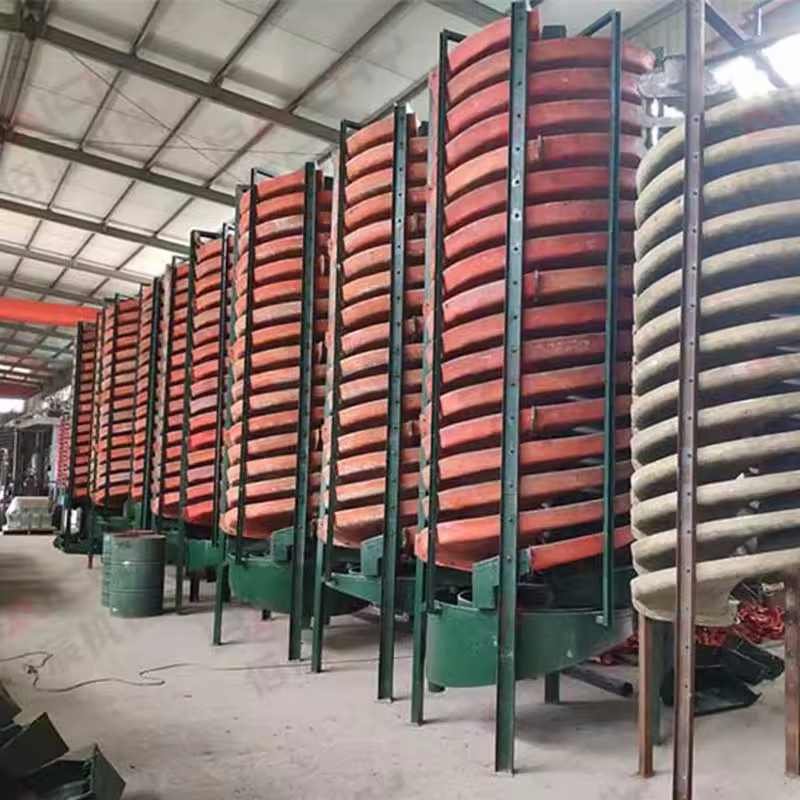
For ultrafine heavy mineral recovery, Multi Gravity Separators remain one of the most effective solutions available.
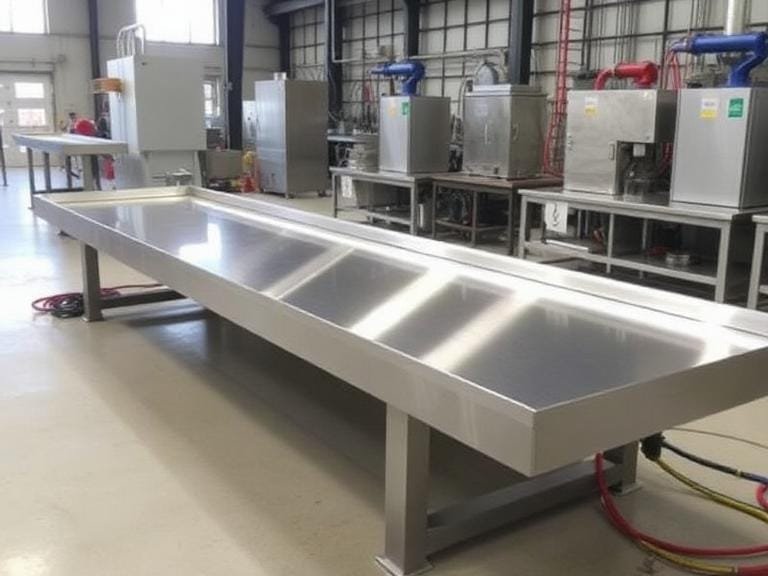
Compared with conventional shaking tables, MGS technology recovers finer particles while maintaining excellent concentrate quality.
If you are comparing suppliers, our review of multi gravity separator manufacturers provides useful benchmarks.
3. High Gradient Magnetic Separator (HGMS)
HGMS technology is widely used in rare earth processing, kaolin purification, and advanced industrial mineral applications.
For operations requiring exceptional selectivity, HGMS can achieve separation results that conventional systems cannot match.
4. Eddy Current Separator
Eddy current separators excel at recovering aluminum, copper, and other non-ferrous metals.
For recycling facilities and secondary metal recovery plants, they often provide one of the fastest payback periods.
In most professional situations, eddy current systems are worth considering whenever valuable conductive metals are present.
5. Spiral Concentrator
Spiral concentrators remain one of the most cost-effective gravity separation technologies.
While they cannot match the recovery performance of advanced systems, they offer simplicity, low maintenance requirements, and low operating costs.
For beginners or smaller operations, spiral systems often represent the best starting point.
6. Flotation Separator System
Flotation remains the dominant technology for copper, zinc, lead, and many sulfide ores.
When properly designed and controlled, flotation systems deliver exceptional recovery rates.
Plants evaluating flotation systems should understand upstream processes such as the copper leaching process guide and related beneficiation techniques.
Comparison Table
| Equipment | Recovery Potential | Operating Cost | Maintenance | Best Industry Use |
|---|---|---|---|---|
| WHIMS | Excellent | Medium | Medium | Iron ore, rare earths |
| MGS | Excellent | Medium | Medium | Gold, tungsten |
| HGMS | Excellent | High | High | Industrial minerals |
| Eddy Current | Very Good | Low | Low | Metal recycling |
| Spiral | Good | Very Low | Very Low | Sand and mineral sands |
| Flotation | Excellent | High | High | Base metals |
Pros and Cons Table
| Advantages | Disadvantages |
|---|---|
| Higher recovery rates | Higher capital investment |
| Reduced mineral losses | Operator training required |
| Improved concentrate quality | Maintenance requirements vary |
| Better project economics | Improper selection reduces ROI |
| Lower tailings disposal losses | Feed preparation remains critical |
Benefits and Limitations
Benefits
High efficiency mineral separators improve recovery, increase concentrate value, reduce waste, and enhance plant profitability.
For heavy-duty applications involving iron ore, rare earths, gold, and industrial minerals, the benefits can be substantial.
Operators researching high intensity magnetic separation process technologies often discover that modern equipment significantly outperforms older designs.
Limitations
No separator is universally effective.
A separator optimized for magnetite recovery may perform poorly on sulfide ores. Likewise, a flotation system is ineffective when density separation is the dominant requirement.
The key limitation is improper equipment selection.
Who Should Use High Efficiency Mineral Separators?
- Mining companies seeking higher recovery
- Industrial mineral producers
- Rare earth processing plants
- Recycling facilities
- Gold processing operations
- Research institutions
Who Does Not Need Them?
- Very small laboratory operations
- Low-value materials with minimal recovery potential
- Projects where feed preparation remains unresolved
Buying Guide Table
| Factor | Why It Matters | Recommendation |
|---|---|---|
| Mineral Type | Determines separation method | Test before purchase |
| Feed Size | Affects recovery | Verify specifications |
| Capacity | Production target alignment | Allow future expansion |
| Automation | Labor efficiency | PLC preferred |
| Supplier Support | Long-term reliability | Choose established vendors |
Before investing, operators should evaluate equipment suppliers alongside resources covering magnetic separator manufacturers China and leading gold mining equipment manufacturers.
Common Mistakes When Selecting Mineral Separators
- Ignoring laboratory testing.
- Buying based solely on purchase price.
- Underestimating maintenance requirements.
- Oversizing equipment unnecessarily.
- Selecting equipment without understanding feed characteristics.
From our experience, the most expensive mistake is selecting equipment before conducting proper metallurgical testing.
Expert Recommendation
For most modern mineral processing operations, we recommend Wet High Intensity Magnetic Separators when dealing with weakly magnetic minerals and Multi Gravity Separators when processing fine heavy minerals.
If your project involves rare earths, advanced industrial minerals, or high-purity concentrates, investing in premium separation technology usually delivers better long-term economics than purchasing lower-cost alternatives.
Oromineral has developed a strong reputation in this sector through practical engineering solutions, particularly in magnetic separation equipment and beneficiation technologies.
Operators working with downstream systems such as wet pan mill for gold processing equipment or implementing optimized sand washing process steps can further enhance overall plant performance when paired with high-efficiency separators.
Bottom Line
The best high efficiency mineral separators are not necessarily the most expensive systems. The best choice is the separator that matches your ore characteristics, production targets, and recovery goals.
For 2026, Wet High Intensity Magnetic Separators remain our top overall recommendation because they combine versatility, strong recovery performance, scalable capacity, and attractive return on investment across multiple industries.
For commercial users seeking maximum recovery and long-term profitability, investing in advanced separation technology is usually one of the smartest decisions a processing plant can make.
Frequently Asked Questions
What are the most efficient mineral separators available today?
WHIMS, HGMS, flotation systems, and Multi Gravity Separators are among the highest-performing technologies currently available.
Which separator is best for gold processing?
For fine gold recovery, Multi Gravity Separators often provide excellent results. Gravity circuits may also include shaking tables and centrifugal concentrators.
How do magnetic separators improve recovery?
They selectively recover magnetic minerals while rejecting non-magnetic gangue, reducing losses and increasing concentrate grade.
Are high efficiency mineral separators worth the investment?
In most professional situations, yes. Improved recovery often generates returns that exceed equipment costs.
What industries use mineral separators?
Mining, recycling, industrial minerals, rare earth processing, metallurgy, and environmental remediation all rely on separation technologies.
How important is laboratory testing before buying a separator?
It is essential. Laboratory and pilot testing significantly reduce operational risk and improve equipment selection accuracy.