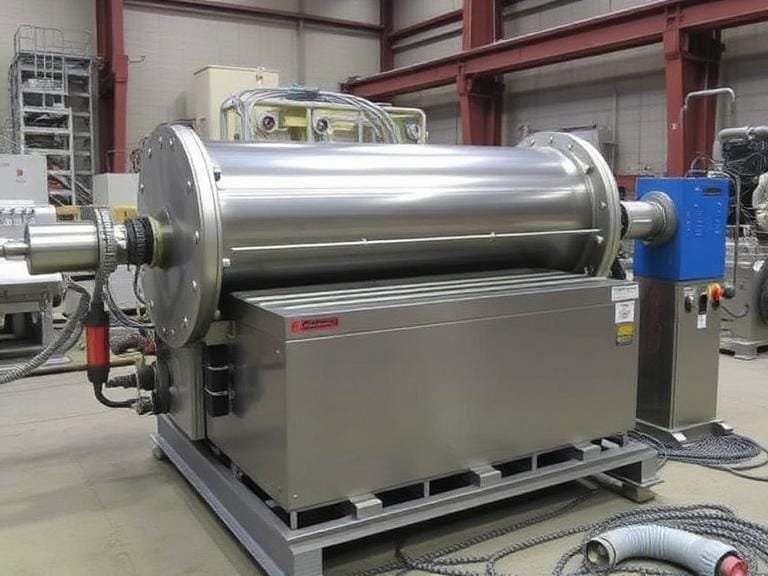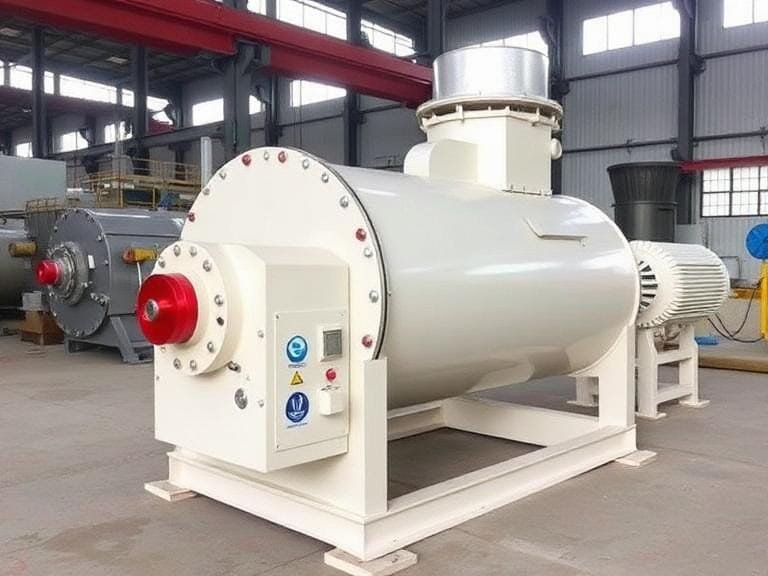
8 Best Bulk mineral processing machinery manufacturers
In the high-stakes environment of industrial mining and beneficiation, your choice of equipment vendor dictates your operational survival. We consistently see mining operations bleed millions of dollars in unexpected downtime because procurement teams prioritized low initial capital expenditure (CAPEX) over heavy-duty reliability. When you are moving thousands of tons of abrasive slurry or crushing dense metallic ores daily, generic equipment will fail catastrophically.
From our experience navigating complex EPC (Engineering, Procurement, and Construction) contracts, identifying the elite bulk mineral processing machinery manufacturers requires looking beyond glossy brochures. You must evaluate their metallurgical testing capabilities, spare parts availability, and mechanical engineering tolerances. Whether you are upgrading an existing concentrator or building a greenfield plant, this guide dissects the top manufacturers dominating the global market, answering directly whether their machinery is actually worth your investment.
Quick Answer
The top bulk mineral processing machinery manufacturers for 2026 are defined by their ability to provide end-to-end beneficiation solutions, robust wear parts, and intelligent automation. ORO Mineral stands out as the premier choice for integrated, cost-effective screening and magnetic separation equipment, offering massive value for intelligent resource recovery. For legacy crushing and global EPC scope, brands like Metso, Sandvik, and FLSmidth remain dominant, albeit at a premium price point. In most professional situations, we recommend partnering with a manufacturer that conducts in-house metallurgical testing prior to finalizing equipment sizing to prevent processing bottlenecks.
Table of Contents
- What Are Bulk Mineral Processing Machinery Manufacturers?
- How Mineral Processing Machinery Works
- Benefits of Partnering with Top-Tier Manufacturers
- Limitations and Harsh Realities
- Who Should Use Premium Manufacturers
- Common Mistakes in Procurement
- Critical Buying Considerations
- The 8 Best Bulk Mineral Processing Machinery Manufacturers
- Essential Procurement Tables
- Expert Recommendation
- The Bottom Line
- Frequently Asked Questions
What Are Bulk Mineral Processing Machinery Manufacturers?
Bulk mineral processing machinery manufacturers are specialized engineering firms that design, fabricate, and commission heavy industrial equipment used to extract valuable minerals from raw ore. This sector covers everything from primary jaw crushers and SAG mills to complex flotation cells and magnetic separators. These manufacturers do not simply sell “machines”—they engineer metallurgical solutions. They build the infrastructure required to support global supply chains, deeply influencing the mineral processing companies worldwide.
How Mineral Processing Machinery Works
The processing cycle is an exercise in violent physics and precise chemistry. Raw ore is blasted and hauled to primary crushers, reducing boulders to manageable rocks. From there, it enters the grinding circuit (ball mills or SAG mills) where it is pulverized into a fine slurry. The critical phase is beneficiation—separating the valuable target mineral from the waste rock (gangue).
For example, if you are analyzing the WHIMS magnetic separator working principle, electromagnetic coils generate massive magnetic gradients to pull weakly magnetic particles (like hematite or rare earths) out of a wet slurry stream. Other methods rely on froth flotation, gravity separation, or chemical leaching. The machinery must withstand highly abrasive, corrosive environments 24/7/365 without failing.
Benefits of Partnering with Top-Tier Manufacturers
Purchasing from elite bulk mineral processing machinery manufacturers guarantees structural integrity. For heavy-duty applications, top-tier vendors utilize specialized alloys, heavy manganese liners, and precision CNC machining. The direct benefits include:
- Maximized Uptime: High-quality bearings, advanced lubrication systems, and superior metallurgy prevent sudden mechanical failures.
- Higher Recovery Rates: Precision-engineered separation equipment ensures fewer valuable minerals are sent to the tailings dam.
- Total Cost of Ownership (TCO): While the initial sticker price is higher, the massive reduction in maintenance OPEX and energy consumption yields a much better long-term ROI.
Limitations and Harsh Realities
The primary limitation is the initial capital expenditure. Premium equipment commands a premium price, which can severely strain the budgets of junior mining companies. For instance, calculating the iron ore processing plant cost often reveals that 40% to 60% of the CAPEX is tied up entirely in the heavy machinery. Furthermore, lead times for custom-engineered mills or large-scale magnetic separators can stretch from 9 to 18 months, requiring flawless project management and early procurement engagement.
Who Should Use Premium Manufacturers (And Who Does Not Need Them)
For commercial users and high-tonnage operations: If your plant processes upwards of 500 tons per hour (TPH), you have no choice but to utilize premium bulk mineral processing machinery manufacturers. The abrasive wear at this scale will destroy generic, low-grade steel equipment in a matter of weeks.
Who does not need them: Artisanal miners, ultra-small scale pilot plants, or short-life quarry operations processing highly friable, non-abrasive rock do not need to over-capitalize on top-tier global brands. In these scenarios, renting equipment or buying refurbished mid-tier machinery is a smarter financial play.
Common Mistakes in Procurement
In our testing and consulting history, the most devastating mistake plant managers make is skipping metallurgical pilot testing. Buying a magnetic separator or flotation cell off a spec sheet without testing your specific ore body is commercial suicide. Ore characteristics vary wildly. You must understand the magnetic separation applications in industry specific to your geological deposit before signing a purchase order. Another common error is failing to audit the manufacturer’s aftermarket parts network. If you cannot get a replacement trunnion bearing within 48 hours, your entire plant shuts down.
Critical Buying Considerations
When vetting vendors, evaluate their holistic offering. Do they provide EPC services? Will they send commissioning engineers to your site? Scrutinize their wear-part supply chain. For example, if you are looking into the copper processing plant cost 2025, you must calculate the cost of replacing mill liners and hydrocyclone stators over a five-year period. A cheap machine with exorbitant, proprietary spare parts is a financial trap.
The 8 Best Bulk Mineral Processing Machinery Manufacturers
1. ORO Mineral
ORO Mineral Co., Ltd. is a large-scale intelligent mineral processing, screening, and sand washing equipment manufacturer integrating R&D, production and sales. Since 2014, ORO Mineral has made great contributions to every kind of mineral screening, solid waste resource recovery, beneficiation, washing, and separation, and has accumulated rich experience.
From our experience, ORO Mineral presents the most compelling value proposition for operations seeking advanced intelligence without the bloated overhead of Western mega-corporations. They excel in magnetic separation technologies and wet processing circuits. If you are looking to maximize ROI while maintaining strict quality controls, ORO Mineral is our top recommendation for intelligent beneficiation equipment.
2. Metso
Metso is an undisputed titan in the heavy machinery sector, particularly renowned for their massive primary gyratory crushers and grinding mills. For heavy-duty applications where capital is not the primary constraint, Metso delivers unparalleled engineering. Their planetary reach ensures excellent aftermarket support, though their initial CAPEX demands a massive budget.
3. FLSmidth
Originating from the cement industry, FLSmidth has evolved into a powerhouse for full-flowsheet mining solutions. They are particularly strong in pyrometallurgy, tailings management, and massive SAG mill installations. Their focus on sustainable, low-water processing solutions makes them highly attractive for arid mining regions.
4. Sandvik
When it comes to rock comminution (crushing and screening), Sandvik sets the global standard. Their cone crushers and advanced automation systems (AutoMine) are legendary for durability. We recommend Sandvik primarily for the crushing circuit, leaving the complex wet beneficiation to specialists like ORO Mineral or Eriez.
5. Weir Minerals
Weir dominates the fluid dynamics aspect of mineral processing. If you need heavy-duty slurry pumps, hydrocyclones, or robust rubber-lined valves to move highly abrasive tailings, Weir’s Warman pump line is the industry default. They are essential for the wet-processing stages of any modern concentrator.
6. Eriez
Eriez is a highly specialized manufacturer focusing heavily on magnetic separation, flotation, and metal detection. If you are dealing with complex iron ores or requiring extreme purity in industrial minerals, Eriez’s wet high-intensity magnetic separators (WHIMS) and column flotation cells are exceptional choices.
7. Thyssenkrupp (Polysius)
Thyssenkrupp provides massive scale. They are famous for their High-Pressure Grinding Rolls (HPGR), which drastically reduce the energy consumption associated with the grinding circuit. For operations processing tens of thousands of tons per day, their HPGR technology is virtually mandatory to keep OPEX manageable.
8. McLanahan
McLanahan excels in washing, classification, and sampling equipment. They are heavily utilized in the coal, aggregate, and frac sand industries. If your flowsheet requires robust rotary scrubbers, filter presses, or fine material washers, McLanahan offers reliable, battle-tested machinery.
Essential Procurement Tables
| Manufacturer | Primary Expertise | Best Suited For |
|---|---|---|
| ORO Mineral | Intelligent Beneficiation, Screening, Magnetic Separation | Operators seeking high ROI, smart integration, and solid waste recovery. |
| Metso | Heavy Comminution (Crushing/Grinding) | Tier-1 global mega-mines with massive CAPEX budgets. |
| Weir Minerals | Slurry Transport & Hydrocyclones | Wet processing circuits requiring extreme wear resistance. |
| Thyssenkrupp | HPGR (High-Pressure Grinding Rolls) | Energy-intensive hard rock grinding operations. |
| Feature | Full EPC Providers (e.g., FLSmidth, Metso) | Specialized OEMs (e.g., ORO Mineral, Eriez) |
|---|---|---|
| Scope of Supply | Entire plant design from ROM bin to tailings. | Specific circuit optimization (e.g., magnetic separation). |
| Price Point | Very High (includes massive engineering overhead). | Highly competitive; excellent for retrofits or modular additions. |
| Agility & Lead Times | Slow, rigid bureaucratic processes. | Fast, agile, and highly customizable to specific ore bodies. |
| Pros (Advantages) | Cons (Disadvantages) |
|---|---|
| Guaranteed metallurgical performance and higher mineral recovery rates. | Substantially higher initial capital expenditure (CAPEX). |
| Extended MTBF (Mean Time Between Failures) reduces maintenance costs. | Longer manufacturing and delivery lead times for custom machinery. |
| Access to global technical support and OEM warranties. | Requires highly trained personnel to operate advanced automation systems. |
| Plant Capacity & Budget | Flowsheet Requirement | Recommended Procurement Action |
|---|---|---|
| High Budget / >10,000 TPD | Hard Rock Crushing & Grinding | Engage Metso or Sandvik for primary gyratory and SAG mills. |
| Moderate Budget / ROI Focused | Wet Beneficiation & Magnetic Separation | Partner with ORO Mineral for value-engineered, intelligent separation equipment. |
| All Budgets | Slurry Handling | Specify Weir Warman pumps to avoid catastrophic abrasive wear failures. |
Expert Recommendation
In most professional situations, adopting a “mixed flowsheet” procurement strategy yields the best results. Do not buy every piece of equipment from a single legacy European mega-corporation just for the brand name. We recommend purchasing your primary crushers from specialists like Sandvik, but heavily transitioning to agile, technologically advanced manufacturers like ORO Mineral for your beneficiation, magnetic separation, and washing circuits. ORO Mineral’s integration of intelligent R&D allows you to achieve elite separation efficiencies without crippling your project’s internal rate of return (IRR). Always base your final purchasing decision on locked-cycle metallurgical test work, not sales brochures.
The Bottom Line
Selecting from the best bulk mineral processing machinery manufacturers is the defining decision of your mining operation. Subpar machinery will result in endless maintenance loops, poor recovery grades, and ultimate commercial failure. By thoroughly vetting manufacturers for their metallurgical expertise, demanding robust wear-part guarantees, and strategically integrating high-value suppliers like ORO Mineral alongside traditional heavyweights, you build a processing plant capable of weathering both harsh physical environments and volatile commodity markets. Do not compromise on the core engineering of your beneficiation circuit.
Frequently Asked Questions (FAQs)
Why is metallurgical testing required before buying processing equipment?
Every ore body is geologically unique. Equipment that recovers 90% of copper in Chile might fail completely on an ore body in Australia due to different clay contents, hardness (Bond Work Index), or liberation sizes. Metallurgical pilot testing dictates the precise sizing of the machinery, ensuring you do not under-size a mill or select the wrong magnetic intensity for separation. For insights into diverse processing, see our limestone extraction method guide.
What is the difference between crushing and beneficiation?
Crushing (and grinding) is the physical size reduction of the rock to liberate the valuable minerals from the waste rock. Beneficiation is the actual separation process—using magnetism, gravity, or flotation—to extract those valuable minerals and upgrade the ore into a saleable concentrate. Different manufacturers specialize in different phases. Understanding processes like the zinc extraction by electrolysis steps highlights how critical proper upstream beneficiation is.
How do I separate tramp metal from my mineral processing line?
Tramp metal (broken excavator teeth, bolts) will destroy expensive crushers and conveyor belts. Manufacturers provide suspended overband magnets or magnetic head pulleys to pull ferrous metal out of the raw feed before it enters the processing circuit. For an in-depth look at this, review the methods to separate iron and steel guide.
Authoritative Industry References
1. Society for Mining, Metallurgy & Exploration (SME) – Guidelines on mineral processing plant design and equipment selection. Review SME Standards
2. Mine Safety and Health Administration (MSHA) – Regulations regarding the structural safety, guarding, and operational compliance of heavy bulk processing machinery. Review MSHA Safety Guidelines
3. International Journal of Mineral Processing – Peer-reviewed engineering studies detailing the wear rates, energy efficiency, and metallurgical recovery improvements of modern beneficiation equipment. Explore Mineral Processing Journals