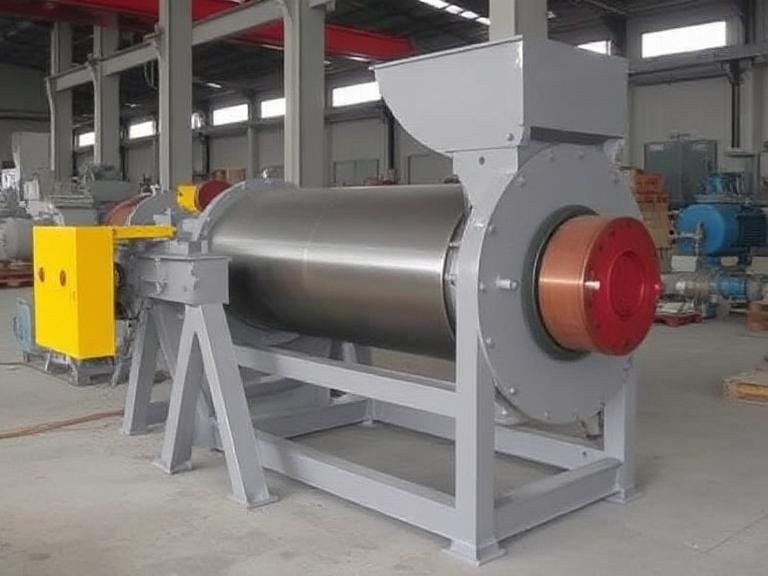
5 Heavy Mineral Separation Methods: An Expert Industrial Guide
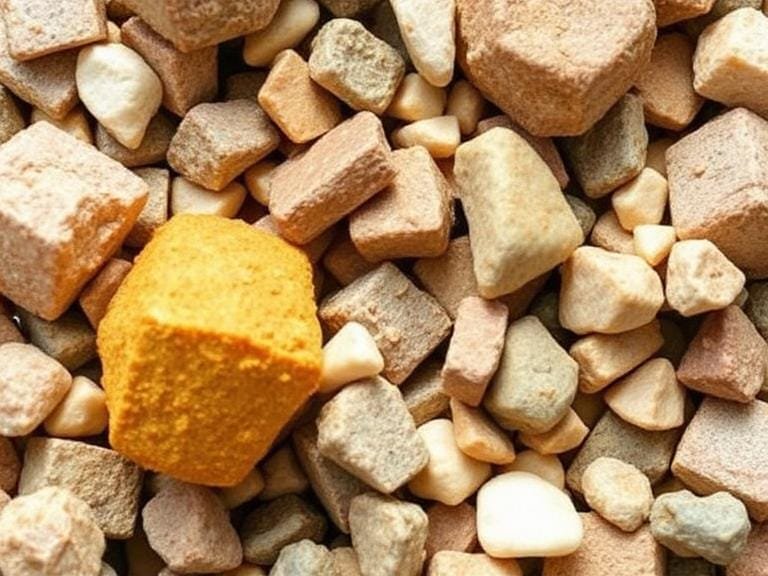
The processing and beneficiation of mineral sands require profound technical expertise, precision engineering, and a deep understanding of physical chemistry. When evaluating heavy mineral separation methods, industrial operators must account for variations in specific gravity, magnetic susceptibility, electrical conductivity, and surface chemistry. Heavy minerals, generally defined as having a specific gravity greater than 2.9, include highly valuable resources such as rutile, ilmenite, zircon, monazite, and garnet. Efficiently isolating these target minerals from lighter gangue materials (like quartz and feldspar) dictates the economic viability of a mining operation.
Authored by ORO Mineral Co., Ltd. We are a large-scale intelligent mineral processing, screening, and sand washing equipment manufacturer integrating R&D, production, and sales. Since 2014, ORO Mineral has made significant contributions to every kind of mineral screening, solid waste resource recovery, beneficiation, washing, and separation, accumulating rich, practical engineering experience worldwide.
From our experience working with mining operations across the globe, relying on a single extraction technique rarely yields commercial-grade purity. Modern beneficiation plants implement a cascading flow sheet that incorporates multiple heavy mineral separation methods to optimize recovery rates. We recommend a strategic combination of gravity, magnetic, electrostatic, and advanced superconducting techniques. In this authoritative technical guide, we will analyze the core heavy mineral separation methods deployed in modern processing facilities, exploring the physics behind the separation and identifying the ideal equipment configurations required for maximum yield.
Table of Contents
- 1. Gravity Concentration: The Baseline of Heavy Mineral Separation Methods
- 2. Magnetic Separation: Precision in Heavy Mineral Separation Methods
- 3. Electrostatic Separation: Exploiting Electrical Conductivity
- 4. Advanced Superconducting Magnetic Separation
- 5. Flotation and Ancillary Beneficiation Techniques
- 6. Summary Table: Heavy Mineral Separation Methods Matrix
- 7. Frequently Asked Questions (FAQs)
- 8. Industry References
1. Gravity Concentration: The Baseline of Heavy Mineral Separation Methods
Among the various heavy mineral separation methods, gravity concentration is universally utilized as the primary roughing stage. This method exploits the difference in specific gravity between the valuable heavy minerals and the lighter gangue materials in an aqueous medium. Because heavy mineral sands have already been naturally liberated by weathering and geological transport, they are exceptionally well-suited for gravity-based beneficiation.
When implementing gravity-based heavy mineral separation methods, fluid dynamics play a critical role. Particles settle through a fluid at rates dictated by their mass, size, and shape. Spiral concentrators are the industry standard for this preliminary stage. As the slurry flows down the helical trough of a spiral concentrator, centrifugal force pushes the lighter, lower-density quartz particles to the outer edge of the stream, while the heavier minerals, such as ilmenite and zircon, remain closer to the inner profile. For finer adjustments and final cleaning of the gravity concentrate, shaking tables and jigs are frequently deployed. From our experience, optimizing the pulp density and wash water distribution is crucial; a failure to control slurry density will drastically reduce the efficiency of all subsequent heavy mineral separation methods.
2. Magnetic Separation: Precision in Heavy Mineral Separation Methods
Once the bulk gangue is removed via gravity, the resulting heavy mineral concentrate contains a mixture of minerals that must be separated from one another. This is where magnetic separation, one of the most critical heavy mineral separation methods, comes into play. Minerals respond differently to applied magnetic fields: ferromagnetic minerals (like magnetite) are strongly attracted, paramagnetic minerals (like ilmenite and garnet) are weakly attracted, and diamagnetic minerals (like zircon and rutile) are repelled or unaffected.
At ORO Mineral, we engineer specialized Magnetic Separation Equipment to exploit these exact physical properties. We recommend starting with a low-intensity magnetic separator to remove highly magnetic magnetite. Following this, high-intensity magnetic separation (HIMS) is utilized to pull out paramagnetic minerals. For operators handling dry concentrates, the Dry electromagnetic separator provides exceptional control over the magnetic field strength, ensuring clean separation of ilmenite from the non-magnetic fraction.
In scenarios where the feed material remains wet, our Wet High Intensity Magnetic Separator prevents fine particles from agglomerating, which is a common issue in dry processing. For continuous, high-volume processing lines, integrating a Plate Type Permanent Magnetic Separation Equipment or a specialized 1.1kw Belt Magnetic Separator guarantees sustained throughput with minimal energy consumption. When assessing heavy mineral separation methods, the calibration of the magnetic field intensity must directly correlate with the magnetic susceptibility of the target ore to prevent misplacement of valuable minerals.
3. Electrostatic Separation: Exploiting Electrical Conductivity
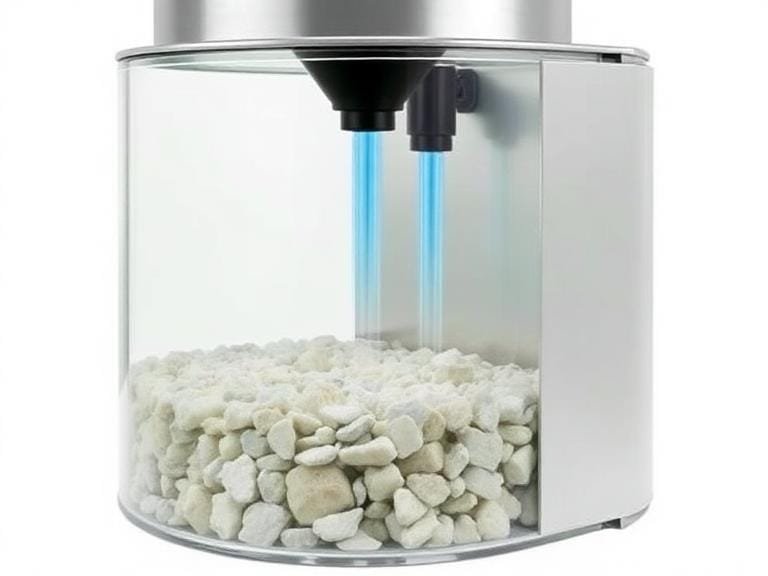
After magnetic separation has isolated the magnetic fraction, the remaining non-magnetic heavy mineral concentrate typically consists of a mixture of rutile (a conductor) and zircon (a non-conductor). To separate these, electrostatic separation is employed as one of the final heavy mineral separation methods. This technique relies on the differing electrical surface conductivities of the minerals.
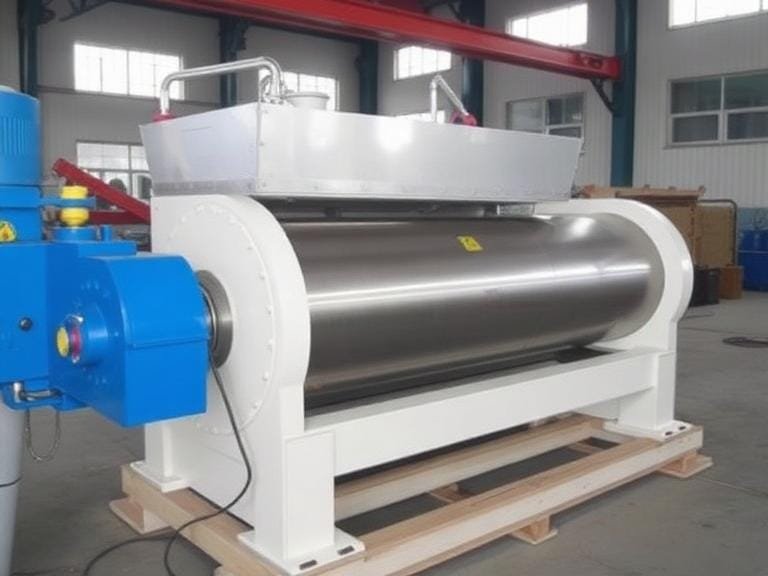
In a typical high-tension roll separator, the dry mineral mixture is fed onto a grounded rotating drum and subjected to a high-voltage corona discharge. All particles accept an electrical charge. The conductive minerals, such as rutile, rapidly dissipate their charge to the grounded drum and are thrown off the roll by centrifugal force. The non-conductive minerals, such as zircon, retain their charge, remain pinned to the drum by image forces, and are mechanically brushed off later in the rotation cycle. From our experience, the success of electrostatic heavy mineral separation methods is highly dependent on feed temperature and atmospheric humidity. We recommend ensuring the mineral feed is heated to approximately 90 to 120 degrees Celsius to remove surface moisture, which would otherwise alter the natural conductivity of the particles.
4. Advanced Superconducting Magnetic Separation
As industrial demands for ultra-high-purity minerals escalate, traditional heavy mineral separation methods occasionally encounter limits, particularly when processing exceptionally fine or very weakly magnetic particles. To overcome this, ORO Mineral has pioneered advancements in cryogenic magnetics.
We recommend deploying the JF Series Low-temperature Super-conducting Magnetic Separator with Liquid Helium for Kaolin & Bauxite. By utilizing liquid helium to cool the magnetic coils to a superconducting state, electrical resistance drops to zero. This allows the equipment to generate massive, sustained magnetic fields (often exceeding 5 Tesla) without the immense energy consumption and heat generation associated with conventional electromagnets. This represents the absolute pinnacle of heavy mineral separation methods, enabling the extraction of microscopic, weakly magnetic impurities that standard equipment cannot physically capture. This technology is indispensable for the purification of kaolin, bauxite, and high-grade quartz intended for the semiconductor industry.
5. Flotation and Ancillary Beneficiation Techniques
While physical separation forms the backbone of heavy mineral separation methods, complex ores sometimes require physicochemical intervention. Froth flotation utilizes chemical reagents (collectors, frothers, and modifiers) to alter the surface hydrophobicity of specific minerals. When air is introduced into the slurry, the hydrophobic minerals attach to the bubbles and rise to the surface as a froth, which is then skimmed off. We frequently see flotation used in conjunction with a Magnetic Separator Machine or a Permanent Magnetic Separator to clean the final zircon concentrate of fine sulfide impurities.
Furthermore, thermal management is critical in wet processing facilities. The use of a Water-cooling Electro-Magnetic Separator for kaolin, feldspar, quartz ensures that the magnetic coils do not overheat during continuous heavy-duty cycles, maintaining a uniform magnetic field gradient. Additionally, for recycling applications and the removal of non-ferrous metals from bulk streams, the Eddy Current Separator Machine acts as a vital ancillary tool, utilizing a rapidly rotating magnetic rotor to repel conductive non-ferrous metals like aluminum and copper away from the primary mineral stream.
6. Summary Table: Heavy Mineral Separation Methods Matrix
To assist plant engineers and metallurgists in designing effective flow sheets, we have compiled a matrix of the primary heavy mineral separation methods, detailing the physical property exploited and the recommended ORO Mineral equipment.
| Separation Method | Physical Property Exploited | Target Minerals | Recommended ORO Mineral Equipment |
|---|---|---|---|
| Gravity Concentration | Specific Gravity / Density | Bulk Heavy Minerals (Removing Quartz/Feldspar) | Spiral Concentrators, Shaking Tables |
| Magnetic Separation (Low/High Intensity) | Magnetic Susceptibility | Ilmenite, Magnetite, Garnet, Monazite | Wet High Intensity Magnetic Separator, Dry electromagnetic separator |
| Electrostatic Separation | Electrical Conductivity | Rutile (Conductor) vs. Zircon (Non-conductor) | High Tension Roll Separators |
| Superconducting Magnetic Separation | Weak Paramagnetism at Micro Scale | Micro-impurities in Kaolin, Bauxite, Quartz | JF Series Low-temperature Super-conducting Magnetic Separator |
| Froth Flotation | Surface Hydrophobicity (Chemistry) | Fine Sulfides, Complex Zircon cleanup | Flotation Cells paired with Magnetic Separation Equipment |
7. Frequently Asked Questions (FAQs)
Why is it necessary to use multiple heavy mineral separation methods in a single plant?
Minerals in a natural deposit share overlapping physical properties. For example, rutile and zircon have very similar specific gravities, rendering gravity concentration ineffective for separating them from each other. From our experience, sequential processing—using gravity to remove light sand, magnetic separation to remove ilmenite, and electrostatic separation to split rutile and zircon—is the only way to achieve commercial-grade purity using heavy mineral separation methods.
What is the advantage of using a water-cooling system in magnetic separators?
Electromagnets generate significant heat during continuous operation. As the copper coils heat up, their electrical resistance increases, which subsequently drops the intensity of the magnetic field. We recommend the Water-cooling Electro-Magnetic Separator because the active liquid cooling stabilizes the coil temperature, ensuring the magnetic field remains powerful and consistent, thereby preventing the loss of valuable minerals into the tailings.
How do eddy current separators integrate into mineral processing?
While primarily known for recycling, an Eddy Current Separator Machine is occasionally deployed in mineral processing to eject tramp non-ferrous metals (like stray aluminum or copper wire from mining explosives) from the feed conveyor, protecting downstream crushers and sensitive electrostatic rollers from mechanical damage.
8. Industry References
To ensure alignment with global metallurgical standards and to further your understanding of the physics driving modern beneficiation, we recommend consulting the following authoritative bodies and academic resources regarding heavy mineral separation methods:
- United States Geological Survey (USGS) – National Minerals Information Center Data on Heavy Mineral Sands
- Society for Mining, Metallurgy & Exploration (SME) – Mineral Processing and Extractive Metallurgy Guidelines
- U.S. Department of Energy (DOE) Office of Science – Advancements in Superconducting Magnetic Technologies