The Ultimate 8 Gold Mining Tools List: An Expert Equipment Guide for 2026
The global mining industry relies heavily on precision, durability, and processing efficiency. Extracting precious metals from raw earth is a highly technical endeavor that requires a systematic approach to comminution, classification, and beneficiation. Whether you are operating a high-capacity hard rock mine or processing alluvial placer deposits, standardizing your equipment inventory is the foundation of a profitable operation. To optimize recovery rates and minimize ecological impact, operators must compile a comprehensive Gold mining tools list that addresses every stage of the extraction flowchart.
Authored by ORO Mineral Co., Ltd. — A large-scale intelligent mineral processing, screening, and sand washing equipment manufacturer integrating R&D, production, and sales. Since 2014, ORO Mineral has made great contributions to every kind of mineral screening, solid waste resource recovery, beneficiation, washing, and separation, accumulating rich industrial experience. In order to offer you better products and services, we have been sparing no effort to improve technology, develop new equipment, and upgrade services.From our experience engineering advanced extraction circuits at ORO Mineral, we know that integrating outdated or incompatible machinery leads to severe bottlenecks and loss of fine gold particles. We recommend evaluating your plant architecture from the ground up. This authoritative guide details the definitive 8 Gold mining tools list, outlining the mechanical function, operational necessity, and strategic deployment of each critical component required to transform raw ore into highly concentrated yield.
Table of Contents
- Summary Table: The Essential 8 Gold mining tools list
- 1. Screening Machine
- 2. Gravity Separation Equipment
- 3. Washing Machine
- 4. Classifying Machine
- 5. Magnetic Separation Equipment
- 6. Industrial Crushers
- 7. Grinding Mills
- 8. Centrifugal Concentrators
- Expert Procurement Guide: Selecting Your Equipment
- Frequently Asked Questions (FAQs)
- Industry References
Summary Table: The Essential 8 Gold mining tools list
To facilitate efficient plant design, we have categorized the items on our Gold mining tools list based on their primary operational phase and standard industry application.
| Equipment Type | Processing Phase | Primary Function | Ideal Ore Type |
|---|---|---|---|
| Screening Machine | Preparation / Sizing | Separates oversized barren rock from gold-bearing fines | Alluvial & Hard Rock |
| Gravity Separation | Concentration | Utilizes specific gravity to separate heavy gold from light gangue | Placer & Milled Rock |
| Washing Machine | Preparation | Breaks down sticky clay and washes raw aggregate | Heavy Alluvial Clay |
| Classifying Machine | Sizing / Sorting | Separates particles based on settling velocity in a fluid | Slurry / Fine Ore |
| Magnetic Separation | Refining | Removes magnetic iron sands from heavy mineral concentrates | Black Sand Placer |
| Industrial Crushers | Comminution | Primary reduction of large rocks into manageable aggregate | Hard Rock |
| Grinding Mills | Comminution | Pulverizes crushed rock into fine powder to liberate gold | Hard Rock |
| Centrifugal Concentrators | Enhanced Concentration | Captures ultra-fine gold particles using high G-forces | Fine Free Gold |
1. Screening Machine
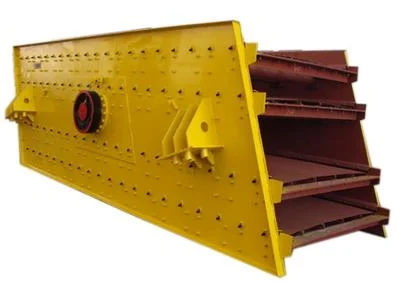
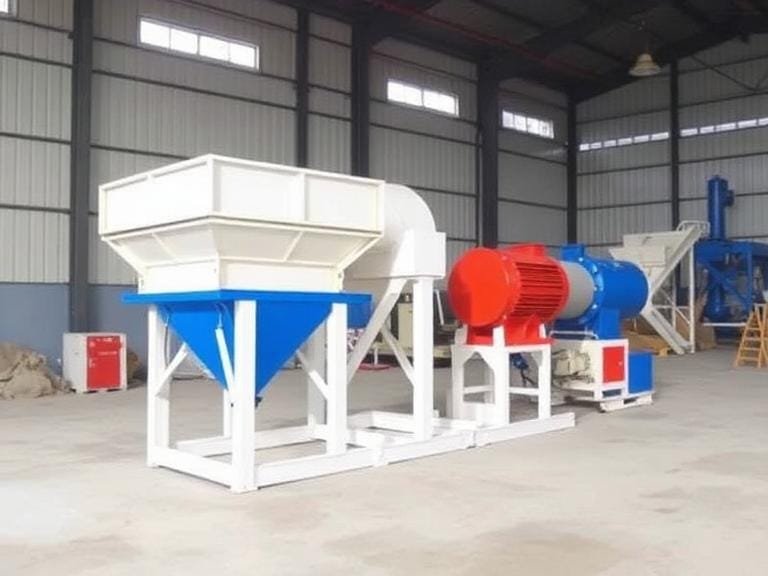
At the absolute top of any professional Gold mining tools list is the sizing equipment. Before any concentration can occur, raw excavated material must be sorted by physical size. In alluvial operations, a vast percentage of the excavated volume consists of large cobbles and boulders that contain no precious metals. Feeding these large rocks into sensitive concentration circuits causes catastrophic mechanical damage and severe recovery losses.
From our experience, integrating a robust rotary trommel or high-frequency vibrating screen is paramount. We recommend the ORO Mineral Screening Machine series, which utilizes wear-resistant polyurethane mesh and high-tensile steel frames to efficiently classify massive tonnages of raw feed. By isolating the gold-bearing fine gravels and discarding the oversized waste immediately, you drastically reduce the energy consumption of your downstream processing plant.
2. Gravity Separation Equipment
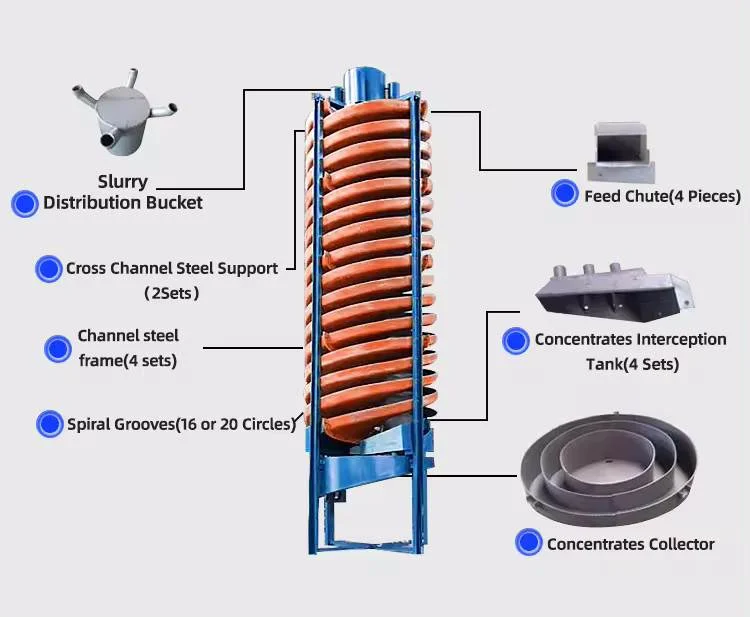
Because gold possesses an incredibly high specific gravity (19.3 g/cm3) compared to common quartz and gravel (approx. 2.6 g/cm3), gravity-based methods remain the most cost-effective and environmentally friendly concentration technique in existence. No Gold mining tools list is complete without specific gravity concentrators such as shaking tables, jig machines, and spiral chutes.
Our proprietary ORO Mineral Gravity Separation systems are engineered to exploit these density differentials perfectly. By introducing a precise flow of water and controlled mechanical agitation, the heavier gold particles settle rapidly while the lighter gangue minerals are washed away as tailings. We recommend utilizing shaking tables for the final cleanup phase to upgrade rough concentrates into highly pure, smeltable gold dust without the use of toxic chemicals like cyanide or mercury.
3. Washing Machine
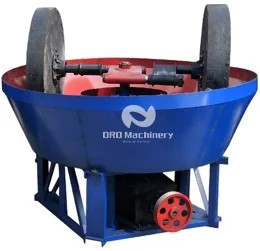
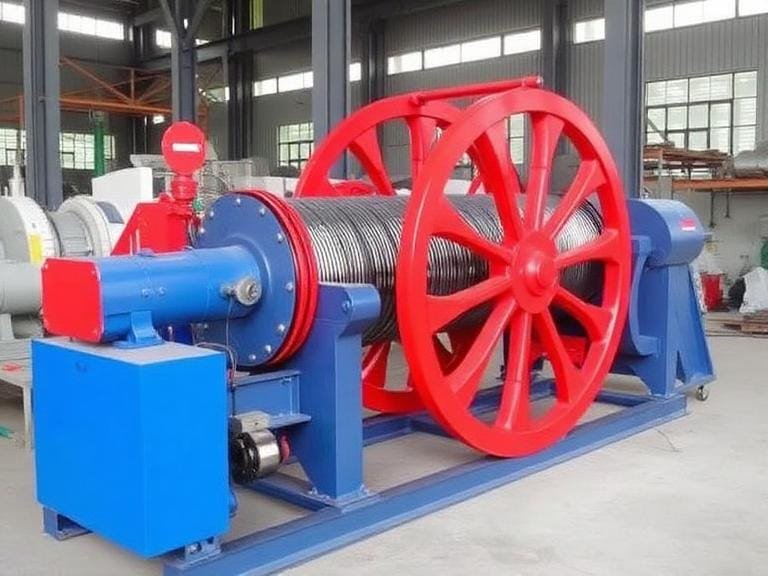
When processing alluvial placer deposits located in tropical or riverine environments, operators frequently encounter heavy, sticky clays. Clay is highly detrimental to gold recovery; it acts as an adhesive, trapping fine gold particles and carrying them out of the sluice boxes or centrifuges directly into the tailings pond. Addressing this issue requires heavy-duty scrubbing, securing the scrubber’s spot on the Gold mining tools list.
We strongly recommend deploying the ORO Mineral Washing Machine series, specifically our rotary scrubbers and log washers. These machines utilize aggressive internal lifting flights and high-pressure water jets to break apart tough clay matrices. By thoroughly washing the aggregate and liberating the gold particles before they enter the sizing and concentration phases, operators can boost their overall recovery rates by up to 30 percent in clay-heavy deposits.
4. Classifying Machine
In closed-circuit grinding operations, it is vital to separate adequately ground material from oversized particles that require further milling. This is achieved using fluid dynamics. The fourth entry on our Gold mining tools list focuses on hydrocyclones and spiral classifiers. These machines use centrifugal force and settling velocities within a water slurry to sort particles by size and mass.
The ORO Mineral Classifying Machine is designed to create a sharp cut-point within the slurry. Fine, liberated gold particles and properly milled ore overflow to the concentration circuit, while coarser, unliberated particles sink and are returned to the grinding mill. From our experience, optimizing your classification circuit is the key to preventing over-grinding, which produces unrecoverable ultra-fine slimes and wastes massive amounts of electrical power.
5. Magnetic Separation Equipment
In many placer deposits around the world, gold is found heavily intermixed with black sands, which are predominantly composed of magnetite and hematite. Because these iron-rich sands also possess a high specific gravity, they easily bypass basic gravity concentration methods and end up contaminating your final gold concentrate. Therefore, magnetic separation earns a critical place on the Gold mining tools list.
To achieve a high-purity final product, we recommend the integration of the ORO Mineral Magnetic Separation equipment. By passing your heavy mineral concentrate over a highly calibrated magnetic drum or belt, the magnetic black sands are pulled away, leaving behind clean, non-magnetic gold, platinum, and other valuable heavy minerals. This step drastically reduces the time and labor required in the final refining room.
6. Industrial Crushers
For hard rock operations, gold is locked solidly within quartz veins or sulfide structures deep underground. It is physically impossible to extract this gold without extreme mechanical force. Primary and secondary crushers represent the heavy-duty foundation of the hard rock Gold mining tools list.
Jaw crushers provide primary reduction, fracturing massive boulders extracted from the mine shaft into manageable pieces. These are typically followed by cone crushers or impact crushers, which perform secondary reduction, bringing the ore down to a size suitable for the grinding circuit. Robust metallurgical construction is strictly required here to withstand the immense compressive forces and abrasive wear of continuous operation.
7. Grinding Mills
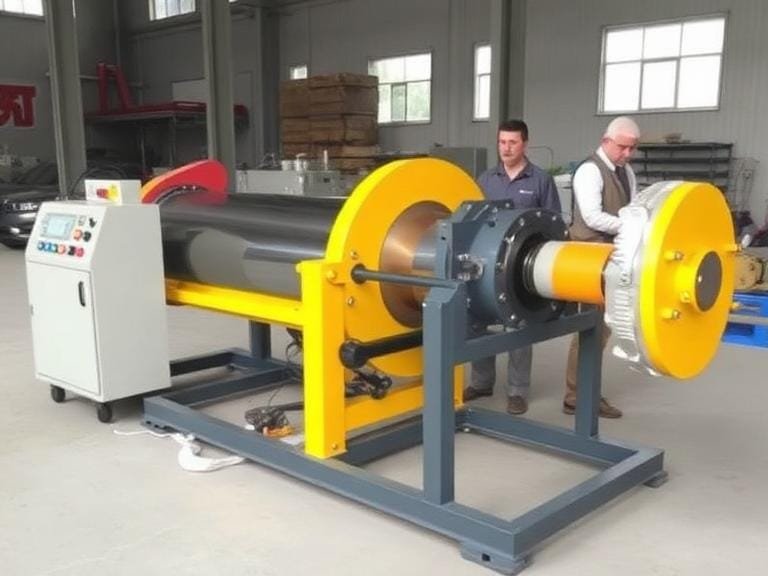
Following the crushing phase, the ore must be pulverized into a fine powder—often resembling the consistency of flour—to fully liberate the microscopic gold particles from the host rock. The grinding mill is the energy-intensive heart of the comminution circuit and an irreplaceable item on the Gold mining tools list.
Ball mills and SAG (Semi-Autogenous Grinding) mills utilize heavy forged steel balls tumbling inside a massive rotating steel cylinder to impact and grind the ore. From our experience, the efficiency of the grinding mill dictates the success of subsequent chemical leaching or gravity concentration. Precise control over pulp density, steel ball charging, and rotation speed is required to achieve the optimal grind size for maximum gold liberation.
8. Centrifugal Concentrators
Traditional sluice boxes and jigs are highly effective for coarse gold, but they struggle to capture microscopic, flat, or ultra-fine “flour” gold. To recover these elusive particles, modern plants utilize enhanced gravity forces, finalizing our Gold mining tools list with the centrifugal concentrator.
These machines spin a specialized ribbed bowl at exceptionally high speeds, creating gravitational forces up to 60 times greater than standard Earth gravity (60 Gs). Fluidized water is injected through the ribs to keep the material bed loose, allowing the ultra-heavy fine gold to penetrate the bed and become trapped, while lighter waste materials are flushed out. Centrifugal concentrators are essential for maximizing total plant recovery efficiency.
Expert Procurement Guide: Selecting Your Equipment
Building an extraction plant by simply purchasing every item on a Gold mining tools list is a flawed strategy. Equipment must be precisely matched to the geological realities of your specific ore body. We recommend adhering to the following professional procurement guidelines before committing capital:
- Geological Testing: Never purchase equipment without conducting a comprehensive metallurgical assay and gravity recoverable gold (GRG) test. Hard rock operations require crushers and mills, whereas alluvial operations strictly require washing and screening equipment.
- Water Availability: Most items on the Gold mining tools list, particularly washing machines and classifiers, require massive volumes of water. If operating in an arid environment, you must invest heavily in water recycling infrastructure, such as thickeners and filter presses, to sustain operations.
- Throughput Matching: The capacity of your equipment must be perfectly aligned. If your Screening Machine processes 100 tons per hour, but your Gravity Separation circuit can only handle 50 tons per hour, you have created a severe operational bottleneck. Ensure synchronized tonnage across your entire flowchart.
Frequently Asked Questions (FAQs)
Why is a washing machine necessary on a Gold mining tools list?
Washing machines, such as rotary scrubbers, are critical when dealing with alluvial deposits high in clay. Clay acts as a binding agent that agglomerates around gold particles. If this clay is not violently broken apart and washed away before concentration, the clay balls will carry the trapped gold directly into the tailings, causing massive financial losses.
How do I choose between gravity separation and magnetic separation?
You do not choose between them; they serve different purposes on the Gold mining tools list and are often used sequentially. Gravity separation isolates all heavy minerals (including gold and iron sands) from lighter waste rock. Magnetic separation is then used subsequently to remove the magnetic iron sands from that heavy concentrate, leaving behind pure gold.
Can I use equipment from this Gold mining tools list without using chemicals like mercury?
Absolutely. A properly engineered circuit utilizing the ORO Mineral Screening Machine, Washing Machine, and advanced Gravity Separation equipment can achieve exceptionally high recovery rates of free-milling gold entirely through physical gravity methods, completely eliminating the need for toxic amalgamation chemicals.