4 Primary Mineral Processing Techniques and Equipment
The global mining industry is undergoing a profound transformation. As high-grade ore deposits become increasingly scarce, metallurgical engineers and plant operators are forced to extract value from low-grade, complex, and highly refractory orebodies. Achieving economic viability in these challenging environments relies entirely on the implementation of highly efficient, technologically advanced mineral processing techniques. The days of relying on rudimentary crushing and basic sorting are long gone. Today, maximizing recovery rates while minimizing energy consumption and environmental impact is the absolute standard for any profitable beneficiation plant.
At ORO Mineral Co., Ltd., we operate as a large-scale intelligent mineral processing, screening, and sand washing equipment manufacturer, integrating research and development, production, and global sales. Since 2014, ORO Mineral has made great contributions to every kind of mineral screening, solid waste resource recovery, beneficiation, washing, and separation, and has accumulated rich experience in the field. In order to offer you better products and services, we have been sparing no effort to improve technology, develop new equipment, and upgrade our services. From our experience commissioning plants globally, we know that selecting the correct combination of mineral processing techniques dictates the operational expenditure and ultimate profitability of a mine. In this comprehensive engineering guide, we will detail the core methodologies, equipment configurations, and strategic applications of modern mineral processing techniques.
Table of Contents
- 1. Understanding the Core Principles of Beneficiation
- 2. Comminution: The Prerequisite for Mineral Processing Techniques
- 3. Primary Mineral Processing Techniques and Equipment
- 4. Innovations in Solid Waste Resource Recovery
- 5. Optimizing Your Beneficiation Flowsheet
- 6. Summary Table: Mineral Processing Techniques Overview
- 7. Frequently Asked Questions (FAQs)
- 8. Industry References
1. Understanding the Core Principles of Beneficiation
Beneficiation, or mineral dressing, encompasses all mineral processing techniques utilized to isolate valuable minerals from gangue (waste rock) without altering the chemical identity of the minerals. The objective is to produce a concentrated, marketable product that can be sent to a smelter or hydrometallurgical plant for final refinement. Implementing the correct mineral processing techniques reduces the sheer volume of material that must be transported and chemically treated, thereby drastically lowering downstream metallurgical costs.
From our experience, the selection of specific mineral processing techniques is entirely dependent on the physical and chemical properties of the target ore. Engineers exploit differences in specific gravity, magnetic susceptibility, electrical conductivity, and surface chemistry to separate particles. However, before any of these separation methods can be applied, the ore must undergo a rigorous physical preparation phase to ensure that the valuable minerals are physically detached from the surrounding gangue.
2. Comminution: The Prerequisite for Mineral Processing Techniques
Comminution is the mechanical process of reducing the particle size of run-of-mine (ROM) ore through sequential crushing and grinding. It is the most energy-intensive stage in any mining operation, often consuming up to 50% of a plant’s total power budget. The goal of comminution is to achieve a state known as liberation size. If the ore is not crushed and ground fine enough, the valuable minerals remain locked inside the gangue matrix, rendering downstream mineral processing techniques entirely ineffective.
We recommend a multi-stage comminution circuit. Primary crushing utilizing jaw or gyratory crushers reduces massive boulders down to manageable sizes. Secondary and tertiary crushing utilizing cone crushers or high-pressure grinding rolls (HPGR) further reduces the material. Finally, grinding mills, such as semi-autogenous grinding (SAG) mills, ball mills, and rod mills, reduce the ore to a fine powder, typically ranging from 75 to 150 microns. It is at this microscopic level that the actual separation mineral processing techniques can be successfully deployed to isolate the target commodities.
3. Primary Mineral Processing Techniques and Equipment
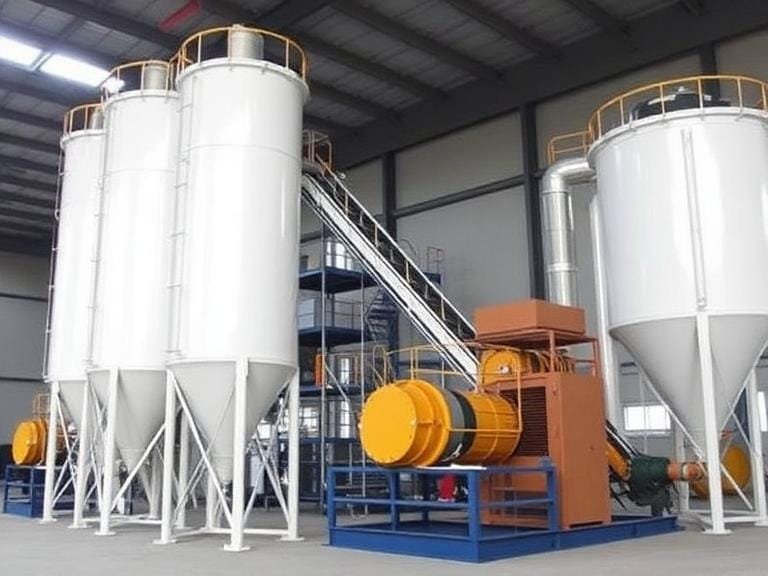
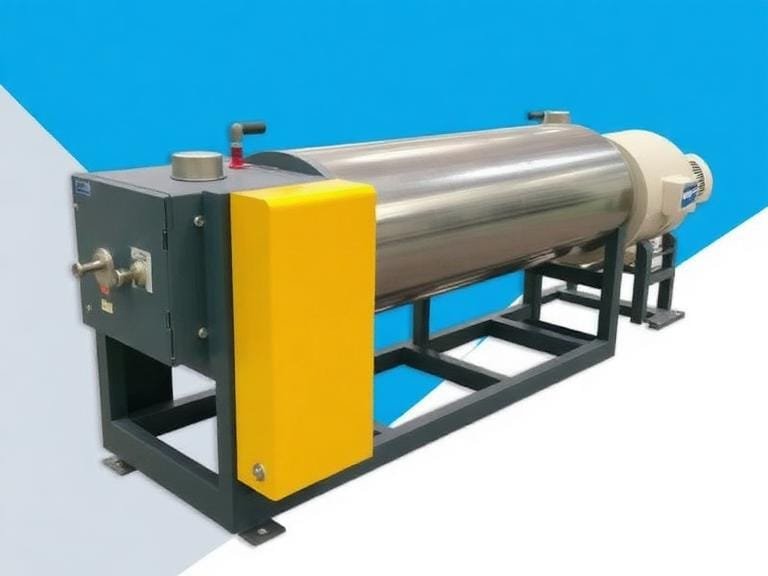
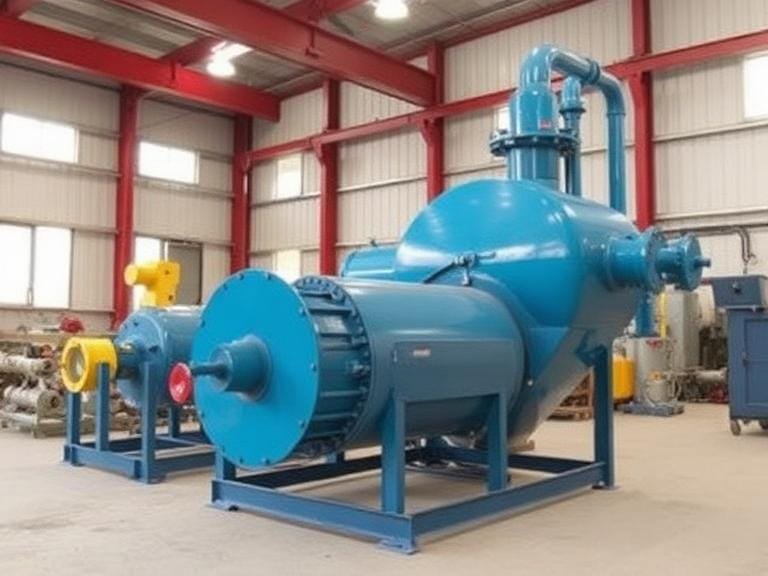
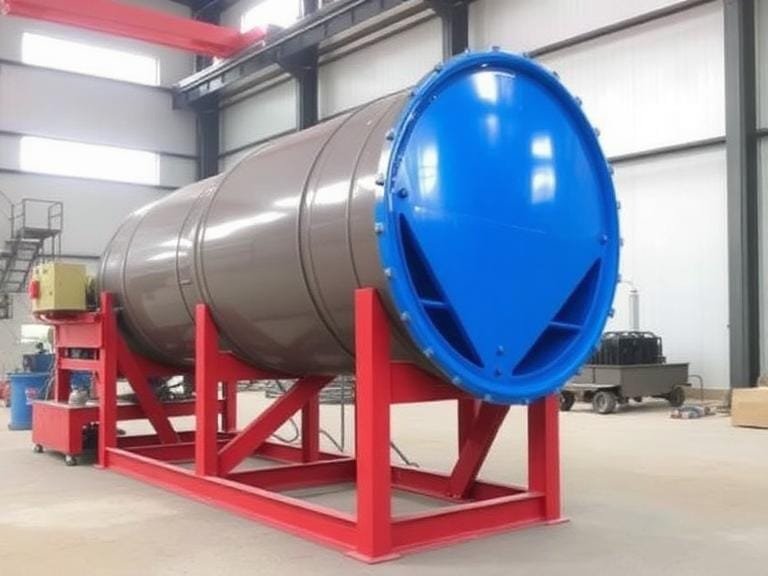
Once the ore is properly liberated, it enters the separation circuit. At ORO Mineral, we engineer and manufacture the precise machinery required to execute these critical separation phases. Below, we outline the foundational mineral processing techniques utilized in modern beneficiation plants.
3.1 Classification and Screening
Before material can be routed to separators, it must be strictly sized. Classification and screening are fundamental mineral processing techniques used to group particles by their physical dimensions. If particles of vastly different sizes enter a gravity or magnetic separator simultaneously, the efficiency of the separation drops precipitously. To combat this, ORO Mineral supplies advanced Screening Machine and Classifying Machine technologies.
Our vibrating Screening Machines utilize precisely tensioned meshes to separate coarse material from fine material. The oversize material is typically recirculated back to the grinding mills, preventing the over-grinding of valuable minerals (which creates unrecoverable slimes). For wet processes, our hydrocyclones and mechanical Classifying Machines utilize centrifugal force and settling velocities to separate particles based on mass and size, ensuring a perfectly homogenous feed is delivered to the downstream separation circuits.
3.2 Gravity Separation Dynamics
Gravity separation is one of the oldest, yet most effective, mineral processing techniques available. It exploits the difference in specific gravity (density) between the valuable mineral and the gangue. When particles are suspended in a fluid medium (typically water), heavier particles will settle faster and resist fluid drag more effectively than lighter particles. This technique is highly cost-effective and environmentally friendly, as it relies on physical forces rather than toxic chemical reagents.
From our experience, gravity separation is ideal for processing heavy minerals such as gold, tungsten, tin, and barite. ORO Mineral manufactures a robust suite of Gravity Separation equipment, including shaking tables, spiral concentrators, and mineral jigs. We recommend utilizing spiral concentrators for rougher stages to process high volumes of low-grade slurry, followed by shaking tables in the cleaner stages to produce a final, high-purity concentrate.
3.3 Magnetic Separation Protocols
When the target mineral exhibits magnetic properties, magnetic separation becomes the mandatory choice among mineral processing techniques. This process separates particles based on their varying degrees of magnetic susceptibility. Ferromagnetic minerals (like magnetite) are strongly attracted to magnetic fields, while paramagnetic minerals (like hematite or ilmenite) exhibit a weaker attraction. Diamagnetic minerals (most gangue, like quartz) are repelled by or remain unaffected by magnetic fields.
To execute this, we supply highly calibrated Magnetic Separation equipment. Depending on the ore type, we deploy either Low-Intensity Magnetic Separators (LIMS) for highly magnetic ores or High-Intensity Magnetic Separators (HIMS) for weakly magnetic ores. Furthermore, these mineral processing techniques can be applied in both dry and wet configurations. For iron ore beneficiation, wet drum magnetic separators are the industry standard, providing exceptional continuous recovery rates with minimal operational downtime.
3.4 Washing and Scrubbing Systems
Many alluvial and lateritic ore deposits are heavily contaminated with sticky clays and slimes. These clay coatings bind valuable minerals together and blind the surfaces of the particles, preventing gravity and magnetic separation equipment from functioning correctly. In these scenarios, utilizing aggressive washing and scrubbing mineral processing techniques is a strict prerequisite.
ORO Mineral engineers heavy-duty Washing Machine systems, including rotary scrubbers and log washers. These machines utilize high-pressure water injection and internal lifter bars to agitate the ore, aggressively breaking down the clay matrix and scrubbing the surfaces of the valuable minerals clean. By integrating our Washing Machine technology at the front end of the plant, operators can drastically improve the recovery yields of their downstream mineral processing techniques.
4. Innovations in Solid Waste Resource Recovery
Modern mineral processing techniques are no longer limited to virgin ore extraction. In 2026, environmental compliance and the circular economy mandate the reprocessing of historical tailings and industrial slag. Solid waste resource recovery has become a highly profitable sector of the mining industry. Older beneficiation plants often discarded significant quantities of valuable minerals due to inefficient legacy technologies.
At ORO Mineral, we have made great contributions to solid waste resource recovery. By applying our modern Classifying Machine and Magnetic Separation technologies to existing tailings dams, operators can extract residual precious metals and base metals that were previously deemed unrecoverable. Furthermore, processing these tailings reduces the environmental footprint of the mine, mitigating acid mine drainage and neutralizing hazardous waste stockpiles through advanced desliming and washing mineral processing techniques.
5. Optimizing Your Beneficiation Flowsheet
The successful deployment of mineral processing techniques requires a holistic, integrated approach to plant design. No single machine can execute a complete beneficiation process. The flowsheet must be logically sequenced. From our experience, we recommend beginning with comprehensive metallurgical testing of the ore body to determine its exact liberation size, specific gravity differentials, and magnetic profile.
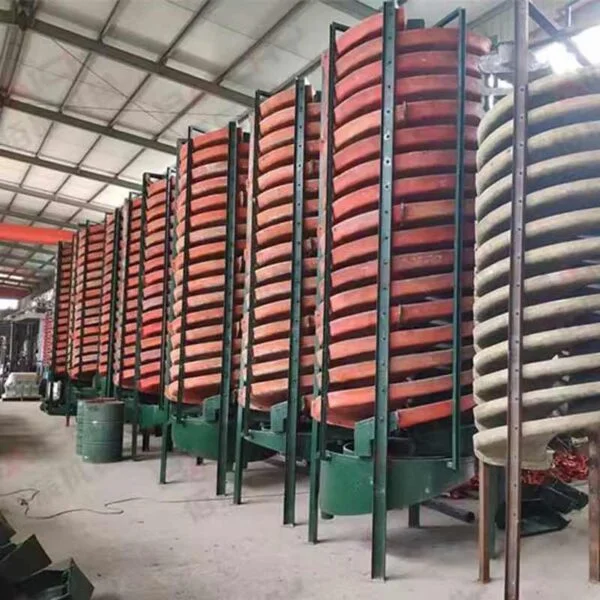
Based on this empirical data, ORO Mineral assists clients in designing custom circuits. A typical optimized flowsheet for a complex heavy mineral sand deposit might begin with our Washing Machine to remove clay, proceed through our Classifying Machine to ensure strict particle sizing, route to our Gravity Separation spirals to discard the bulk silica gangue, and finish through our Magnetic Separation modules to separate the ilmenite from the non-magnetic rutile and zircon. This systematic layering of mineral processing techniques ensures maximum metallurgical recovery and plant profitability.
6. Summary Table: Mineral Processing Techniques Overview
To assist plant managers and metallurgical engineers in evaluating their operational strategies, we have compiled a summary matrix of the primary mineral processing techniques and their associated ORO Mineral equipment.
| Mineral Processing Technique | Operating Principle | ORO Mineral Equipment | Ideal Application Profile |
|---|---|---|---|
| Classification & Sizing | Separation by particle size and mass dynamics | Classifying Machine, Screening Machine | Pre-conditioning feed, preventing over-grinding |
| Gravity Concentration | Separation utilizing specific gravity (density) | Gravity Separation (Spirals, Shaking Tables) | Gold, Tin, Tungsten, Heavy Mineral Sands |
| Magnetic Separation | Separation based on magnetic susceptibility | Magnetic Separation (LIMS, HIMS, Drums) | Iron ore, removing magnetic impurities from silica |
| Washing & Desliming | Mechanical attrition and hydraulic scrubbing | Washing Machine (Rotary Scrubbers) | Alluvial deposits, clay-bound lateritic ores |
| Solid Waste Recovery | Reprocessing historical tailings for residual value | Integrated Flowsheets (Screening, Gravity, Magnetic) | Tailings dam remediation, slag reprocessing |
7. Frequently Asked Questions (FAQs)
Why is classification critical before executing other mineral processing techniques?
From our experience, separation equipment like shaking tables or magnetic drums are calibrated to operate on a specific particle size range. If the feed contains a wide distribution of sizes, fine heavy particles may act like coarse light particles, disrupting the separation physics. Utilizing an ORO Mineral Classifying Machine ensures a narrow, uniform size distribution, drastically increasing the efficiency of subsequent mineral processing techniques.
Can gravity separation be used for all types of ores?
No. Gravity separation relies on a significant difference in specific gravity between the valuable mineral and the gangue. We recommend utilizing the Concentration Criterion formula to determine feasibility. If the density difference is too small, other mineral processing techniques, such as froth flotation or magnetic separation, must be deployed.
How does ORO Mineral support solid waste resource recovery?
Since 2014, ORO Mineral has engineered specialized equipment designed specifically for reprocessing low-grade historical tailings. By utilizing our highly efficient Screening Machine and Washing Machine technology, we can liberate trapped minerals from consolidated waste dumps, allowing our advanced Gravity Separation and Magnetic Separation units to profitably extract secondary resources.
What is the difference between LIMS and HIMS in magnetic separation?
LIMS (Low-Intensity Magnetic Separation) is used for highly ferromagnetic materials like magnetite, requiring a relatively weak magnetic field to capture the particles. HIMS (High-Intensity Magnetic Separation) generates a massive magnetic gradient and is utilized to capture weakly paramagnetic minerals like hematite or to remove trace iron contaminants from non-metallic industrial minerals like silica sand.
8. Industry References
To further expand your knowledge regarding metallurgical engineering, flowsheet optimization, and the global standards governing modern mineral processing techniques, we recommend consulting the following authoritative organizations: