5 Method of Extraction of Iron: Processes, Equipment, and Efficiency
The method of extraction of iron is one of the most fundamental and historically significant metallurgical processes in human industrial evolution. At its core, the method of extraction of iron dictates the yield, purity, and environmental impact of the iron and steel products that form the backbone of modern infrastructure. At ORO Mineral, we view the method of extraction of iron not merely as a high-temperature chemical reaction occurring within a blast furnace, but as an end-to-end mechanical and thermodynamic journey. This journey begins the moment run-of-mine ore is extracted from the earth and continues through meticulous beneficiation, screening, washing, and ultimately, smelting.
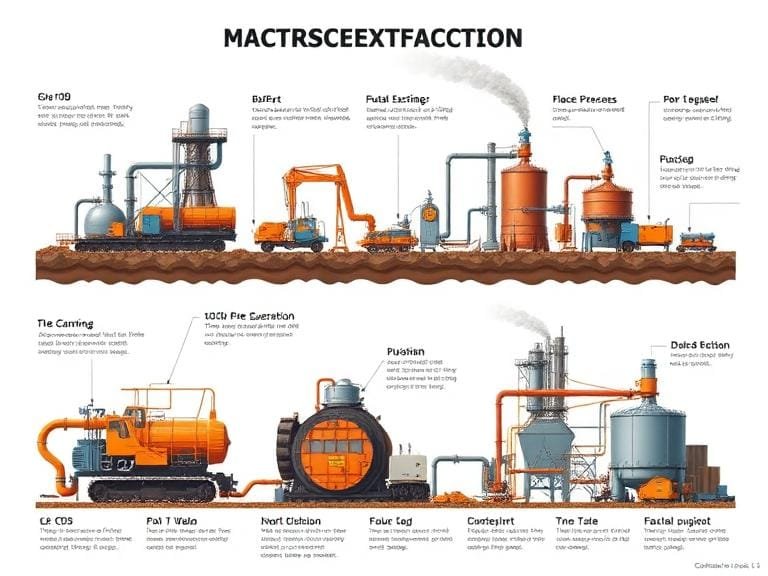
From our experience navigating complex geological terrains and varying ore grades, an optimized method of extraction of iron requires a seamless integration of intelligent machinery and rigorous chemical control. Substandard preparation of iron ore inevitably leads to excessive energy consumption and high impurity levels in the final pig iron. Therefore, mastering the method of extraction of iron requires a comprehensive understanding of comminution, separation technology, and pyrometallurgy.
Table of Contents
- 1. Understanding Iron Ore and Its Geological Foundations
- 2. The Crucial Role of Beneficiation in the Method of Extraction of Iron
- 3. Essential Equipment for Pre-Smelting Operations
- 4. Smelting: The Chemical Method of Extraction of Iron
- 5. Alternative Techniques: Direct Reduced Iron (DRI)
- 6. Summary Table: Stages of Extraction
- 7. Frequently Asked Questions (FAQs)
- 8. References
1. Understanding Iron Ore and Its Geological Foundations
Before any chemical method of extraction of iron can be applied, it is vital to understand the raw materials. Iron is rarely found in its pure metallic state in nature; instead, it is bound within complex oxide, carbonate, or sulfide mineral structures. The most commercially viable ores for the method of extraction of iron are hematite and magnetite. Hematite contains roughly seventy percent iron by mass and is highly favored for its high grade. Magnetite, containing up to seventy-two percent iron, requires specific processing due to its magnetic properties and harder physical structure. Limonite and siderite are also utilized, though their lower iron content necessitates more rigorous upfront processing to make the method of extraction of iron economically viable.
We recommend conducting exhaustive geological assays before designing the extraction circuit. The specific mineralogy of the deposit dictates the exact method of extraction of iron required. For instance, ores with high silica or alumina content will require significant gangue removal before they can be introduced to a blast furnace. Failing to address these impurities early on disrupts the slag chemistry during smelting, resulting in poor-quality iron and dangerous furnace conditions.
2. The Crucial Role of Beneficiation in the Method of Extraction of Iron
Many outside the industry mistakenly believe that the method of extraction of iron is confined solely to the blast furnace. However, from our experience, the efficiency of the blast furnace is entirely dependent on the beneficiation process. Beneficiation is the sequence of mechanical operations designed to increase the iron grade of the ore while rejecting worthless gangue minerals. This physical method of extraction of iron drastically reduces the thermal energy required later in the process.
The first step in beneficiation is comminution, which involves crushing and grinding the raw ore. The objective is to liberate the iron-bearing minerals from the surrounding rock matrix. Depending on the ore’s hardness, this is achieved using jaw crushers, cone crushers, and ball mills. Once the ore is sufficiently ground, separation techniques are applied. The choice of separation relies heavily on the ore type.
For magnetite ores, low-intensity magnetic separation is the preferred method of extraction of iron at this stage. By passing the slurry through rotating magnetic drums, the magnetite is effortlessly pulled away from the non-magnetic silica. For hematite, which is weakly magnetic, advanced techniques such as high-gradient magnetic separation, gravity separation, or froth flotation are required. Gravity separation exploits the difference in specific gravity between heavy iron particles and lighter gangue, utilizing spirals and shaking tables to achieve concentration. Froth flotation utilizes chemical reagents to alter the surface properties of specific minerals, allowing them to attach to air bubbles and float to the surface for collection.
3. Essential Equipment for Pre-Smelting Operations
Executing an efficient physical method of extraction of iron demands robust, reliable, and intelligent machinery. ORO Mineral Co., Ltd. is a large-scale intelligent mineral processing, screening, and sand washing equipment manufacturer integrating R&D, production and sales. Since 2014, ORO Mineral has made great contributions to every kind of mineral screening, solid waste resource recovery, beneficiation, washing, and separation, and has accumulated rich experience.
In order to offer you better products and services, we have been sparing no effort to improve technology, develop new equipment, and upgrade services. To optimize the beneficiation stage of the method of extraction of iron, we recommend the integration of the following specialized our products:
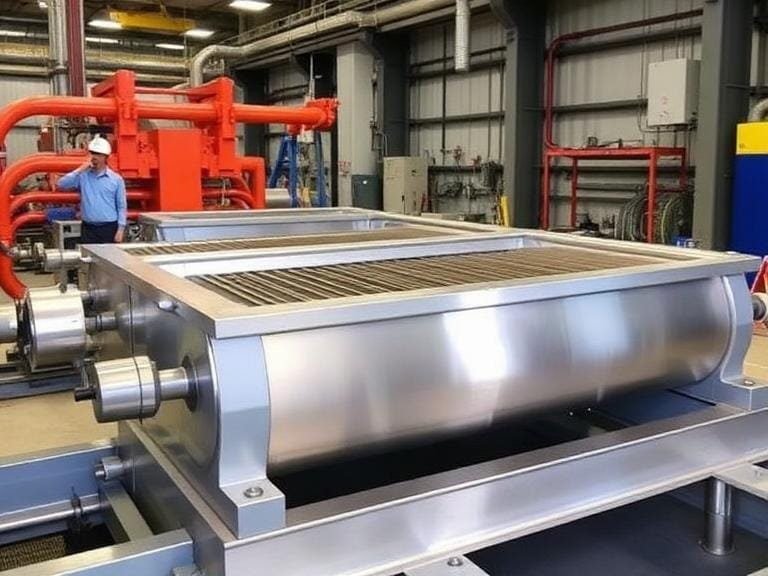
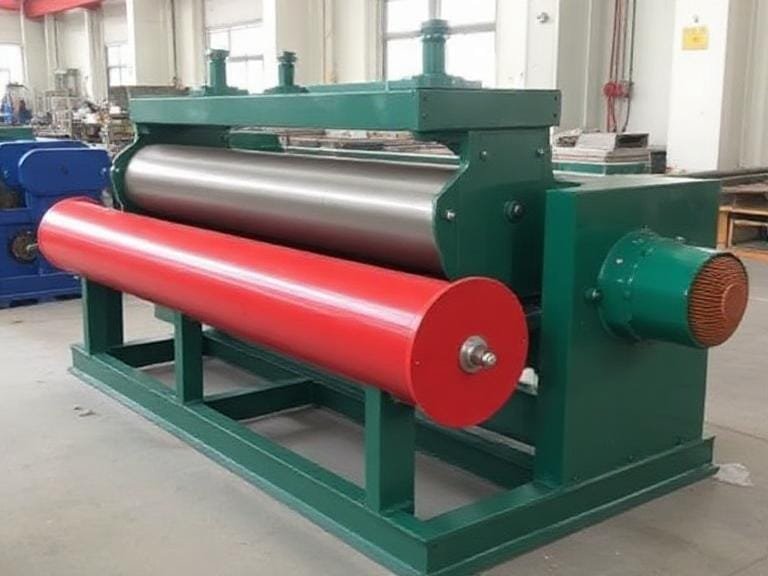
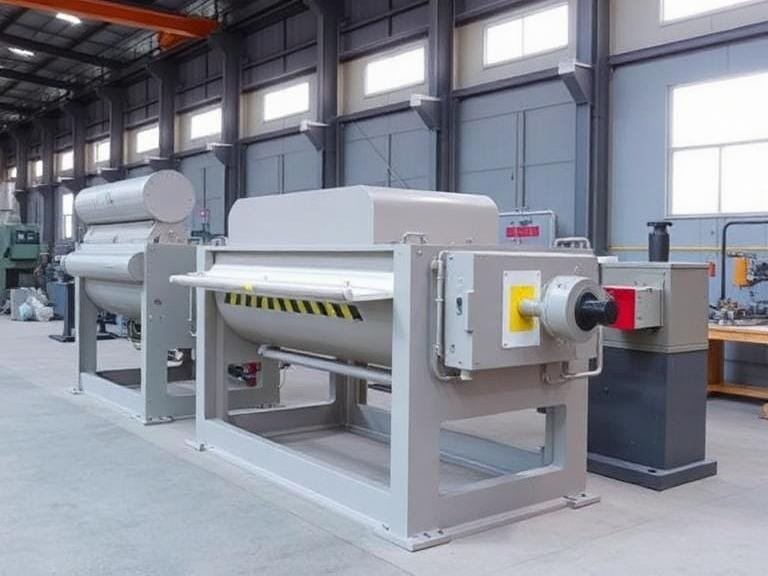
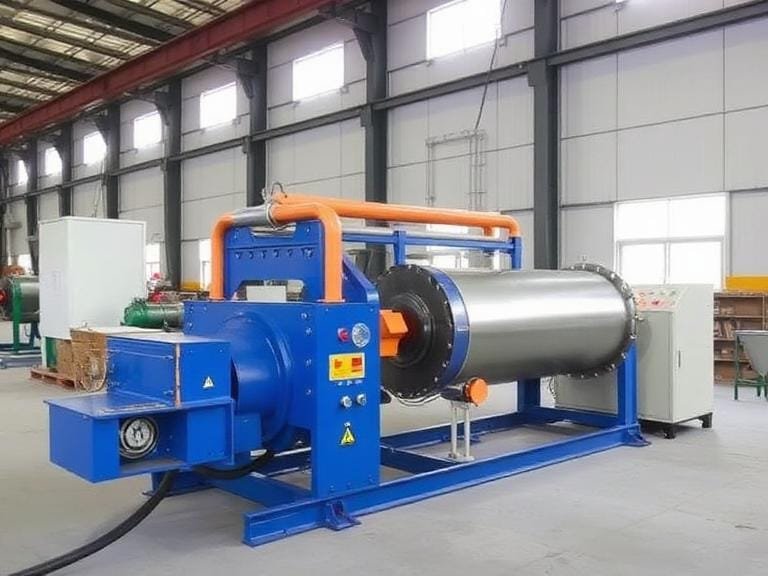
- Classifying Machine: Vital for controlling particle size distribution after grinding. A precise Classifying Machine ensures that only properly liberated particles move forward to the separation phase, preventing over-grinding and reducing energy waste.
- Washing Machine: Frequently, iron ores are heavily contaminated with sticky clays and slimes. A high-capacity Washing Machine vigorously scrubs the ore, removing these superfine contaminants that would otherwise interfere with subsequent separation processes.
- Screening Machine: Used to separate the ore into distinct size fractions. A durable Screening Machine guarantees that the material fed into crushers or directly into the blast furnace is of optimal and uniform size, which is critical for maintaining gas permeability in the furnace.
- Gravity Separation Machine: Indispensable for processing hematite and heavy mineral sands. A highly calibrated Gravity Separation Machine provides a cost-effective method of extraction of iron by utilizing centrifugal forces and fluid dynamics to separate based on density.
- Magnetic Separation Machine: The backbone of magnetite processing. An advanced Magnetic Separation Machine captures high-grade magnetic concentrates while efficiently rejecting non-magnetic tailings, drastically elevating the feed grade for the smelter.
4. Smelting: The Chemical Method of Extraction of Iron
Once the ore has been physically concentrated, it proceeds to the thermal and chemical phase of the method of extraction of iron: smelting. The standard apparatus for this is the blast furnace, a massive, towering steel cylinder lined with refractory brick. The blast furnace operates continuously, receiving a precisely measured charge of raw materials from the top while blasts of superheated air are forced in through tuyeres at the bottom.
The raw materials charged into the furnace include the processed iron ore (often agglomerated into pellets or sinter to maintain permeability), coke, and limestone. Each plays a critical role in this chemical method of extraction of iron. Coke, a high-carbon fuel derived from coal, serves a dual purpose. It combusts to generate the intense heat required (often exceeding two thousand degrees Celsius at the base) and produces carbon monoxide gas. Carbon monoxide acts as the primary reducing agent, ascending through the furnace and stripping oxygen away from the descending iron oxide ore.
The chemical reactions dictating this method of extraction of iron occur in stages as the temperature increases deeper within the furnace. In the upper zone, hematite is reduced to magnetite. Further down, magnetite is reduced to wustite. Finally, in the lower, hottest zones, wustite is completely reduced to molten metallic iron. Meanwhile, the limestone decomposes into calcium oxide, which reacts with the silica gangue remaining in the ore to form a liquid slag. This slag floats on top of the denser molten iron, protecting it from re-oxidation. Both the liquid slag and the molten iron (known as pig iron) are periodically tapped from the hearth of the furnace.
From our experience, managing the aerodynamics and thermodynamics within the blast furnace is highly complex. The method of extraction of iron fails if the burden inside the furnace becomes impermeable, preventing the upward flow of reducing gases. This is why our emphasis on pre-processing with a high-quality Screening Machine and Classifying Machine is so profound. The physical characteristics of the burden directly dictate the chemical success of the furnace.
5. Alternative Techniques: Direct Reduced Iron (DRI)
While the blast furnace remains the dominant method of extraction of iron globally, environmental concerns and the scarcity of high-quality coking coal have driven the industry toward alternative processes. The most prominent alternative is the production of Direct Reduced Iron (DRI), also known as sponge iron. In this method of extraction of iron, the iron ore is reduced in its solid state at temperatures significantly lower than the melting point of iron.
The DRI method of extraction of iron typically utilizes natural gas or syngas (a mixture of hydrogen and carbon monoxide) as the reducing agent instead of solid coke. The ore is processed in a rotary kiln or a shaft furnace. The resulting sponge iron is porous and retains the original shape of the ore particle but is completely stripped of oxygen. This sponge iron is subsequently melted in an Electric Arc Furnace to produce steel. We recommend monitoring the advancements in hydrogen-based DRI, as it represents a revolutionary shift toward a zero-carbon method of extraction of iron, provided the hydrogen is generated via renewable energy sources.
6. Summary Table: Stages of Extraction
To provide a clear overview, we have summarized the comprehensive method of extraction of iron, detailing the integration of both physical beneficiation and chemical smelting processes.
| Stage of Extraction | Process Description | Recommended Equipment / Infrastructure | Primary Objective |
|---|---|---|---|
| Comminution | Crushing and grinding of raw run-of-mine ore. | Jaw Crushers, Cone Crushers, Ball Mills, Classifying Machine | Liberate iron minerals from the surrounding gangue rock. |
| Washing & Sizing | Removing slimes and classifying ore by size. | Washing Machine, Screening Machine | Ensure optimal feed size and eliminate sticky clay contaminants. |
| Beneficiation (Separation) | Upgrading the iron content based on physical properties. | Magnetic Separation Machine, Gravity Separation Machine | Produce a high-grade iron concentrate for smelting. |
| Agglomeration | Fusing fine ore particles into larger lumps. | Sinter Plants, Pelletizing Discs | Create a permeable burden suitable for the blast furnace. |
| Smelting | High-temperature chemical reduction of iron ore. | Blast Furnace, Hot Blast Stoves | Produce molten pig iron and separate gangue as liquid slag. |
From an operational standpoint, we strongly advocate for a holistic view of the method of extraction of iron. Over-investing in the blast furnace infrastructure while neglecting the upfront beneficiation circuits—such as failing to utilize a robust Washing Machine or Magnetic Separation Machine—will inevitably lead to operational bottlenecks, increased flux consumption, and higher carbon emissions per ton of hot metal produced.