What is a Permanent Magnetic Separator? The Ultimate Guide for 2026
In the vast world of industrial processing, purity and protection are paramount. Whether mining for precious minerals, recycling scrap metal, or ensuring the safety of food products, the removal of ferrous contaminants is a critical step. At the heart of this purification process lies a robust, reliable, and energy-efficient device: the permanent magnetic separator. Unlike its electromagnetic counterparts that rely on continuous electricity to generate a magnetic field, the permanent magnetic separator utilizes high-grade magnetic materials to provide a constant, unwavering force.
As we navigate through 2026, the demand for efficient material handling and high-purity outputs has never been higher. This comprehensive guide will explore the intricacies of the permanent magnetic separator, its working principles, types, and why it remains an indispensable tool across dozens of industries. We will also introduce industry-leading solutions, such as the Oromineral Permanent Magnetic Separator, to highlight the peak of current technology.
- 1. Definition and Core Concept
- 2. Working Principle of a Permanent Magnetic Separator
- 3. Types of Permanent Magnetic Separators
- 4. Product Spotlight: Oromineral Permanent Magnetic Separator
- 5. Critical Industrial Applications
- 6. Advantages Over Electromagnetic Separators
- 7. Magnetic Materials and Construction
- 8. Selection Guide: Choosing the Right Separator
- 9. Maintenance and Care
- 10. Summary Comparison Table
- 11. Frequently Asked Questions (FAQs)
- 12. References
1. Definition and Core Concept
A permanent magnetic separator is an industrial device designed to separate magnetic materials from non-magnetic mixtures. The defining feature of this equipment is its source of magnetism: permanent magnets. Unlike electromagnets, which require a continuous electrical current to maintain a magnetic field, permanent magnets retain their magnetism indefinitely without an external power source.
These separators are engineered to remove “tramp iron” (unwanted ferrous metal) from a product stream. This tramp iron can range from fine iron dust and oxides to large items like nuts, bolts, and broken machinery parts. By installing a permanent magnetic separator, facilities protect downstream equipment from damage (such as crushers and grinders) and ensure the final product meets purity standards.
The strength of a permanent magnetic separator is often measured in Gauss or Tesla. Modern separators typically utilize Ferrite (Ceramic) magnets for general applications or Rare Earth Neodymium magnets for high-intensity separation requirements where even the finest paramagnetic particles must be captured.
2. Working Principle of a Permanent Magnetic Separator
The operation of a permanent magnetic separator relies on the fundamental physics of magnetism and gravity. While the specific mechanical design may vary (drums, belts, or grates), the core principle remains consistent.
The Magnetic Field
The device generates a stationary magnetic field using blocks of permanent magnet material. This field is projected into the product stream. The design of the magnetic circuit—the arrangement of poles and steel flux concentrators—determines the depth and intensity of the field. A well-designed permanent magnetic separator ensures a deep reaching field to capture heavy iron or a high-gradient field to capture fine shavings.
The Separation Process
1. Feeding: The material mixture (containing both non-magnetic material and ferrous contaminants) is fed onto or through the separator. This could be via a conveyor belt, a chute, or a pipeline.
2. Attraction: As the material passes through the magnetic field, particles with magnetic permeability (iron, steel, nickel, cobalt) are instantly attracted to the magnet surface.
3. Retention: The magnetic force holds the ferrous material firmly against the separator face or belt, overcoming the force of gravity and the inertia of the moving product stream.
4. Discharge: The non-magnetic material continues its trajectory unaffected. The captured magnetic material is then moved out of the magnetic field (either manually or automatically via a cleaning mechanism) and discharged into a separate collection bin.
3. Types of Permanent Magnetic Separators
Because the material being processed can vary from dry powders and granular rocks to liquid slurries, the permanent magnetic separator comes in various configurations.
Magnetic Drums
These consist of a stationary magnetic arc inside a rotating stainless steel shell. Material flows onto the drum; clean product drops off, while magnetic material is carried over the top and discharged behind the drum.
Overband Separators
Suspended over conveyor belts, these separators pull iron up and out of the material flow. They are essential in recycling and mining for removing large tramp metal.
Grate and Drawer Magnets
Commonly found in the plastics and food industries, these consist of rows of magnetic tubes. Material flows through the grid, and contaminants are trapped on the tubes. Drawer versions allow for easy cleaning.
Plate Magnets
Simple and effective, these are flat magnetic plates installed in the bottom of chutes. As material slides over the plate, iron is captured. They are cost-effective but usually require manual cleaning.
Liquid Trap Separators
Designed for liquid lines, these force fluids through a tight grid of magnetic tubes to trap fine ferrous particles in soups, chemicals, or oils.
4. Product Spotlight: Oromineral Permanent Magnetic Separator
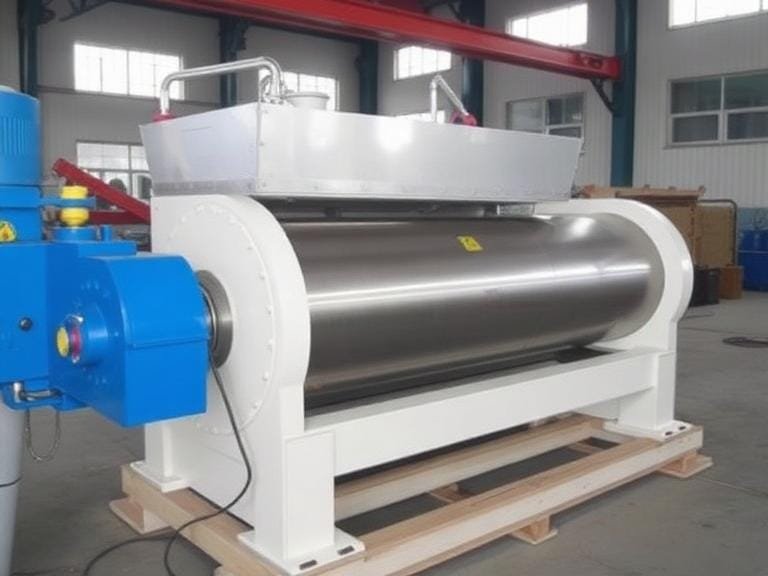
When discussing top-tier industrial solutions, the Oromineral Permanent Magnetic Separator stands out as a benchmark for quality and efficiency in 2026. Designed to meet rigorous industrial standards, this separator integrates advanced magnetic circuitry with robust mechanical design.
Oromineral Permanent Magnetic Separator

The Oromineral line is engineered for versatility and power. Whether you are dealing with fine powders in a pharmaceutical plant or heavy ores in a mining operation, Oromineral offers a configuration to match.
Key Features
- High Magnetic Intensity: Ensures effective separation of fine and coarse ferrous particles, utilizing high-grade Neodymium options.
- Durable Construction: Made with premium stainless steel materials for long-term use in harsh industrial environments.
- Versatile Applications: Suitable for dry and wet materials, including powders, granules, and slurries.
- Energy Efficient: Being a permanent magnetic separator, it requires zero power for the magnetic field, ensuring cost-effective operation.
- Low Maintenance: Simple design allows for easy cleaning and significantly reduced downtime.
- Customizable Options: Adjustable magnetic strength and physical configurations tailored to specific facility needs.
Technical Specifications
| Parameter | Details |
|---|---|
| Brand | Oromineral |
| Magnetic Intensity | 10000 Gauss to 15000 Gauss |
| Material | Stainless Steel and Neodymium Magnets |
| Separator Type | Drum, Overband, or Drawer Separator |
| Power Supply | 220V/50Hz or Customizable (for drive motors) |
| Capacity | Up to 300 TPH (Tons Per Hour) |
| Magnetic Pole Design | Multipole Configuration for deep reach |
| Operating Temperature | -10°C to 80°C (High-temp options available) |
| Installation | Easy-to-install modular design |
| Warranty | 1-Year Manufacturer Warranty |
If you are looking to upgrade your facility’s purification capabilities, the Oromineral Permanent Magnetic Separator offers a blend of performance and reliability that is hard to match.
5. Critical Industrial Applications
The utility of a permanent magnetic separator spans across virtually every sector of the manufacturing and processing economy. Here are the primary industries that rely on this technology:
Mining and Mineral Processing
In this sector, the equipment serves two purposes: protecting crushers from damage by tramp iron (like excavator teeth) and purifying the mineral ore itself. The Oromineral separator, for example, is vital for upgrading iron ore or removing contaminants from silica sand and feldspar.
Recycling Plants
For Material Recovery Facilities (MRFs), separating ferrous metals (steel cans, scrap) from non-ferrous streams (aluminum, plastic, paper) is the core business model. Overband permanent magnets are standard here.
Food and Beverage Industries
Consumer safety is non-negotiable. From flour and sugar to chocolate and beverages, a permanent magnetic separator ensures that no metal shards from processing machinery enter the food chain, complying with HACCP and FDA regulations.
Ceramic and Glass Manufacturing
Iron impurities in glass or ceramics cause structural defects and discoloration. High-intensity magnetic separation is required to remove microscopic iron particles from the raw materials.
Chemical and Pharmaceutical Production
These industries demand the highest levels of purity. Sanitary-grade drawer magnets are used to ensure that chemical powders and pills are 100% contaminant-free.
6. Advantages Over Electromagnetic Separators
Why choose a permanent magnetic separator over an electromagnet? While electromagnets have their place (specifically for being able to turn the field off), permanent magnets offer distinct advantages:
- No Electrical Consumption: The magnetic field is generated by the material itself, leading to significant savings on electricity bills over the machine’s lifespan.
- Consistent Field Strength: Electromagnets can suffer from field fluctuation due to voltage spikes or coil heating. Permanent magnets provide a steady, reliable field.
- Reliability: There are no coils to burn out, no rectifiers to fail, and no cooling oil to leak. This makes the permanent magnetic separator incredibly durable.
- Compact Design: Permanent magnets typically take up less space than the bulky coils and cooling systems required for electromagnets.
- Safety: In the event of a power failure, an electromagnet drops its load immediately (potentially damaging belts or mixing separated trash back in). A permanent magnet holds onto the ferrous load regardless of power status.
7. Magnetic Materials and Construction
The heart of the separator is the magnet itself. Two main types of materials are used in modern separators:
Ferrite (Ceramic) Magnets
Strontium Ferrite magnets are the workhorses of the industry. They are cost-effective, resistant to corrosion, and have a deep magnetic reach. They are ideal for capturing large tramp iron (nuts, bolts) in applications like recycling and mining.
Rare Earth (Neodymium) Magnets
Neodymium-Iron-Boron (NdFeB) magnets are the strongest permanent magnets available commercially. They are essential for capturing fine ferrous dust, weakly magnetic stainless steel, and paramagnetic minerals. The Oromineral Permanent Magnetic Separator utilizes these high-intensity magnets to achieve Gauss ratings up to 15,000.
8. Selection Guide: Choosing the Right Separator
Selecting the correct permanent magnetic separator involves analyzing several factors regarding your process stream:
- Nature of Material: Is it wet or dry? Powder or rock? Sticky or free-flowing?
- Contaminant Type: Are you removing large bolts (tramp iron) or microscopic dust? Large iron requires deep fields (Ferrite), while fine dust requires high gradients (Neodymium).
- Flow Rate (TPH): The volume of material determines the width of the drum or belt and the size of the magnet block.
- Temperature: Standard Neodymium magnets can lose strength above 80°C. If your product is hot, you need specially stabilized high-temperature magnets.
- Cleaning Method: Do you have the manpower for manual cleaning (grates/plates), or do you need self-cleaning (drums/cross-belts)?
9. Maintenance and Care
While a permanent magnetic separator is known for low maintenance, it is not “no maintenance.” To ensure longevity:
- Cleaning: Ferrous material must be removed regularly. If a magnet becomes overloaded with iron, the magnetic field is “shorted out,” and it will stop capturing new contaminants.
- Wear Protection: The face of the magnet (usually stainless steel) wears down due to abrasive materials. Check for holes or thinning steel to prevent damage to the internal magnet blocks.
- Temperature Checks: Ensure the operating environment does not exceed the Curie temperature of the magnets, which would cause permanent demagnetization.
- Physical Shock: Rare earth magnets are brittle. Avoid hitting the magnet housing with hammers or heavy tools.
10. Summary Comparison Table
Below is a quick comparison between the two main categories of magnetic separation.
| Feature | Permanent Magnetic Separator | Electromagnetic Separator |
|---|---|---|
| Power Source | Internal Magnetic Material | Continuous Electricity |
| Running Cost | Low (Zero for field generation) | High (Electricity costs) |
| Field Consistency | Constant, non-fluctuating | Can vary with heat/voltage |
| Power Failure Safety | Retains load | Drops load immediately |
| Maintenance | Low | Moderate to High (Coils/Oil) |
| Best Use Case | Fine particles, food, steady tramp iron removal | Suspending extremely heavy loads, applications requiring on/off switching |