How Much Does an Eddy Current Separator Cost in 2025?
Understanding eddy current separator cost in 2025 is essential for recycling companies, metal recovery facilities, e-waste processors, and manufacturing plants. Eddy current separators (ECS) play a critical role in separating non-ferrous metals—such as aluminum, copper, and brass—from bulk materials. Their efficiency can drastically reduce labor costs, increase recovery rates, and improve overall plant profitability.
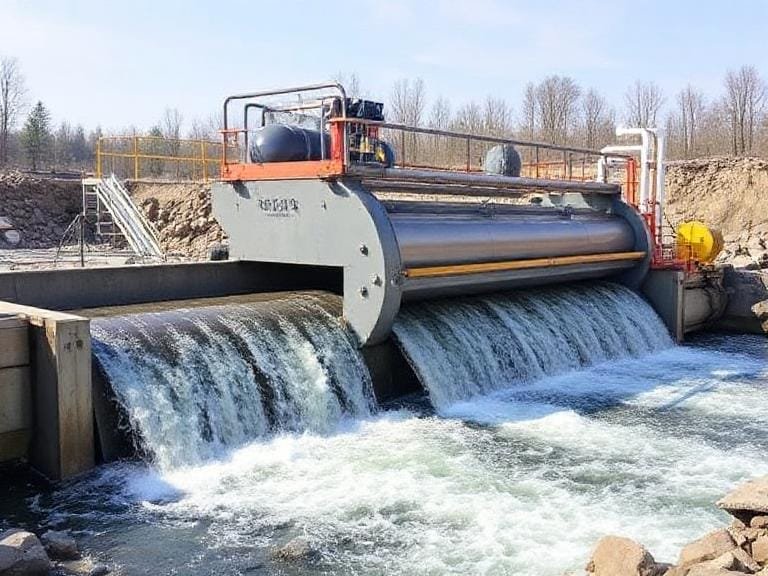
This comprehensive guide covers the 2025 price ranges, cost factors, technical specifications, and how to choose the right model. It also includes a spotlight on the high-performance Oromineral Eddy Current Separator Machine series.
Table of Contents
- What Is an Eddy Current Separator?
- How Much Does an Eddy Current Separator Cost in 2025?
- Key Factors Affecting Eddy Current Separator Cost
- Oromineral Eddy Current Separator Technical Specifications
- 2025 Price Comparison Table
- How to Choose the Right Eddy Current Separator
- Common Applications
- FAQs
- References
What Is an Eddy Current Separator?
An eddy current separator is a highly specialized magnetic separation machine designed to remove non-ferrous metals from mixed waste streams. When conductive metals pass through a rapidly rotating magnetic field, they generate opposing electric currents—called eddy currents—which repel the metals away from the material flow.
These machines are widely used in:
- Municipal solid waste (MSW) recycling
- Plastic flake sorting
- E-waste processing
- Scrap metal recovery
- Construction/demolition waste separation
How Much Does an Eddy Current Separator Cost in 2025?
In 2025, the average eddy current separator cost ranges from $18,000 to $95,000, depending on machine size, belt width, magnetic intensity, production capacity, customization, and brand.
Typical 2025 Price Ranges
- Small ECS (300–500 mm belt width): $18,000 – $35,000
- Medium ECS (600–1000 mm belt width): $35,000 – $60,000
- Large/Industrial ECS (1200–2000 mm belt width): $60,000 – $95,000+
These prices reflect the general global market in 2025. However, highly efficient models with stronger magnetic fields—such as those in the Oromineral series—may offer significantly better long-term ROI due to improved separation rates and reduced downtime.
Key Factors Affecting Eddy Current Separator Cost
1. Belt Width
Wider belts allow higher throughput. As width increases, the eddy current separator cost rises proportionally.
2. Magnetic Field Strength (Gauss Level)
Higher magnetic intensity delivers stronger repelling forces, improving separation efficiency for small or low-density metals.
3. Drum Speed and Belt Speed
Adjustable high-speed drums improve performance but require more advanced components, increasing costs.
4. Capacity (m³/h)
Higher-capacity machines cost more but offer a lower cost per ton of material processed.
5. Construction Quality
Durable frames, industrial-grade bearings, and reinforced drums extend machine life, reducing long-term maintenance costs.
6. Customization
Applications like e-waste, PET sorting, or heavy-duty scrap processing may require custom configurations, affecting the price.
Oromineral Eddy Current Separator: Technical Specifications
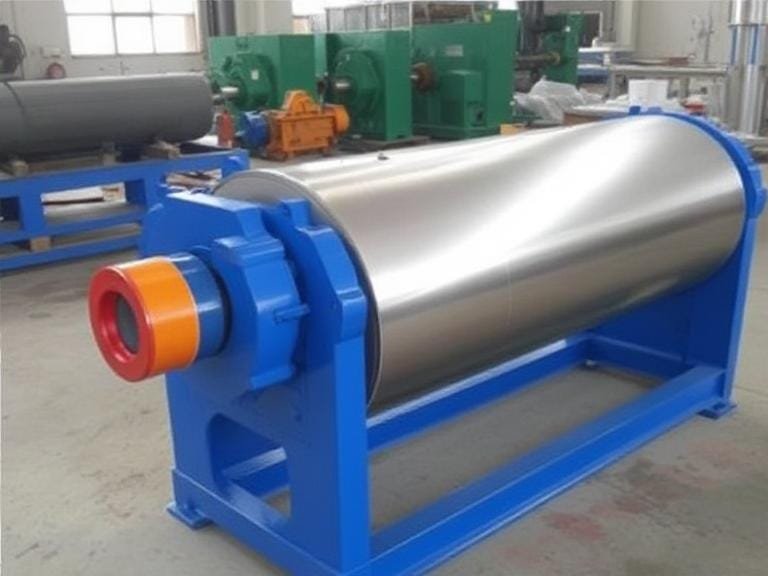
Oromineral Eddy Current Separator Machine

Oromineral is known for building high-performance, durable, and highly efficient eddy current separators. Their 2025 lineup includes models ranging from 300 mm to 2000 mm belt widths, offering solutions for everything from small recycling facilities to large industrial plants.
Technical Specifications Table
| Model | Belt Width (mm) | Magnetic Field (GS) | Drum Diameter (mm) | Drum Speed (r/min) | Belt Speed (m/s) | Capacity (m³/h) | Drum Drive Power (kW) | Belt Drive Power (kW) | Weight (kg) |
|---|---|---|---|---|---|---|---|---|---|
| HTECS-3 | 300 | ≥3000 | 320 | 50–2880 | 0–2 | 2–3 | 4 | 1.1 | 1100 |
| HTECS-4 | 400 | 3–4 | 320 | 50–2880 | 0–2 | 3–4 | 4 | 1.1 | 1200 |
| HTECS-5 | 500 | 4–5 | 320 | 50–2880 | 0–2 | 4–5 | 4 | 1.1 | 1400 |
| HTECS-6 | 600 | 5–6 | 320 | 50–2880 | 0–2 | 5–6 | 4 | 1.1 | 1500 |
| HTECS-6.5 | 650 | 5–7 | 320 | 50–2880 | 0–2 | 5–7 | 4 | 1.1 | 1700 |
| HTECS-7 | 700 | 6–8 | 320 | 50–2880 | 0–2 | 6–8 | 5.5 | 1.1 | 1900 |
| HTECS-7.5 | 750 | 7–9 | 320 | 50–2880 | 0–2 | 7–9 | 5.5 | 1.1 | 2100 |
| HTECS-8 | 800 | 8–10 | 320 | 50–2880 | 0–2 | 8–10 | 7.5 | 1.1 | 2500 |
| HTECS-10 | 1000 | 9–11 | 320 | 50–2880 | 0–2 | 9–11 | 7.5 | 1.5 | 3100 |
| HTECS-12 | 1200 | 10–12 | 320 | 50–2880 | 0–2 | 10–12 | 11 | 2.2 | 3500 |
| HTECS-14 | 1400 | 12–14 | 320 | 50–2880 | 0–2 | 12–14 | 11 | 2.2 | 3900 |
| HTECS-15 | 1500 | 13–15 | 320 | 50–2880 | 0–2 | 13–15 | 11 | 2.2 | 4300 |
| HTECS-20 | 2000 | 17–20 | 320 | 50–2880 | 0–2 | 17–20 | 15 | 3 | 5200 |
Key Features
- High Separation Efficiency: Adjustable drum and belt speeds plus powerful magnetic fields maximize metal recovery.
- Robust Construction: Long-life engineering reduces downtime.
- Easy Maintenance: Accessible design lowers operating costs.
- Custom Options: Belt width, drum size, and speed configurations available.
2025 Price Comparison Table
| Belt Width | Machine Size | Estimated 2025 Cost | Typical Applications |
|---|---|---|---|
| 300–500 mm | Small | $18,000 – $35,000 | Labs, small recycling plants |
| 600–1000 mm | Medium | $35,000 – $60,000 | Municipal recycling, plastics |
| 1200–2000 mm | Large Industrial | $60,000 – $95,000+ | Scrap metal, e-waste, mining |
How to Choose the Right Eddy Current Separator
1. Match the machine size to your throughput
Higher capacity requires wider belts and stronger magnetic systems.
2. Consider metal particle size
Fine particles require stronger magnetic intensity (higher Gauss).
3. Evaluate durability
Industrial facilities need reinforced components and high drum speeds.
4. Compare long-term maintenance costs
Quality construction reduces belt replacement, motor issues, and downtime.
5. Select a trusted manufacturer
Brands like Oromineral offer proven reliability and customizable configurations suitable for demanding recycling operations.
Common Applications
- Aluminum can separation
- Metal recovery from plastic flakes
- E-waste metal extraction
- Automobile shredder residue (ASR) recovery
- Construction waste cleanup
- Metal recovery in mining operations
Company Spotlight: Oromineral Eddy Current Separator
The Oromineral Eddy Current Separator Machine series is engineered for high-efficiency performance, durability, and superior metal recovery. With models ranging from 300 to 2000 mm belt width and magnetic fields up to 20,000 GS, these machines serve small, medium, and large-scale recycling operations.
Whether you need a compact separator for plastics or a high-capacity system for metal scrap processing, Oromineral offers customizable configurations to meet your operational requirements.
Frequently Asked Questions (FAQ)
1. What is the typical lifespan of an eddy current separator?
Most high-quality ECS systems last 8–15 years with regular maintenance.
2. Is a stronger magnetic field always better?
Not always. Higher Gauss is helpful for fine particles, but for larger metals, belt width and speed may matter more.
3. How often should belts be replaced?
Typically every 6–18 months depending on material abrasiveness and usage.
4. Are eddy current separators suitable for wet materials?
They perform best with dry materials. Moisture can reduce efficiency.
5. How do I reduce operating costs?
Choose energy-efficient motors, regularly maintain bearings, and run the machine at optimal speeds.